
Vue de Nantes — History & Facts
Can beauty exist without sorrow? In Vue de Nantes, a delicate balance between tranquility and unrest emerges, whispering the tales of a city caught in the throes of change. Look to the left at the gentle curves of the riverbanks, where soft greens embrace the water's edge, inviting you to explore the hidden depths of this tranquil scene. The artist employs a muted palette of blues and earthy tones, creating a soothing backdrop that contrasts with the tumult of the world beyond the canvas. Notice how the light spills onto the water, shimmering as it reflects the soft hues of the sky, guiding your gaze to the bustling activity of boats gliding effortlessly, their sails catching the breeze, embodying a spirit of freedom. Beneath the surface, the painting hints at a deeper narrative—a city on the brink of transformation.
The stillness of the scene belies the revolutionary sentiments brewing within the community; each stroke reveals the artist’s inner conflict between idyllic beauty and the impending chaos of societal change. The juxtaposition of nature’s serenity and the unseen human struggles encapsulates a poignant tension, inviting viewers to reflect on the fragility of beauty in a world marked by upheaval. In the summer of 1894, Harpignies, a prominent figure in the Barbizon school, captured this view of Nantes while immersed in a transforming France, where industrialization and urbanization were rapidly altering landscapes and lives. At this time, the country was experiencing significant social and political shifts, and the artist sought to immortalize the poetic essence of his surroundings, blending gentle realism with the echoes of unrest that echoed just beyond the horizon.
More Artworks by Henri-Joseph Harpignies
Browse all →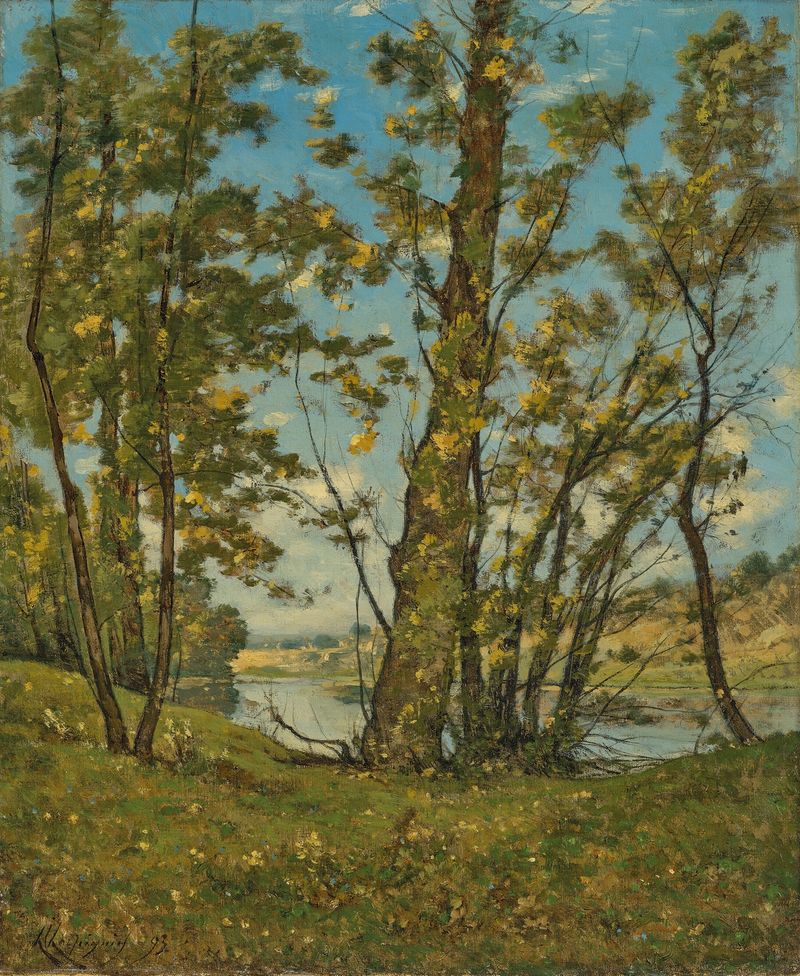
La Loire à Bonny
Henri-Joseph Harpignies
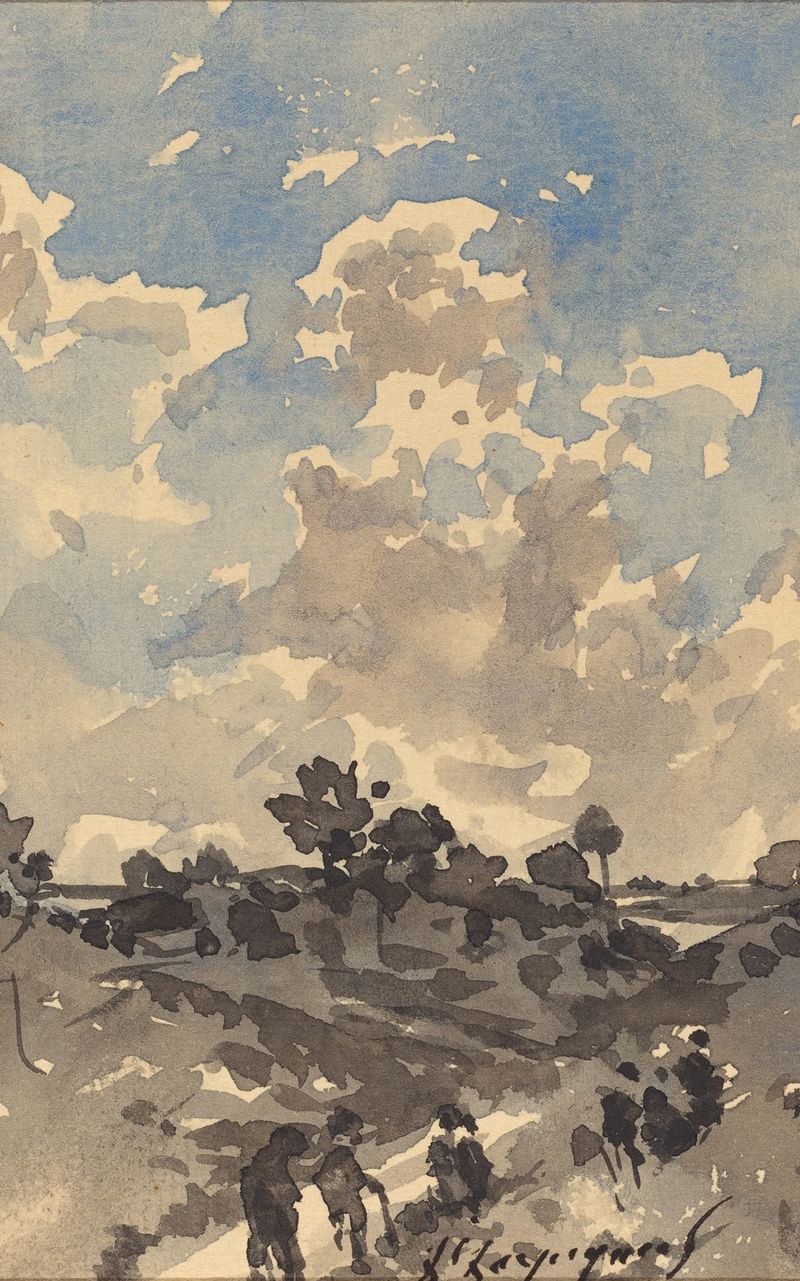
A Landscape with Figures Walking along a Path
Henri-Joseph Harpignies
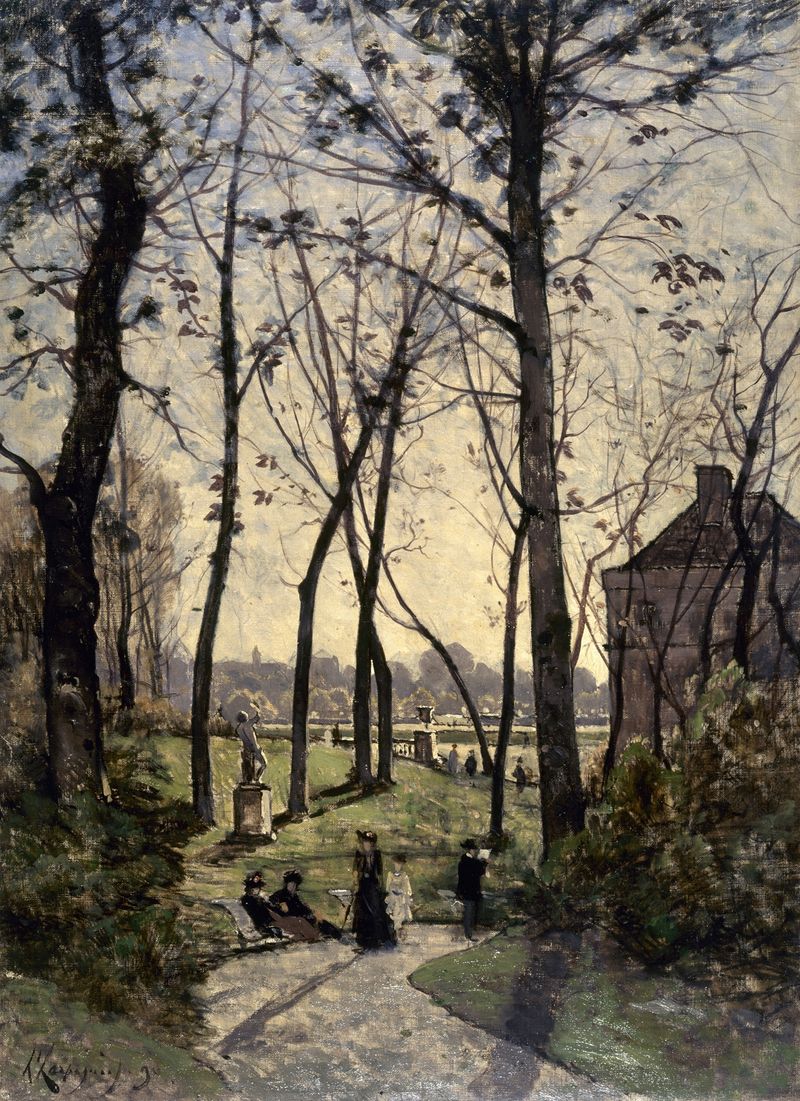
Le jardin du Luxembourg
Henri-Joseph Harpignies
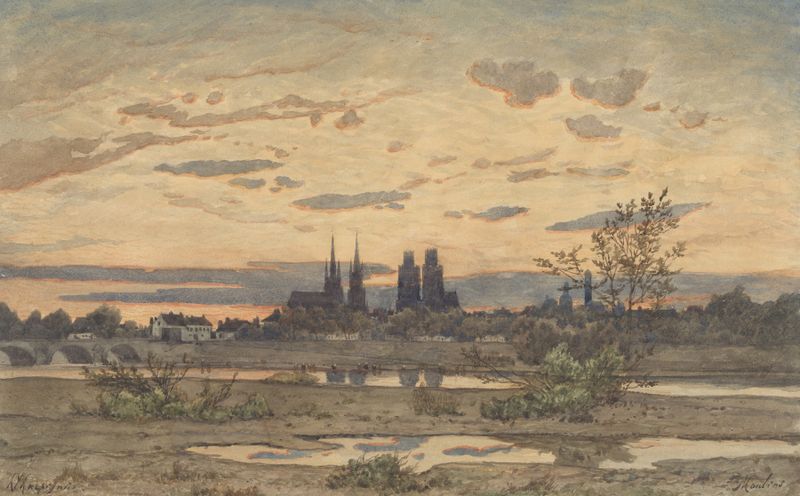
A View of Moulins
Henri-Joseph Harpignies
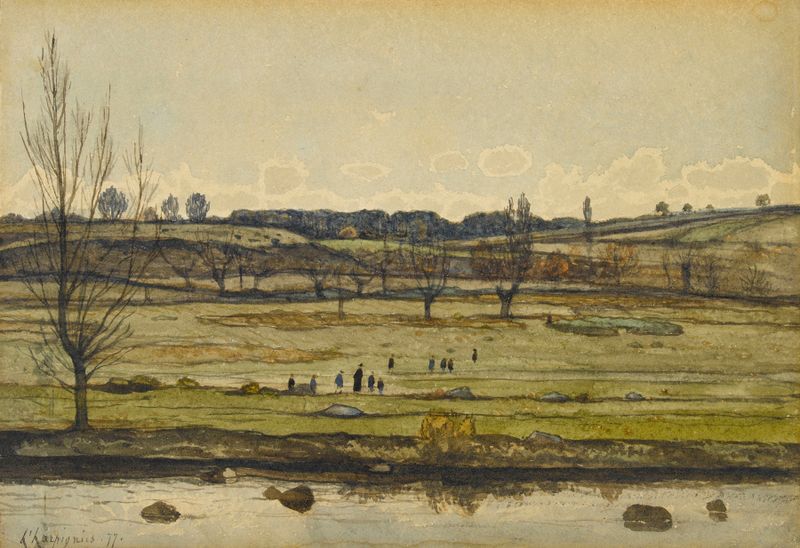
Paysage
Henri-Joseph Harpignies
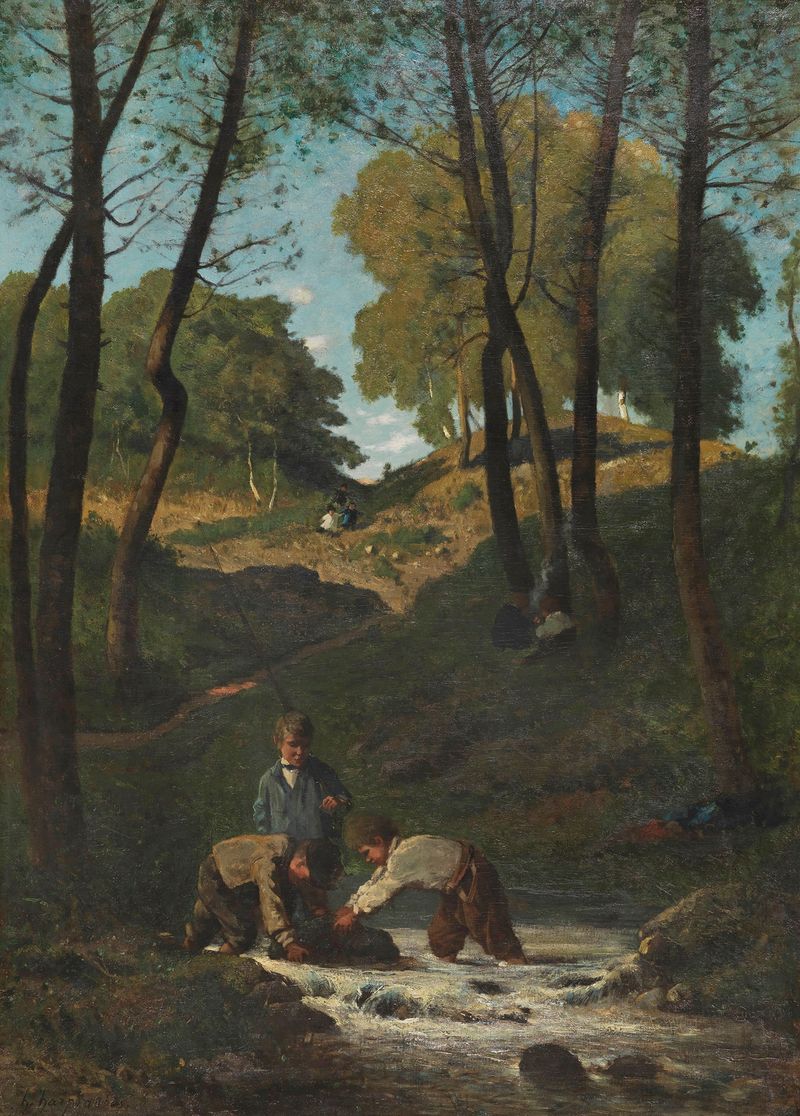
Chercheurs d’écrevisses
Henri-Joseph Harpignies
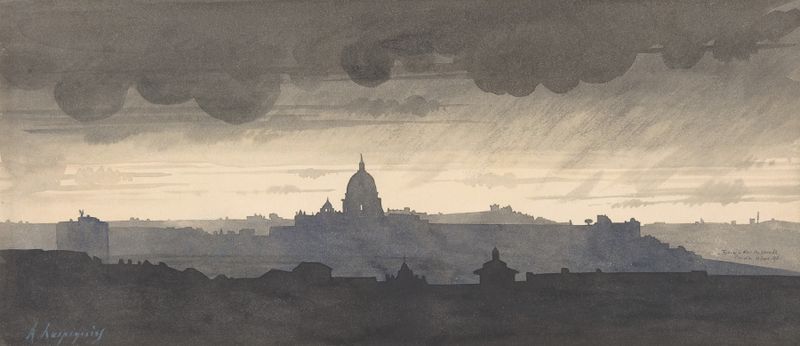
Saint Peter’s Seen From the Pincio, Rome
Henri-Joseph Harpignies
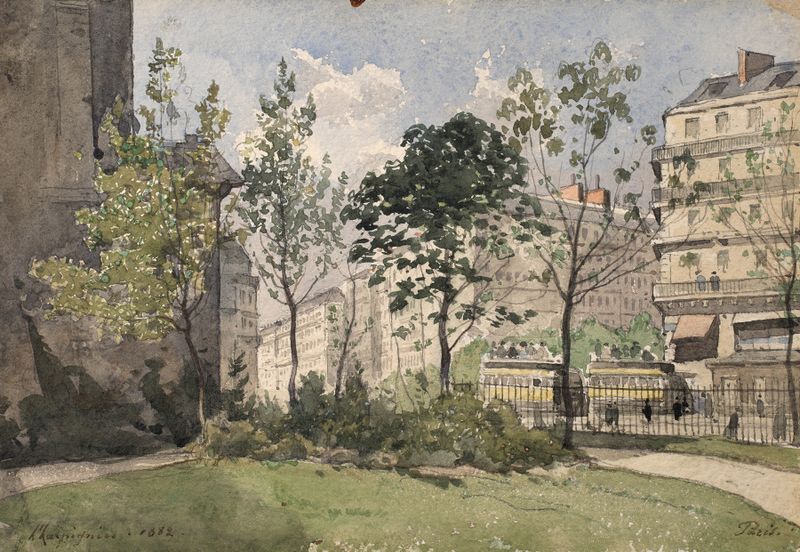
View of the forecourt of the Saint-Germain-des-Prés church
Henri-Joseph Harpignies
Le Colisée à Rome
Henri-Joseph Harpignies

Villefranche
Henri-Joseph Harpignies





