Vue d’un moulin en Savoie — History & Analysis
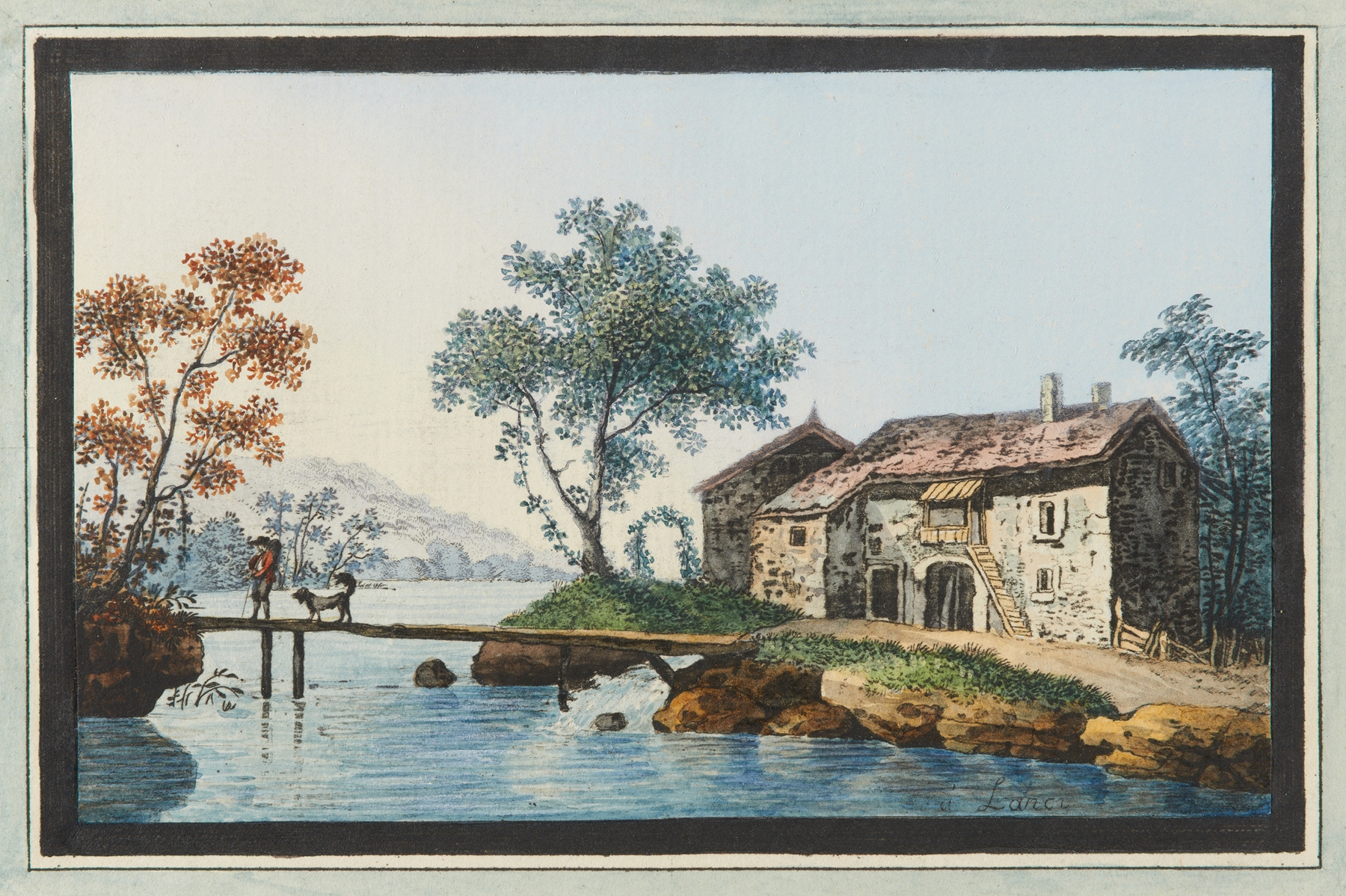
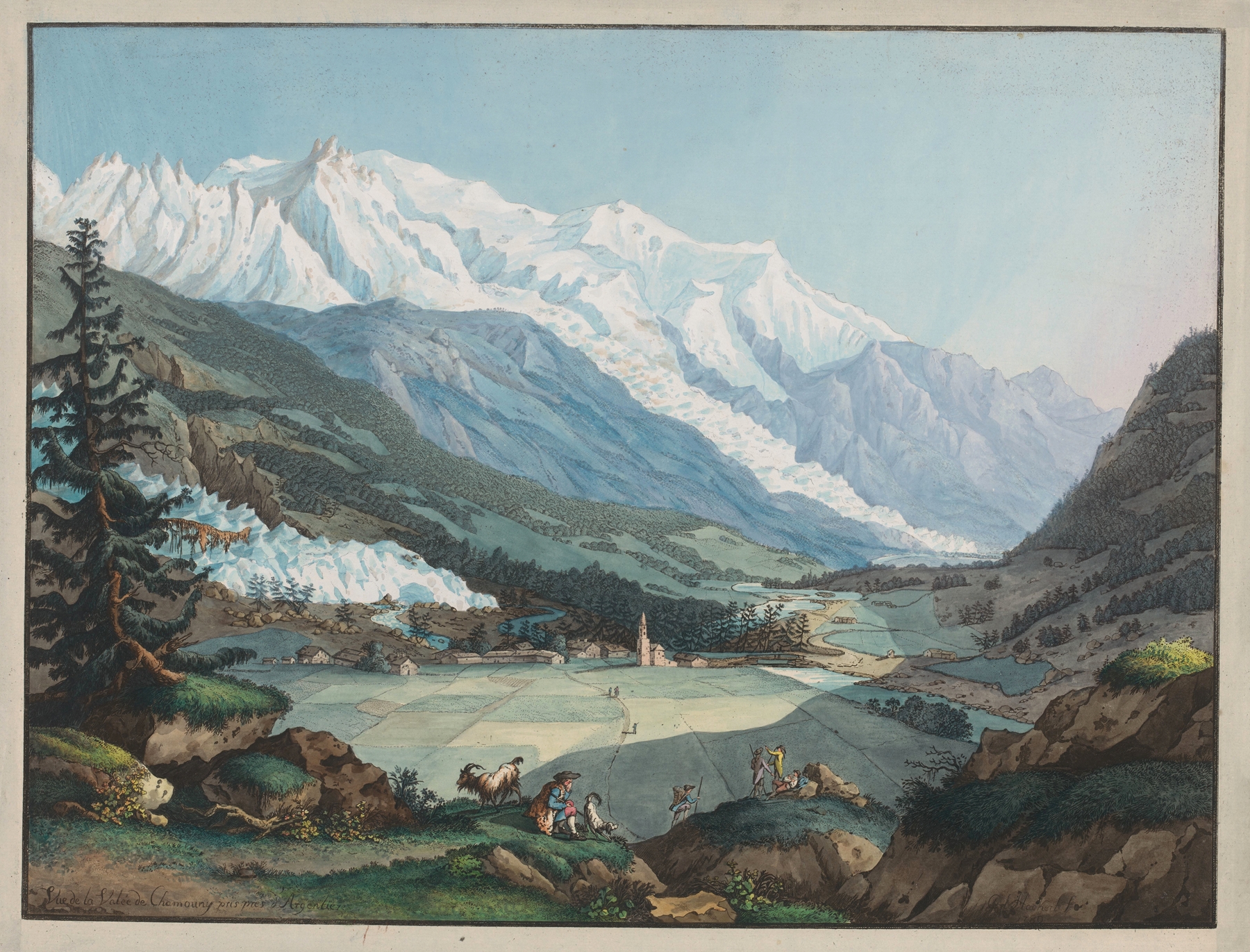
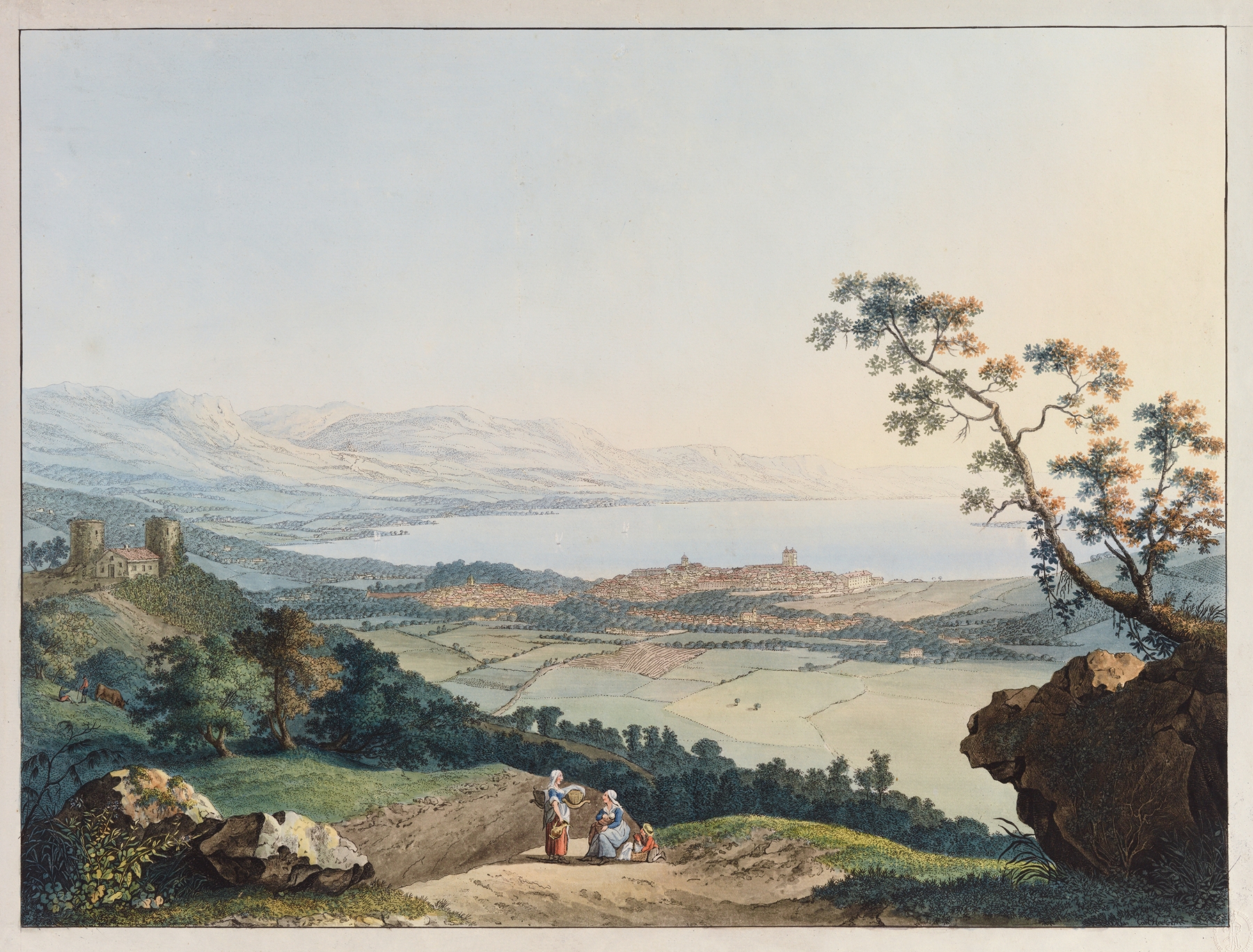
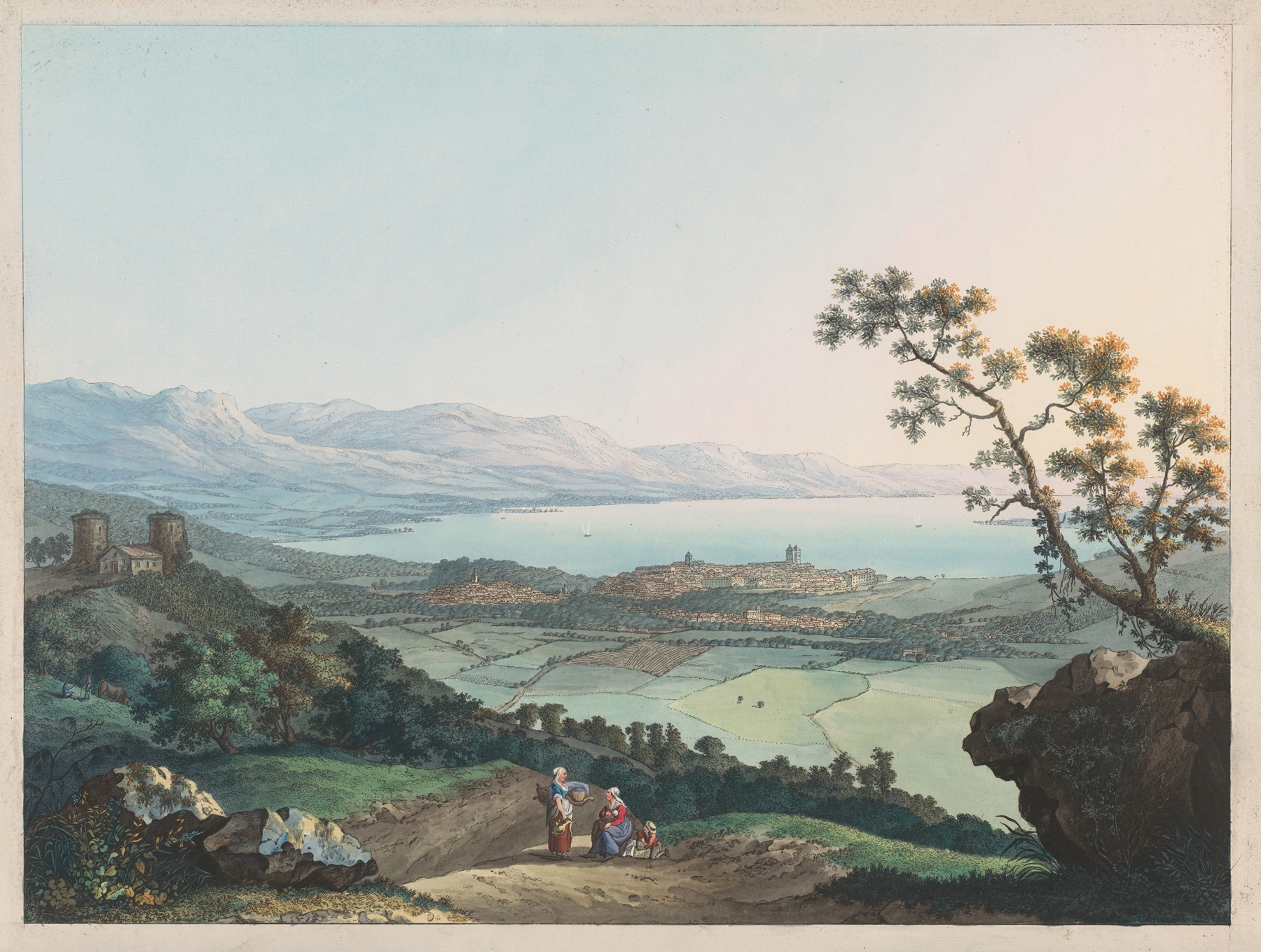
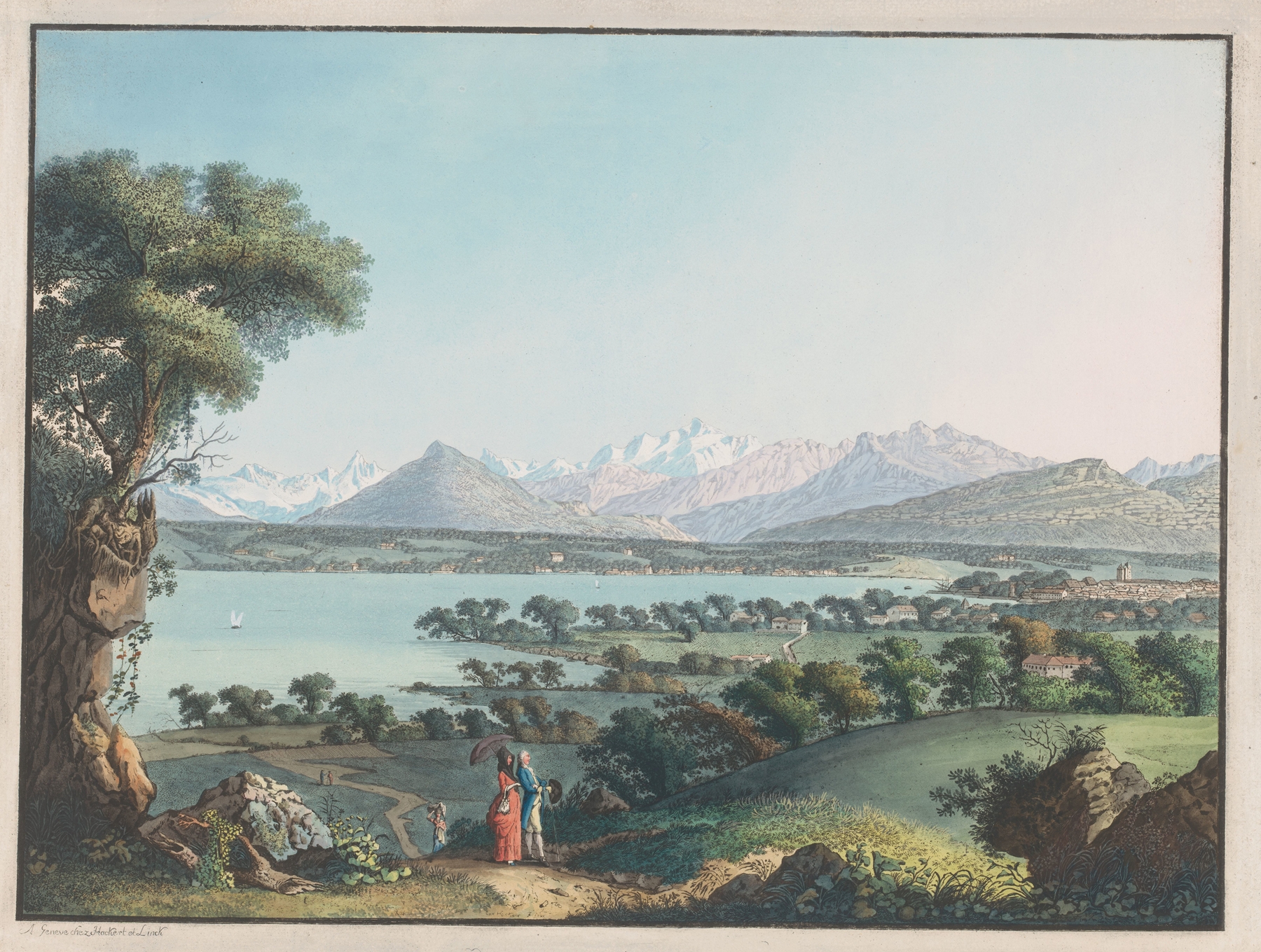
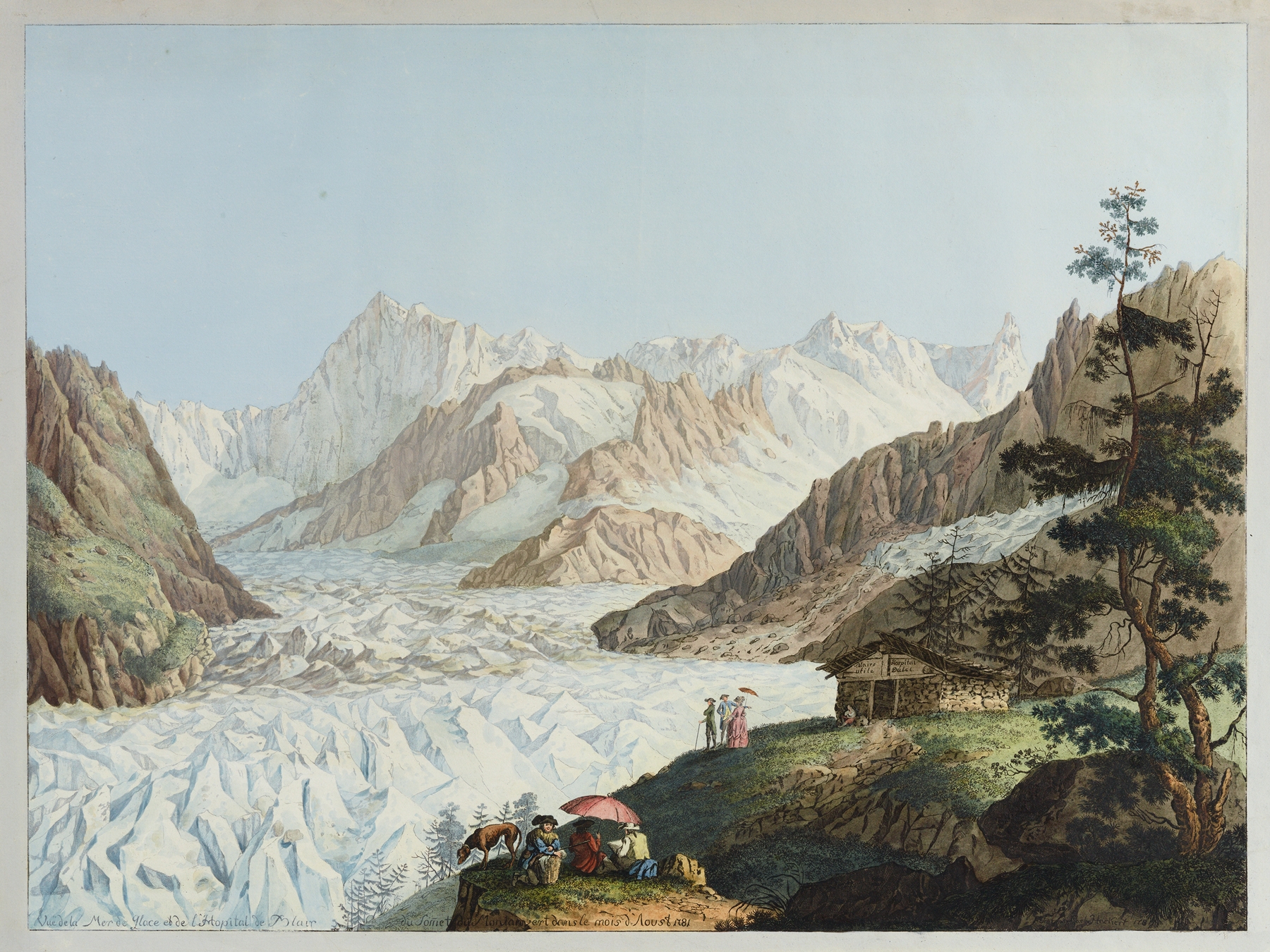
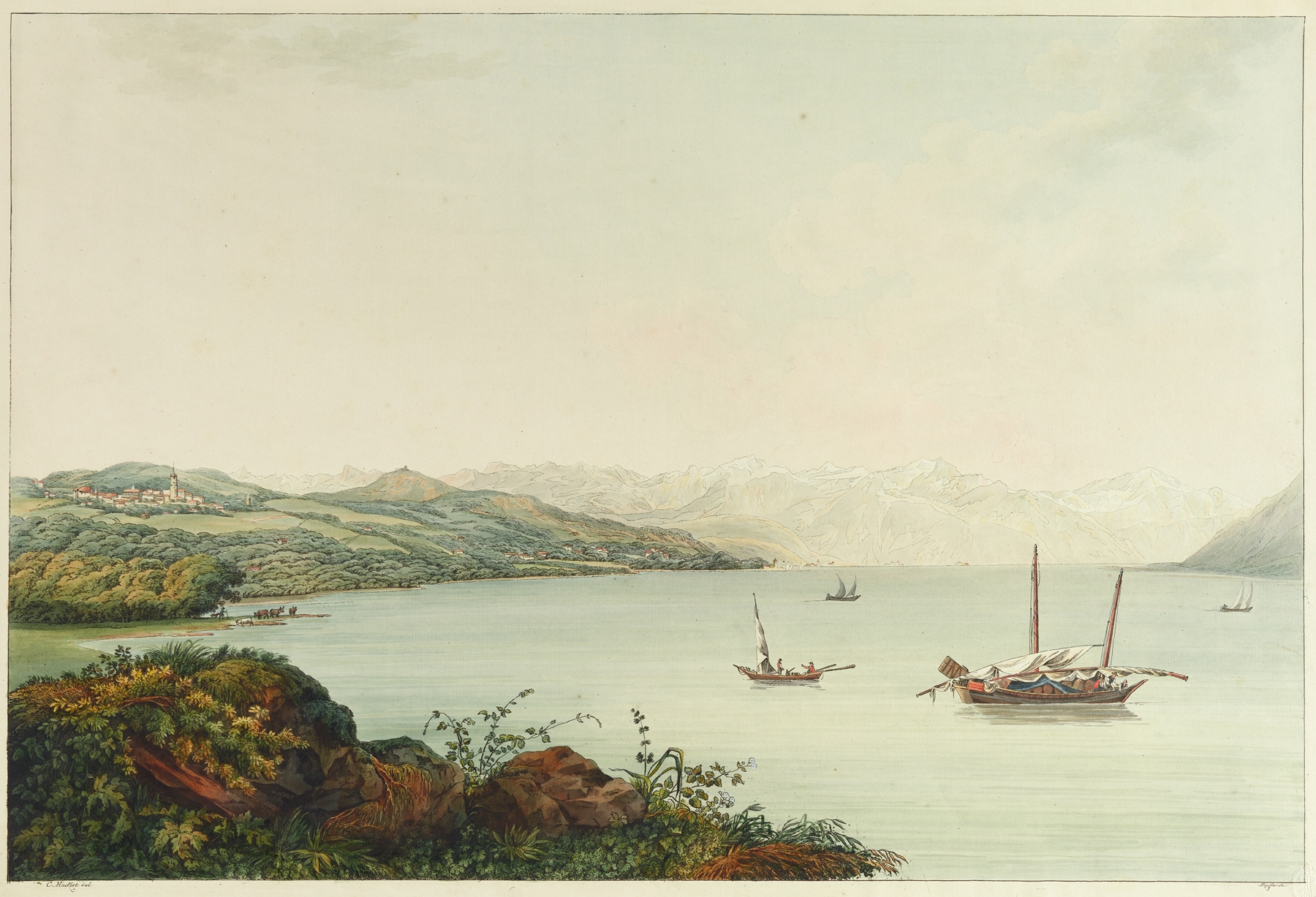
“Under the brush, chaos becomes grace.” In this artwork, a delicate harmony emerges from nature’s wild embrace, inviting the viewer into a serene reverie. Look to the left at the gentle flow of the river, a shimmering ribbon of soft blues and greens that leads your eye toward the mill. The structure stands resolute against a backdrop of rolling hills, where vibrant greens and soft earth tones create a rich tapestry of life. Notice how the light dances across the water’s surface, capturing the essence of a peaceful afternoon, while the sky above is rendered in an ethereal blend of pastel hues, hinting at a fleeting moment suspended in time.
Beneath the painting's tranquility lies an undercurrent of longing and nostalgia, as if the artist captures a dream of an idyllic past. The contrast between the sturdy mill and the fluid landscape evokes a tension between man-made stability and the wild beauty of nature. Small details, like the wisps of clouds reflected in the water, suggest a fleeting quality, reminding us that even dreams are ephemeral.
Created between 1740 and 1796, this artwork reflects a period of transition in the artist's life, marked by a growing fascination with the picturesque landscape. As Carl Ludwig Hackert painted this scene in Savoie, the art world was moving towards Romantic ideals, emphasizing emotion and the beauty of the natural world in response to the Enlightenment's rationalism. This piece stands as a testament to that evolution, capturing the essence of a dream-like landscape that resonates with both peace and yearning.