
Vue d’un village — History & Facts
Can paint confess what words never could? In Vue d’un village, a quiet yet palpable fear seeps through the idyllic countryside, hinting at untold stories lurking beneath the surface. Look to the left at the warm blush of the village rooftops, bathed in the golden light of a setting sun. The vibrant greens of the surrounding fields contrast sharply with the earthy tones of the buildings, creating a visual tension that invites exploration. Notice how the wispy clouds drift lazily across the sky, yet their ominous shapes seem to foretell change, casting a delicate shadow over the tranquil scene.
The brushwork is soft but intentional, suggesting a fleeting moment of peace before the inevitable encroachment of darkness. Delve deeper into the painting, and you'll uncover layers of emotional complexity. The stillness of the village juxtaposed with the restless movement of the sky invokes a sense of anxiety, as if the viewer is witness to a crucial pause before chaos. The distant mountains loom like sentinels, embodying both beauty and foreboding.
Every detail, from the gentle swaying of the trees to the almost hesitant path winding through the fields, speaks to the fragility of serenity in a world rife with uncertainty. In 1885, Henri-Joseph Harpignies, a prominent figure in the Barbizon School, was painting in a France grappling with change. This period saw a growing interest in capturing the beauty of rural landscapes while addressing the complexities of modernity. As Harpignies embraced the light and atmosphere of his surroundings, he simultaneously engaged in a dialogue with the fears and transformations of his time, translating them onto canvas with a masterful touch.
More Artworks by Henri-Joseph Harpignies
Browse all →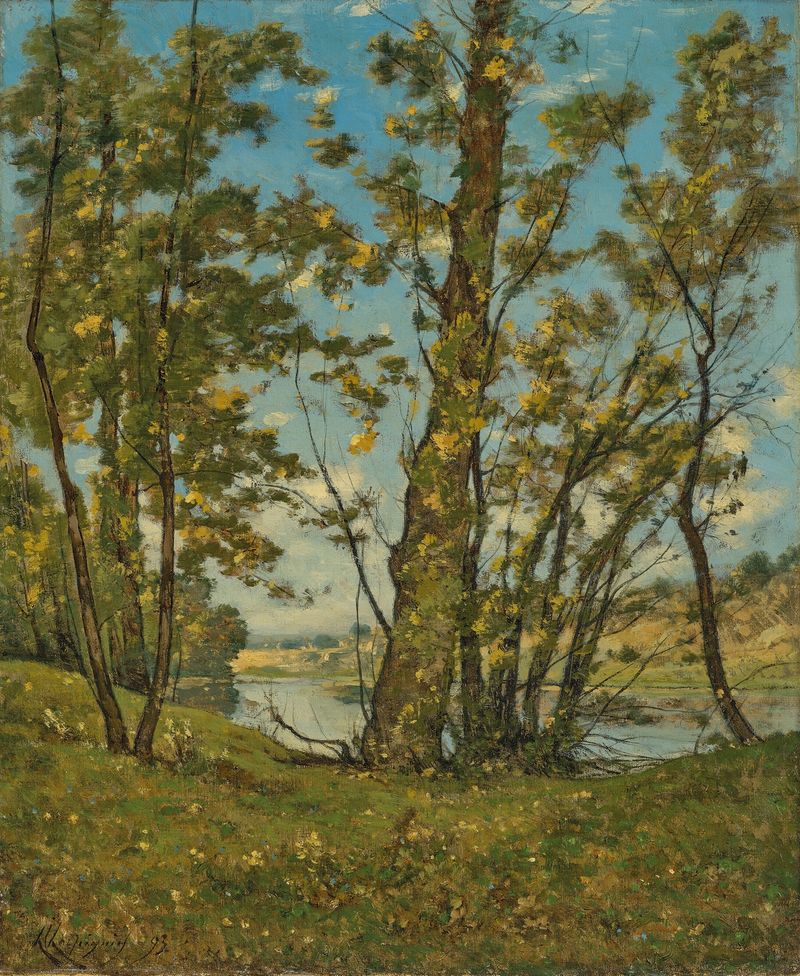
La Loire à Bonny
Henri-Joseph Harpignies
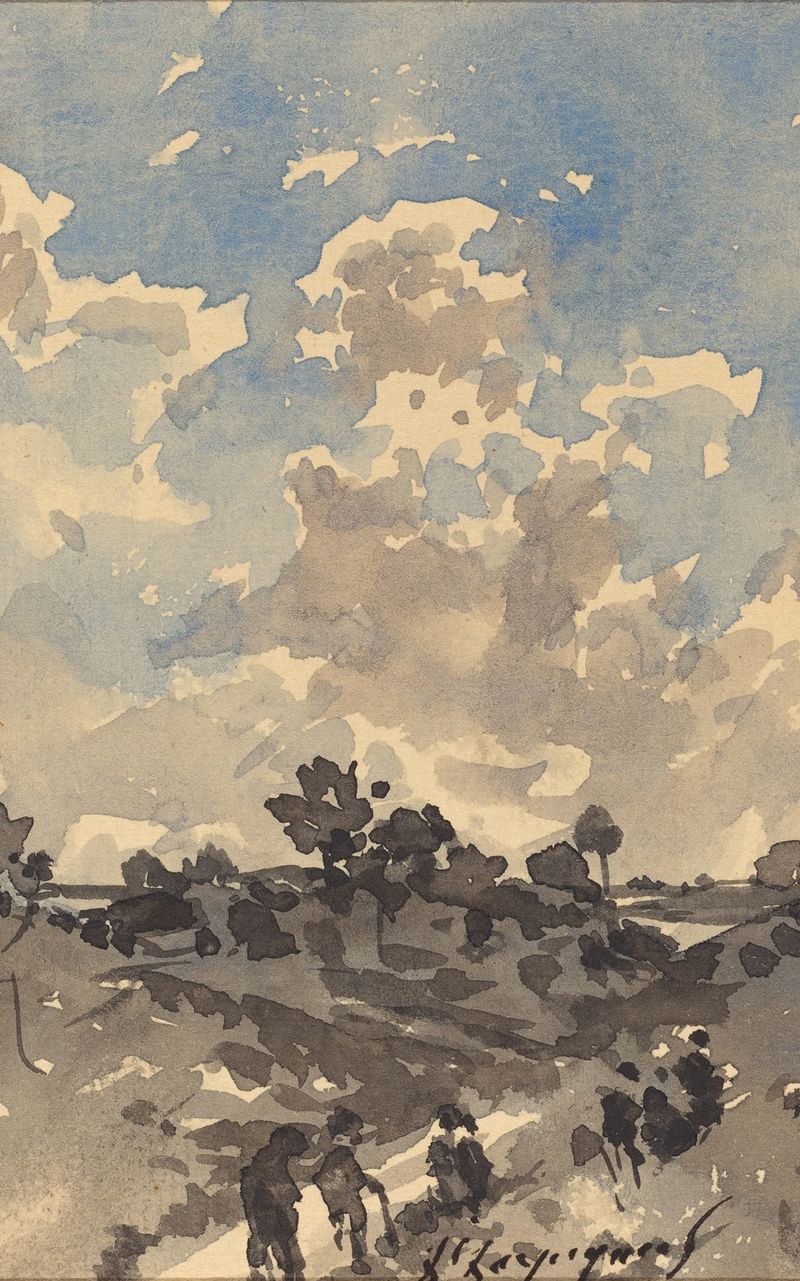
A Landscape with Figures Walking along a Path
Henri-Joseph Harpignies
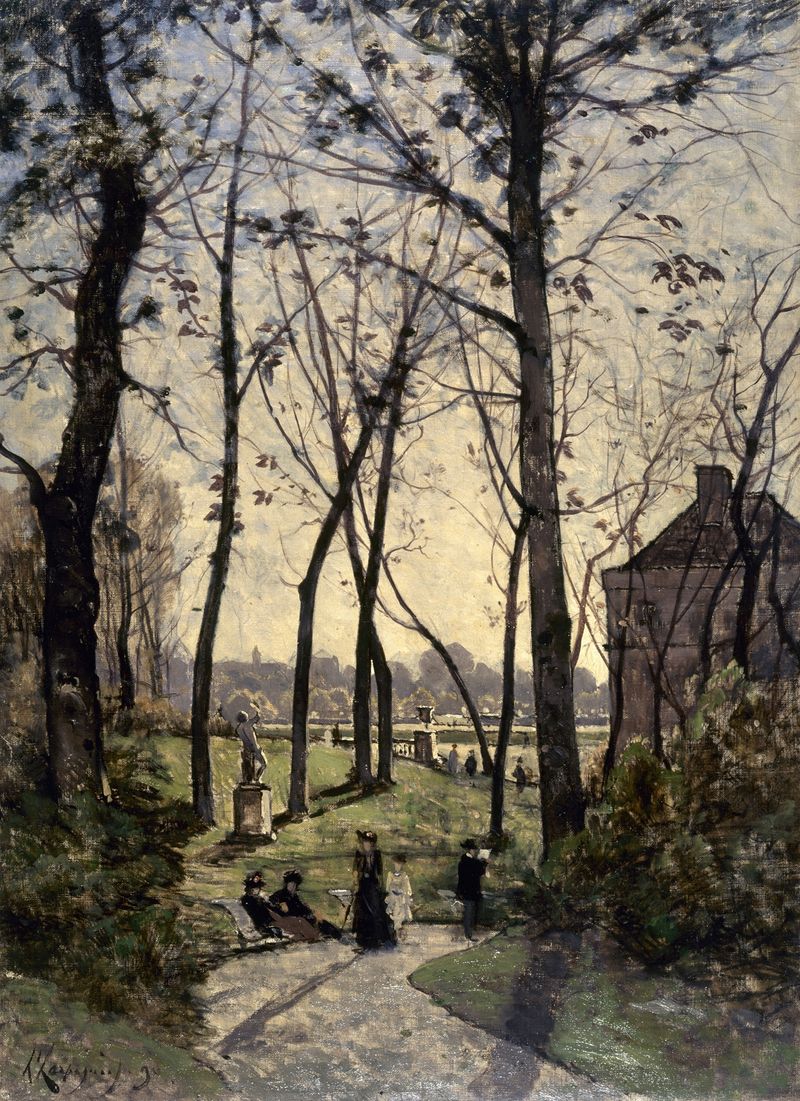
Le jardin du Luxembourg
Henri-Joseph Harpignies
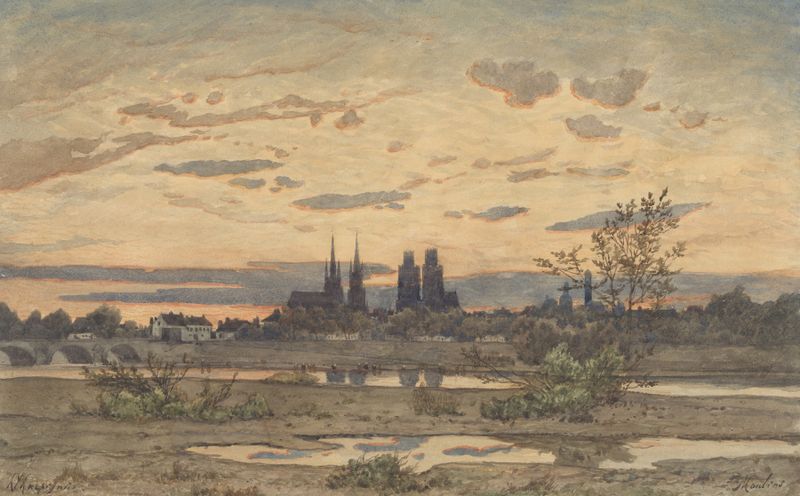
A View of Moulins
Henri-Joseph Harpignies
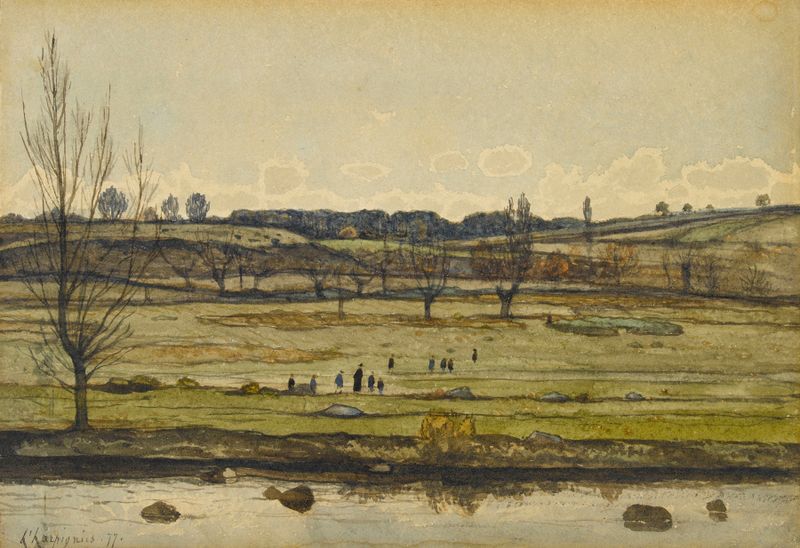
Paysage
Henri-Joseph Harpignies
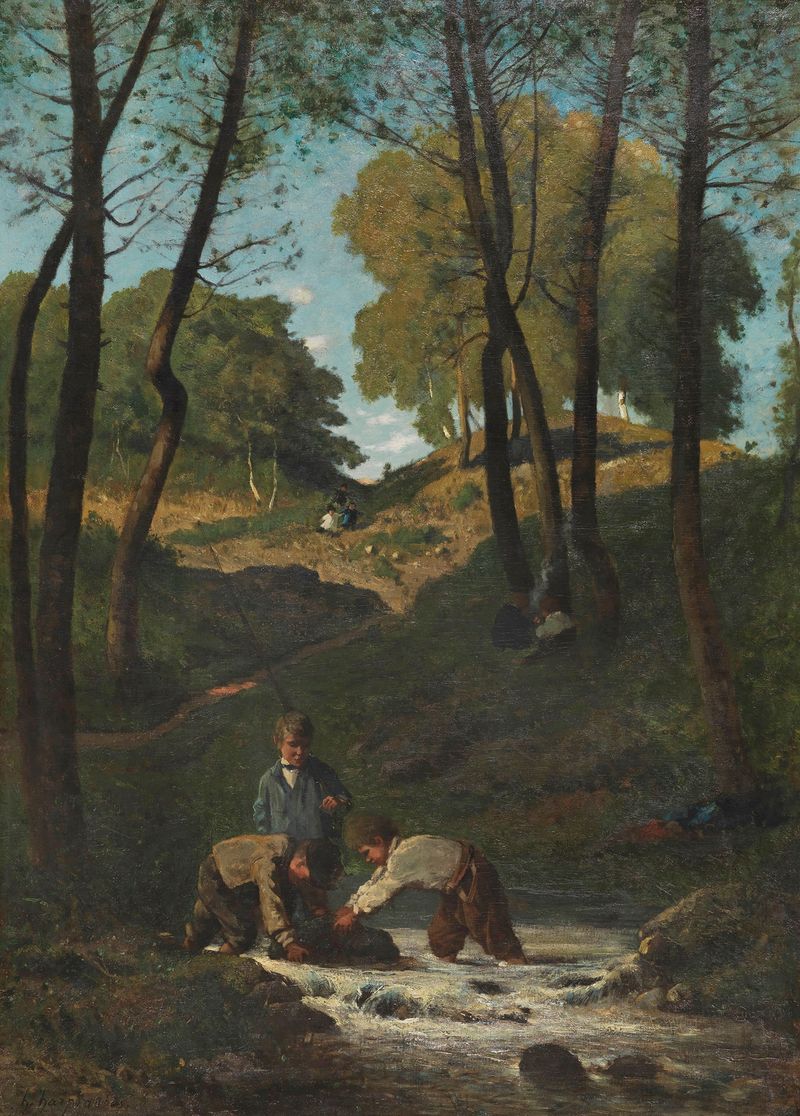
Chercheurs d’écrevisses
Henri-Joseph Harpignies
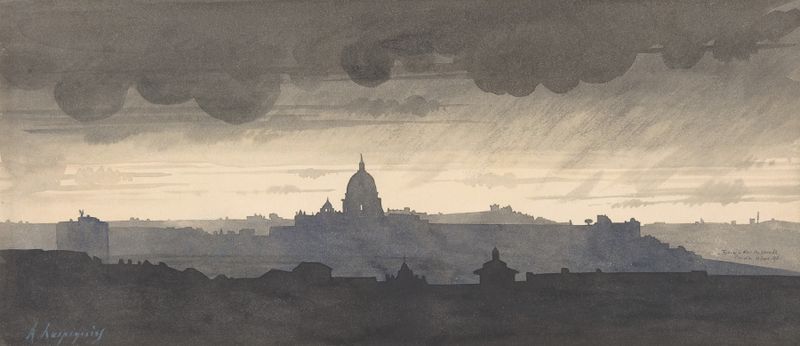
Saint Peter’s Seen From the Pincio, Rome
Henri-Joseph Harpignies
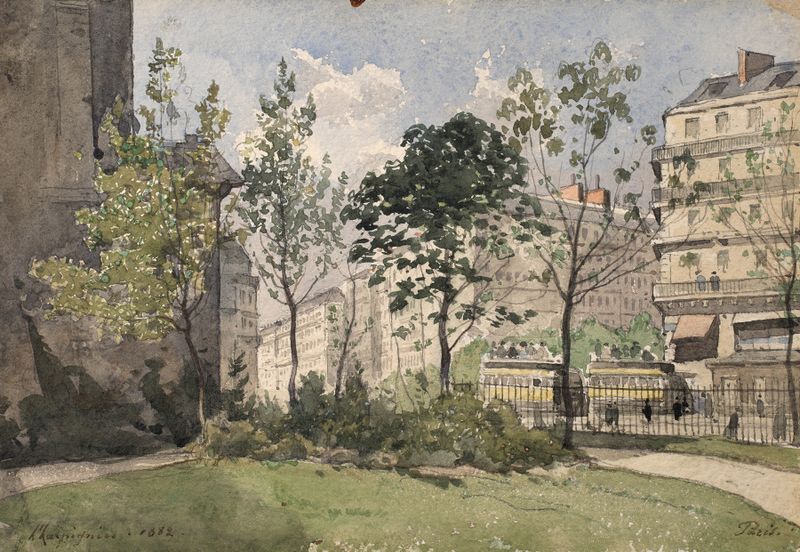
View of the forecourt of the Saint-Germain-des-Prés church
Henri-Joseph Harpignies
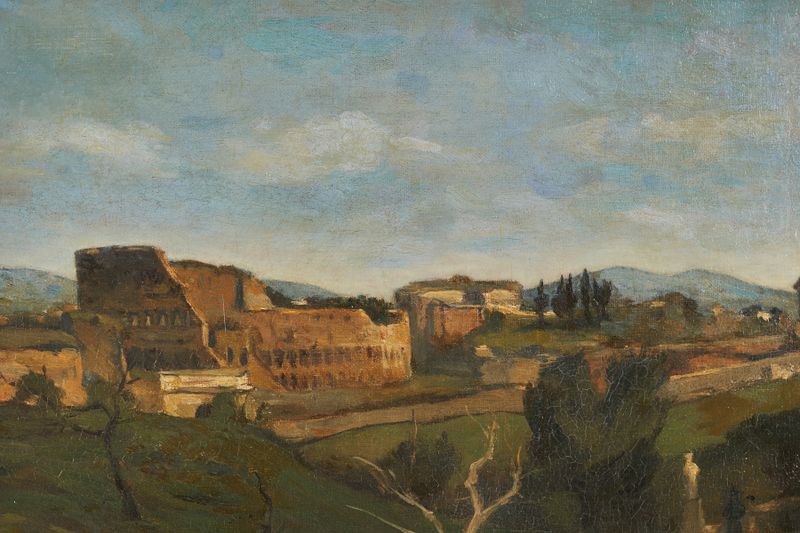
Le Colisée à Rome
Henri-Joseph Harpignies

Villefranche
Henri-Joseph Harpignies





