
Waldböschung mit Baumstamm — History & Facts
Did the painter know this moment would outlive them? In Waldböschung mit Baumstamm, the essence of nostalgia seeps through every brushstroke, capturing a fleeting, serene intimacy with nature. Focus on the foreground, where a sturdy tree trunk lies across soft earth, inviting the viewer to sit with it. The delicate play of light dances through the canopy above, creating dappled patterns that breathe life into the verdant foliage. In the distance, shades of green blend seamlessly with warm earth tones, creating a harmonious balance that draws the eye deeper into the scene.
The meticulous detailing—a skillful depiction of bark, the gentle sway of branches—reveals the artist's commitment to realism and invites reflection on the beauty of the natural world. Yet, beneath this tranquility lies a subtle tension; the fallen trunk speaks of decay and change, juxtaposed against the vibrancy of new growth. It suggests a passage of time, a moment frozen between life and stillness, resonating with our own experiences of loss and remembrance. Here, the forest is not merely a backdrop but a witness to the cycles of nature and human existence, urging viewers to ponder their connection to the world around them. In the mid-19th century, Johann Wilhelm Schirmer was immersed in the Romantic movement, painting in Germany during a time of great social and political change.
This piece, created between 1855 and 1860, reflects a growing fascination with nature and landscape as a means of expressing emotional depth. As the art world shifted, Schirmer's work stood as a testament to the beauty of the natural world, a legacy of a moment that transcends time.
More Artworks by Johann Wilhelm Schirmer
Browse all →
Waldlandschaft mit Blick auf Olevano und den Monte Cavo
Johann Wilhelm Schirmer
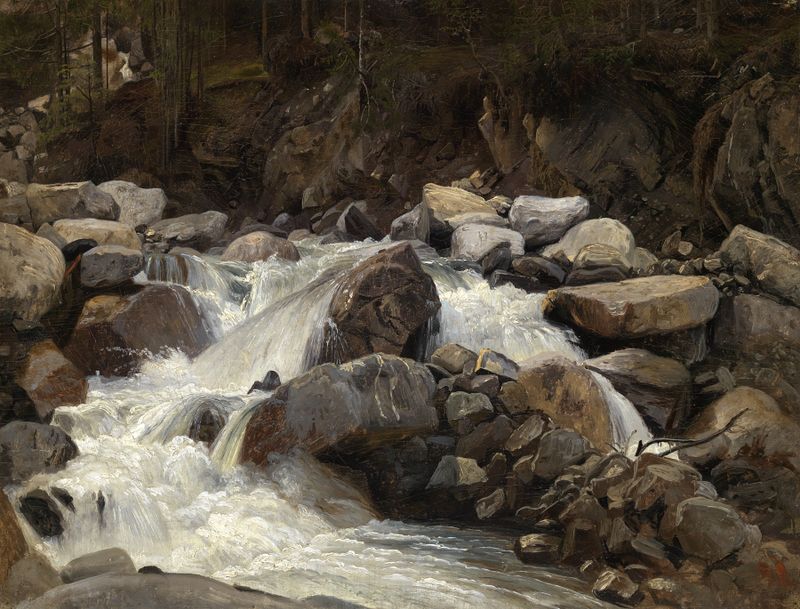
Schweizer Gebirgsbach
Johann Wilhelm Schirmer
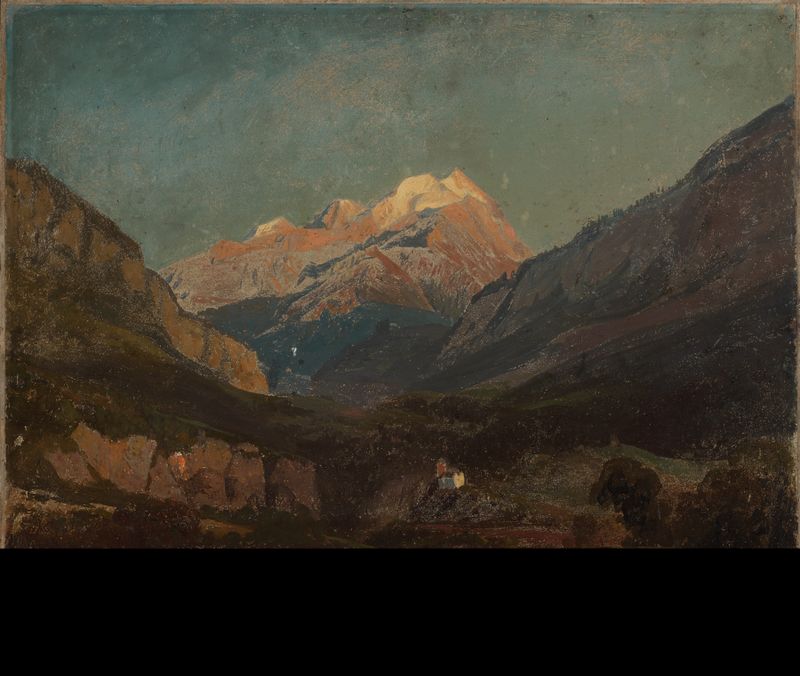
Schweizer Gebirgslandschaft mit Kapelle und fernem Schneegipfel
Johann Wilhelm Schirmer

Schweizer Gebirgslandschaft mit dem Piz Beverin im Hintergrund
Johann Wilhelm Schirmer

Waldinneres mit Hirschen am Wasser
Johann Wilhelm Schirmer

The Wetterhorn
Johann Wilhelm Schirmer

Partie aus der Römischen Campagna
Johann Wilhelm Schirmer

Felsabhang in der Schweiz
Johann Wilhelm Schirmer
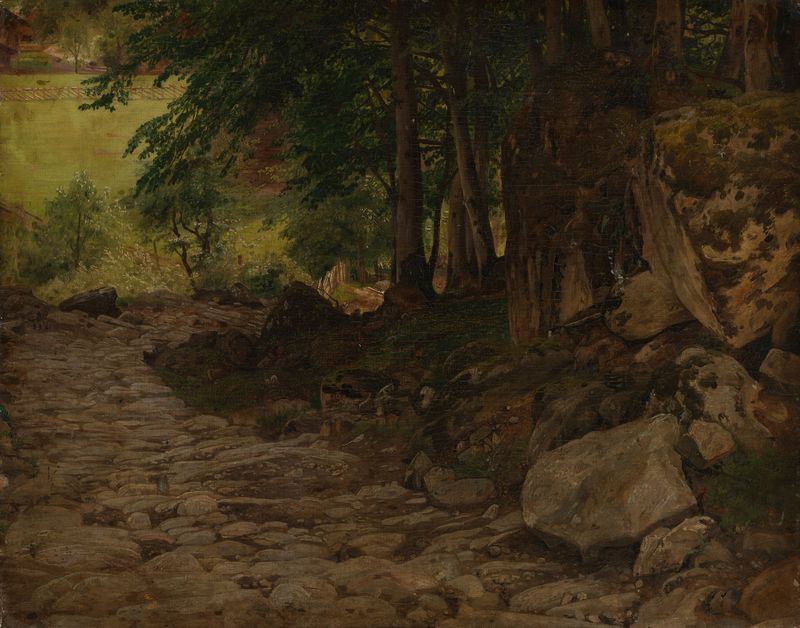
Felsweg in der Schweiz
Johann Wilhelm Schirmer
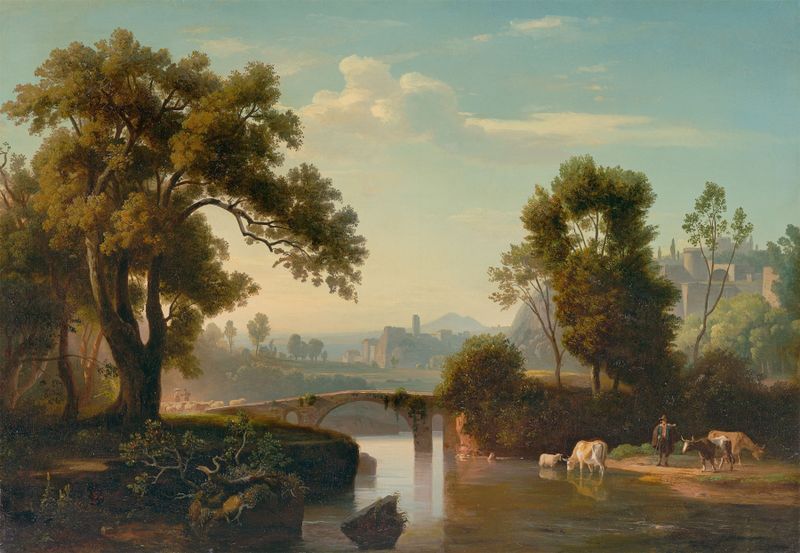
Italienische Landschaft mit Hirten
Johann Wilhelm Schirmer





