
Waldinneres — History & Facts
What secret hides in the quiet of the canvas? In Waldinneres, the stillness of nature whispers tales of madness, inviting us to peer deeper into the heart of its serene beauty. Look to the left, where the gentle play of dappled sunlight filters through the leaves, creating a tapestry of light and shadow on the forest floor. The lush greens of the foliage blend harmoniously with the earthy browns, while a solitary figure emerges from the undergrowth, drawing the viewer’s gaze. The brushwork is delicate yet deliberate, each stroke revealing the artist's reverence for nature and the intricate dance between tranquility and chaos. Delve further into the painting, and you uncover a tension that simmers just below the surface.
The serene landscape juxtaposes the figure's haunting isolation, suggesting a confrontation with one's inner turmoil. The almost dreamlike quality of the scene hints at psychological undercurrents, as if the beauty of the forest conceals a darker narrative lurking just beyond the view. This complexity invites reflection on the thin veil separating serenity from madness, hinting at the artist’s own struggles with perception and reality. Created in 1861, Diaz de La Peña worked on this piece during a period when the Barbizon School was redefining landscape painting, focusing on naturalism and emotional expression.
As he painted in France, the art world was transitioning from Romanticism to a more intimate connection with nature, mirroring the artist's own journey through personal and artistic exploration.
More Artworks by Narcisse-Virgile Diaz de La Peña
Browse all →
Forest Scene
Narcisse-Virgile Diaz de La Peña
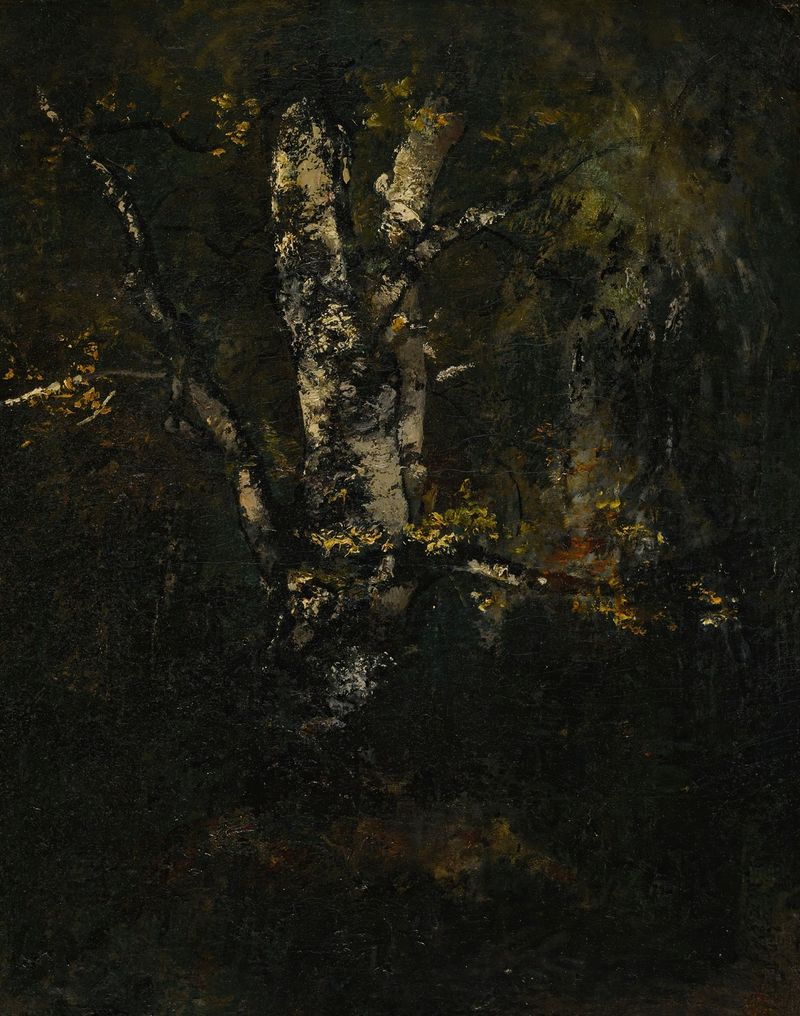
Vieux Troncs De Hêtres
Narcisse-Virgile Diaz de La Peña
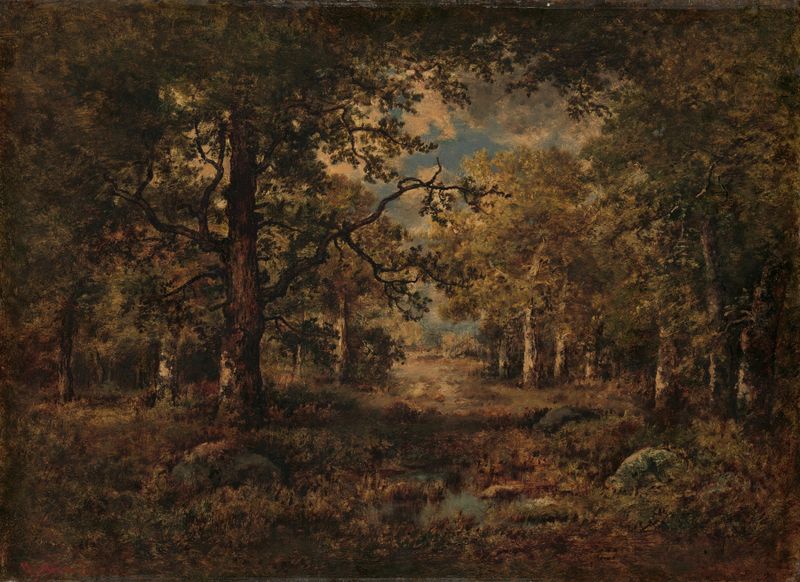
A Vista through Trees; Fontainebleau
Narcisse-Virgile Diaz de La Peña
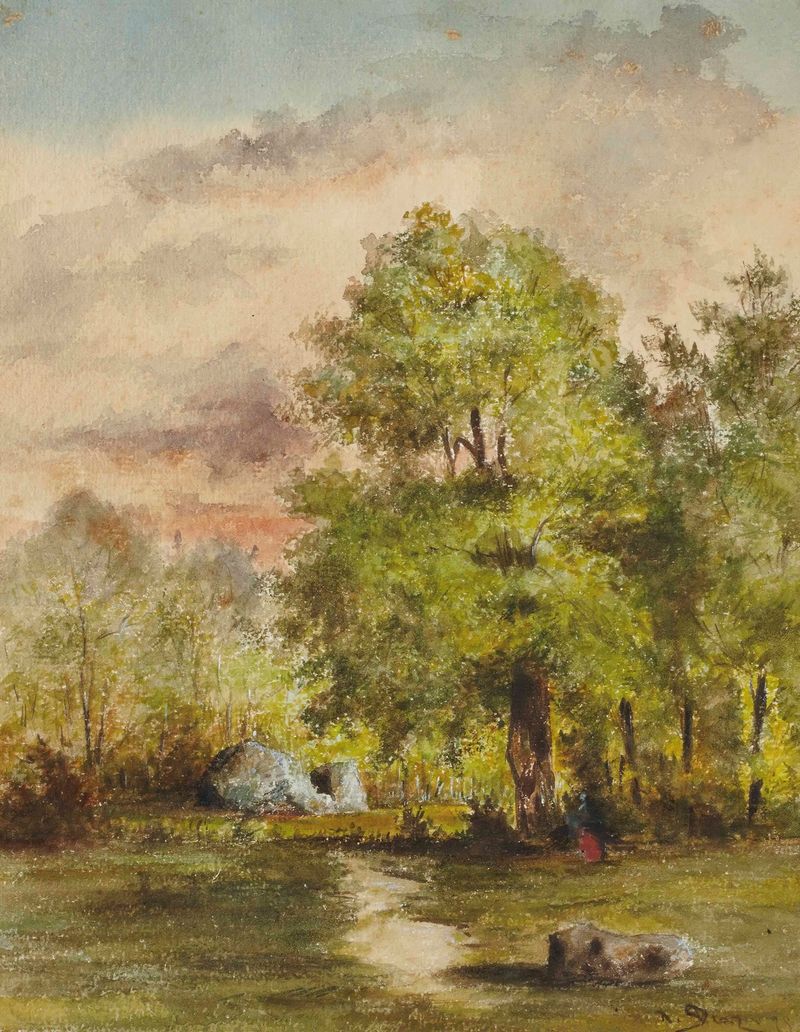
Vue d’une clairière
Narcisse-Virgile Diaz de La Peña

Pond in the Woods
Narcisse-Virgile Diaz de La Peña
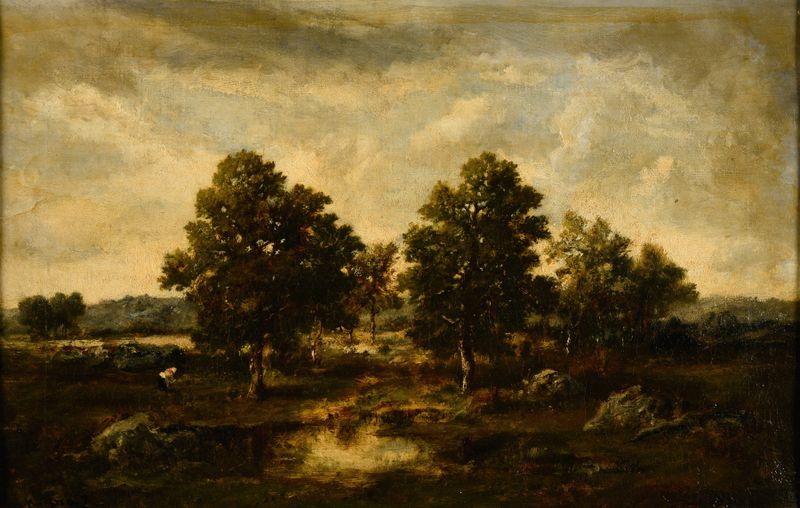
Mare dans une lande
Narcisse-Virgile Diaz de La Peña
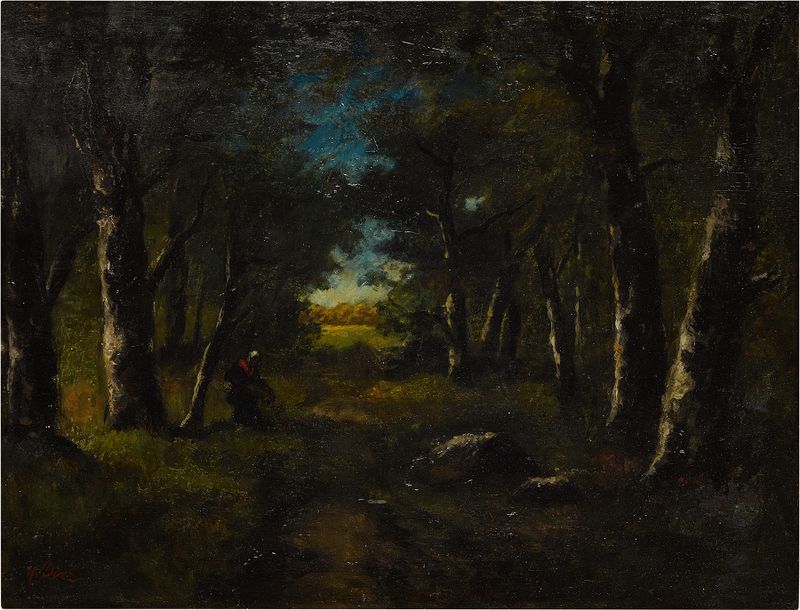
Foraging in the Forest
Narcisse-Virgile Diaz de La Peña
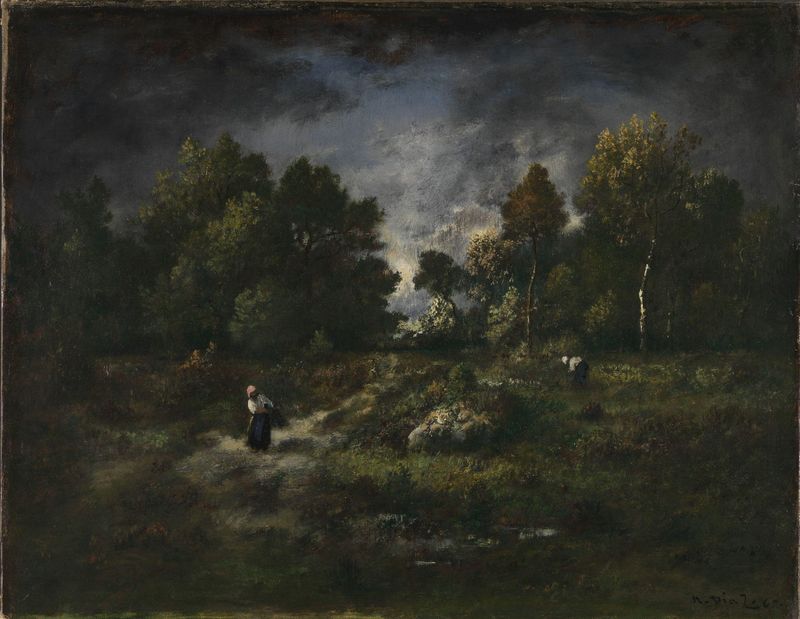
Faggot Gatherers in a Wooden Landscape
Narcisse-Virgile Diaz de La Peña
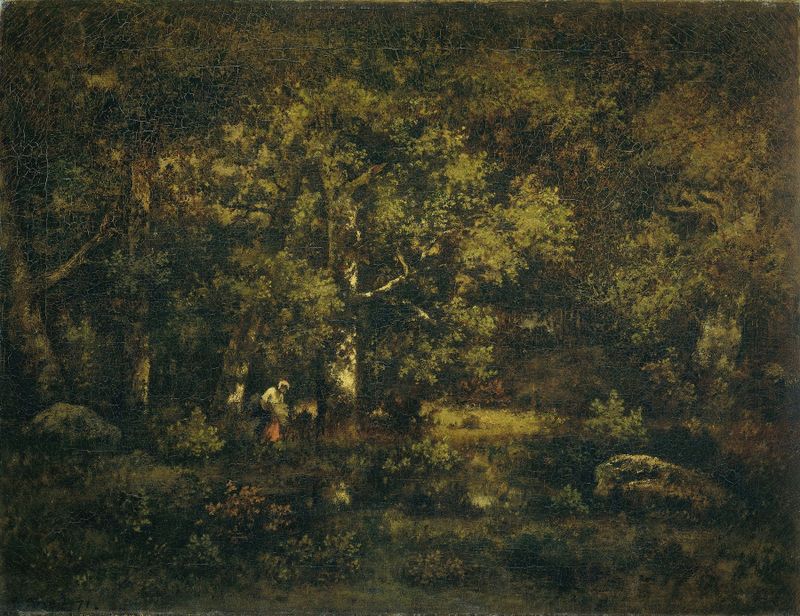
The Forest of Fontainebleau
Narcisse-Virgile Diaz de La Peña

Sous-bois
Narcisse-Virgile Diaz de La Peña





