
Wandelend paar met havik — History & Facts
In the quietude of a moment captured in time, the essence of awe unfurls through the eyes of the beholder. The delicate interplay of humanity and nature invites us to ponder the layers of existence, urging contemplation beyond the surface. Look to the left at the couple, their postures conveying a sense of intimacy and reverence. The man, cloaked in rich fabrics, holds a hawk on his gloved hand, its feathers catching the soft light that filters through a canopy of trees.
Notice how the colors are interwoven—the earth tones of their attire harmonizing with the verdant greens surrounding them. The composition is balanced, drawing the eye to the hawk as a symbol of nobility and connection to the natural world, while the intricate details of the couple’s faces reveal a gentle curiosity. Within this piece, contrasts pulse with significance. The hawk, a creature of the skies, represents freedom and power, while the couple embodies groundedness and human devotion.
Their engagement with the bird hints at a dialogue between the wild and the tame, the untamed spirit of nature and the warmth of human companionship. The serene backdrop enhances the emotional depth, elevating the moment to something transcendent—a brief intersection of life’s complexities. In this period around 1505 to 1509, the artist was immersed in the thriving environment of Renaissance art in the Netherlands, where he sought to master both detail and storytelling. With a burgeoning reputation, he engaged deeply with themes of nature, humanity, and morality, reflecting the zeitgeist of an era that revered both scientific inquiry and spiritual exploration.
The painting stands as a testament to his technical prowess and philosophical depth, resonating with viewers centuries later.
More Artworks by Lucas van Leyden
Browse all →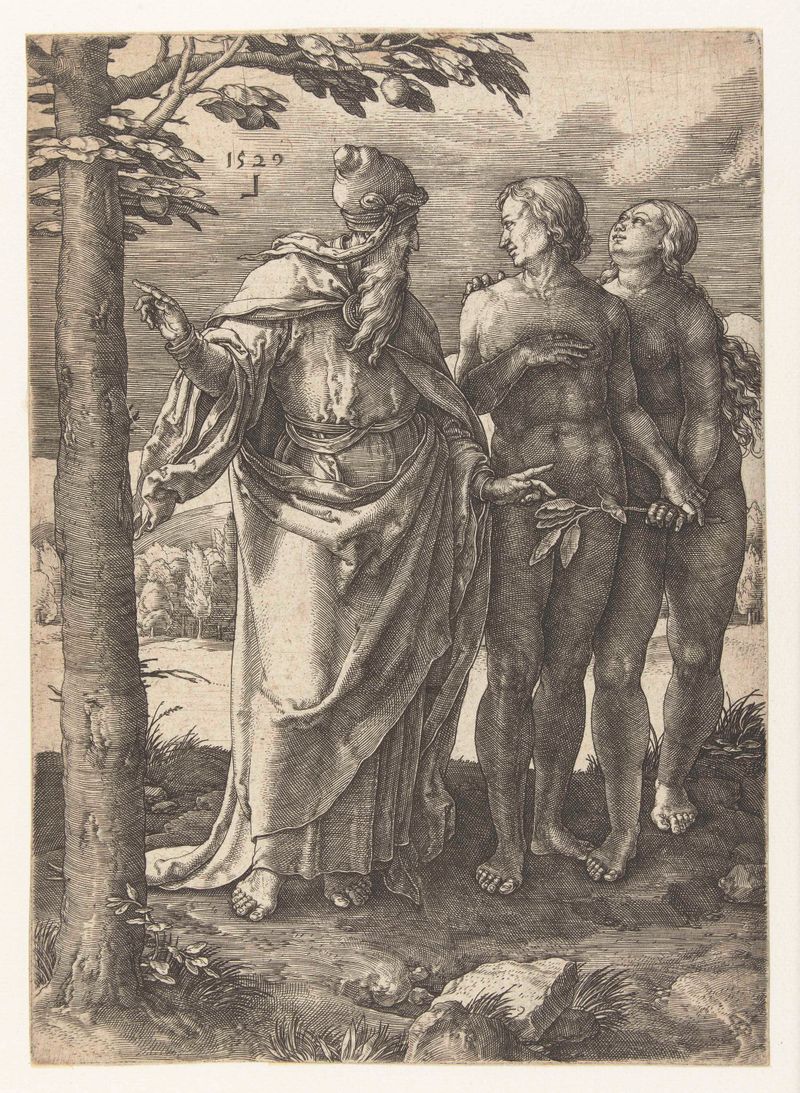
Het eerste verbod
Lucas van Leyden
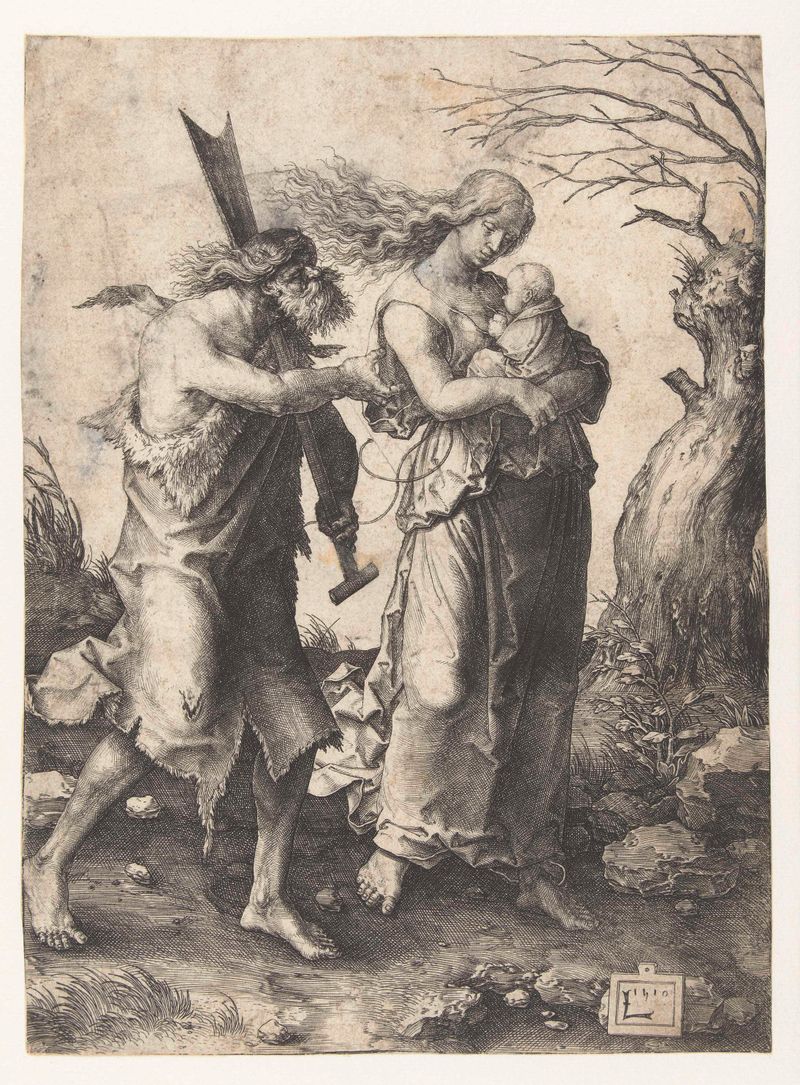
Adam en Eva na de verdrijving uit het paradijs
Lucas van Leyden
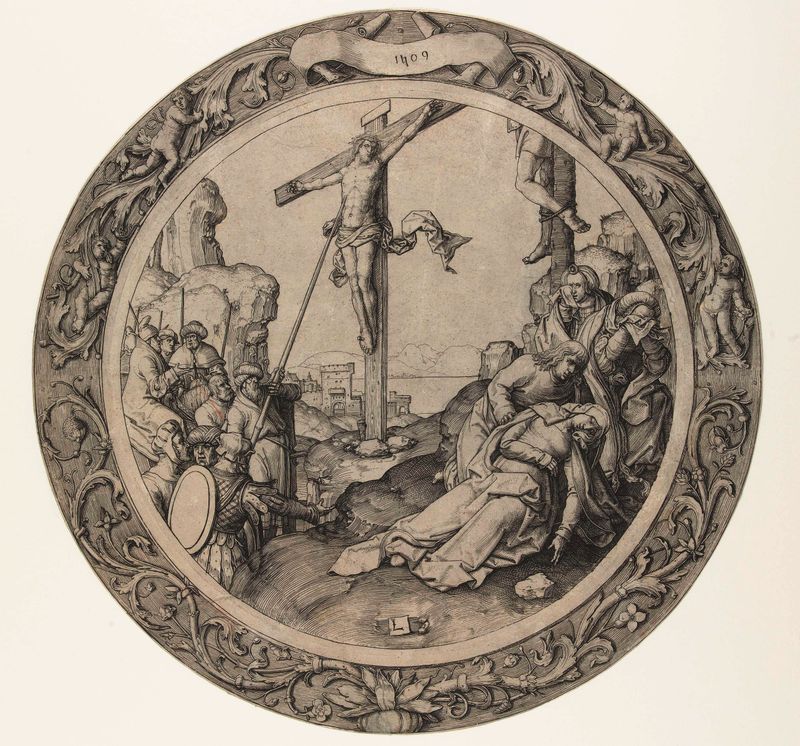
De kruisiging
Lucas van Leyden
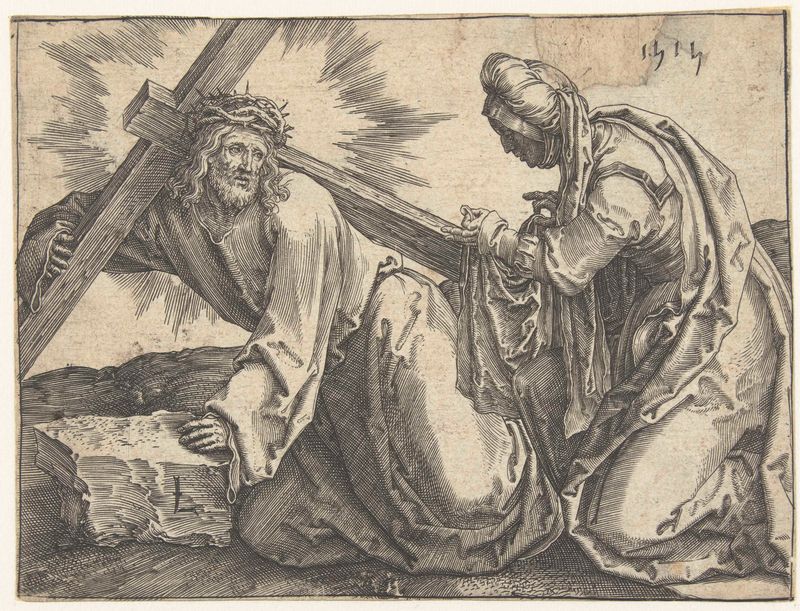
Kruisdraging
Lucas van Leyden
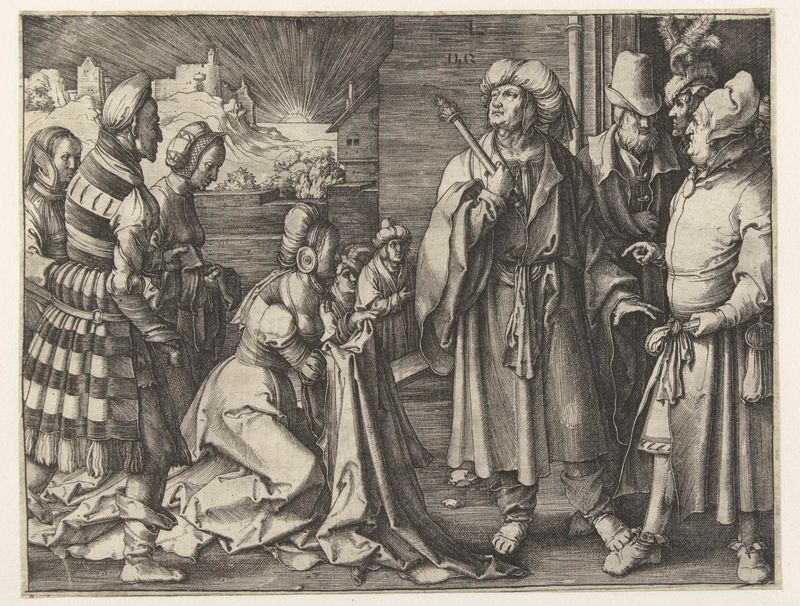
De vrouw van Potifar beschuldigt Jozef
Lucas van Leyden
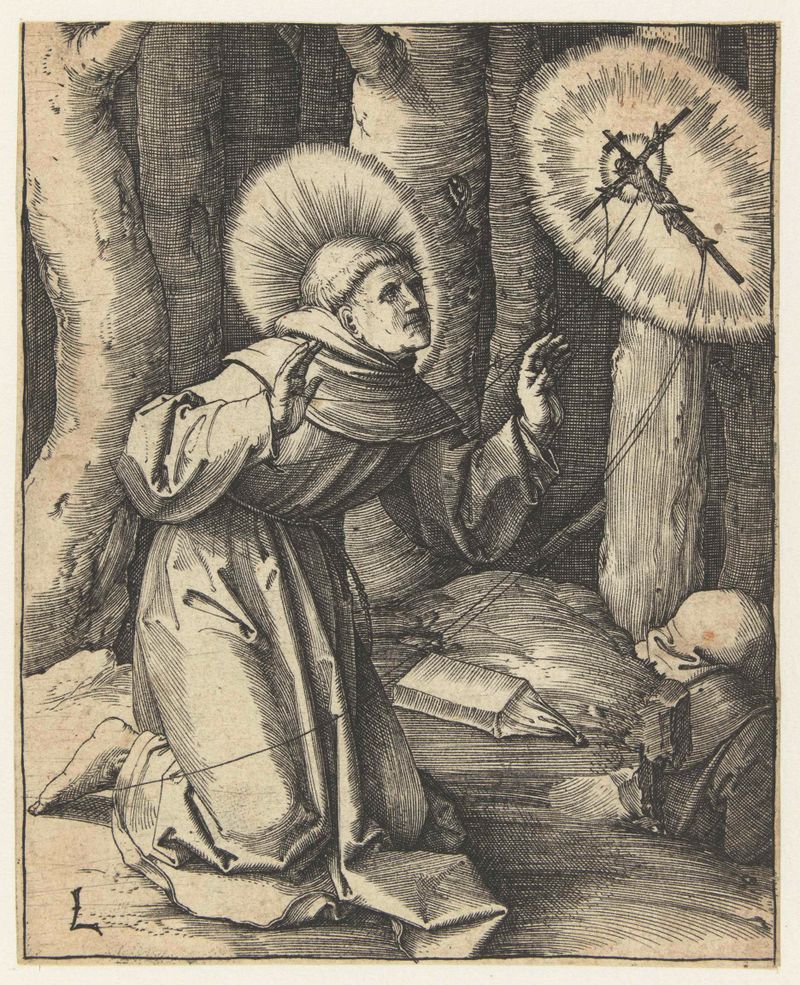
De stigmatisatie van de heilige Franciscus
Lucas van Leyden
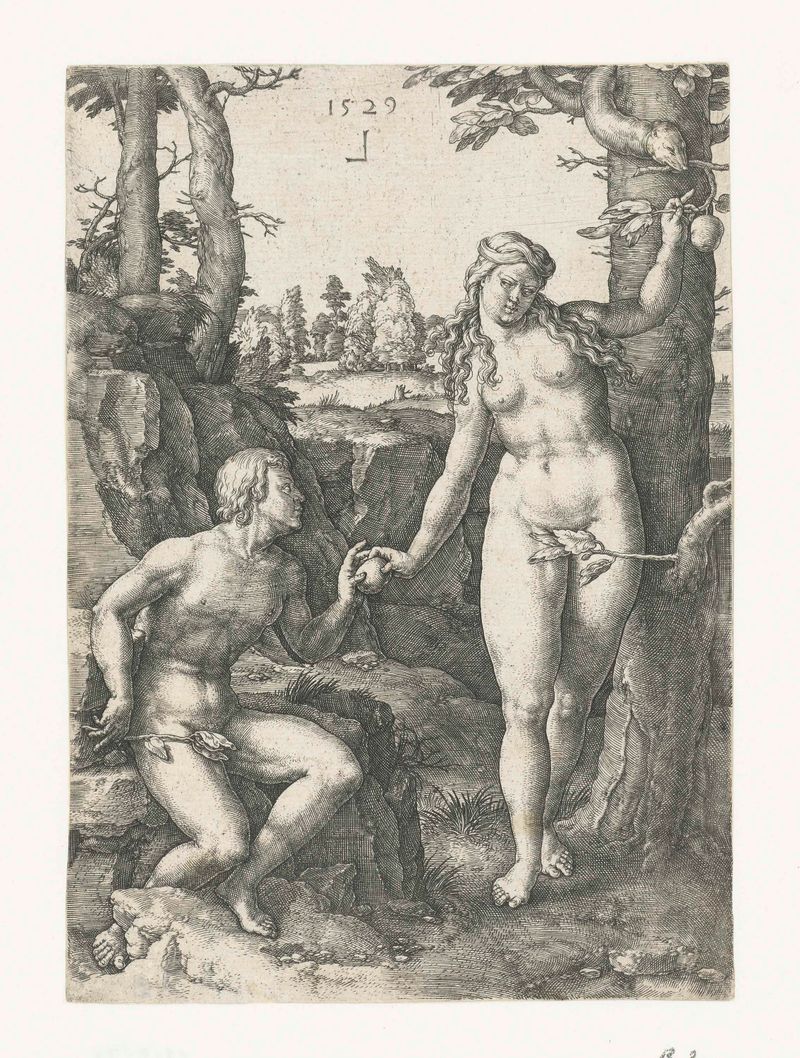
De zondeval
Lucas van Leyden
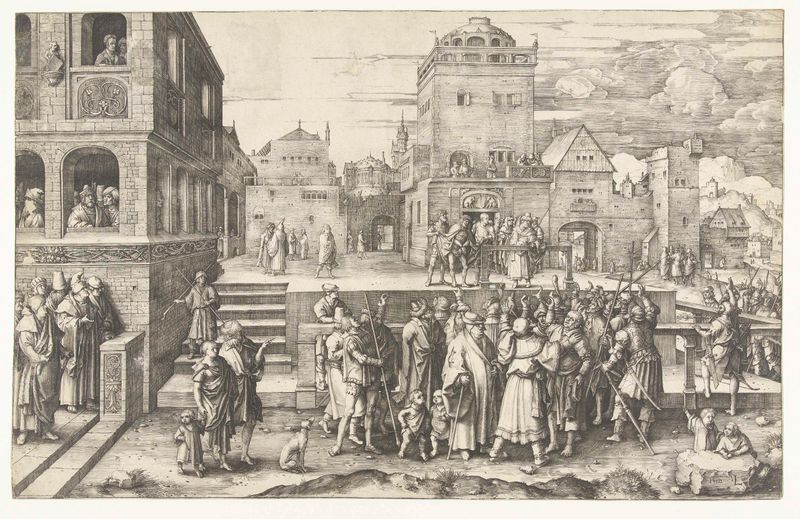
De grote Ecce Homo
Lucas van Leyden
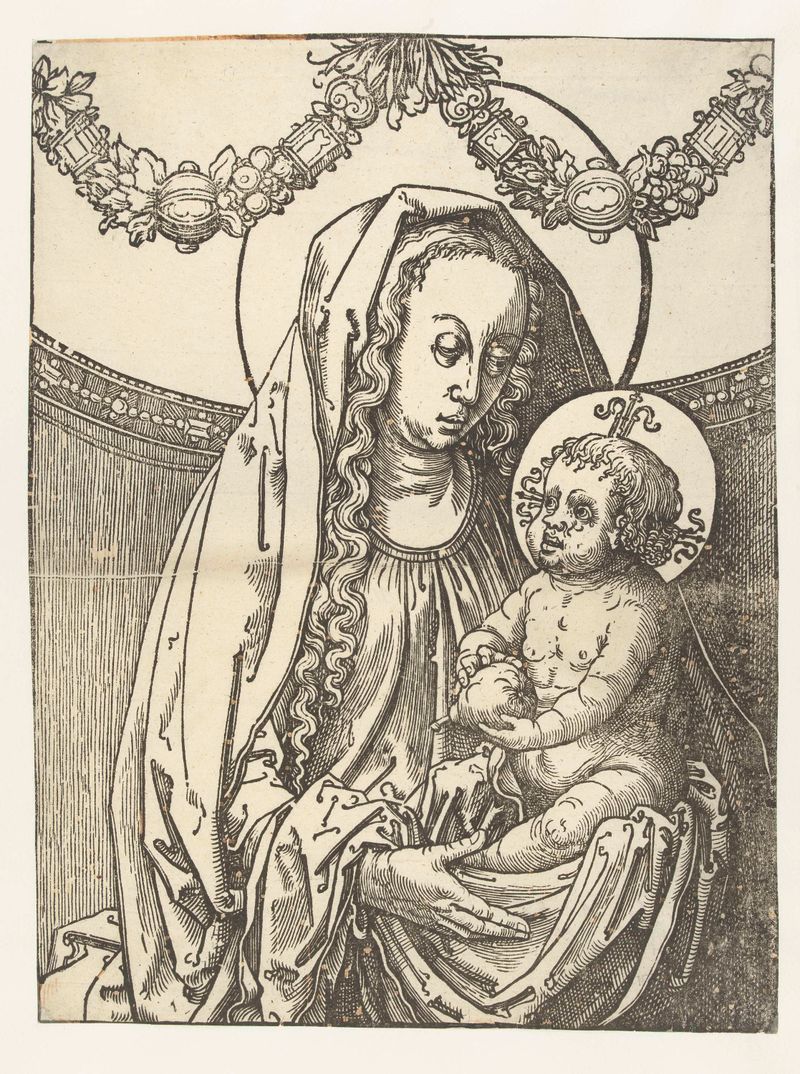
Maria met kind
Lucas van Leyden

Doornenkroning
Lucas van Leyden





