
Warteck (Wyken) — History & Facts
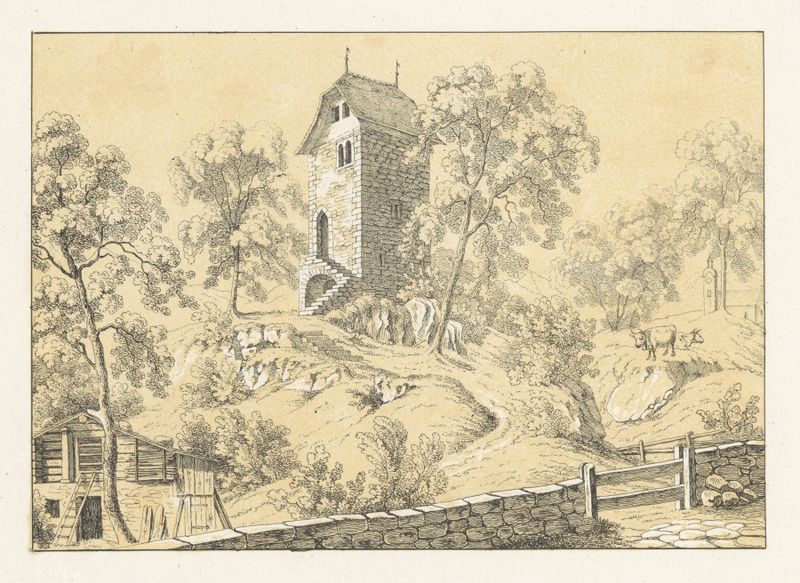
Can beauty exist without sorrow? In the world of art, the answer often lies in the delicate balance between the two, as captured in this evocative piece. Look first at the somber palette that envelops the canvas, where muted earth tones blend seamlessly into the cool shadows. The viewer's gaze is naturally drawn to the central figure, poised with a sense of introspection, framed by the stark contrast of the surrounding landscape. Notice how the light softly caresses the contours of the figure, illuminating the face yet leaving the rest obscured; this interplay of light and dark serves to heighten the emotional weight of the scene. Dig deeper, and the work unveils layers of meaning that speak to the tension of an era marked by revolution.
The figure, though solitary, symbolizes both resilience and vulnerability—a reminder that beauty often arises from struggle. The encroaching landscape is not merely a backdrop but a reflection of societal upheaval, suggesting that the beauty before us is imbued with an underlying sorrow, a yearning for transformation amidst chaos. Created between 1840 and 1844, this work emerged during a transformative period for Johann Friedrich Wagner, who was navigating personal and artistic evolution. Living in a time of political unrest and cultural shifts in Germany, Wagner’s art was influenced by the burgeoning Romantic movement, which sought to capture deep emotional experiences.
In Warteck (Wyken), he melded these revolutionary sentiments with a poignant aesthetic, creating a piece that resonates with the complexities of beauty intertwined with sorrow.
More Artworks by Johann Friedrich Wagner
Browse all →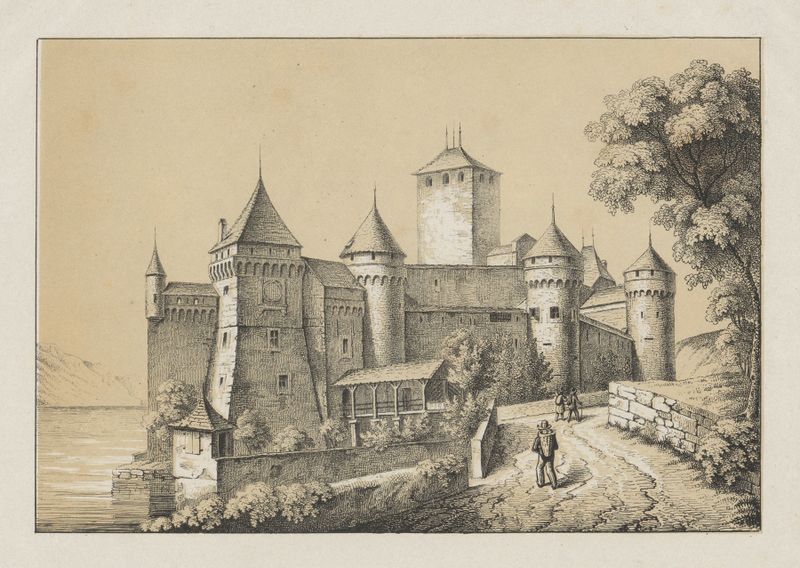
Chillon
Johann Friedrich Wagner

Valangin
Johann Friedrich Wagner
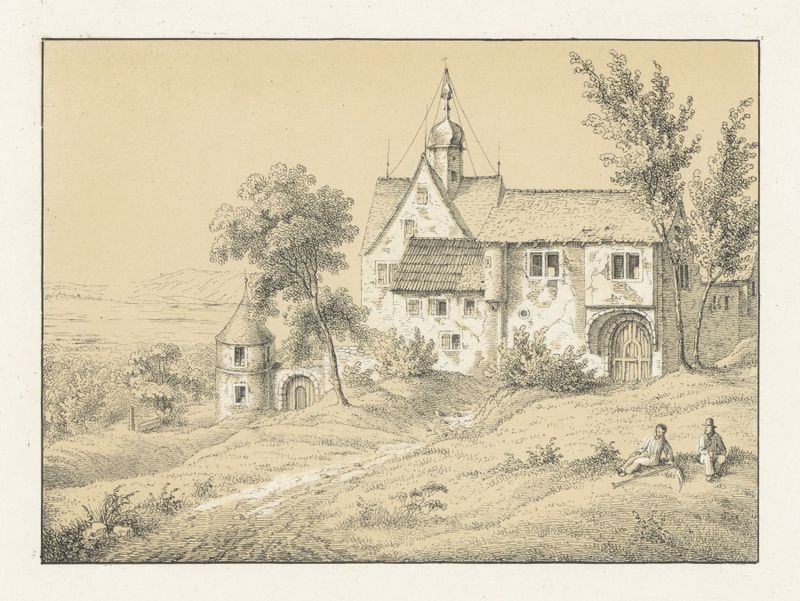
Greifenstein
Johann Friedrich Wagner

Vorburg
Johann Friedrich Wagner
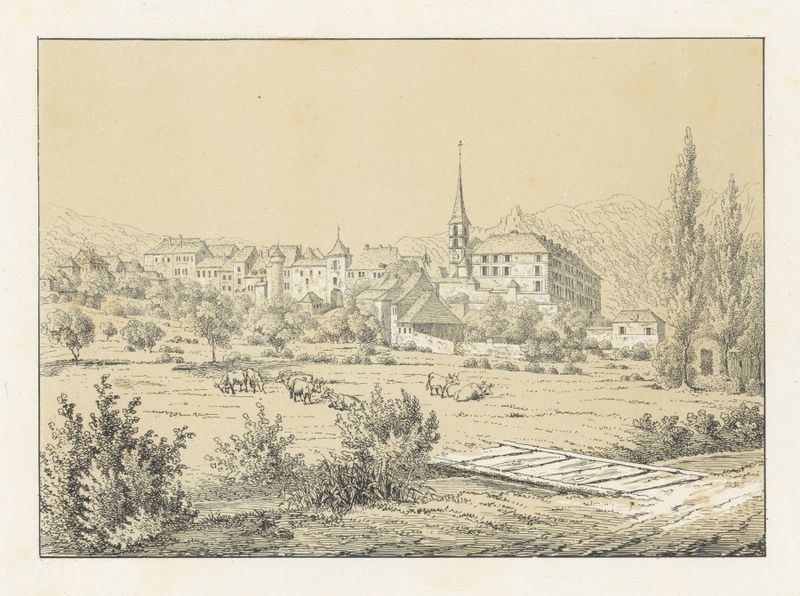
Delémont
Johann Friedrich Wagner

Pleujouse
Johann Friedrich Wagner

Challay
Johann Friedrich Wagner
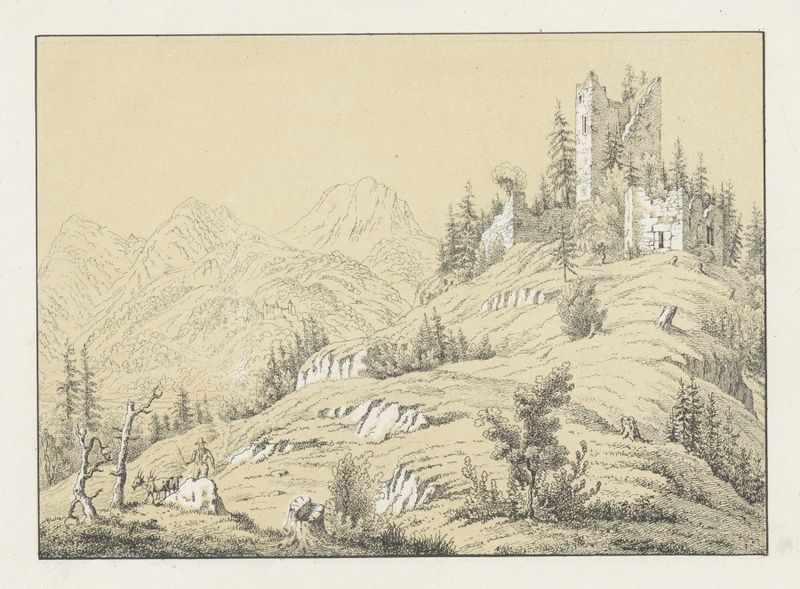
Mont Salvant
Johann Friedrich Wagner
Aha. Od. Untere Burg von Sarnen
Johann Friedrich Wagner
Lausanne
Johann Friedrich Wagner





