
Wash Day — History & Facts
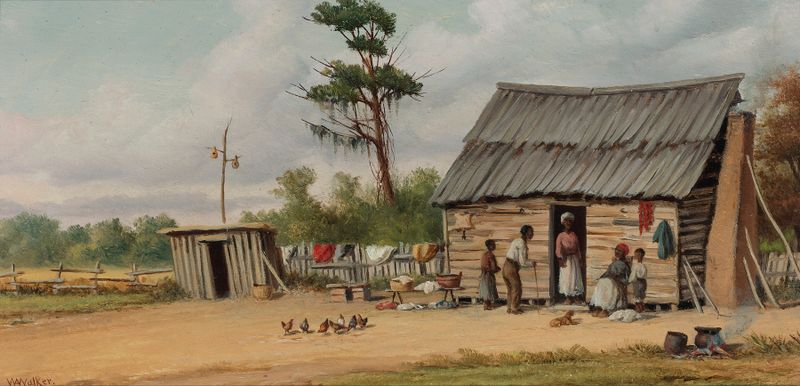
In Wash Day, the mundane act of laundry becomes a transcendental experience, inviting us to reflect on the lives behind the fabric and the stories woven into each piece. Look to the left at the figures bent over their tasks, their bodies gracefully embodying the rhythm of labor. Notice how the sunlight filters through, casting soft shadows that dance across the ground, illuminating the vibrant colors of the washed garments. The juxtaposition of the light and the figures creates a harmonious balance between toil and the beauty of everyday life, drawing our gaze across the canvas as if we are part of this serene routine. Deeper meanings unfold as we consider the sense of community captured in the scene.
The women, engaged in conversation, foster connection amid their labor—suggesting that through shared tasks, a bond is formed. The contrast between their humble work and the brilliance of the colors surrounding them speaks to the dignity found in simple actions. This painting challenges viewers to transcend the ordinary, elevating the act of washing clothes to a celebration of life and resilience. The artist created this piece during a time when American art was evolving, influenced by the impressionist movement.
William Aiken Walker painted Wash Day in the late 19th century, a period marked by industrial change and urban migration. His focus on everyday life, particularly the experiences of African American laborers in the South, reflects broader societal themes and his own commitment to documenting the human spirit through art.
More Artworks by William Aiken Walker
Browse all →
A South Carolina Cabin
William Aiken Walker

Louisiana Cabin Scene
William Aiken Walker
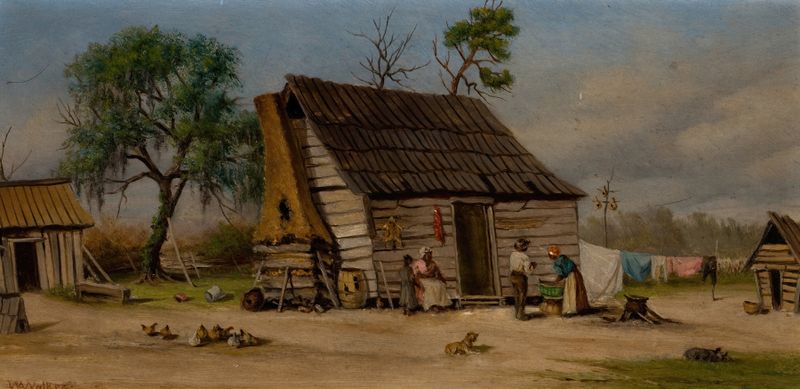
Cabin Scene
William Aiken Walker

Cabin Scene
William Aiken Walker

Cabin Scene, Wash Day
William Aiken Walker

Sharecroppers Gathering in the Yard
William Aiken Walker
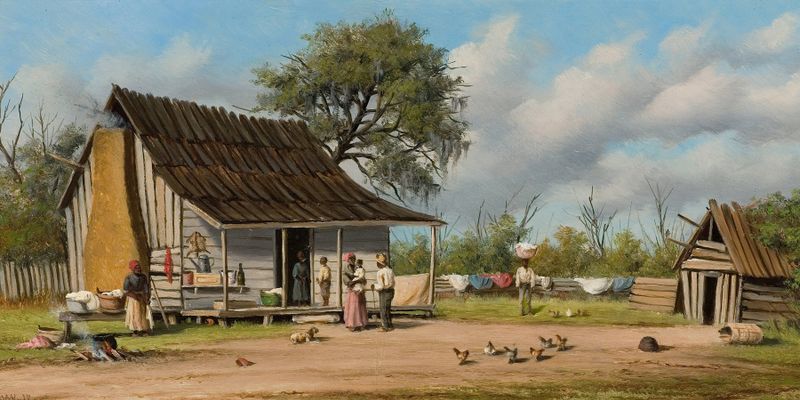
Cabin Scene
William Aiken Walker
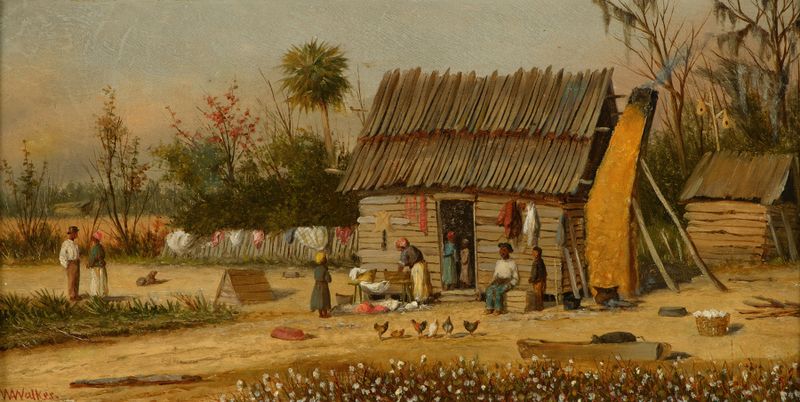
Wash Day
William Aiken Walker
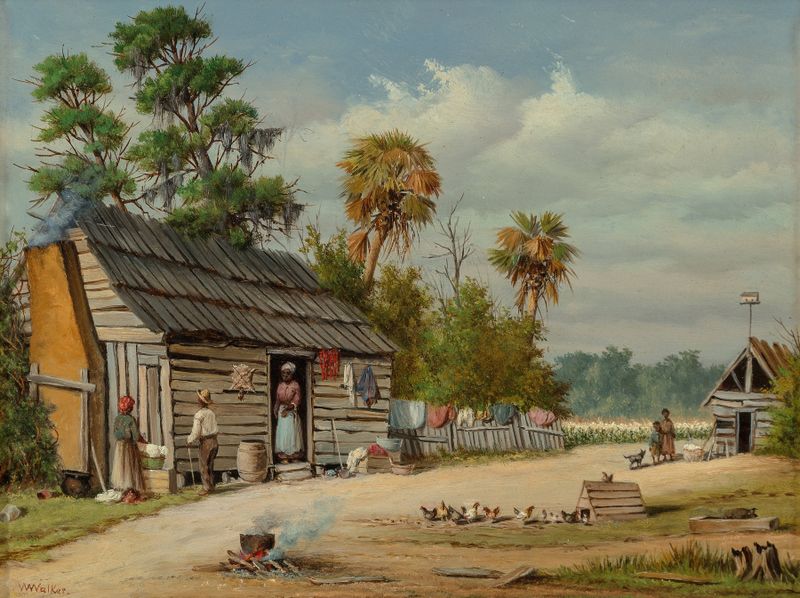
Cabin
William Aiken Walker
The Old Cabin
William Aiken Walker





