
Washerwomen on the Banks of the Durance — History & Facts
Did the painter know this moment would outlive them? In Washerwomen on the Banks of the Durance, Gauguin freezes a transient slice of life, whispering a silent legacy into the canvas. Look to the left at the women, their hands immersed in water, creating ripples that shimmer like the sun-dappled surface itself. The vibrant blues of the river contrast with the earthy tones of their clothing, guiding your gaze across the scene. Notice how the light dances upon their figures, revealing the subtle play of shadow and color, while the soft foliage frames the action, grounding the moment in a natural setting.
Each gesture, from the stretch of a back to the dip of a cloth, is imbued with an intimacy that invites you to ponder their stories. Yet beneath the surface lies a deeper narrative—these washerwomen symbolize resilience in a world often unkind to the laboring class. Their unity speaks of shared burdens, transformed into a meditative choreography of daily toil. The tranquil river, a lifeline and a witness, reflects the duality of their existence; a serene setting belies the struggle of their work and life.
The juxtaposition of vibrant colors against the somber task at hand connects the viewer to a deeper understanding of human perseverance. In 1866, Gauguin painted this piece in France, a time when the art scene was shifting toward Impressionism. He was heavily influenced by the depictions of daily life and the emotive power of color. Just a few years into his artistic development, he was forming connections with fellow artists, navigating a world that sought to capture moments beyond mere representation, ultimately striving to leave behind a legacy that resonates through time.
More Artworks by Paul Gauguin
Browse all →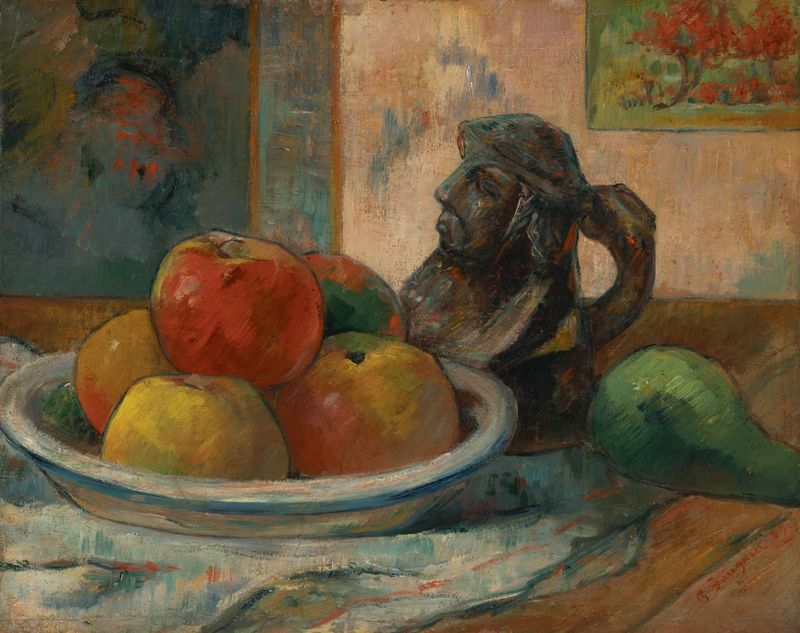
Still Life with Apples, a Pear, and a Ceramic Portrait Jug
Paul Gauguin
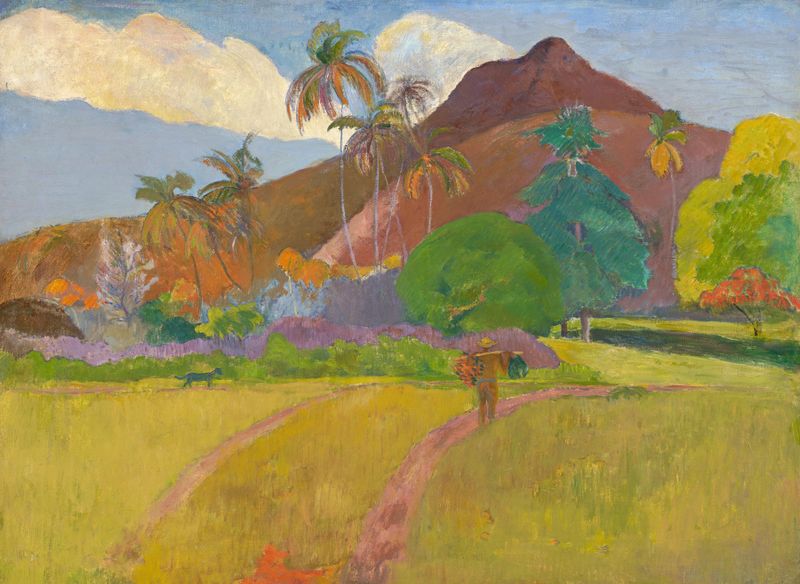
Tahitian Landscape
Paul Gauguin

Landscape near Pont-Aven
Paul Gauguin

No te aha oe riri (Why Are You Angry?)
Paul Gauguin
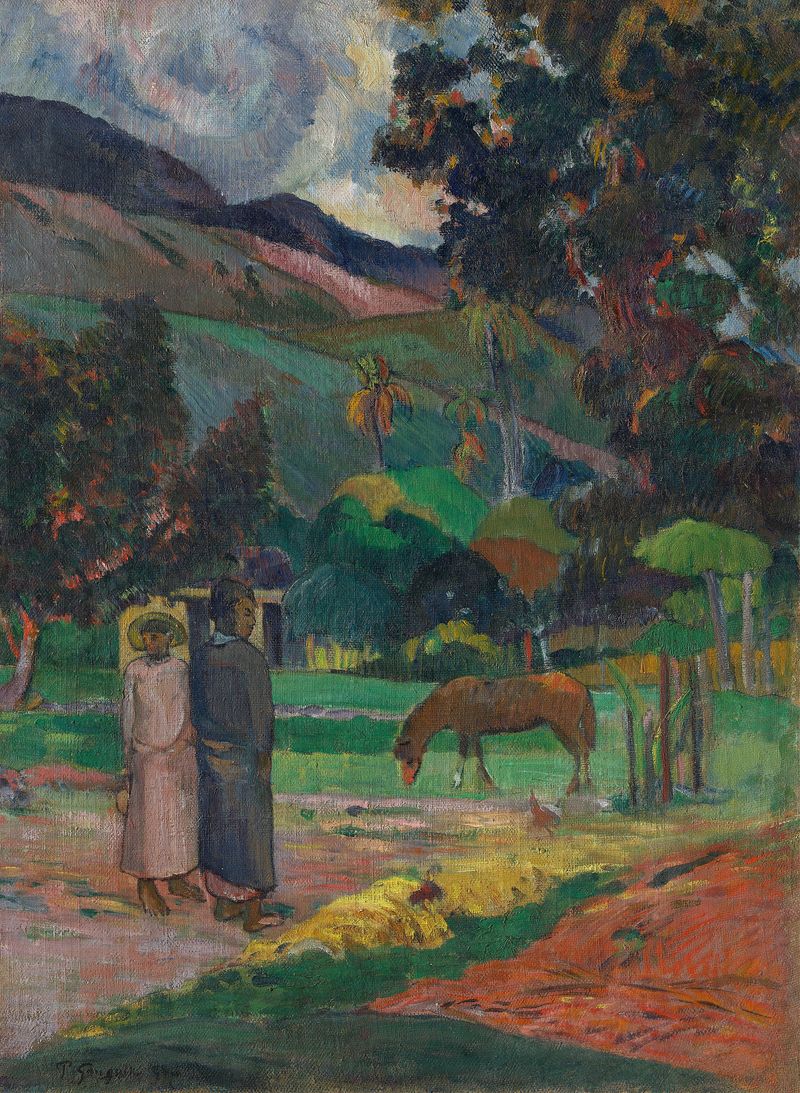
Tahitian Landscape
Paul Gauguin
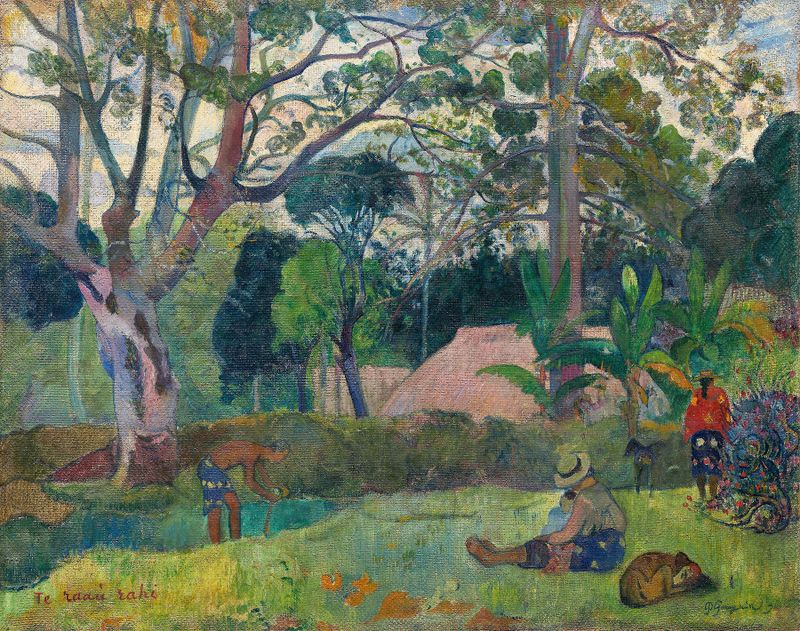
Te raau rahi (The Big Tree)
Paul Gauguin

Landscape at Le Pouldu
Paul Gauguin

Landscape of Brittany
Paul Gauguin

Poèmes Barbares
Paul Gauguin
Mahana no atua (Day of the God)
Paul Gauguin





