Wasserfall, über den eine Brücke führt, im Vordergrund zwei Fischer in einem Boot — History & Analysis
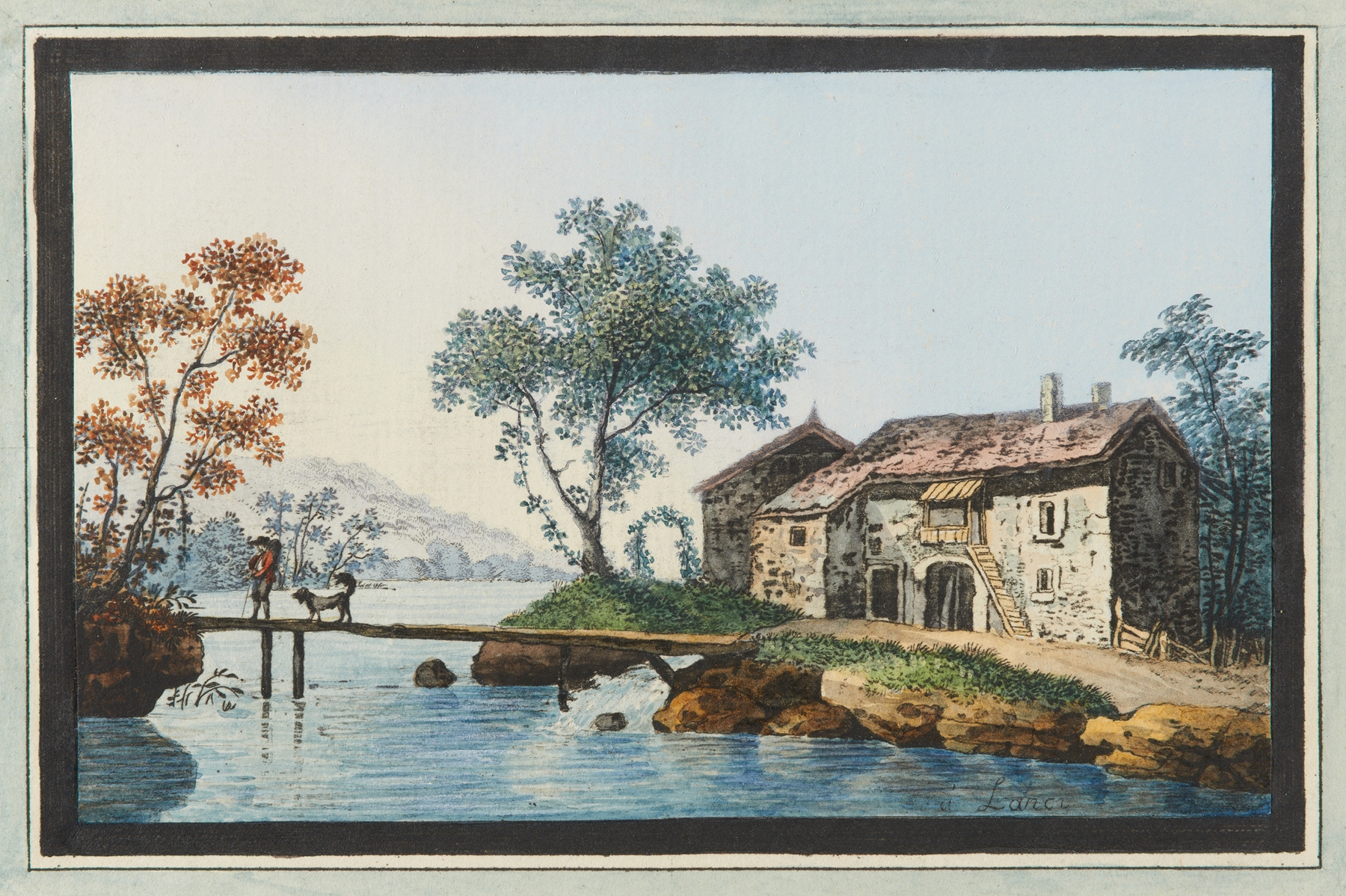
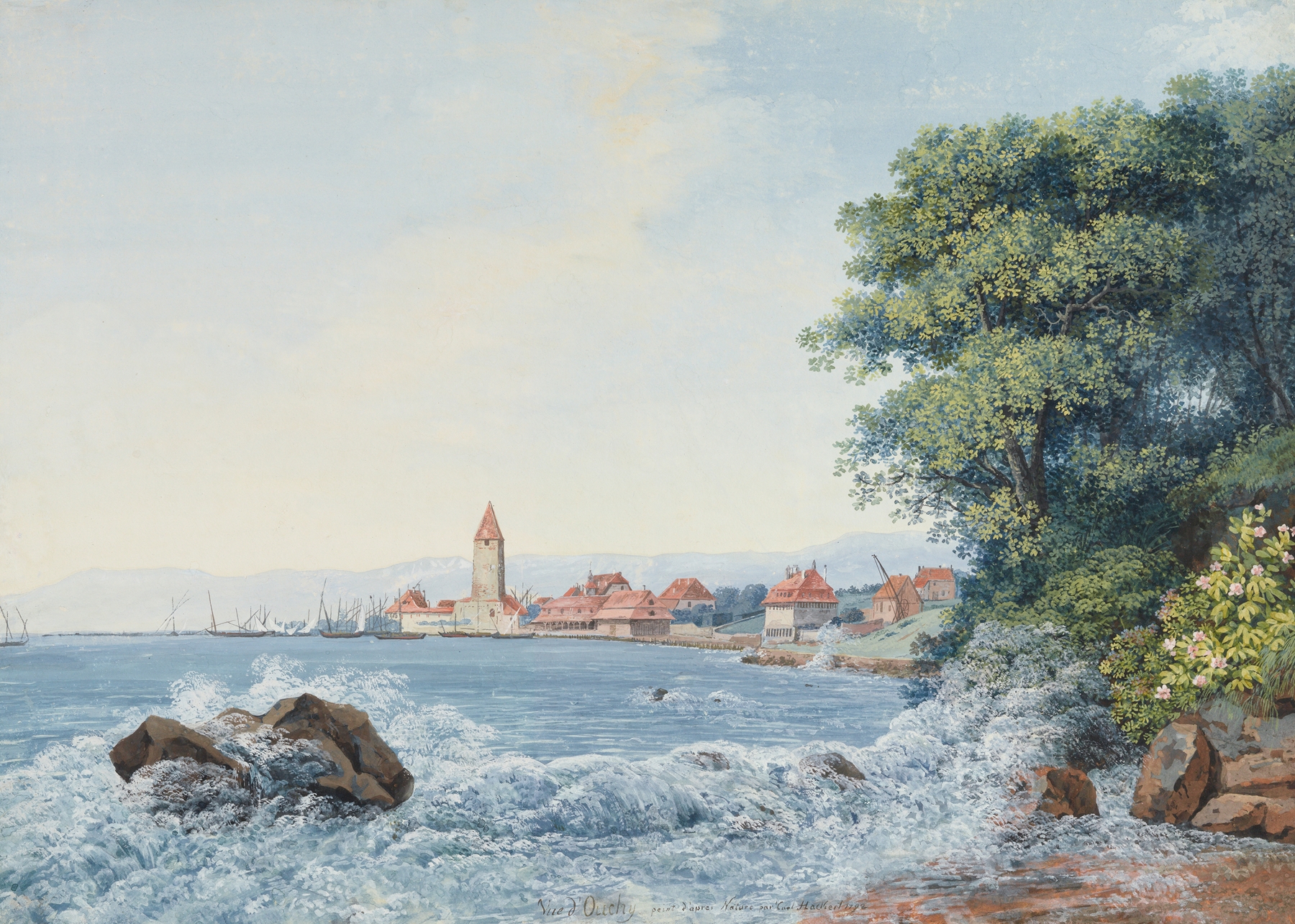
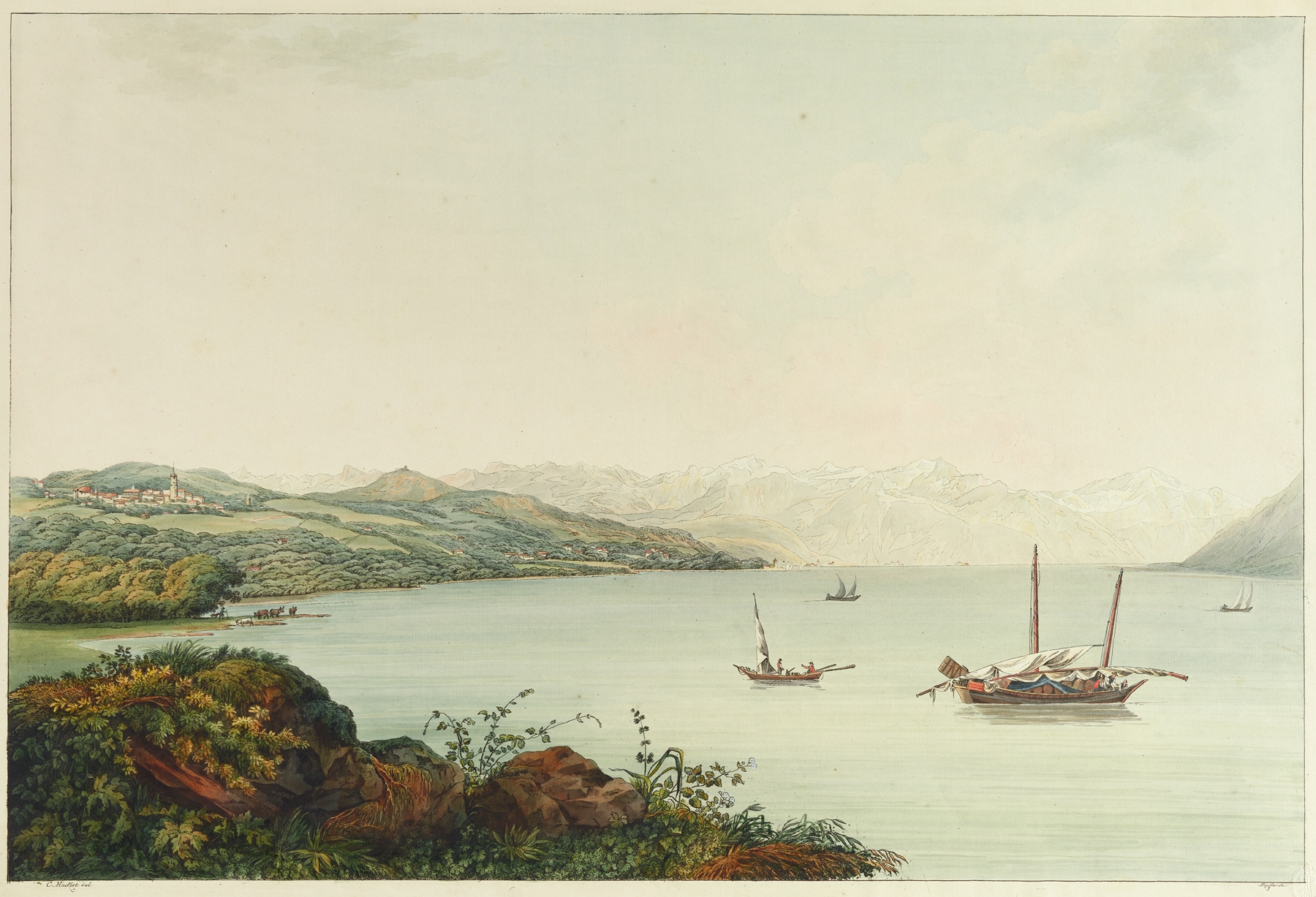
What secret hides in the quiet of the canvas? Beneath the tranquil surface of water and sky, an ecstasy of life unravels, inviting the viewer to delve deeper into its serene embrace. Look to the foreground, where two fishermen sit poised in their boat, their figures gently silhouetted against the shimmering water. Notice how the light dances upon the surface, capturing the moment in a delicate balance of reflection and absorption. The bridge in the background arcs gracefully over a cascading waterfall, its sculptural form drawn with precise lines that contrast with the fluidity of the water below.
The cool blues and greens dominate the palette, suggesting a peaceful haven while hinting at untold stories that swirl beneath the surface. Yet, beneath the calm, a tension simmers. The fishermen, seemingly absorbed in their task, embody a quiet determination that contradicts the gentle serenity around them. The waterfall, both a powerful force and a soft lullaby, represents the duality of nature—its beauty intertwined with the chaos of life.
The painter’s careful attention to detail reveals the intricacies of the natural world, urging viewers to acknowledge the coexistence of tranquility and tumult. In 1772, while creating this work, Hackert was living in Italy, where he was influenced by the lush landscapes and picturesque scenes of the region. The art world was beginning to shift towards Romanticism, prompting artists to explore emotion and nature more deeply. This painting stands as a testament to that evolution, merging the sublime beauty of the Italian countryside with the quiet contemplation of human life within it.