
Wasserfall im Hochgebirge — History & Facts
The canvas doesn’t lie — it simply waits. In Wasserfall im Hochgebirge, a breathtaking revelation unfurls, where nature’s majesty is rendered in exquisite detail, inviting contemplation and serenity. Look to the left at the cascading waterfall, its gushing waters captured mid-flow, shimmering with hints of cerulean and silver. Notice how the artist employs a delicate balance of soft brushstrokes and sharp detailing, creating a harmonious blend of realism and romanticism.
The rocky foreground anchors the composition, while lush greenery and distant peaks frame the scene, allowing the viewer's gaze to travel from the roaring water to the tranquil sky. Beneath the surface of this idyllic landscape, emotional tensions arise. The relentless waterfall symbolizes the passage of time and the inevitability of change, contrasting sharply with the eternal, unyielding mountains. The interplay of light and shadow evokes a sense of fleeting transience, yet the vibrant colors suggest life’s resilience.
This duality speaks to the viewer about nature’s power and the quiet introspection it inspires, hinting at the deeper mysteries that lie beyond the visible. In 1833, when this masterpiece was painted, Adalbert Stifter was a prominent figure in the burgeoning Romantic movement within Austrian art. Settled in his native Bohemia, he was deeply inspired by the natural landscapes around him, reflecting the artistic shift towards celebrating nature's beauty and complexity. This painting emerges from a time of cultural awakening, where artists began to explore inner emotions and the sublime qualities of the world around them, marking a pivotal moment in his artistic journey.
More Artworks by Adalbert Stifter
Browse all →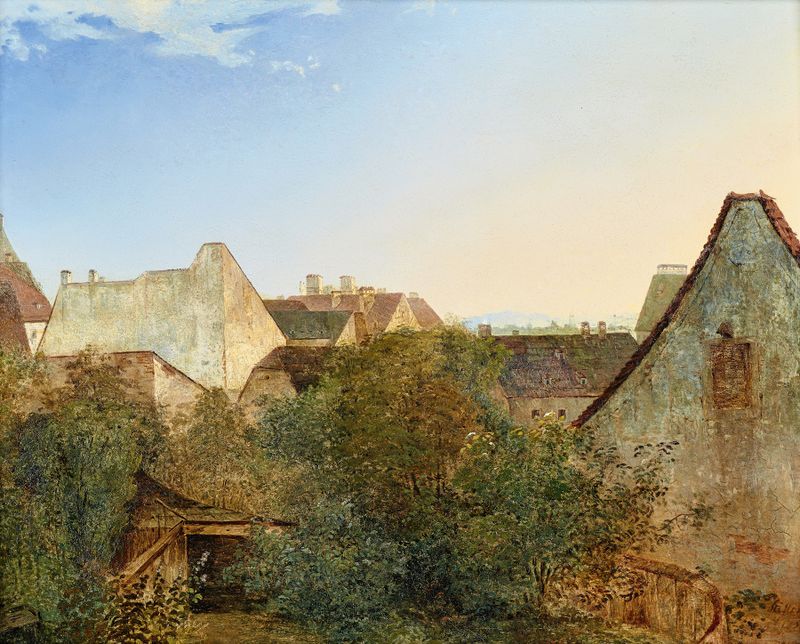
Blick über Wiener Vorstadthäuser (Beatrixgasse)
Adalbert Stifter
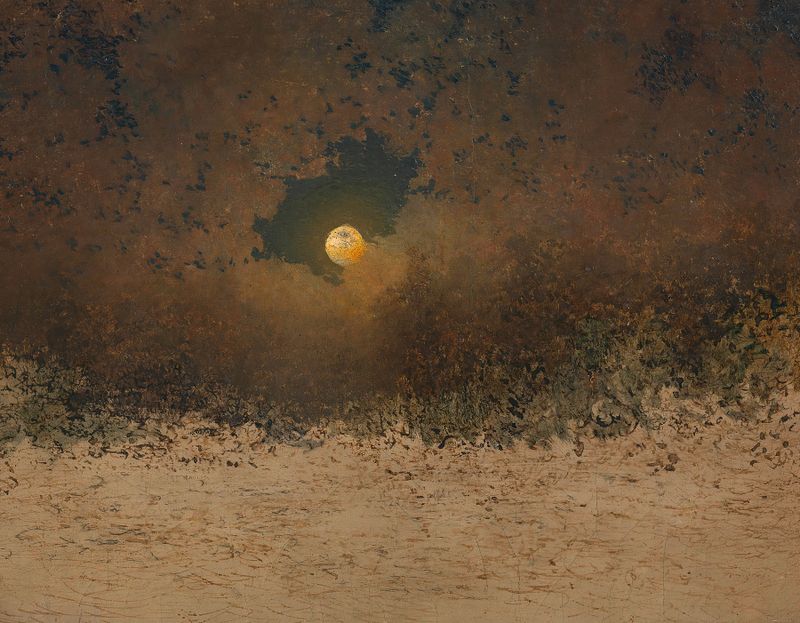
Mondlandschaft mit bewölktem Himmel
Adalbert Stifter
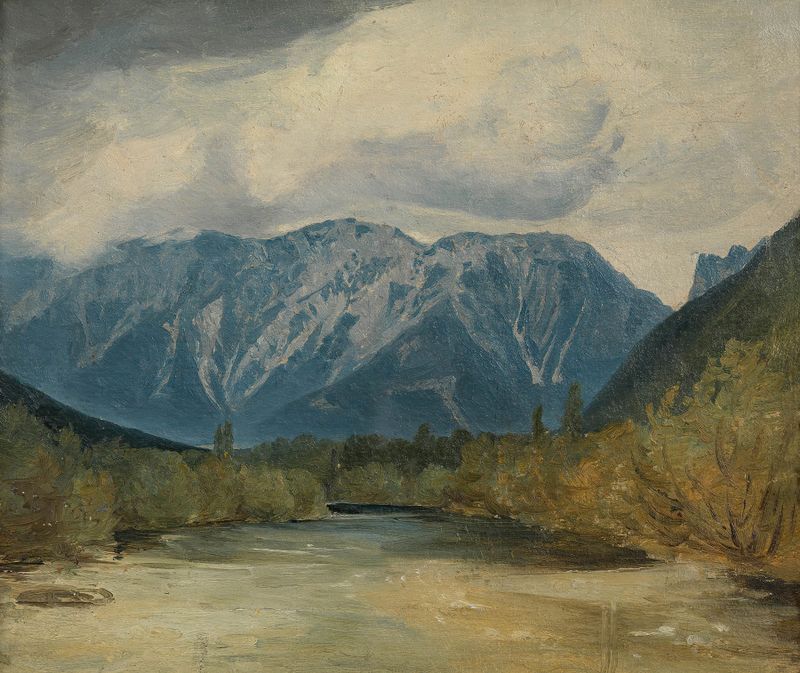
Die Rax in Niederösterreich
Adalbert Stifter
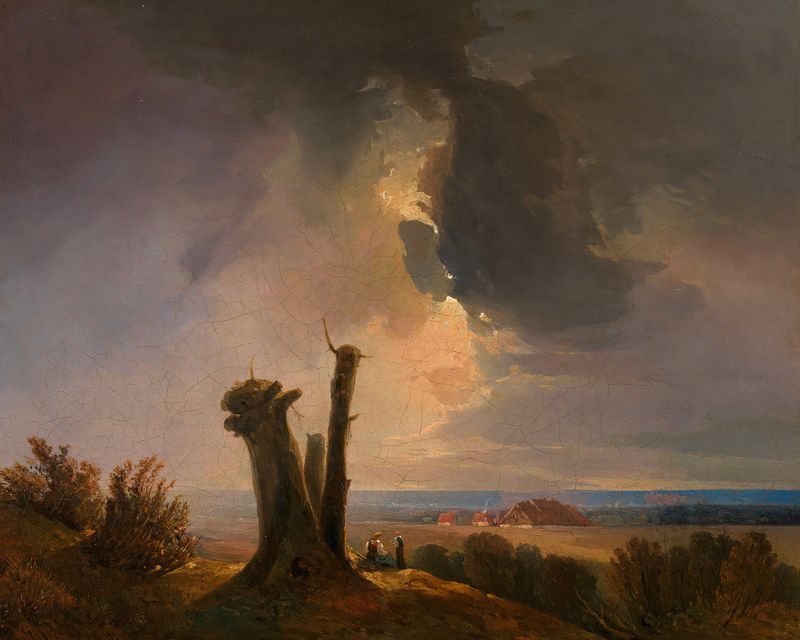
Westungarische Landschaft – Blick vom Leithagebirge
Adalbert Stifter
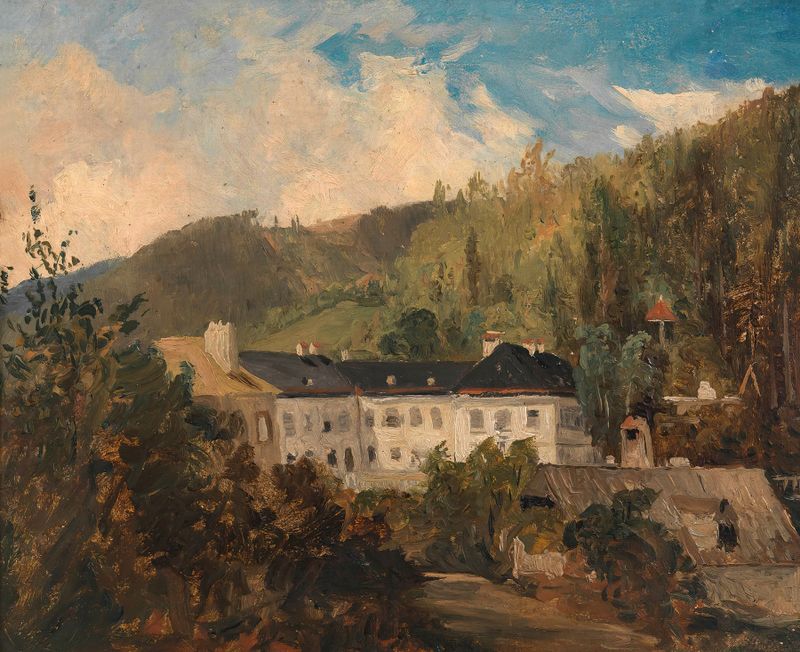
Motiv aus Neuwaldegg
Adalbert Stifter
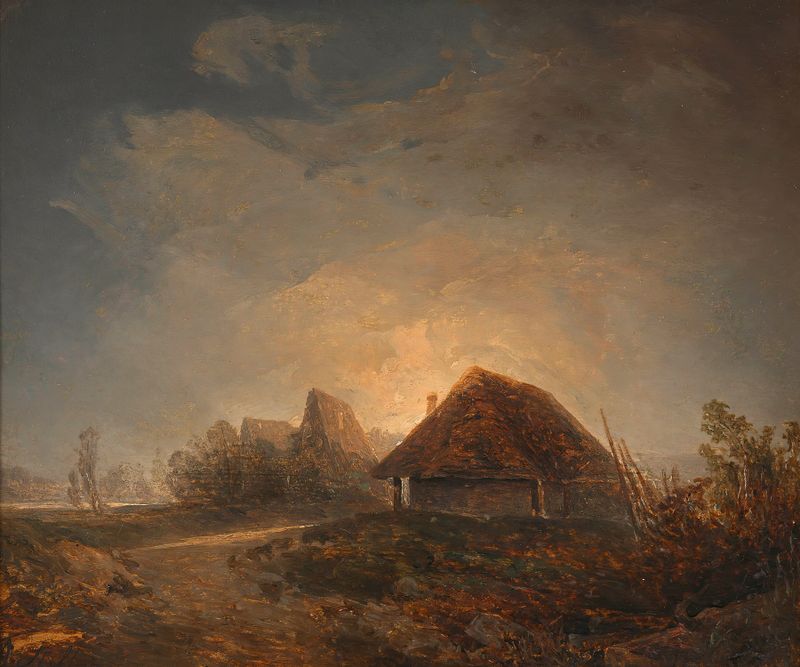
Westungarische Landschaft mit Hütten und aufgehendem Mond
Adalbert Stifter
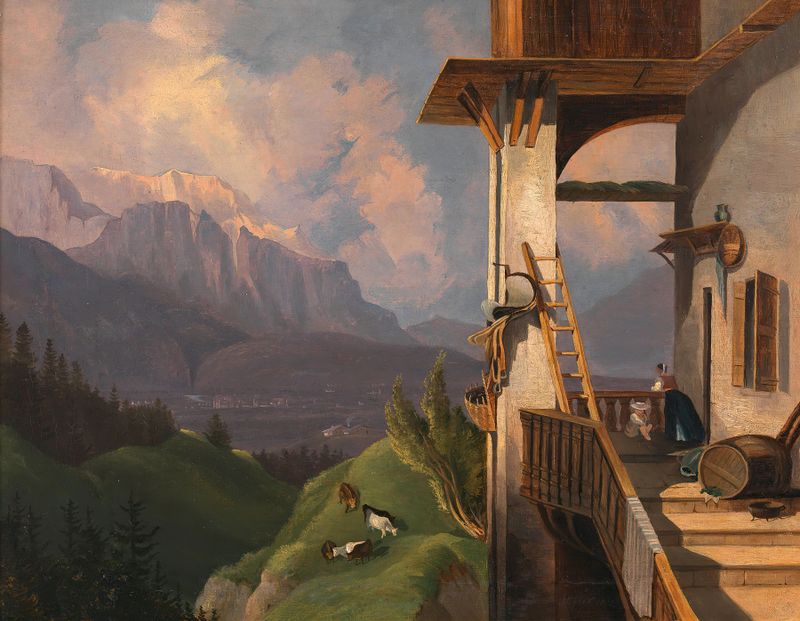
Innsbruck mit der Nordkette
Adalbert Stifter
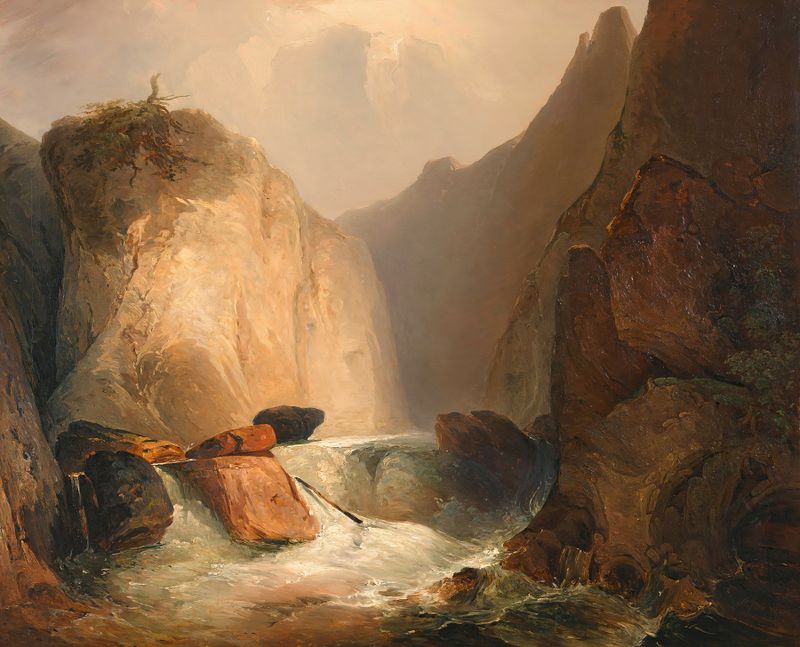
Felspartie – Moldauenge bei Hohenfurt
Adalbert Stifter
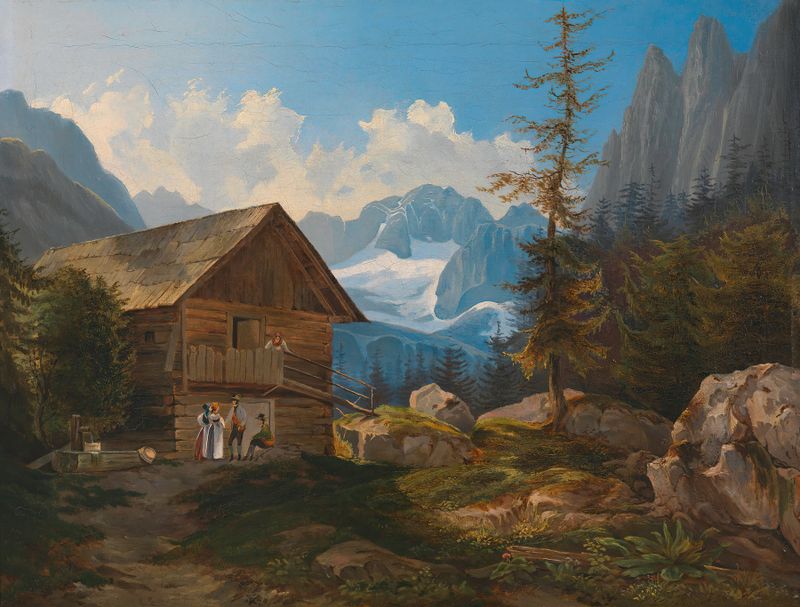
Im Gosautal (Oberösterreich)
Adalbert Stifter
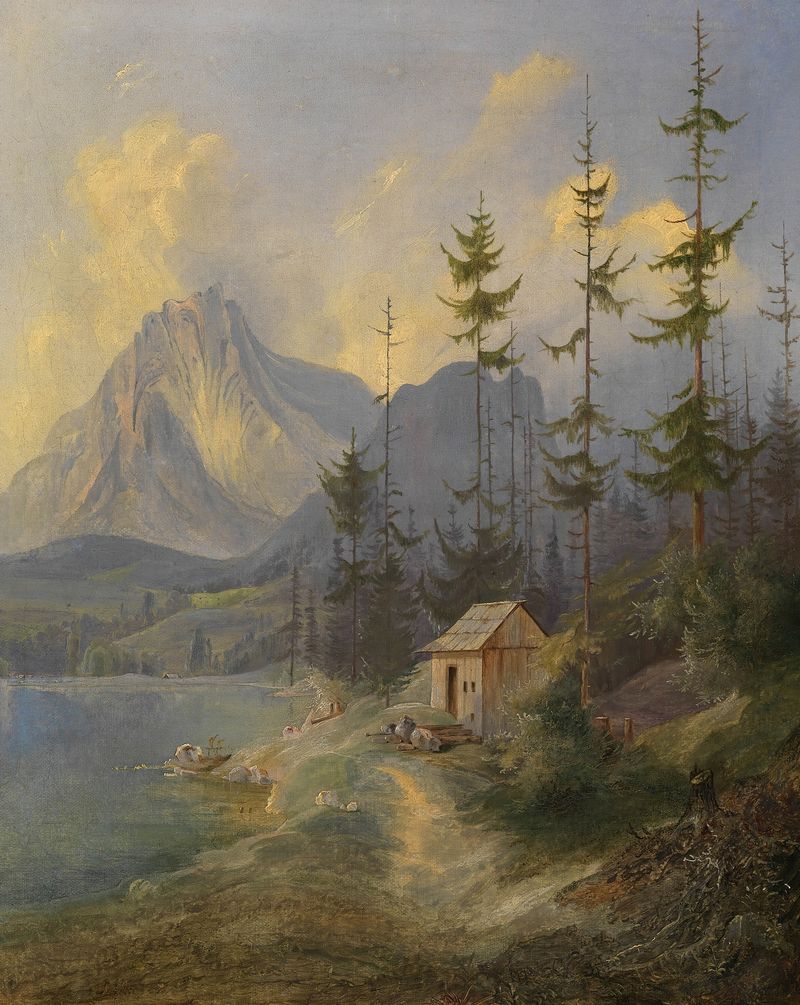
Der Sarstein bei Alt-Aussee
Adalbert Stifter





