
Wassermühle — History & Facts
What if beauty was never meant to be finished? In the delicate strokes of a serene watermill scene, the viewer is invited to ponder the endless cycle of nature and craftsmanship intertwined. Look closely at the tranquil center of the piece, where the watermill stands, bathed in soft, golden light. Notice how the gentle ripples of the stream reflect the surrounding greenery, creating a harmony between the structure and its environment. The artist employs a palette of earthy greens and warm browns, inviting the eye to travel through the canvas, from the vibrant foliage framing the scene to the rustic texture of the mill itself.
Every brushstroke is deliberate, leading one’s gaze deeper into this tranquil world. Beyond the idyllic beauty lies a profound reflection on the passage of time. The movement of water suggests both continuity and change, while the sturdy mill embodies human perseverance amidst nature’s fluidity. The play of light and shadow adds a sense of depth, echoing the contrasts between man-made structures and the organic world, hinting at a transient balance that can easily be disrupted.
It is a reminder of our place within this cycle, both creators and fleeting observers. Johann Wilhelm Schirmer painted Wassermühle around 1843, during a time when the Romantic movement flourished in Europe. Residing in Germany, Schirmer was deeply influenced by the landscapes around him, capturing the essence of rural life and nature’s beauty. This period marked a transition in art, as artists sought to depict not just the physical world, but the emotional resonance found within it, reflecting a growing appreciation for the sublime and the picturesque.
More Artworks by Johann Wilhelm Schirmer
Browse all →
Waldlandschaft mit Blick auf Olevano und den Monte Cavo
Johann Wilhelm Schirmer
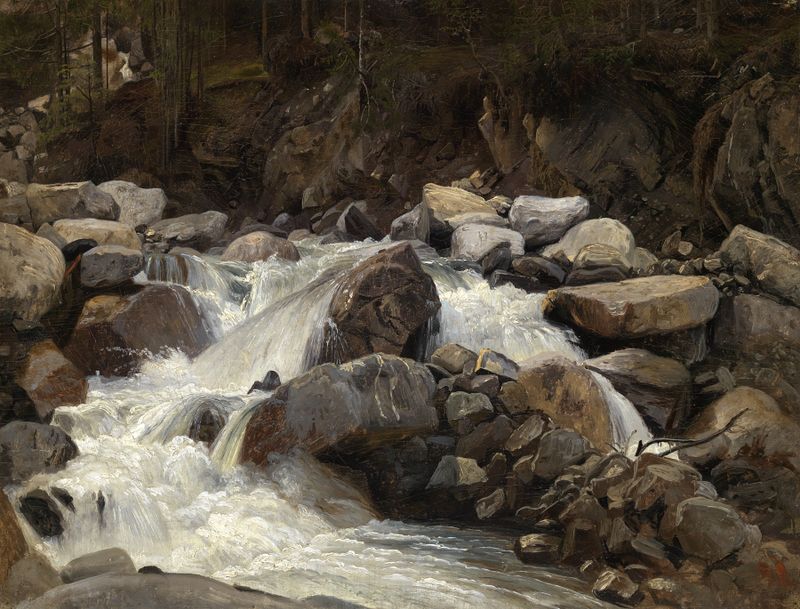
Schweizer Gebirgsbach
Johann Wilhelm Schirmer
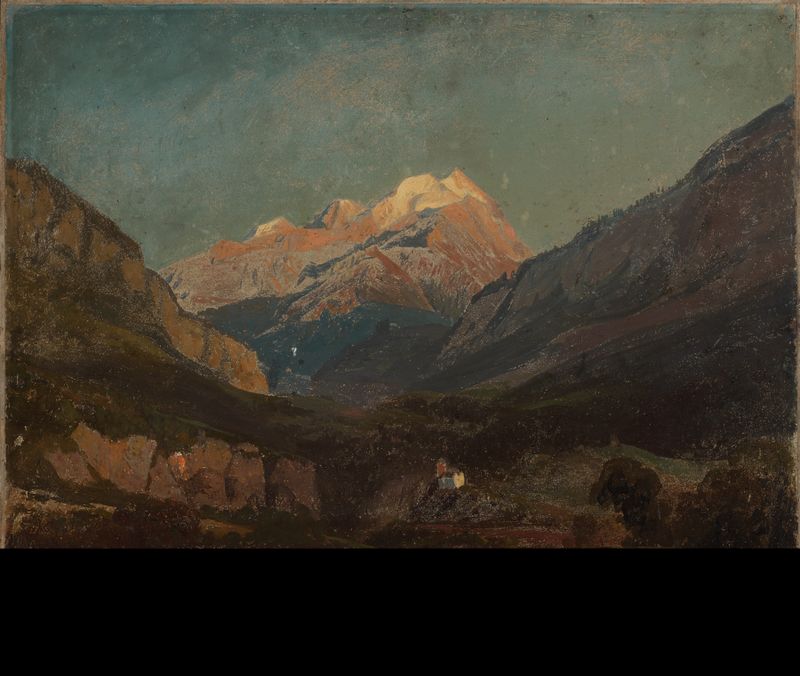
Schweizer Gebirgslandschaft mit Kapelle und fernem Schneegipfel
Johann Wilhelm Schirmer

Schweizer Gebirgslandschaft mit dem Piz Beverin im Hintergrund
Johann Wilhelm Schirmer

Waldinneres mit Hirschen am Wasser
Johann Wilhelm Schirmer

The Wetterhorn
Johann Wilhelm Schirmer

Partie aus der Römischen Campagna
Johann Wilhelm Schirmer

Felsabhang in der Schweiz
Johann Wilhelm Schirmer
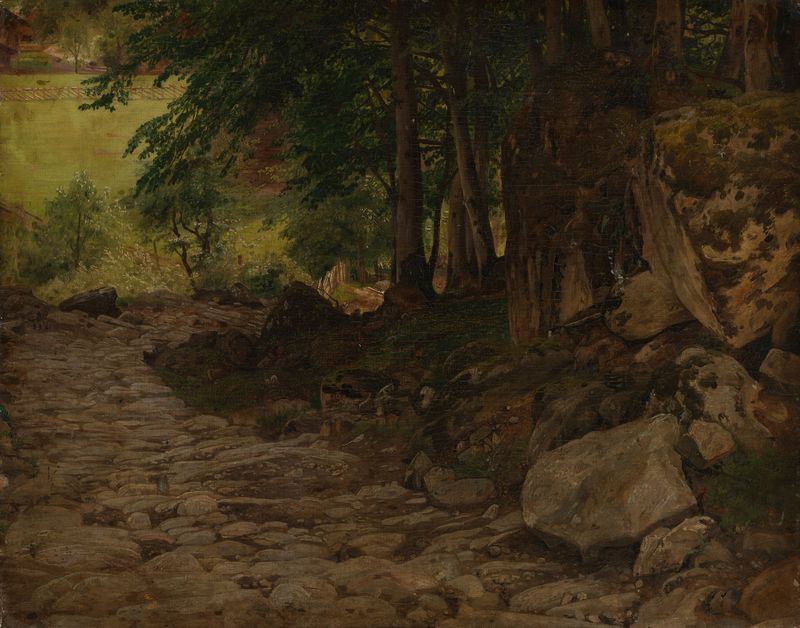
Felsweg in der Schweiz
Johann Wilhelm Schirmer
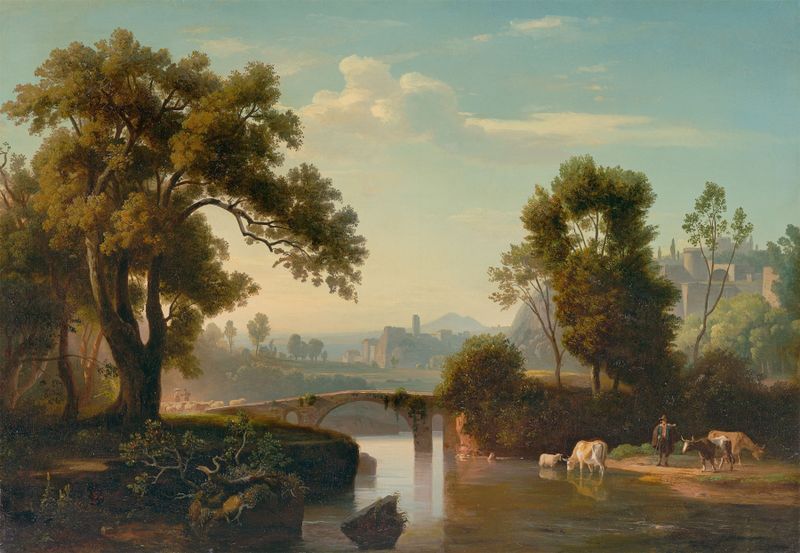
Italienische Landschaft mit Hirten
Johann Wilhelm Schirmer





