
Waterval nabij de brug Ponte della Trave — History & Facts
Grief etches itself into the fabric of our memories, often fleeting yet profoundly poignant. In the stillness of a landscape, emotions converge, captured eternally on canvas. Focus on the lower left corner, where a waterfall cascades with a sense of urgency, its frothy white peaks contrasting against the tranquil greens of the surrounding foliage. Notice how the light dances upon the water, illuminating droplets that sparkle like lost moments.
The bridge in the distance invites your gaze, structured yet delicate, connecting two worlds with an almost melancholic grace. The subtle color palette, dominated by soft earth tones, evokes a bittersweet nostalgia that permeates the scene. Yet, beneath the serene surface lies an undercurrent of turmoil. The rushing water symbolizes the relentless passage of time, while the bridge serves as a metaphorical link between past and present, joy and sorrow.
Each brushstroke reveals a story — the viewer can sense the weight of unexpressed memories hovering in the air, encapsulating the tension between fleeting beauty and enduring loss. The careful juxtaposition of nature’s serenity against human-made structures amplifies this emotional gravity, allowing for personal reflection amidst the tranquil vista. In 1639, Bartholomeus Breenbergh painted this piece during a period of shifting artistic conventions in the Netherlands, marked by the rise of genre painting and an increased interest in landscapes. Living and working in Rome at the time, he was influenced by the classical ideals of beauty and tranquility.
The tension between the natural and the manmade reflects both his personal experiences and the broader dialogues occurring in art, where tradition met the emerging themes of emotion and introspection.
More Artworks by Bartholomeus Breenbergh
Browse all →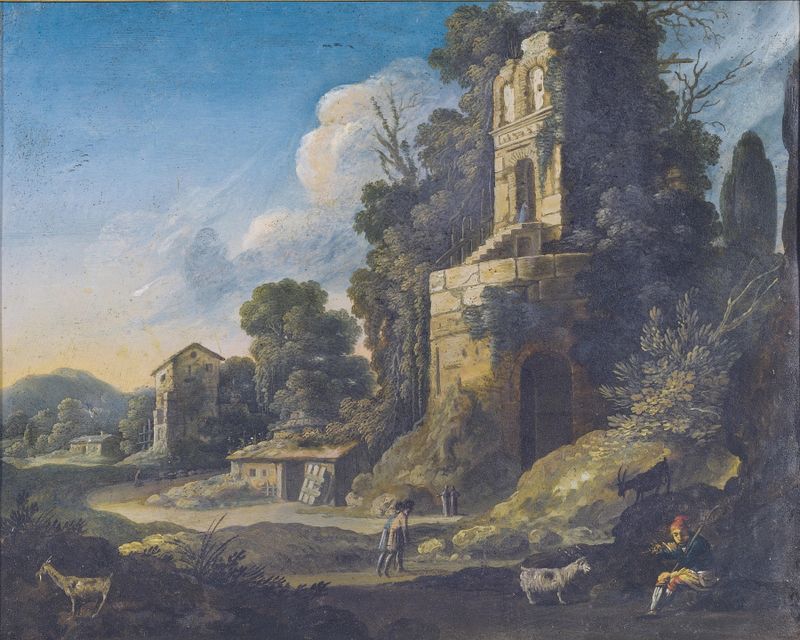
Italianate landscape with buildings and a herdsman playing pipes
Bartholomeus Breenbergh

Arcadian Landscape
Bartholomeus Breenbergh

Ruïnes van keizerlijk paleis te Rome
Bartholomeus Breenbergh

Ruïne van het Colosseum
Bartholomeus Breenbergh
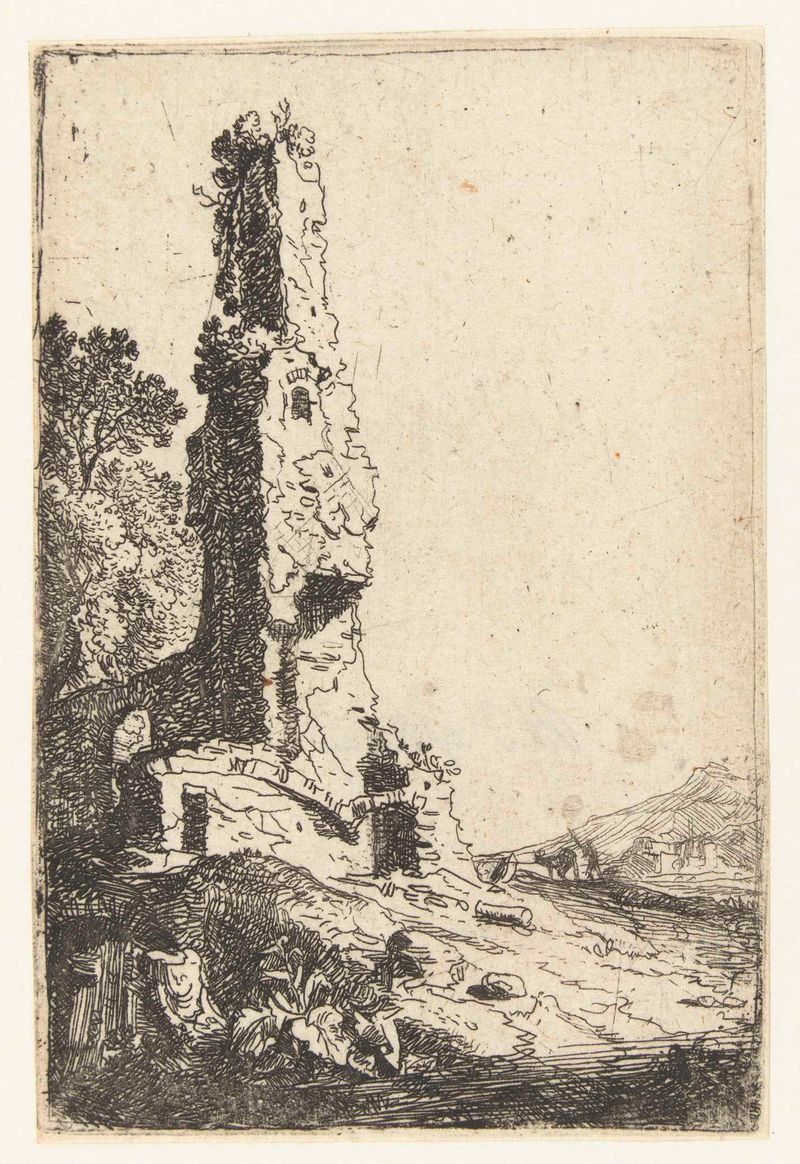
Ruïnes van de stadsmuren van Rome
Bartholomeus Breenbergh
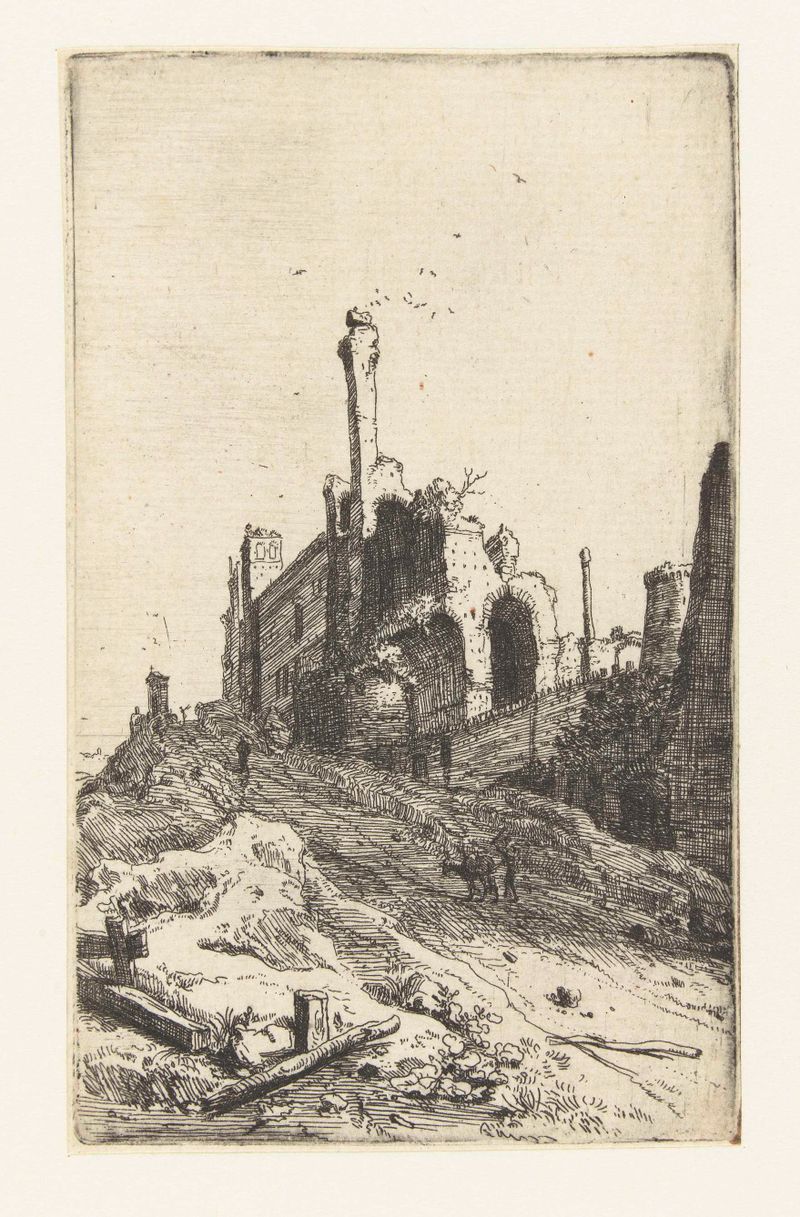
Ruïnes van een paleis te Tivoli
Bartholomeus Breenbergh

Figures Among Ruins By The Tiber
Bartholomeus Breenbergh

Italian Landscape with the Aurelian Wall
Bartholomeus Breenbergh
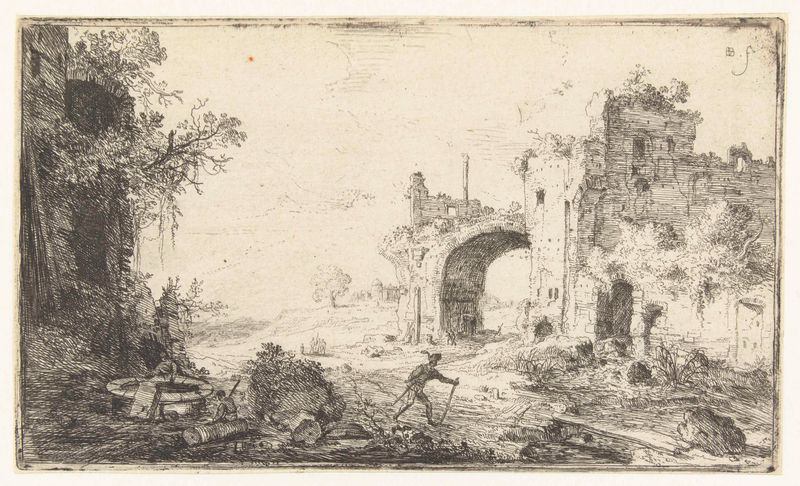
Ruïnes van de thermen van Caracalla
Bartholomeus Breenbergh
Interieur van een grot
Bartholomeus Breenbergh





