
Weiden an der Sempt bei Langenpreising — History & Facts
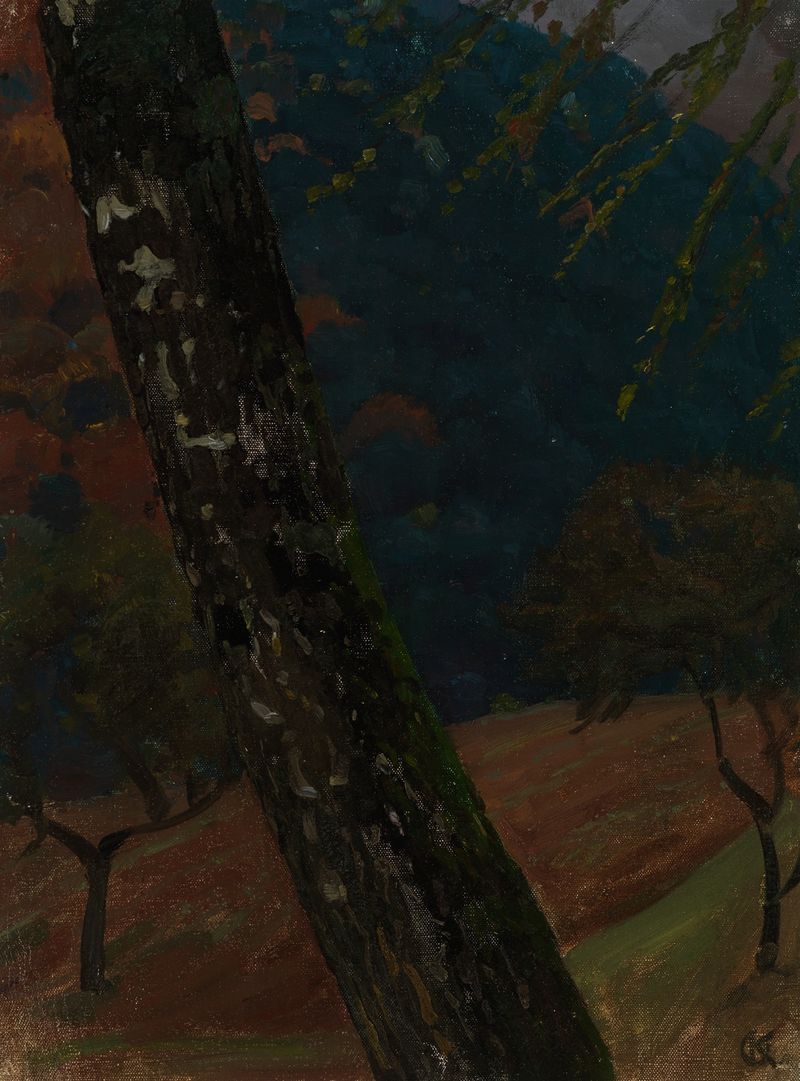
In an age when the relentless march of progress often eclipses the quiet, enduring beauty of faith, art becomes a sanctuary for moments that linger just beyond the grasp of fleeting time. Look closely at the lush greenery unfurling across the canvas, where vibrant strokes of emerald and gold beckon your eyes to the tranquil banks of the Sempt. Notice how the delicate brushwork captures the shimmering play of sunlight filtering through the leaves, illuminating the subtle textures of each blade of grass. The composition invites a meandering gaze, leading us through the pastoral scene to where the gentle river curves, a ribbon of reflection that cradles the essence of nature’s serenity. Yet beneath this idyllic surface lies a deeper resonance—the interplay between light and shadow evokes a sense of duality, as if the landscape itself bears witness to the unwavering presence of faith amid the transient world.
The calm waters symbolize both clarity and contemplation, while the encroaching shadows suggest the inevitable trials that accompany belief. This juxtaposition creates a profound emotional tension, urging viewers to reflect on the quiet strength that faith provides in the face of uncertainty. In 1884, Gustav Kampmann painted this serene landscape during a time when Europe was grappling with the rapid changes of modernity. Working in his native Germany, he was part of the burgeoning Naturalism movement, which emphasized a faithful representation of nature and everyday life.
This piece reflects not only his personal experiences but also the collective longing for connection to the past—a testament to the enduring power of faith amid the complexities of contemporary existence.
More Artworks by Gustav Kampmann
Browse all →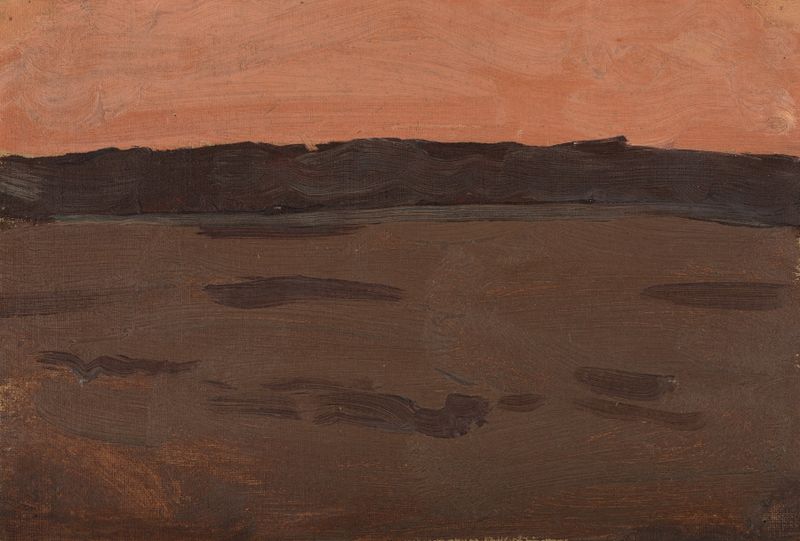
Abendstimmung
Gustav Kampmann

Eisenbahn am Abend
Gustav Kampmann

Nach Sonnenuntergang im Winter
Gustav Kampmann

Blick von der Hornisgrinde
Gustav Kampmann

Hügelige Landschaft mit Baumreihe
Gustav Kampmann
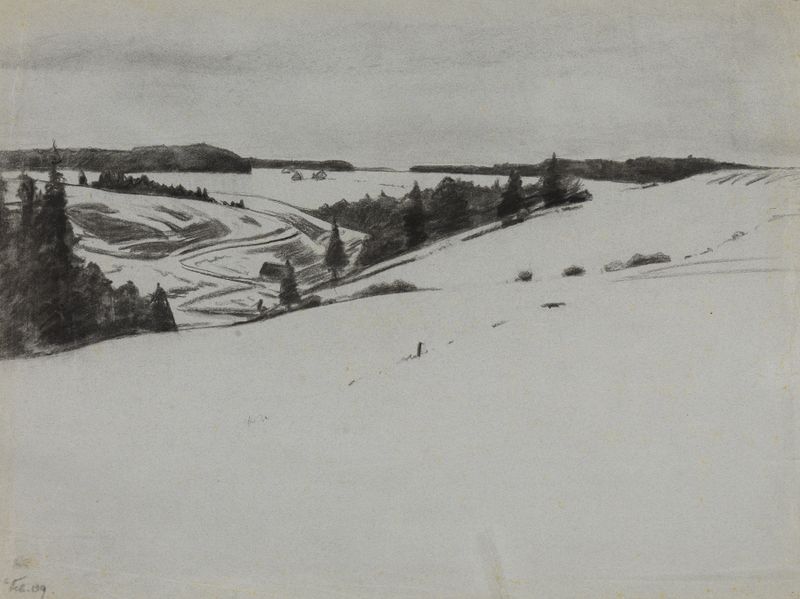
Schneelandschaft bei Königsfeld
Gustav Kampmann
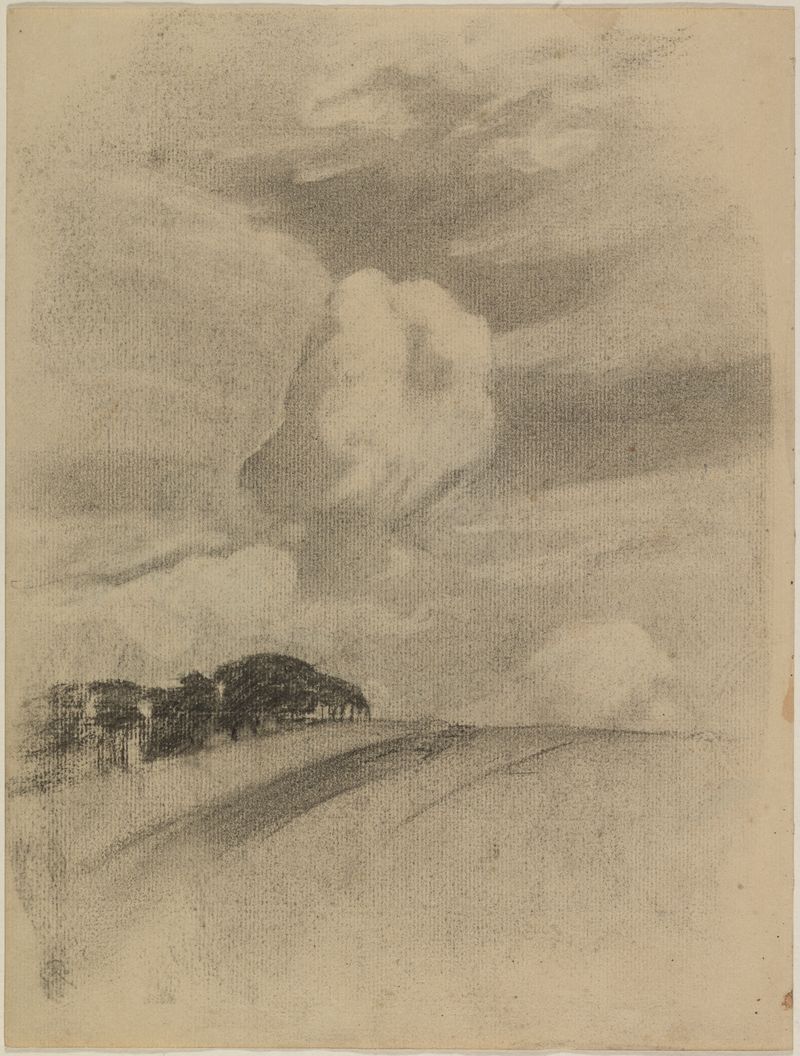
Landschaftsstudie
Gustav Kampmann
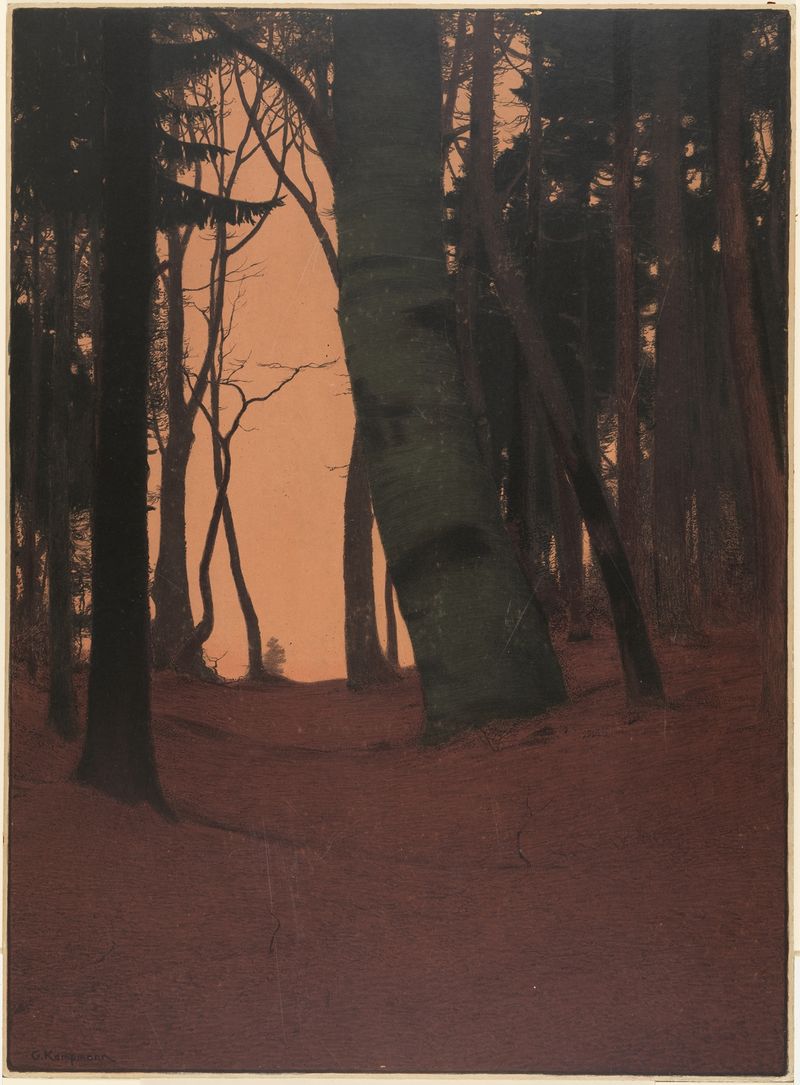
Abend im Wald
Gustav Kampmann

Drei alte Weiden bei Langenpreising
Gustav Kampmann
Baumstamm bei Obersteinbach
Gustav Kampmann





