
Weinstein — History & Facts
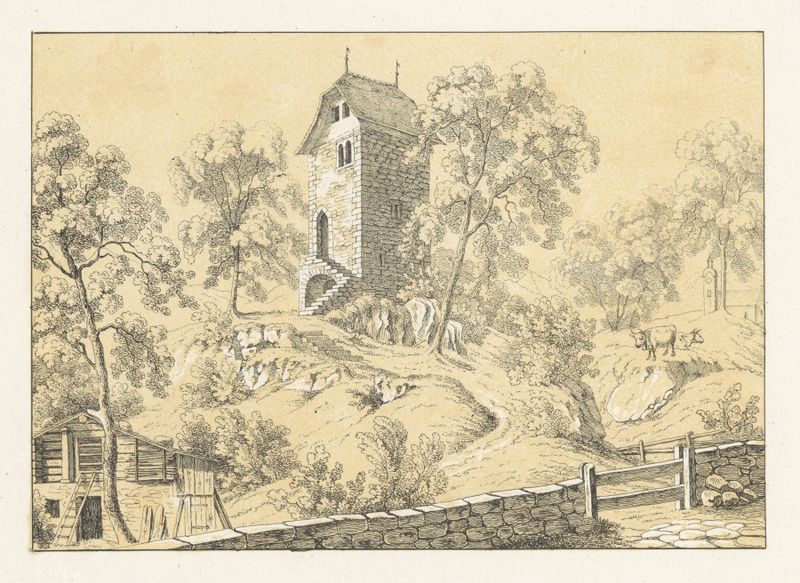
Who listens when art speaks of silence? In the quietude of Weinstein, serenity hangs in the air, inviting contemplation and introspection. Look to the left at the dark silhouettes of trees, their branches arching overhead, creating a natural frame for the light that spills into the scene. The gentle hues of green and gold blend harmoniously, drawing the eye into the tranquil landscape that stretches before you. Notice how the brushstrokes vary in texture; the smooth, flowing lines of the water contrast with the roughness of the foliage, each element distinct yet part of a cohesive whole. As you delve deeper, consider the juxtaposition of light and shadow, which creates an underlying tension.
The stillness of the water reflects not just the surrounding beauty but also an inner calm that suggests introspection. A solitary figure in the distance, perhaps a shepherd or wanderer, embodies a sense of solitude that speaks to the human experience—an echo of our own moments of quiet reflection amidst nature’s grandeur. Created between 1840 and 1844, this piece emerged during a period when Johann Friedrich Wagner was exploring the interplay of nature and emotion in his work. Living in a time when Romanticism was on the rise, he sought to convey profound feelings through serene landscapes.
This painting encapsulates that ethos, serving as a testament to the timeless dialogue between humanity and the natural world.
More Artworks by Johann Friedrich Wagner
Browse all →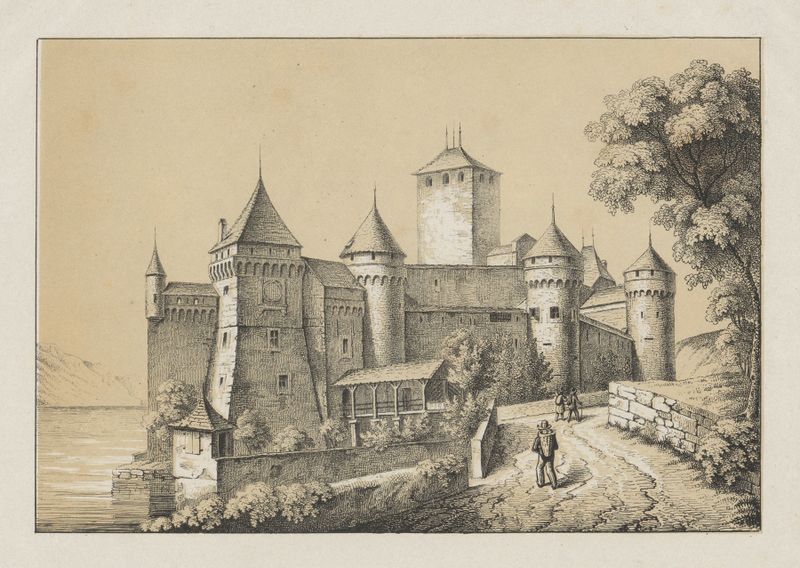
Chillon
Johann Friedrich Wagner

Valangin
Johann Friedrich Wagner
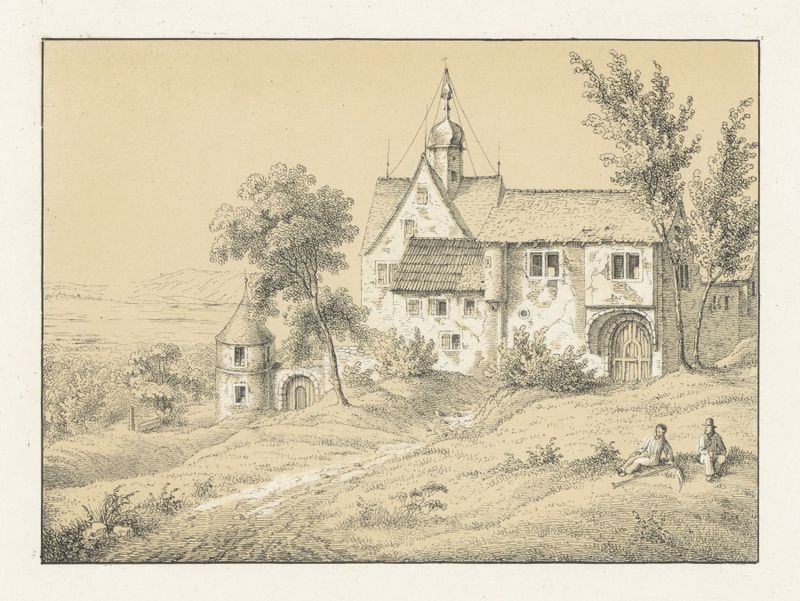
Greifenstein
Johann Friedrich Wagner

Vorburg
Johann Friedrich Wagner
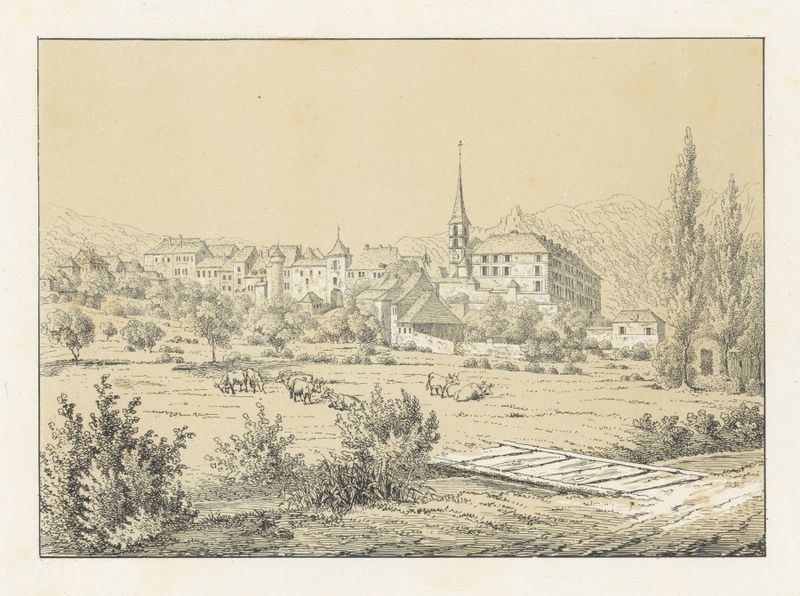
Delémont
Johann Friedrich Wagner

Pleujouse
Johann Friedrich Wagner

Challay
Johann Friedrich Wagner
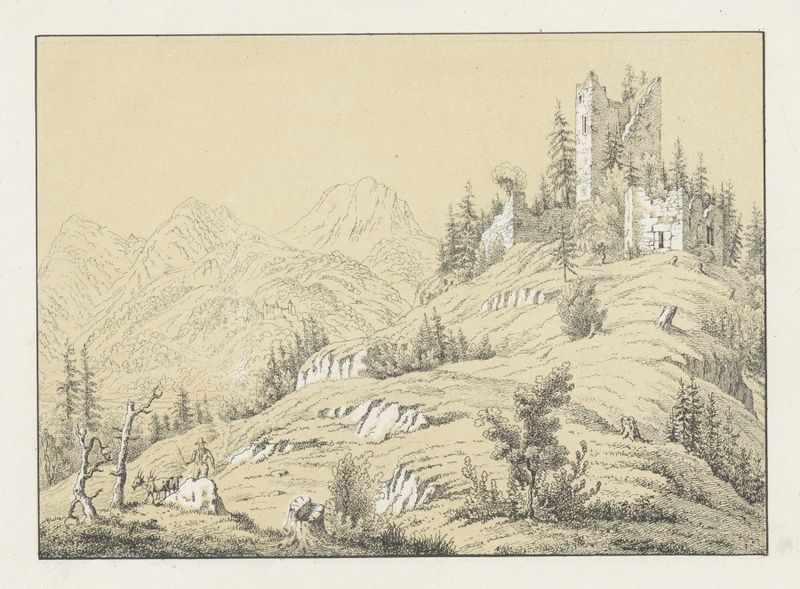
Mont Salvant
Johann Friedrich Wagner
Aha. Od. Untere Burg von Sarnen
Johann Friedrich Wagner
Lausanne
Johann Friedrich Wagner





