
Wet Pasture — History & Facts
In today's world, where we often chase the loud and the bold, it is the delicate and fragile moments that reveal our deepest truths. Look to the left at the soft, verdant greens that dance in gentle waves across the meadow. The subtle interplay of light illuminates the dewdrops glistening on blades of grass, suggesting a quiet morning where nature breathes and sighs. Your gaze may drift toward the horizon where the muted colors meld in a tender embrace, hinting at the sky's soft whispers before dawn.
This careful arrangement of hues creates not just a setting, but an emotion—a serene tranquility that evokes a sense of passing time. Beneath the serene surface, there exists an underlying tension between beauty and impermanence. The almost ethereal quality of the light evokes fragility, as if the scene is a fleeting moment poised between waking and dreaming. Notice how the figures on the pasture are shrouded in mist—an embodiment of ephemeral existence that invites contemplation about our own transient lives.
Each brushstroke holds a narrative, suggesting that within this idyllic landscape lies a poignant reminder of life's delicate balance. In the early 1870s, Narcisse-Virgile Diaz de La Peña painted this work amid a burgeoning period of Impressionism, influenced by the naturalistic explorations in art. The artist, known for his vibrant landscapes, sought to capture the fleeting beauty of nature while reflecting his own emotional landscape during a time of artistic transformation in France. This piece embodies both his personal journey and the collective shift towards a more expressive interpretation of the natural world.
More Artworks by Narcisse-Virgile Diaz de La Peña
Browse all →
Forest Scene
Narcisse-Virgile Diaz de La Peña
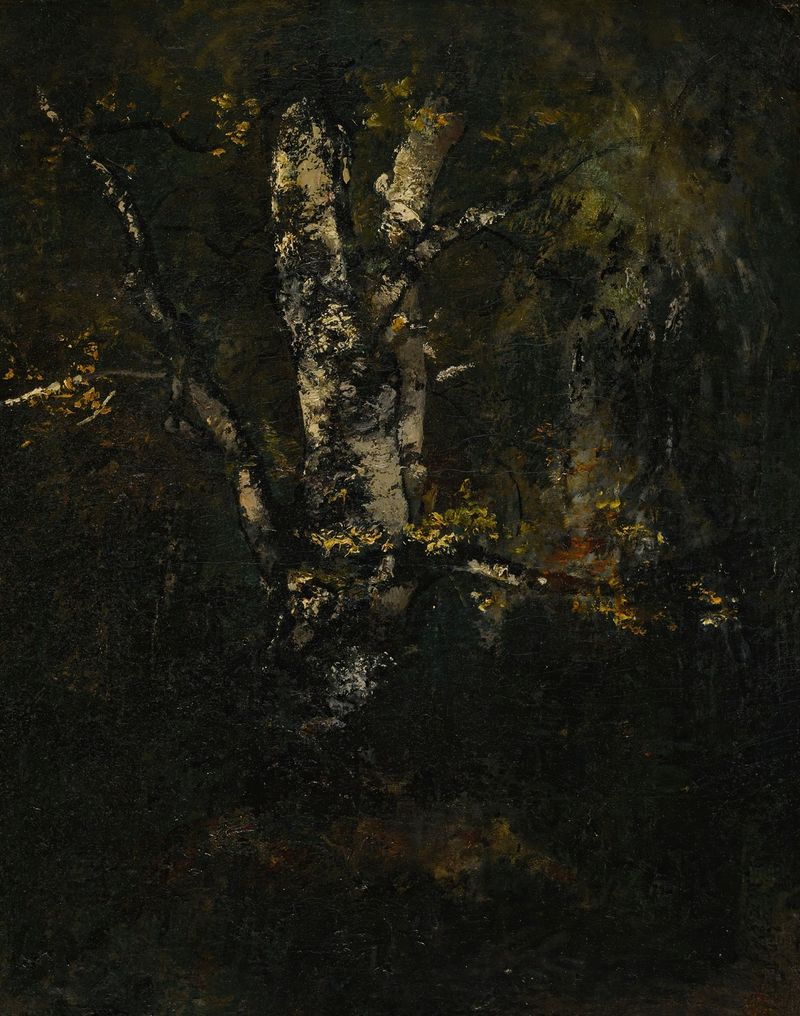
Vieux Troncs De Hêtres
Narcisse-Virgile Diaz de La Peña
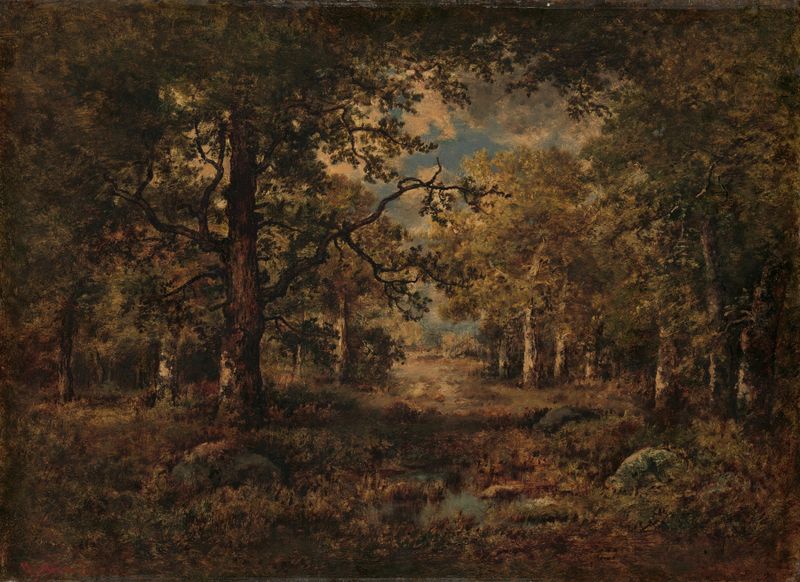
A Vista through Trees; Fontainebleau
Narcisse-Virgile Diaz de La Peña
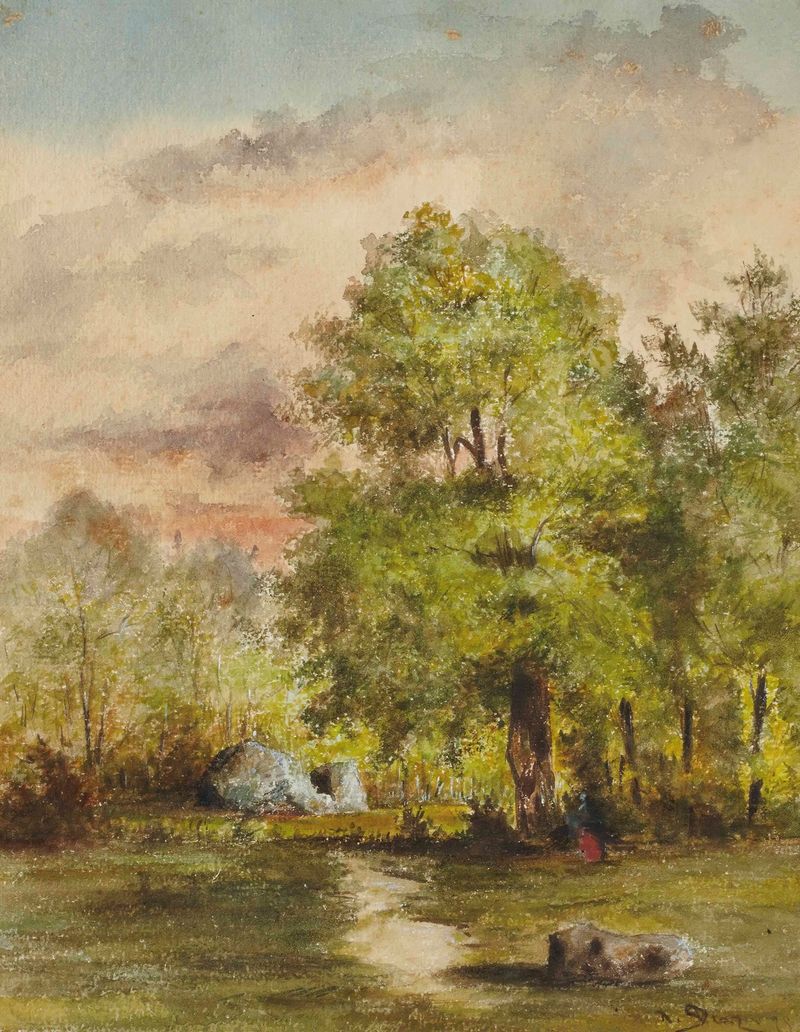
Vue d’une clairière
Narcisse-Virgile Diaz de La Peña

Pond in the Woods
Narcisse-Virgile Diaz de La Peña
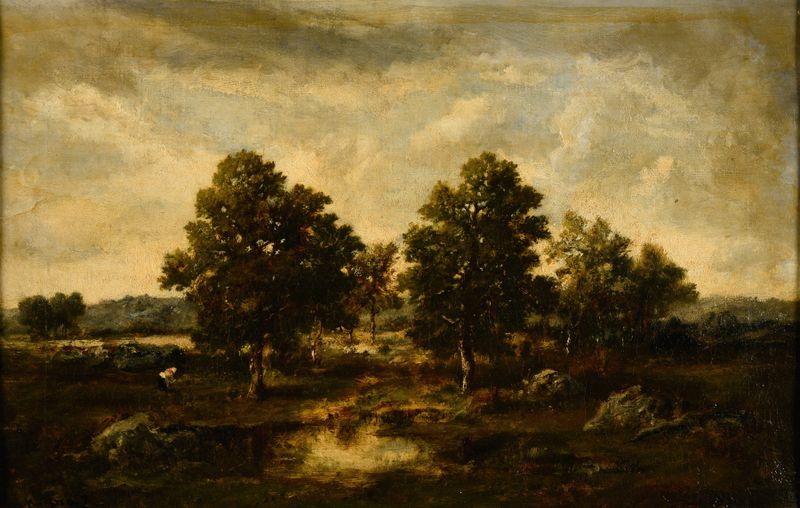
Mare dans une lande
Narcisse-Virgile Diaz de La Peña
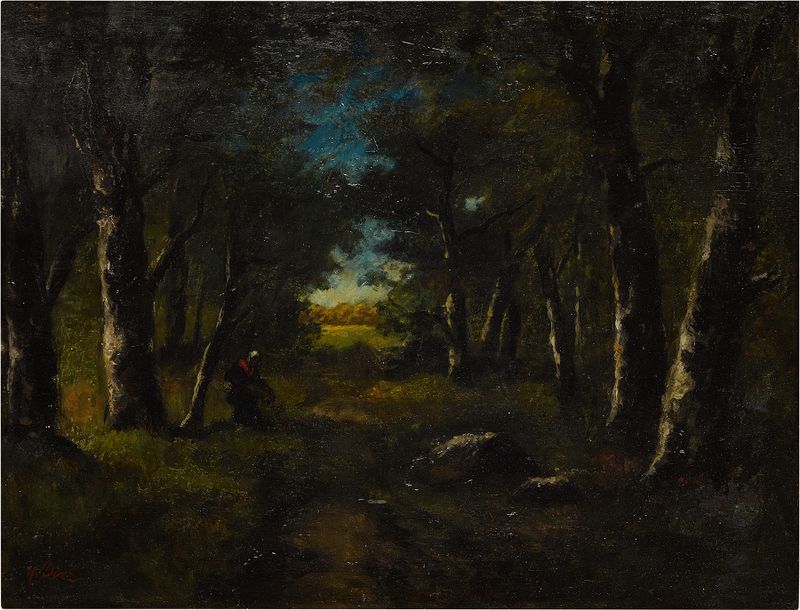
Foraging in the Forest
Narcisse-Virgile Diaz de La Peña
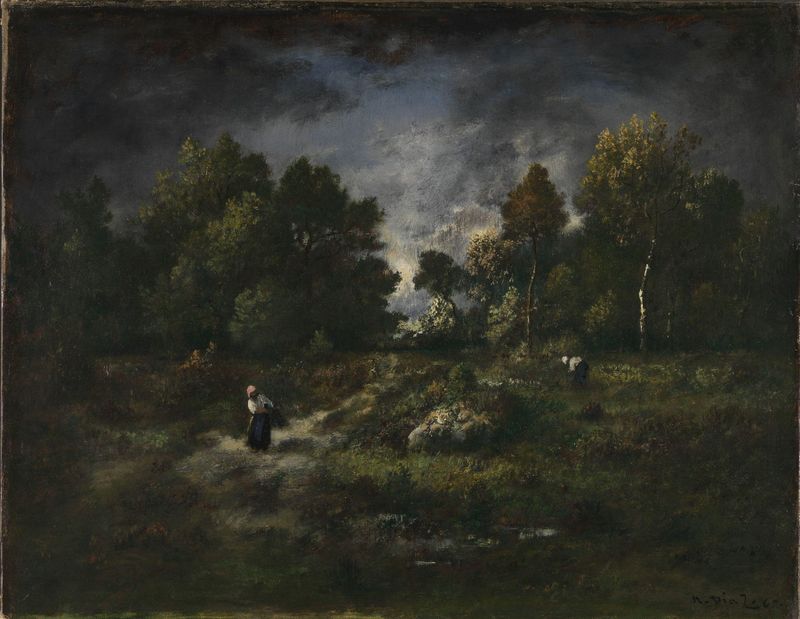
Faggot Gatherers in a Wooden Landscape
Narcisse-Virgile Diaz de La Peña
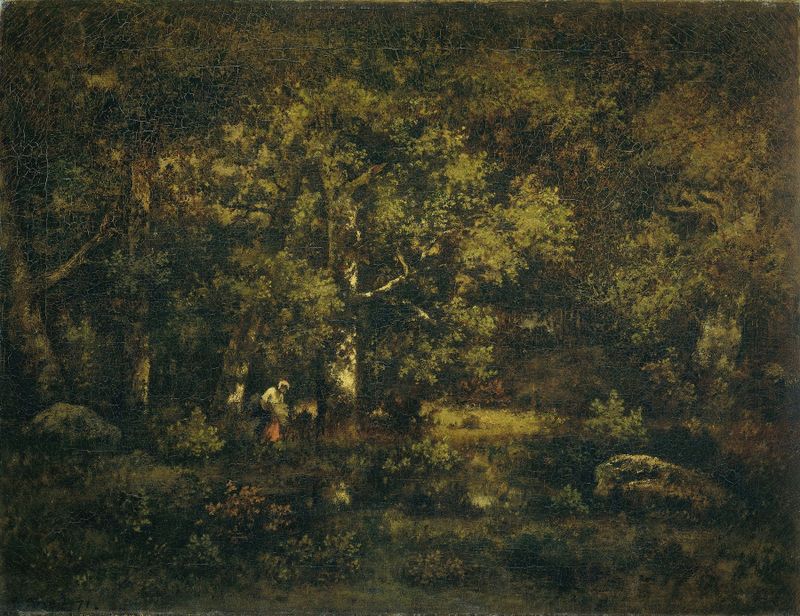
The Forest of Fontainebleau
Narcisse-Virgile Diaz de La Peña

Sous-bois
Narcisse-Virgile Diaz de La Peña





