
Wheat Fields — History & Facts
In the last weeks of his life, Vincent van Gogh painted a series of wheat fields in Auvers-sur-Oise, capturing the shifting moods of the landscape as he struggled with his own turmoil. Wheat Fields belongs to this final, feverish burst of creativity in June and July 1890, just before his death. The artist wrote to his brother Theo: "I have no difficulty in expressing sadness and extreme loneliness in my pictures." The painting stands as a testament to Van Gogh’s intense connection to the countryside and his relentless search for solace in nature. Here, the fields stretch wide beneath a turbulent sky, the golden wheat whipped by wind, the horizon low and uncertain.
The painting’s thick, swirling brushstrokes animate the grain, while the sky above churns with blues and whites, hinting at an oncoming storm or a clearing after rain. There are no figures; the land itself is the protagonist, caught between growth and harvest, calm and unrest. Unlike Jean-François Millet’s serene, orderly farm scenes, Van Gogh’s vision pulses with energy and emotion, the wheat fields echoing his own state of mind. The precise medium of Wheat Fields is not always recorded, but Van Gogh’s signature use of oil paint and impasto is evident in the texture and vibrancy of the work.
The painting’s journey after its creation is less documented than some of his other works, but it is part of a group of canvases that have become central to understanding his late style and psychological landscape. Today, versions of the wheat field paintings reside in major museums worldwide, each bearing witness to the artist’s final days and his enduring fascination with the cycles of nature. Wheat Fields remains a vital piece in the story of Van Gogh’s last, restless summer.
More Artworks by Vincent van Gogh

The Starry Night
Vincent van Gogh
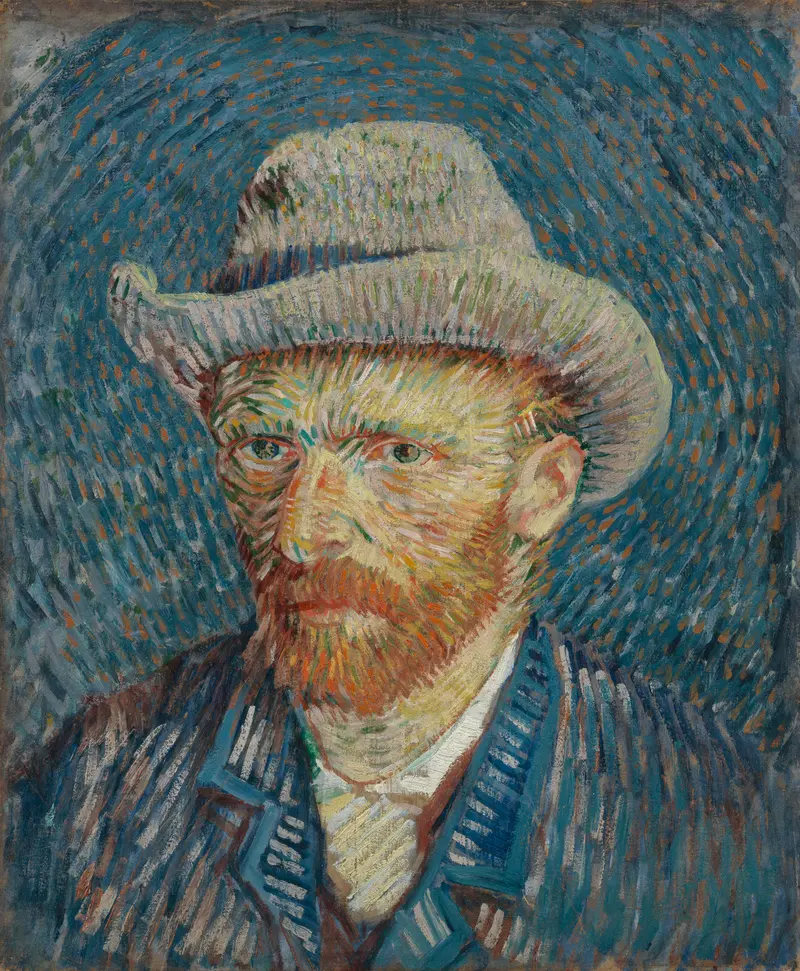
Self-Portrait with Grey Felt Hat
Vincent van Gogh
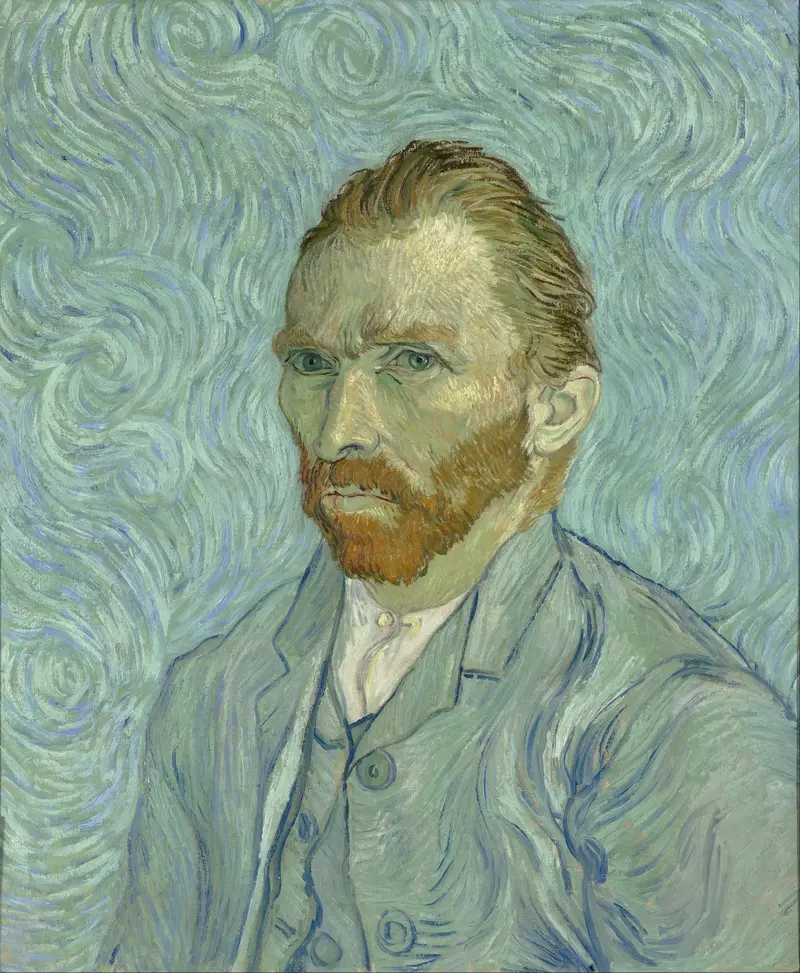
Self-Portrait (1889)
Vincent van Gogh
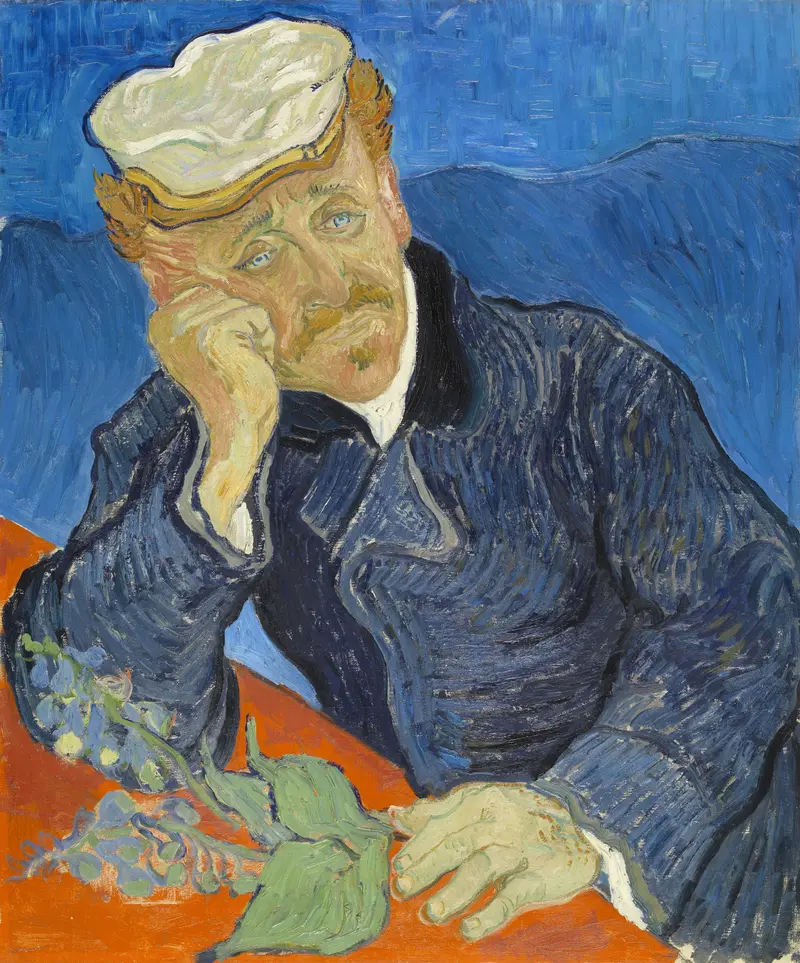
Portrait of Dr Gachet
Vincent van Gogh
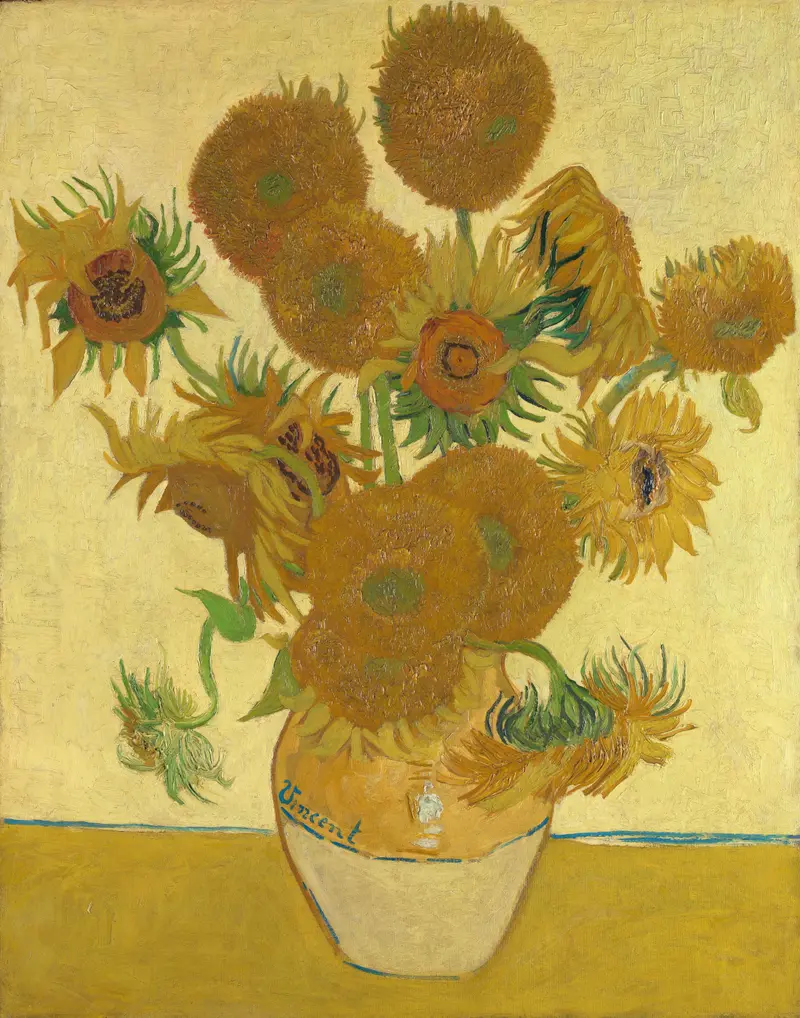
Sunflowers
Vincent van Gogh
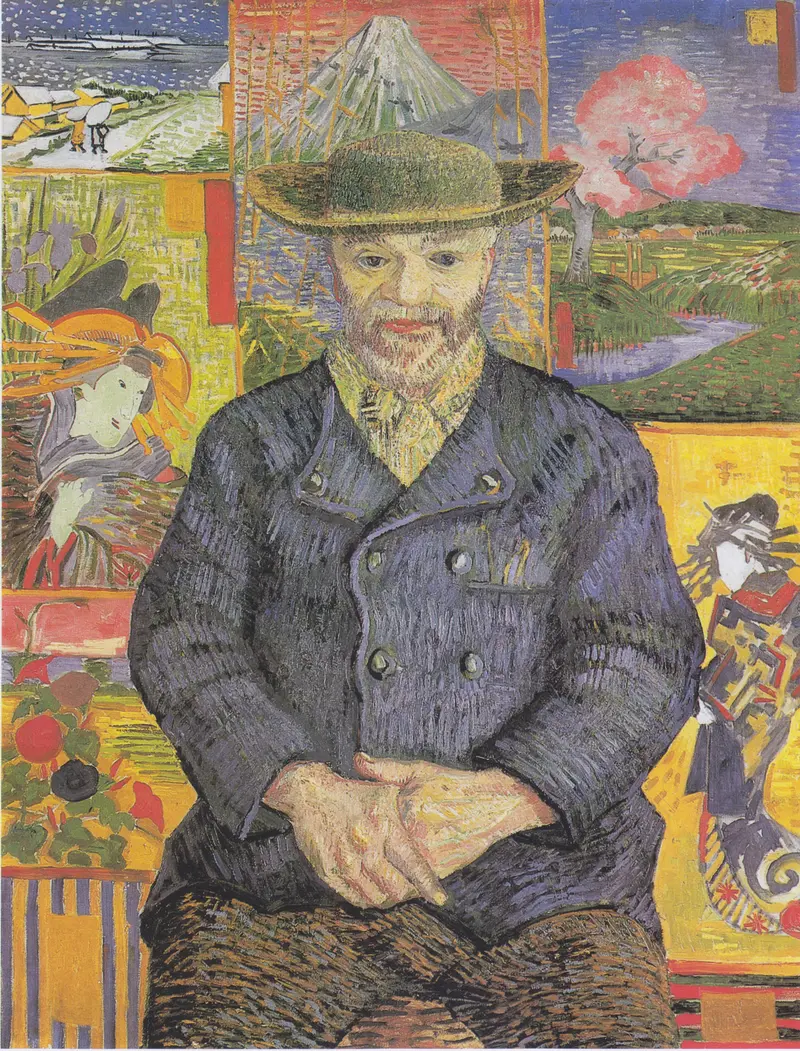
Portrait of Père Tanguy
Vincent van Gogh
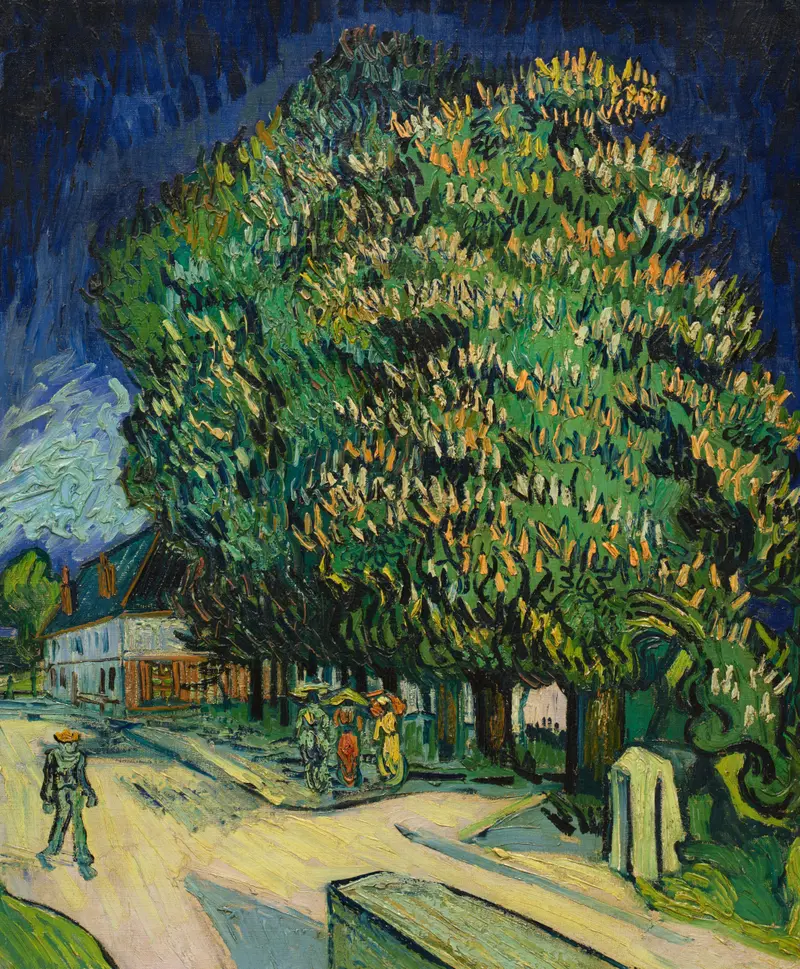
Chestnut Trees in Blossom
Vincent van Gogh
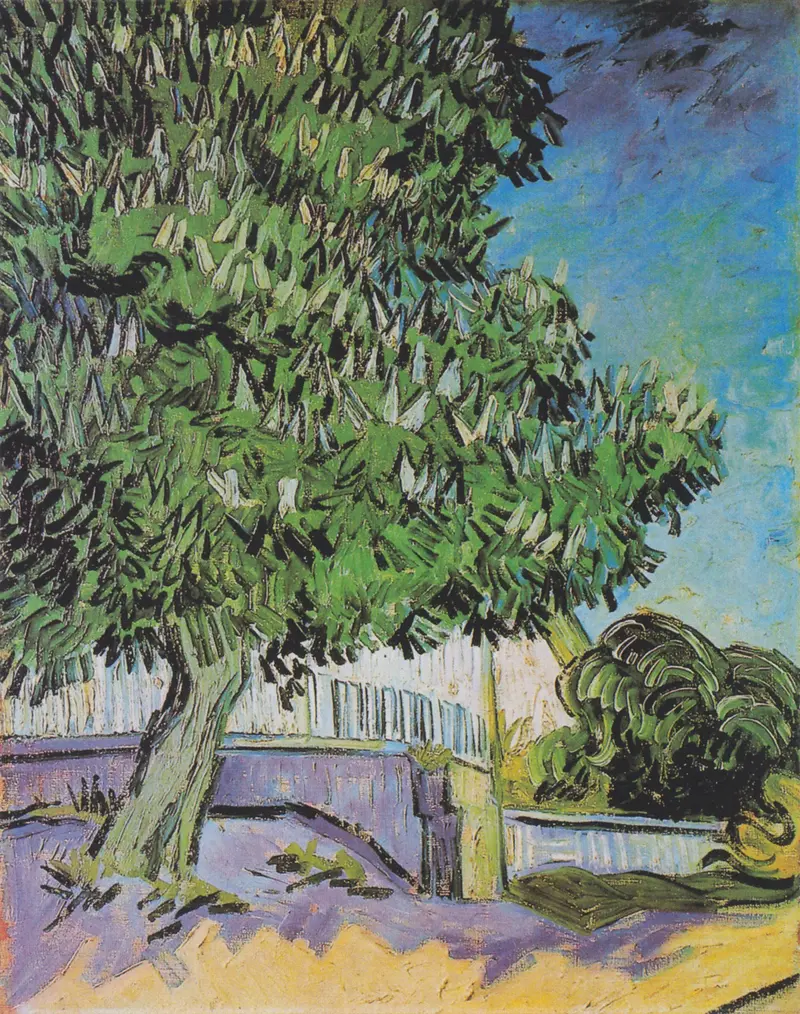
Blossoming Chestnut Trees
Vincent van Gogh

The Night Café
Vincent van Gogh
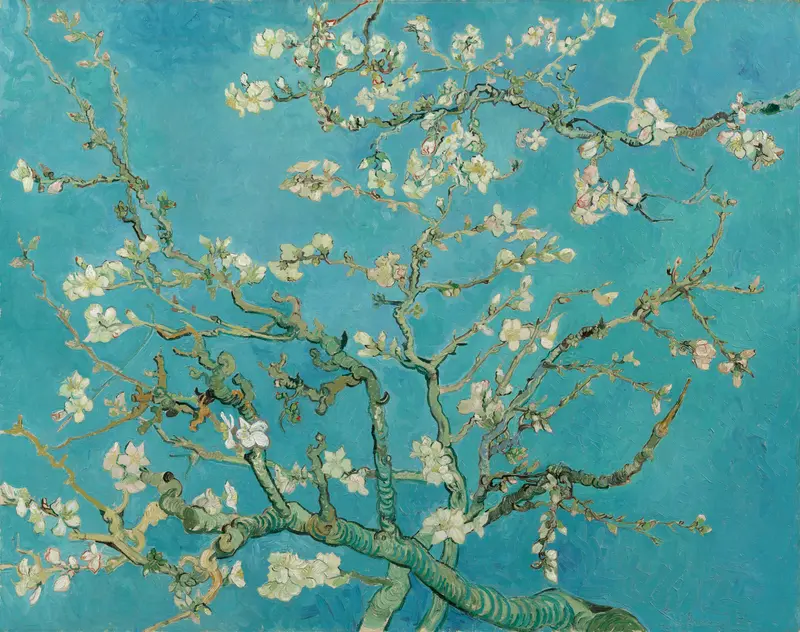
Almond Blossom
Vincent van Gogh
More Landscape Art
The Starry Night
Vincent van Gogh

View of Delft
Johannes Vermeer

Water Lilies
Claude Monet

The Grand Canal, Venice, looking north-west from the Ca' Corner to the Ca' Contarini degli Scrigni, with the campanile of Santa Maria della Carità
Canaletto

Windsor Castle
Canaletto

The Grand Canal looking North-East from the Palazzo Dolfin-Manin to the Rialto Bridge
Canaletto