
White Rock Point, at the mouth of the Grey — History & Facts
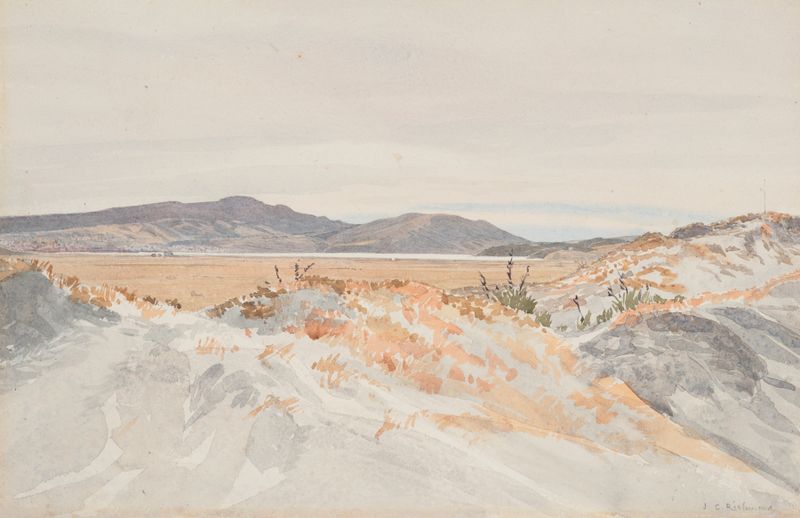
In White Rock Point, at the mouth of the Grey, the viewer is invited to witness a moment of pure ecstasy, captured in the tranquil embrace of nature’s beauty. Look to the foreground, where gentle waves caress the rocky shore, their frothy edges dancing in harmony with the sunlight. The palette is a symphony of soft blues and warm earth tones, with delicate brushstrokes creating an impression of movement and fluidity. Notice how the light falls upon the white rocks, illuminating them like celestial bodies amidst the vast expanse of the grey water.
The composition directs the viewer's gaze toward the horizon, suggesting a promise of something beyond what lies immediately before us. In the interplay of light and shadow, a deeper meaning emerges—an exploration of the ephemeral joy found in nature’s simplicity. The contrast between the solid, immovable rocks and the transient surf evokes a tension between permanence and change. This painting expresses a profound sense of longing, as if the viewer is caught between the desire to hold onto a fleeting moment and the acceptance of nature’s inevitable passage. James Crowe Richmond painted this piece in 1862 while residing in Australia, a time when he was deeply influenced by the local landscape and the Romantic ideals of the era.
This period marked a significant transition in his artistic journey, as he sought to encapsulate the sublime beauty of the natural world, propelled by the fervent spirit of exploration that characterized the mid-19th century.
More Artworks by James Crowe Richmond
Browse all →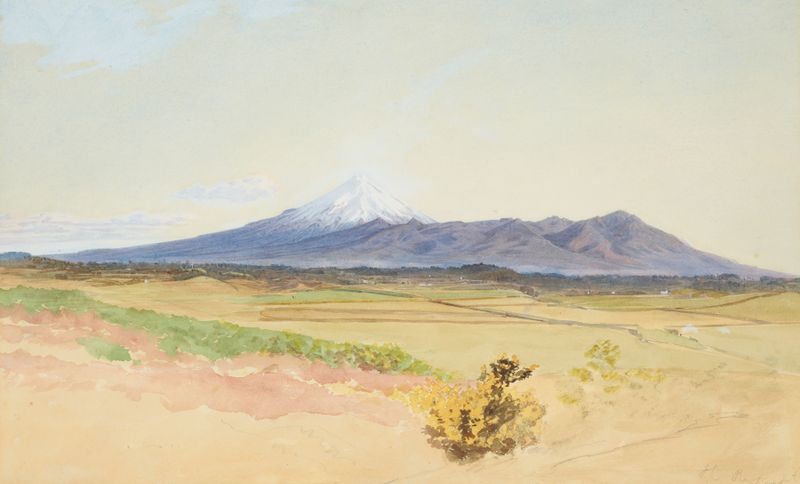
Mount Egmont and Pouakai, from New Plymouth
James Crowe Richmond
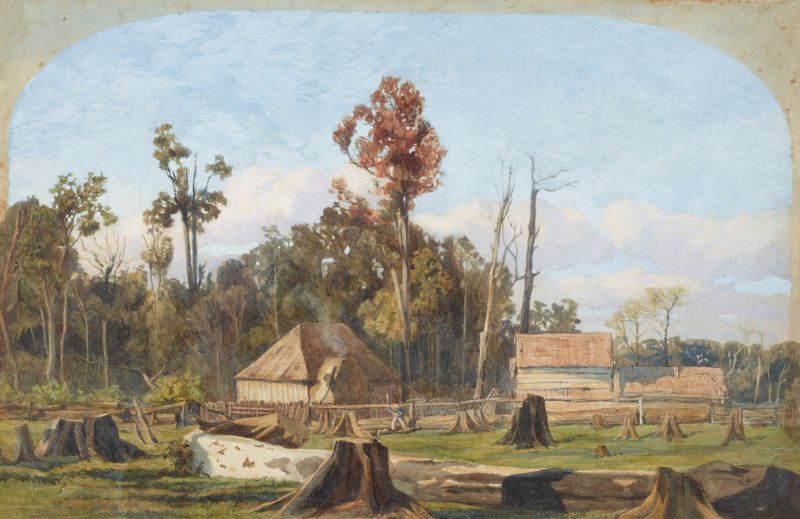
Settler’s home, Merton, near New Plymouth
James Crowe Richmond
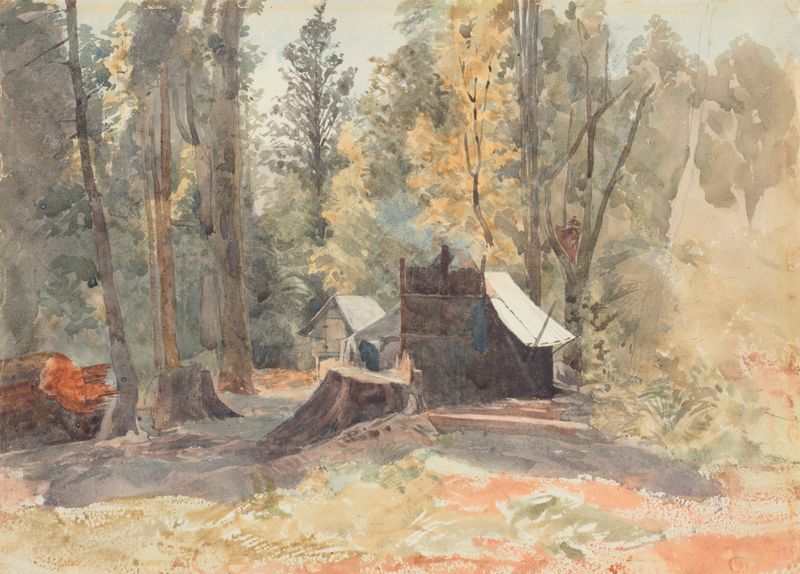
Hut of the ‘Italian party’, old diggings on Buller
James Crowe Richmond

Mosque at Tlemcen
James Crowe Richmond

Ngatapa, Te Kooti’s Pa
James Crowe Richmond

Dividing Range, Riwaka and Takaka
James Crowe Richmond
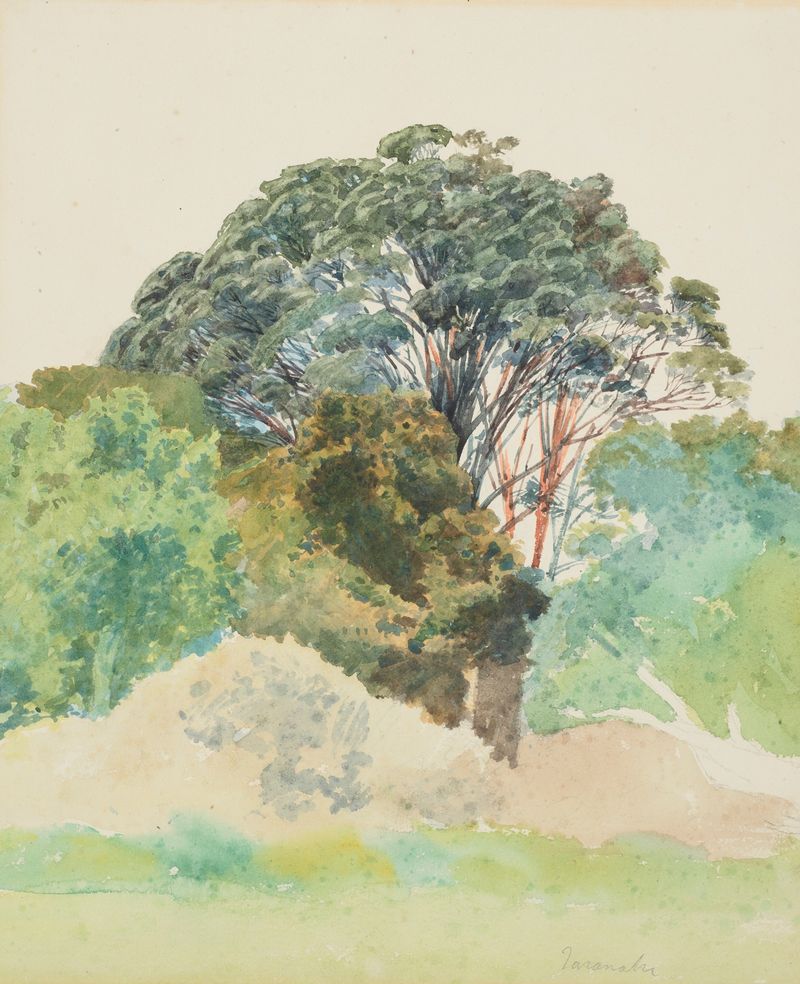
Rata, Taranaki
James Crowe Richmond

Grey River, on the beach
James Crowe Richmond
Dunedin from the Ocean Beach
James Crowe Richmond

On Collingwood Goldfields
James Crowe Richmond





