
Whooping Crane — History & Facts
The first thing to catch the eye in Whooping Crane by John James Audubon is the sheer scale of the bird, its elegant white form arching across nearly the entire frame, poised in a moment of predatory focus. The crane’s scarlet-capped head bends low, its beak parted as it stalks a trio of baby alligators scrambling on the muddy bank. Every feather is rendered with a precision that feels almost tactile, while the powerful, inky legs anchor the bird in a world that is both wild and meticulously observed.
The drama of the scene is heightened by the sharp contrast between the luminous white plumage and the dark, dense foliage behind—a visual duel between fragility and danger, grace and survival. This image belongs to a world where nature was still being catalogued, its marvels recorded for both science and wonder. In the early nineteenth century, works like Audubon’s Birds of America were monumental undertakings, blending field observation with artistic ambition. The fact that this plate was painted in New Orleans in 1821, with the alligators added a year later, speaks to the piecemeal, adventurous process behind such images.
Published between 1827 and 1838 and now held at the University of Pittsburgh, this print is a product of its era’s hunger for knowledge and spectacle—a time when natural history illustration was both art and evidence. The viewer is left to marvel at the precision and drama of a world that, even as it was being documented, was already slipping away.
More Artworks by John James Audubon
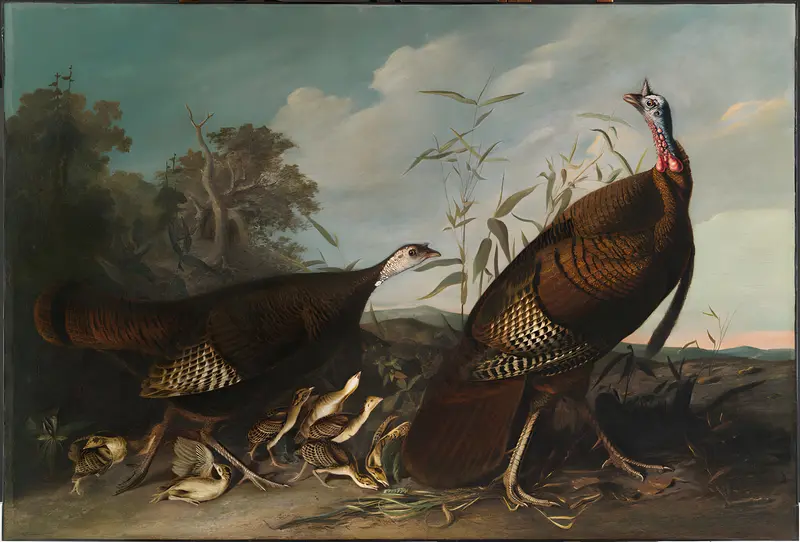
Wild Turkey Cock, Hen, and Chicks
John James Audubon
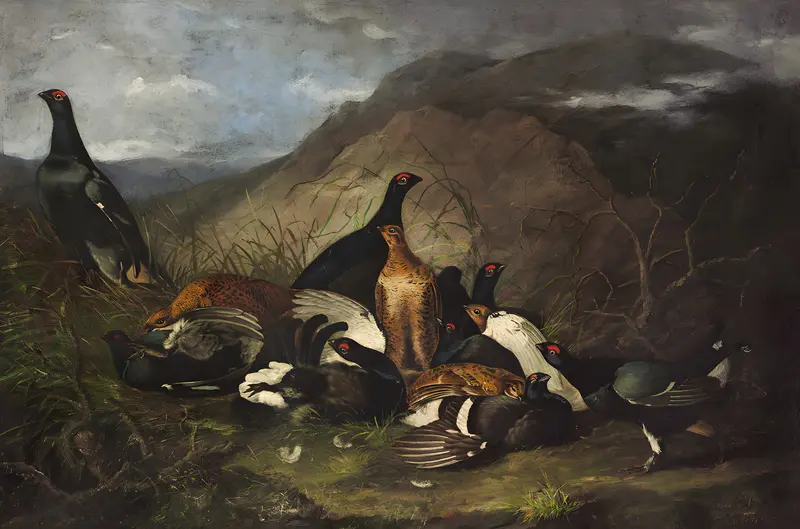
Scottish Black Grouse, Cocks and Hens
John James Audubon
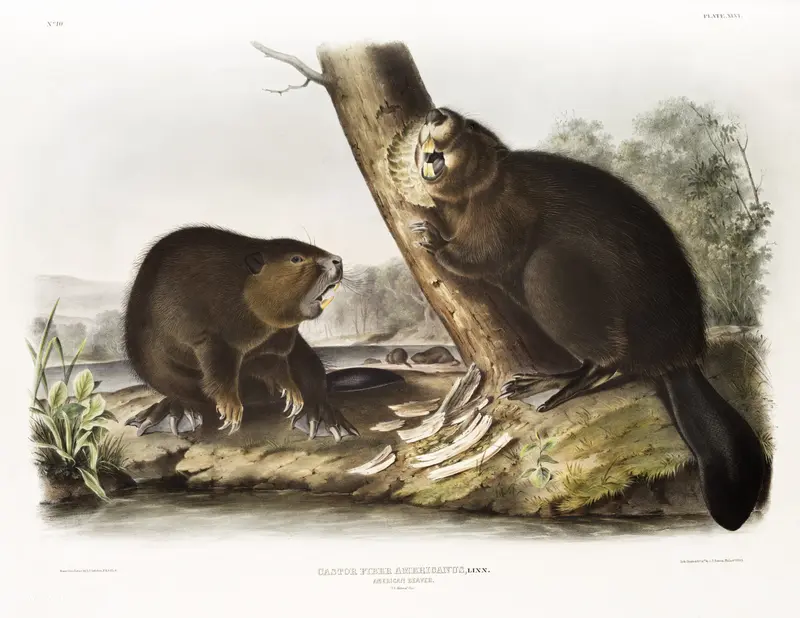
American Beaver
John James Audubon
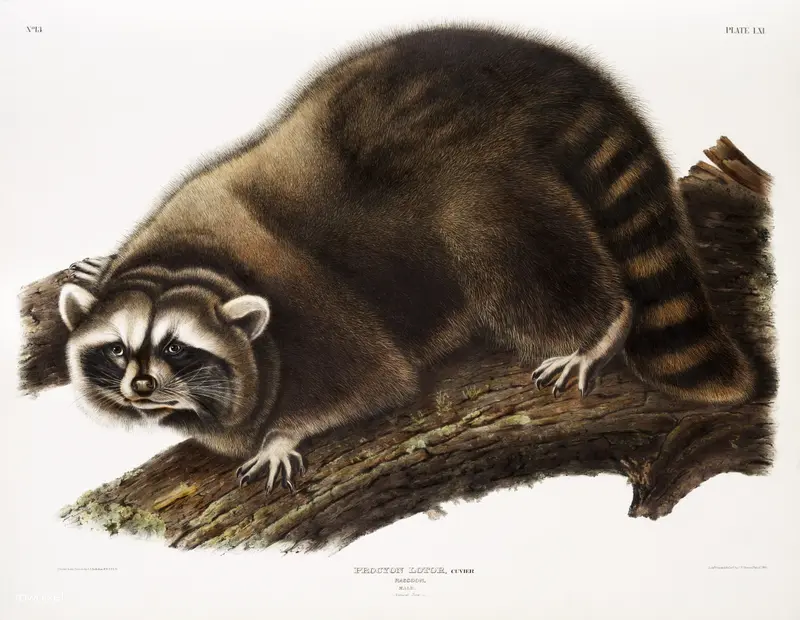
Raccoon
John James Audubon

Magnificent Frigatebird
John James Audubon
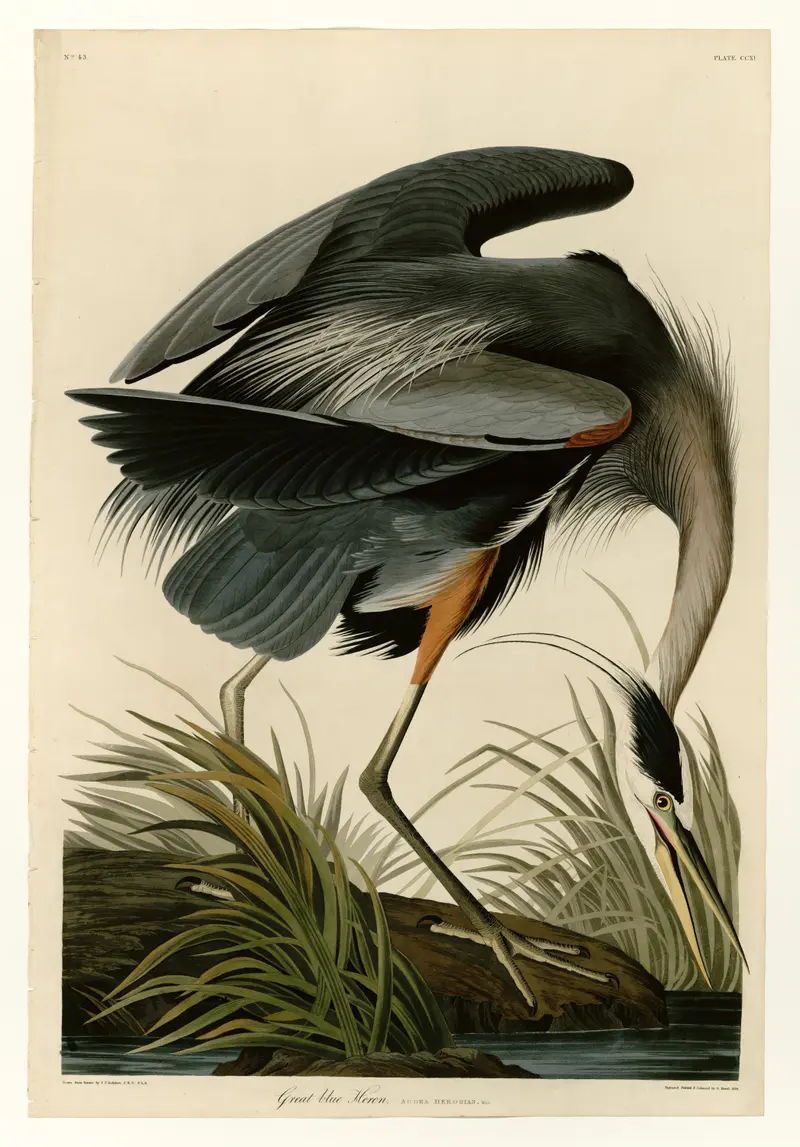
Great Blue Heron
John James Audubon
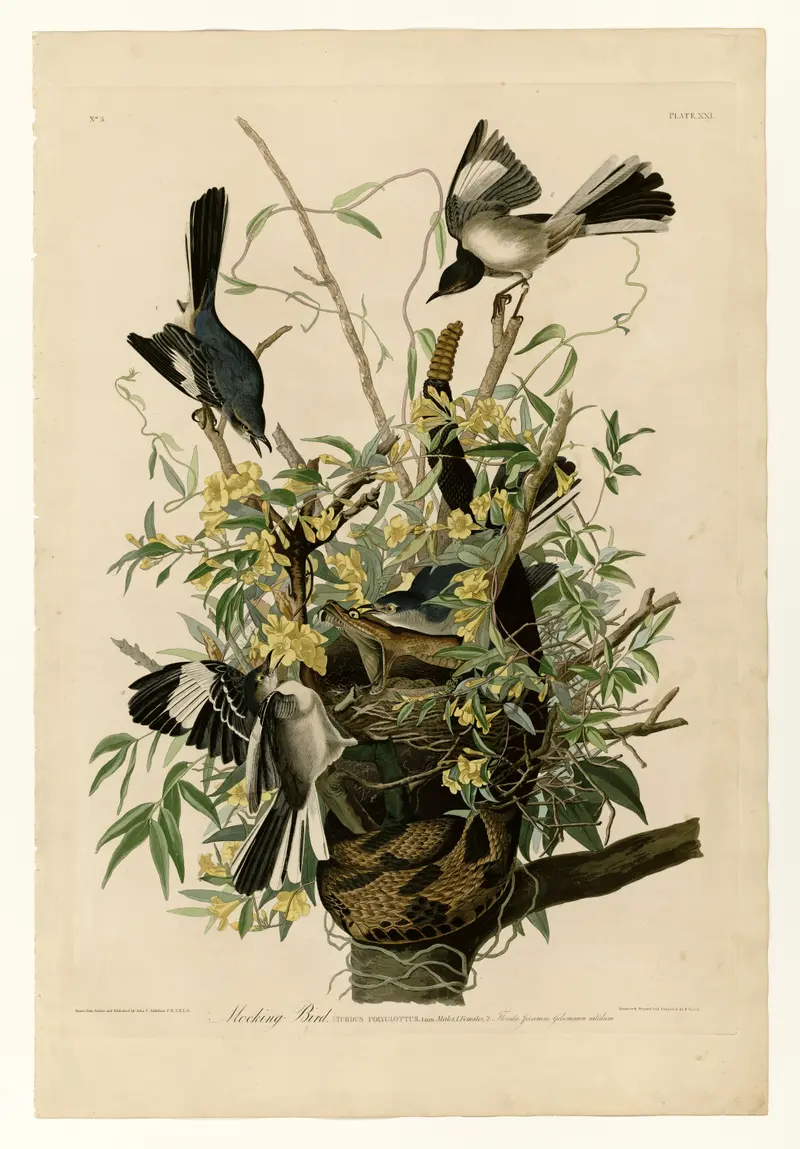
Northern Mockingbird
John James Audubon
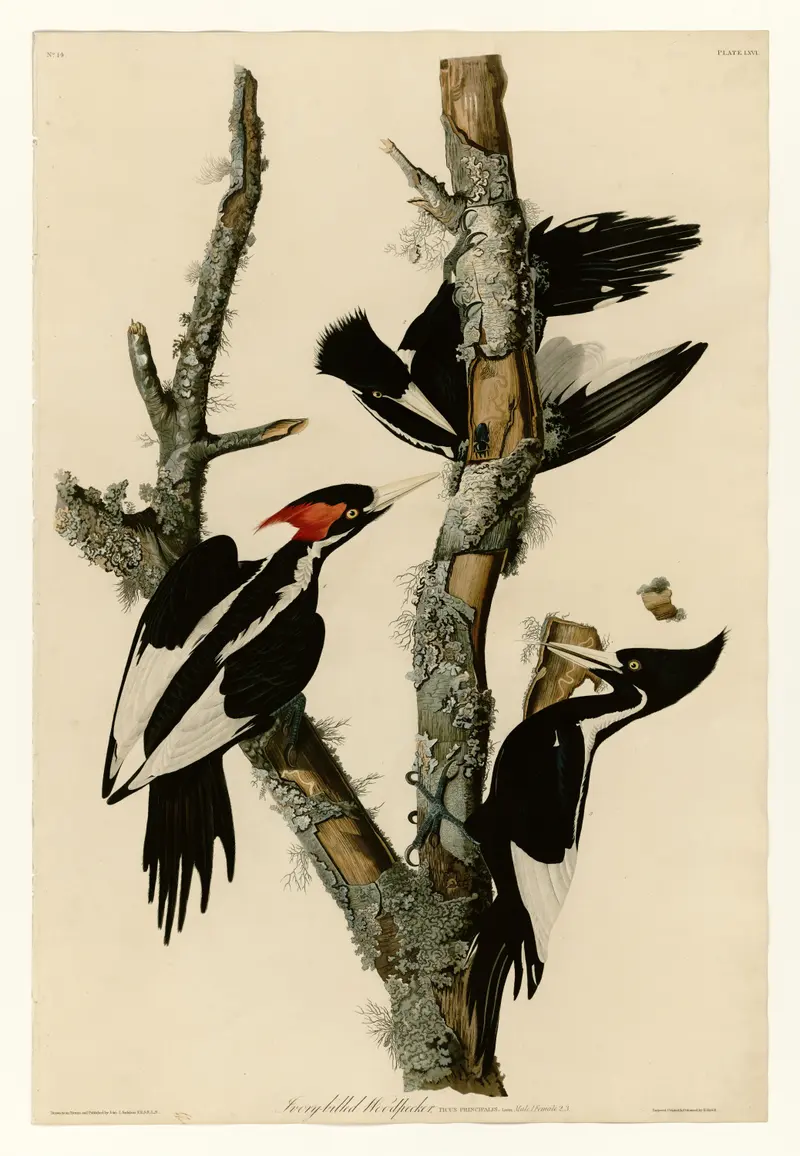
Ivory-billed Woodpecker
John James Audubon
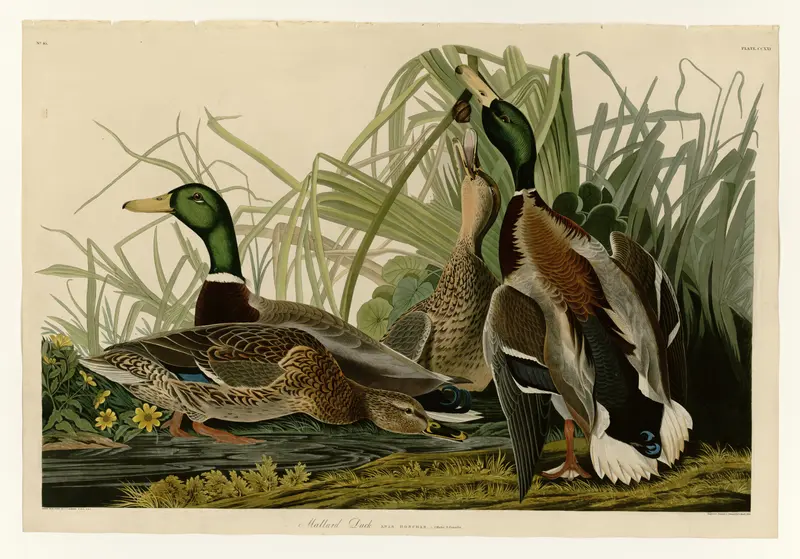
Mallard
John James Audubon
Ruby-throated Hummingbird
John James Audubon





