
Wiener Café: Im Lesezimmer — History & Facts
What first grabs the eye in Wiener Café: Im Lesezimmer is the almost feverish intensity of its central figure—a man hunched and peering, lips pursed, as if the fate of the world hangs on the next line he reads. Around him, other patrons slump over their newspapers, some absorbed, others nearly asleep, their faces rendered with a caricaturist’s sharp wit. The stacks of papers on the chair in the foreground are not just props but a signal: this is a place where news accumulates faster than it can be digested, and the pursuit of knowledge is both a ritual and a burden.
The palette—dominated by ochres, blacks, and acid greens—creates a sense of claustrophobia, while the angular lines and compressed space heighten the tension. Jung’s lithograph turns the reading room into a stage where obsession, fatigue, and the hunger for information play out in silent competition. Created in 1911, this lithograph belongs to a world where the Viennese café was more than a place for coffee; it was the city’s intellectual engine room. Artists, writers, and businessmen gathered in these rooms to debate, read, and watch the world go by.
The reading room—Lesezimmer—was a democratic innovation, offering access to the day’s newspapers for the price of a coffee, and it became a symbol of the era’s restless curiosity. Little is recorded about the journey of this specific print, now part of the Metropolitan Museum of Art’s open-access collection, but its style and subject are unmistakably of their time: a moment when modernity arrived in the form of ink-stained fingers and nervous glances over the top of a broadsheet. The anxious energy of Jung’s figures invites us to look closer, and perhaps to wonder what news could possibly be so urgent.
More Artworks by Moriz Jung
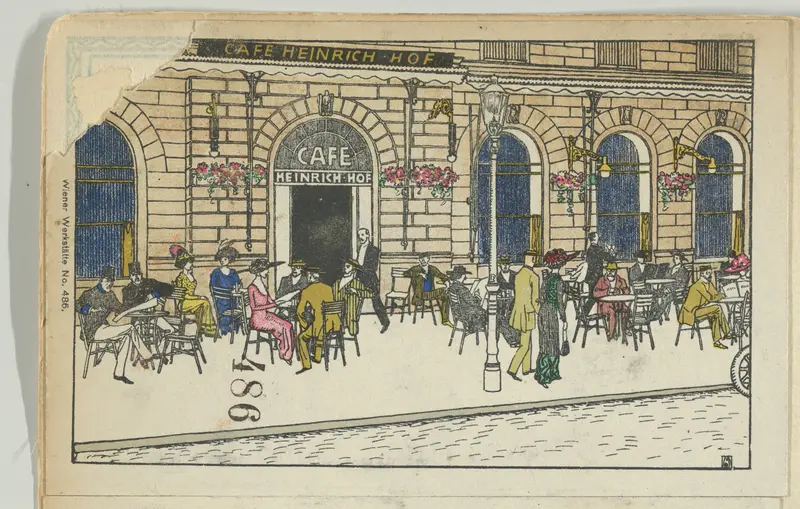
Café Heinrichhof
Moriz Jung

Moriz Jung Porträt
Moriz Jung
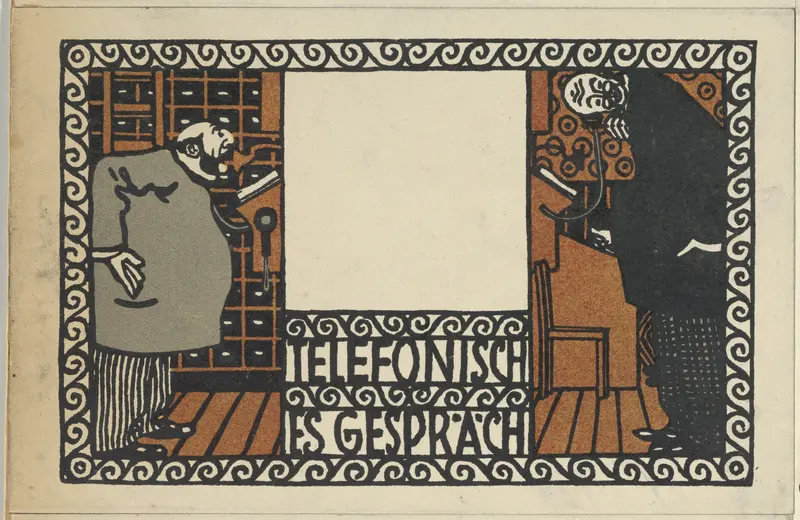
Telephone Conversation (Telefonisches Gespräch)
Moriz Jung
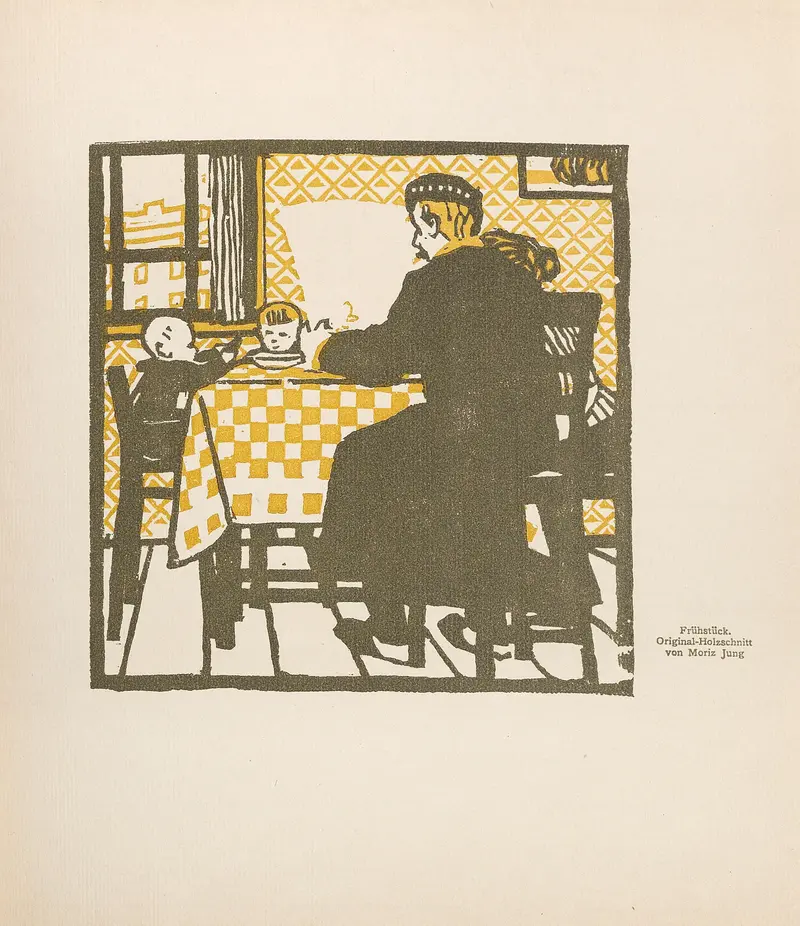
Moriz Jung Frühstück
Moriz Jung
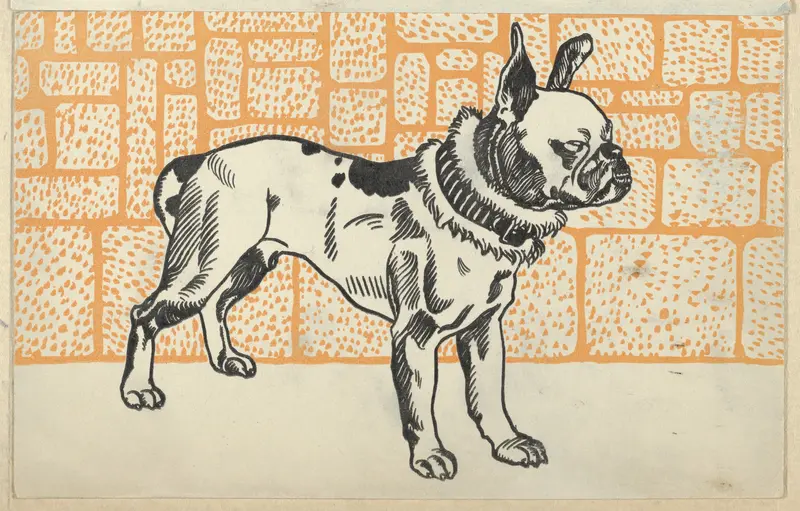
Pitbull Terrier
Moriz Jung
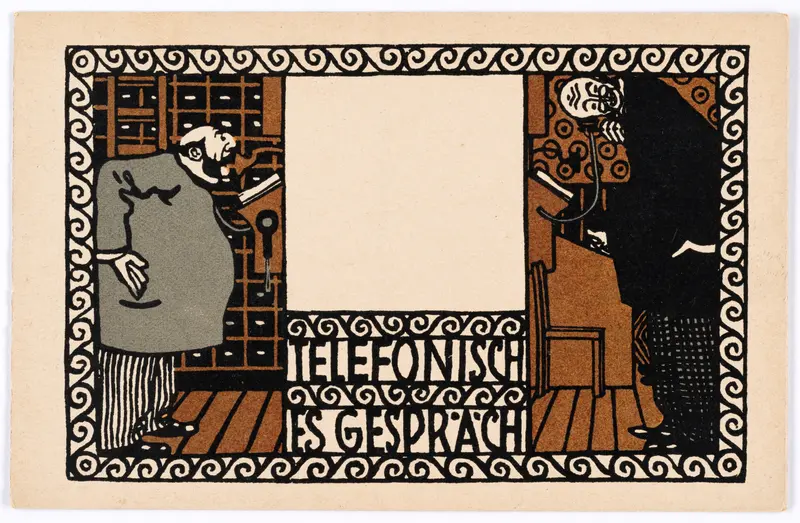
Postkarte der Wiener Werkstätte Nr. 58 - Telefonisches Gespräch
Moriz Jung
Postkarte der Wiener Werkstätte Nr. 58 - Telefonisches Gespräch - verso
Moriz Jung
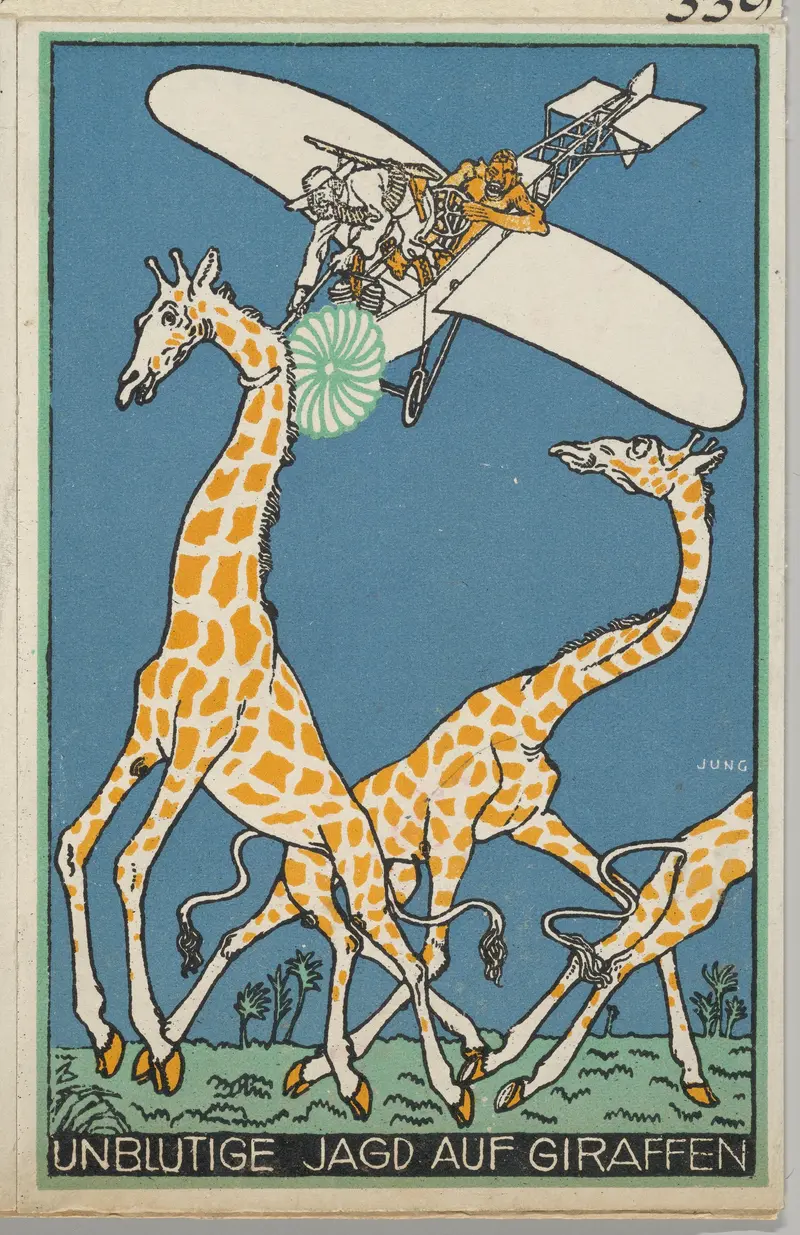
Bloodless Giraffe Hunt (Unblutige Jagd auf Giraffen)
Moriz Jung
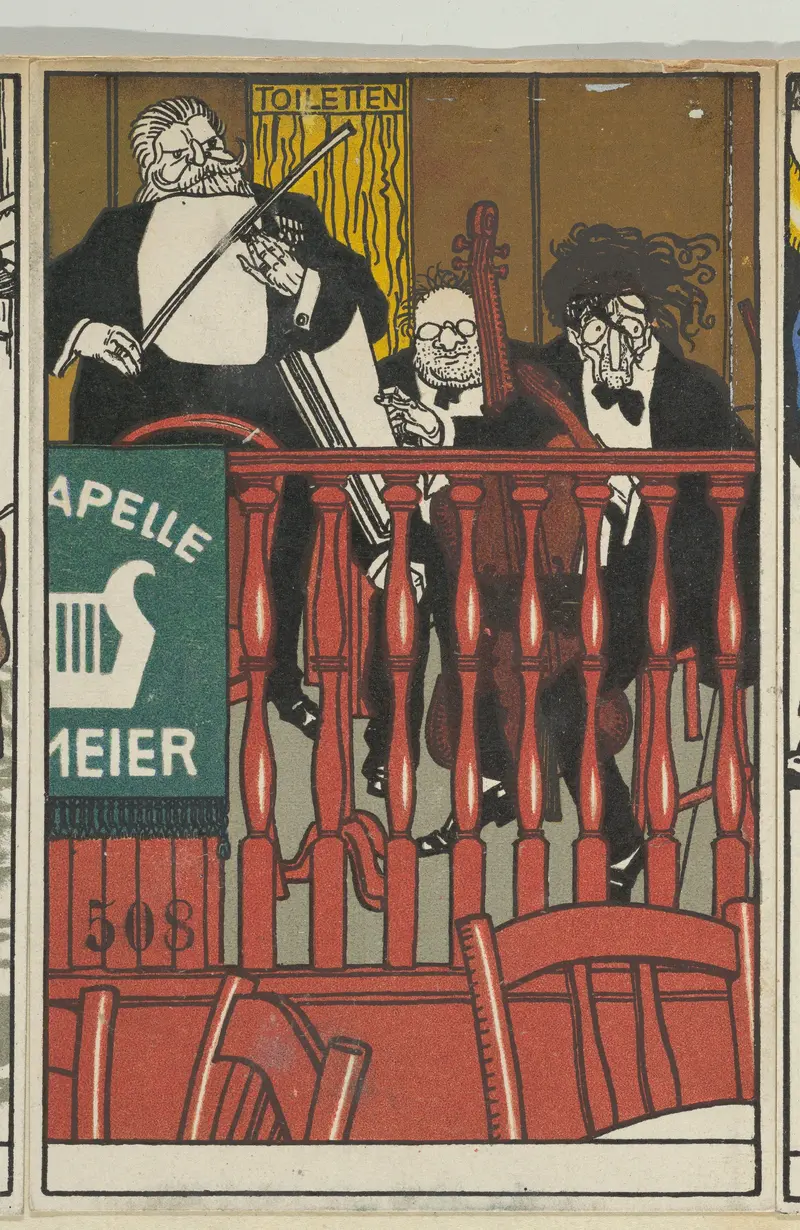
Salon Orchestra Meier
Moriz Jung
Wiener Café: Die Schachspieler
Moriz Jung
More Genre Scene Art

Banquet of the Officers of the St George Civic Guard
Frans Hals

Rembrandt and Saskia in the Scene of the Prodigal Son
Rembrandt van Rijn

Bal du moulin de la Galette
Pierre-Auguste Renoir

Quadrille at the Moulin Rouge
Henri de Toulouse-Lautrec

A Burial at Ornans
Gustave Courbet

When Will You Marry?
Paul Gauguin