
Willem IV en Margaretha — History & Facts
Could a single brushstroke hold eternity? In Willem IV en Margaretha, the delicate interplay of divine grace and human presence invites us to ponder the essence of existence itself. Look closely at the figures on the canvas: the serene expressions of Willem IV and Margaretha draw you in, heralding a moment where time seems suspended. The artist's meticulous attention to detail is evident in the rich textures of their garments, where deep blues entwine with gold threads, shimmering under the soft light. Notice how the arching background frames their figures, leading your gaze upward towards the heavenly motifs, creating a dialogue between the earthly and the celestial. Yet, beneath the surface of this harmonious portrayal lies a subtle tension.
The positioning of their hands—Willem's slightly forward and Margaretha's gently poised—suggests a yearning for connection amid a world of expectations. The choice of color palette enhances this duality; vibrant hues reflect their noble status, yet the subdued tones whisper of the fleeting nature of such grandeur. This work encapsulates the interplay between mortality and transcendence, echoing the divine within the human experience. Jacob Cornelisz van Oostsanen created this masterpiece in 1518, during a time when Northern Renaissance art was flourishing.
Working in Amsterdam, he was influenced by the humanist ideals of the day, blending religious themes with the burgeoning interest in portraiture. This painting not only reflects the personal lives of the subjects but also signifies the broader cultural shift towards individualism and the celebration of human dignity in art.
More Artworks by Jacob Cornelisz van Oostsanen
Browse all →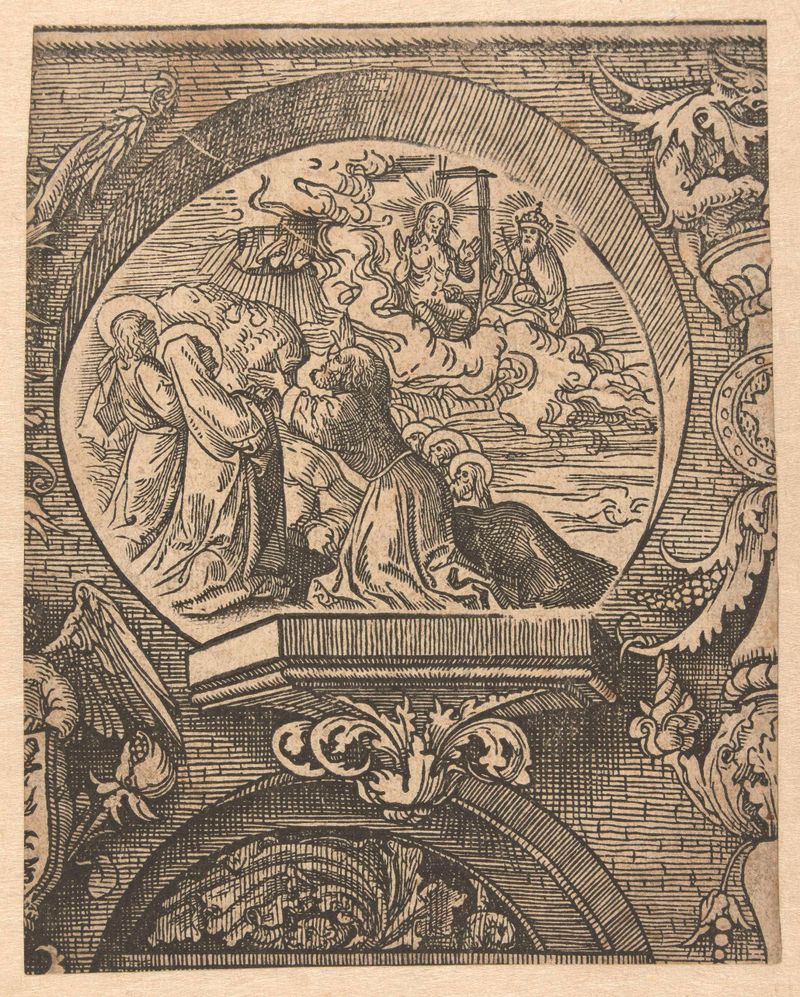
De hemelvaart en Christus voor God de Vader
Jacob Cornelisz van Oostsanen
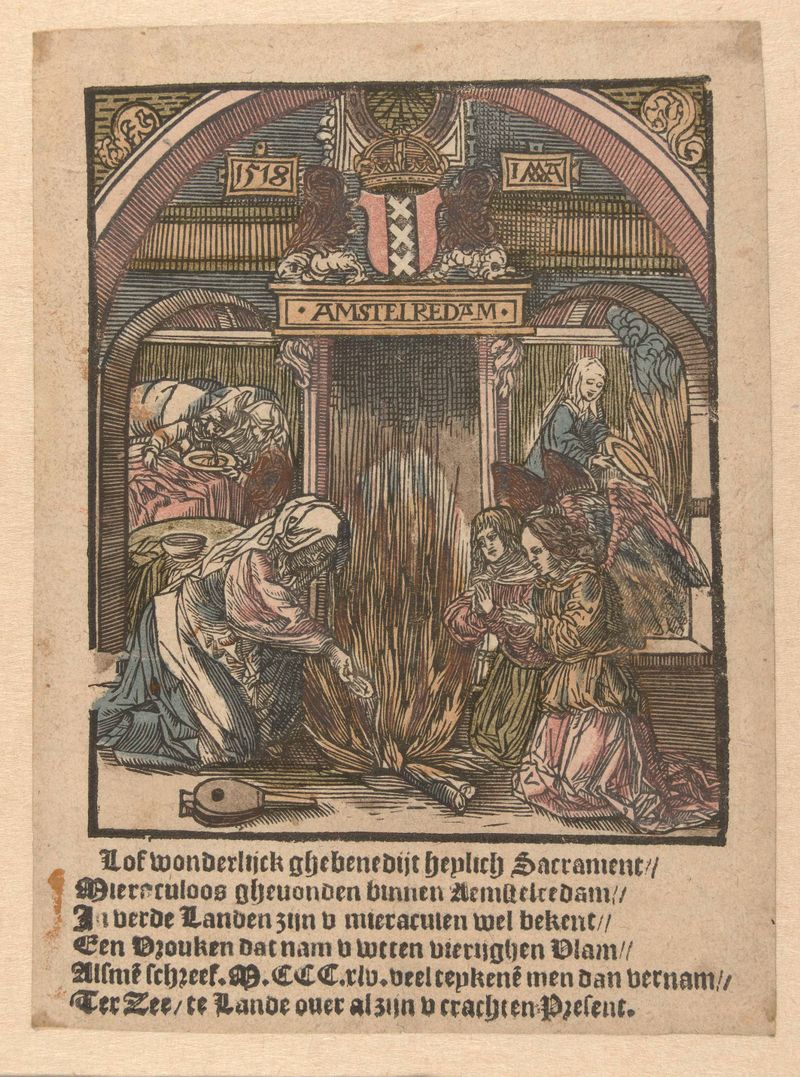
Het hostiewonder van Amsterdam
Jacob Cornelisz van Oostsanen
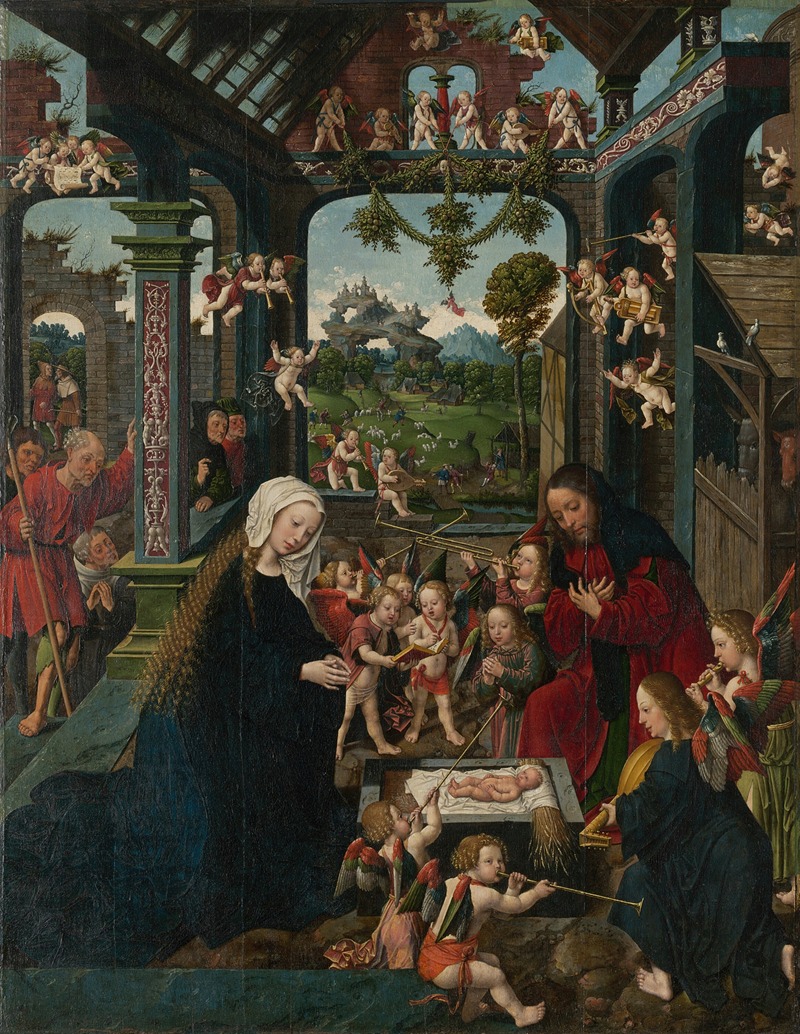
The Adoration of the Christ Child
Jacob Cornelisz van Oostsanen
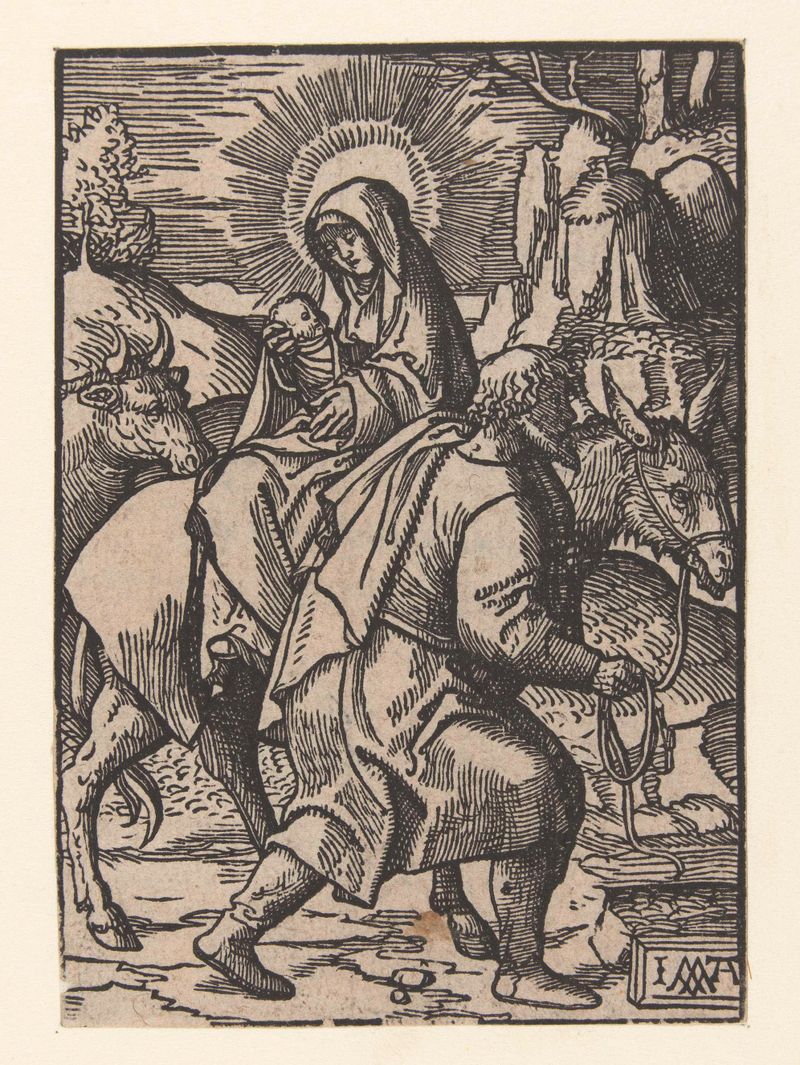
Vlucht naar Egypte
Jacob Cornelisz van Oostsanen
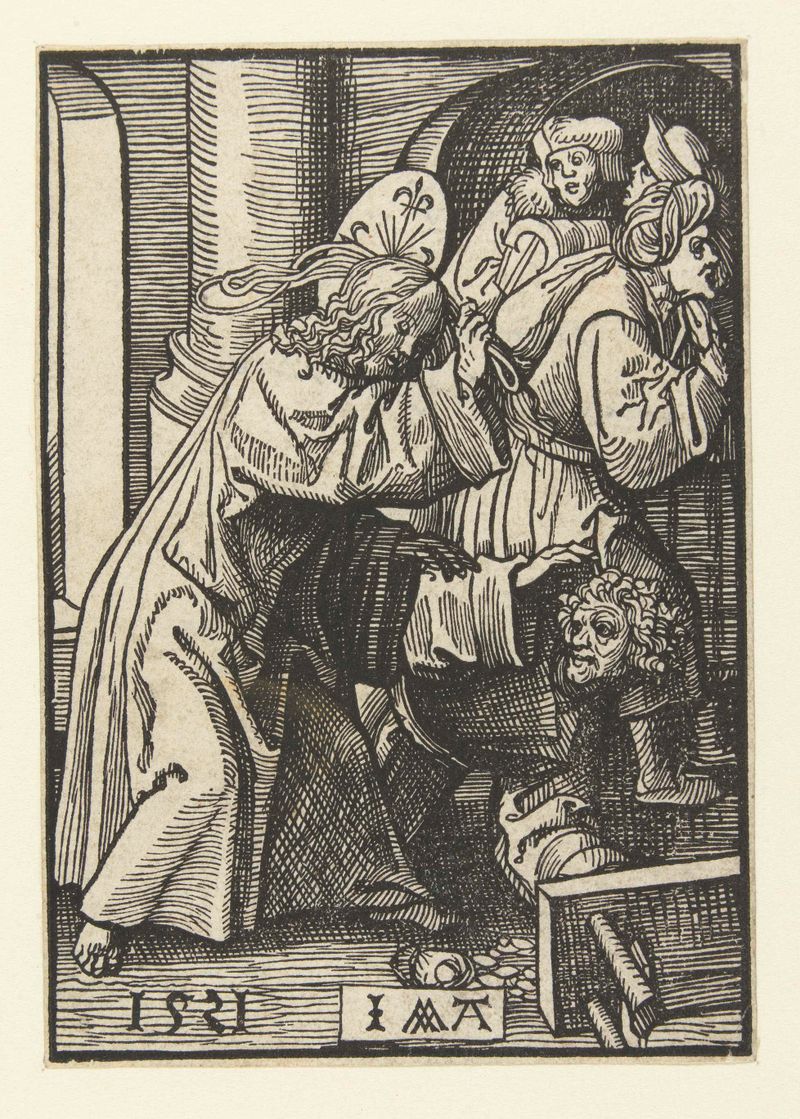
Verdrijving van de handelaren uit de tempel
Jacob Cornelisz van Oostsanen
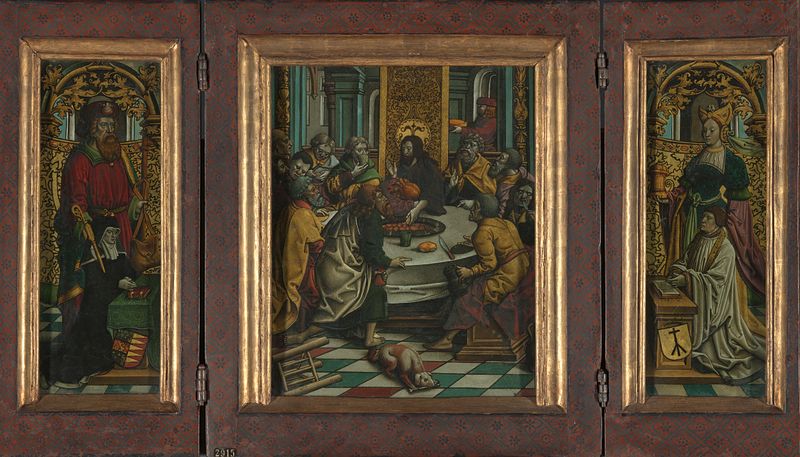
Triptych with the Last Supper and Donors
Jacob Cornelisz van Oostsanen
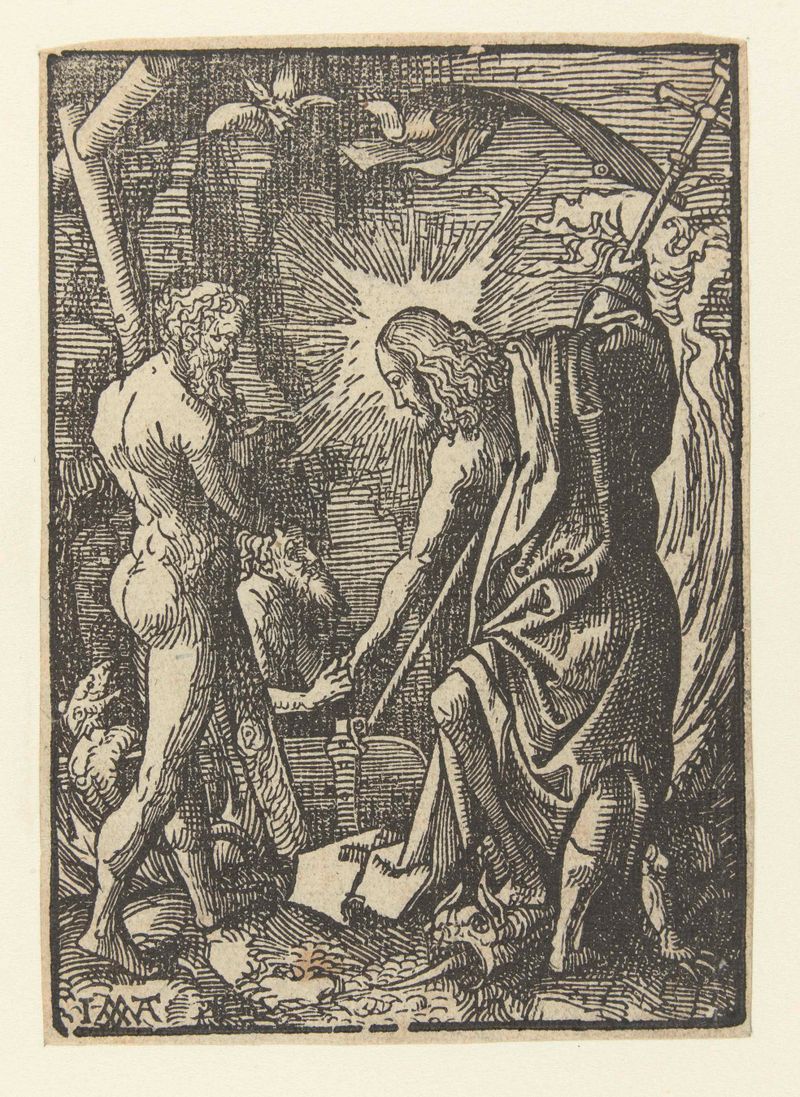
Christus in het voorgeborchte
Jacob Cornelisz van Oostsanen
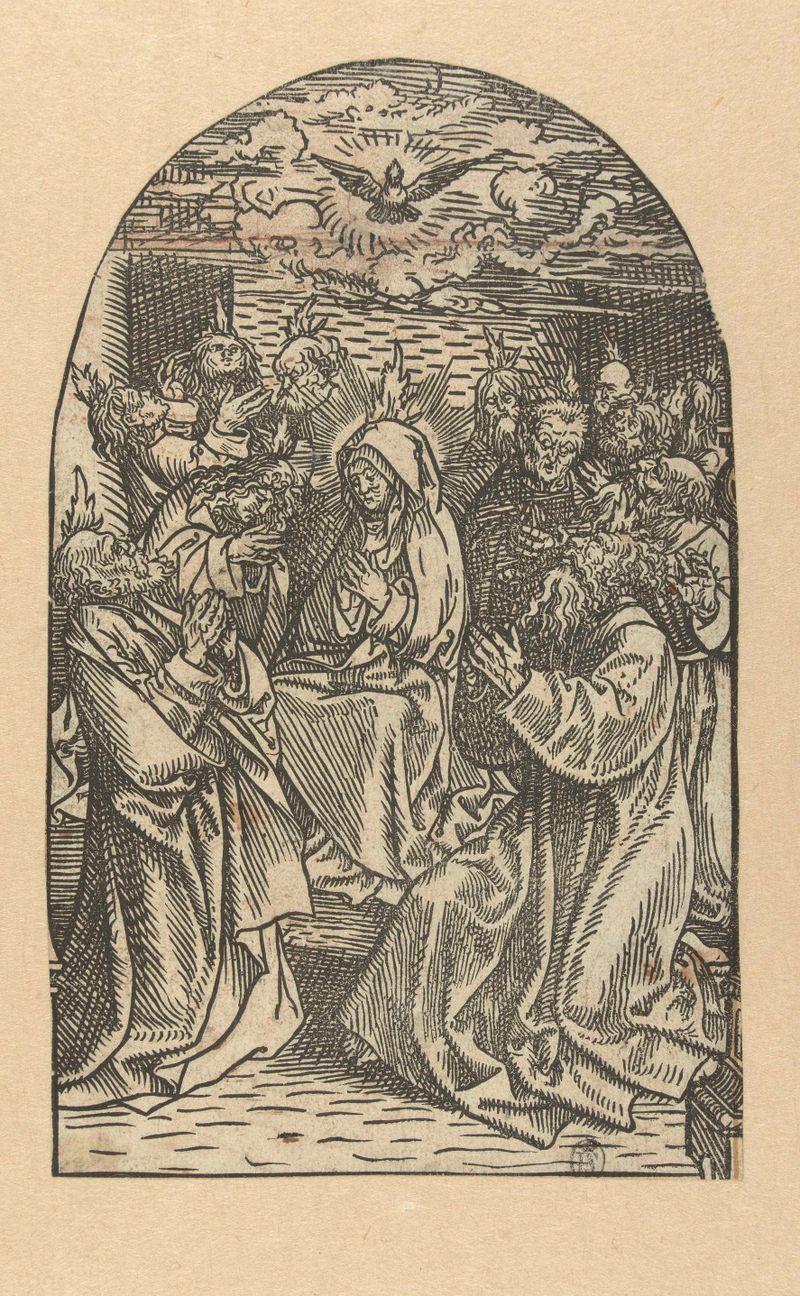
Uitstorting van de Heilige Geest
Jacob Cornelisz van Oostsanen
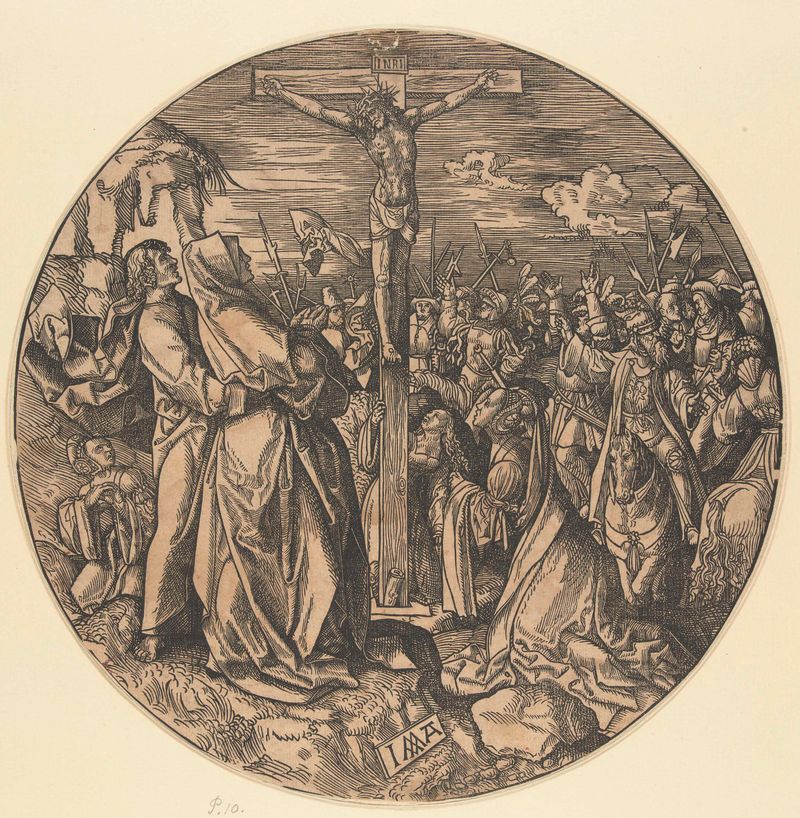
Christus aan het kruis
Jacob Cornelisz van Oostsanen

De kruisiging en de graflegging van Christus
Jacob Cornelisz van Oostsanen
More Portrait Art
Browse all →
Las meninas
Diego Velázquez

Self-portrait with a Bandaged Ear and Pipe
Unidentified artist

Girl with a Pearl Earring
Johannes Vermeer

The Sampling Officials of the Amsterdam Drapers’ Guild, Known as ‘The Syndics’
Rembrandt van Rijn

The Hundred Guilder Print: the man seen on the back in the lower left corner
Rembrandt van Rijn

Portrait of Dr Gachet
Vincent van Gogh