
Williamsburg — History & Facts
Could beauty survive in a century of chaos? In a world teetering on the brink of modernity, the answer lies hidden within the brushstrokes of this captivating work. Focus on the soft, pastel hues that permeate the canvas, inviting you into a tranquil yet compelling scene. The interplay of light and shadow creates an almost dreamlike quality, drawing the eye first to the gently rippling waters in the foreground. Notice how the artist has masterfully captured the reflections, a delicate echo of the surrounding architecture, leading your gaze towards the stately buildings and the whispering trees that frame the background.
Each detail is meticulously rendered, revealing a world both serene and vibrant, where nature and civilization coalesce. Yet, beneath this idyllic facade lies an undercurrent of obsession, a tension between progress and preservation. The juxtaposition of the sprawling urban environment against the calm waters hints at the fragility of beauty in the face of relentless change. Every brushstroke exudes a longing for a simpler time, while simultaneously acknowledging the inevitability of transformation.
This dichotomy offers a poignant commentary on the human condition, where our quest for advancement often comes at the cost of what we hold dear. In 1898, Peixotto painted this piece during a period of significant change in American art, as artists began to embrace impressionism while grappling with the rise of industrialization. Living in California at the time, he was deeply influenced by the natural landscapes and urban environments around him, reflecting a broader artistic movement that sought to capture the essence of place amidst a rapidly evolving society.
More Artworks by Ernest Peixotto
Browse all →
Fort Moultrie on the Site of Old Fort Sullivan
Ernest Peixotto
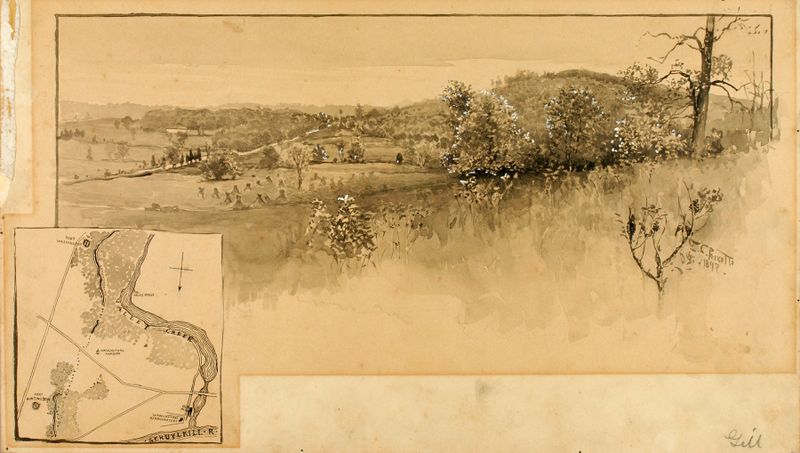
Valley Forge
Ernest Peixotto
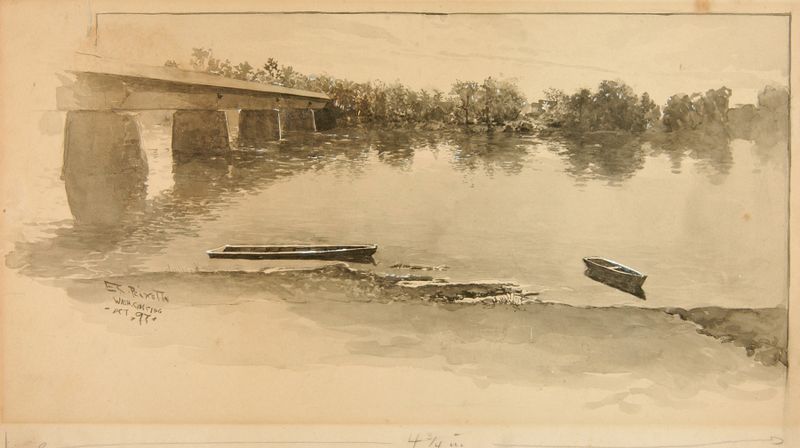
Washington Crossing
Ernest Peixotto

Ticonderoga
Ernest Peixotto
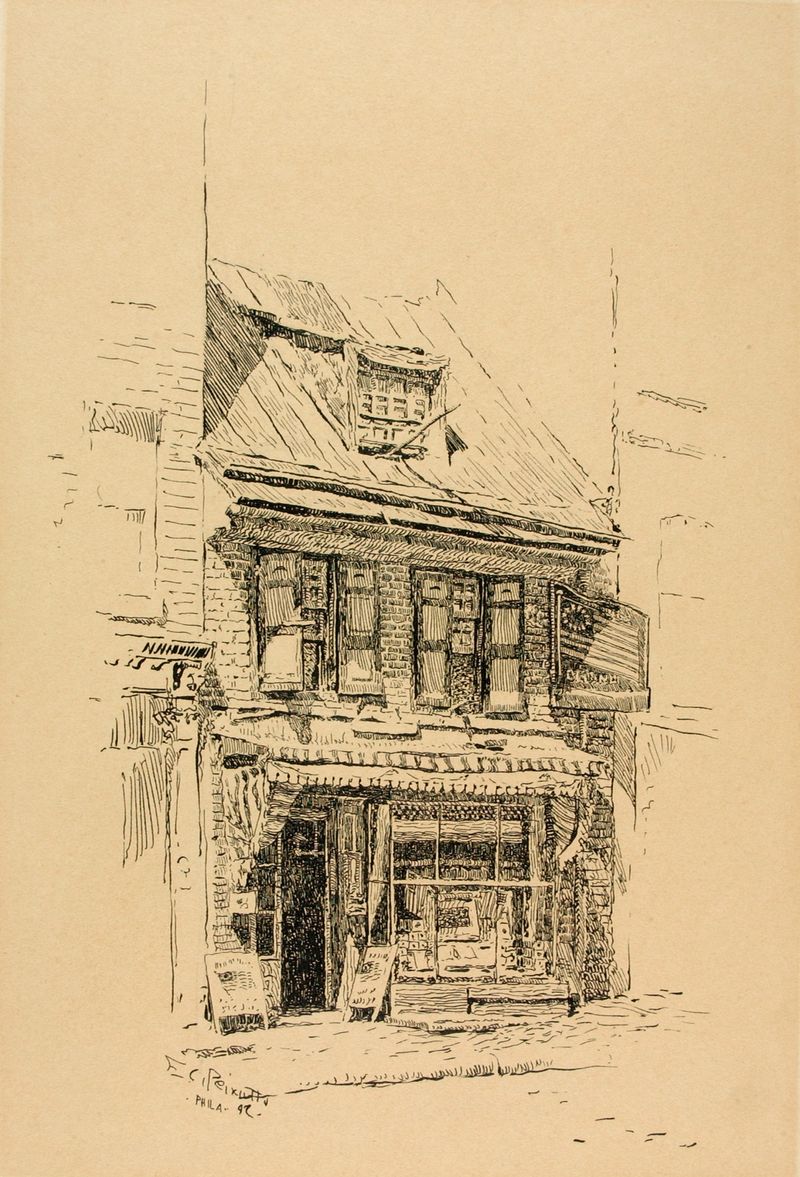
House Where First American Flag Was Made
Ernest Peixotto
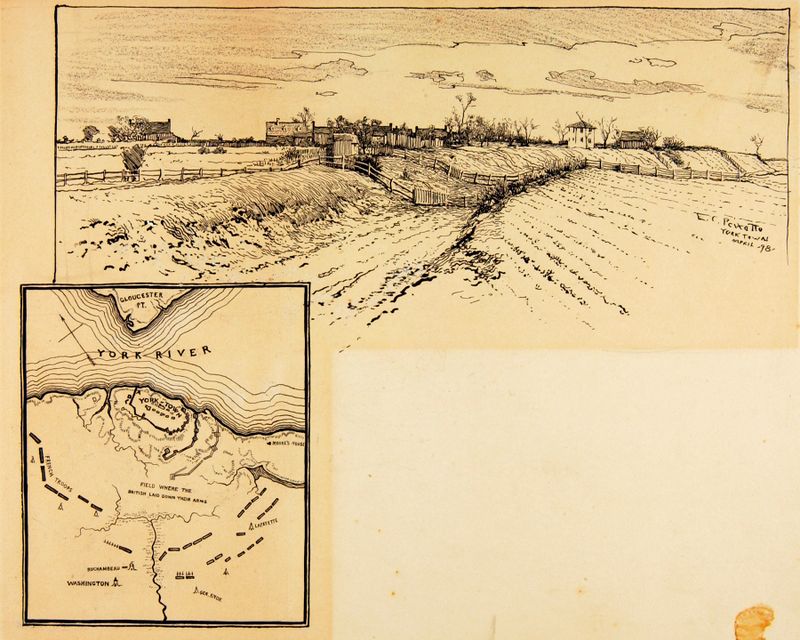
Present Appearance of British Entrenchment, Yorktown
Ernest Peixotto
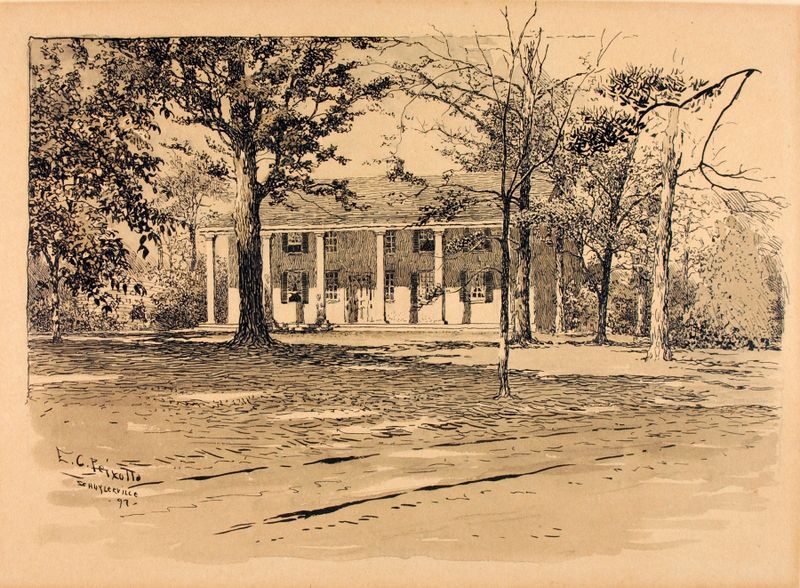
Saratoga. General Schuyler’s House
Ernest Peixotto
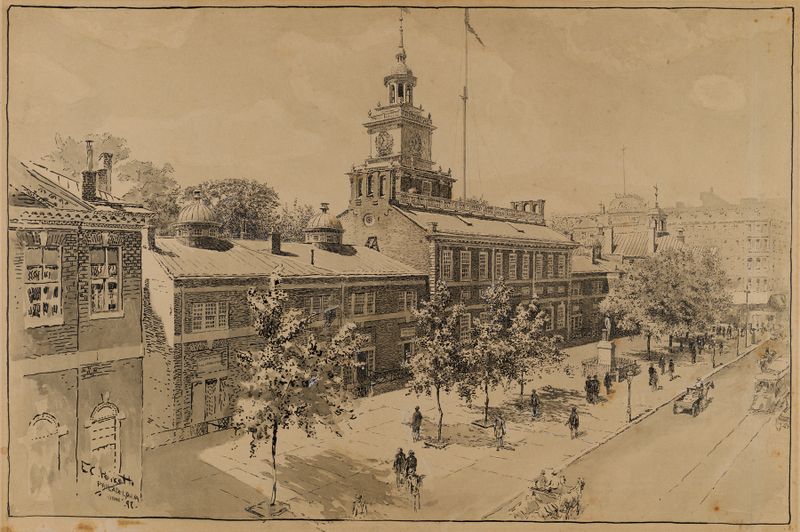
Philadelphia, Independence Hall, Chestnut Street
Ernest Peixotto
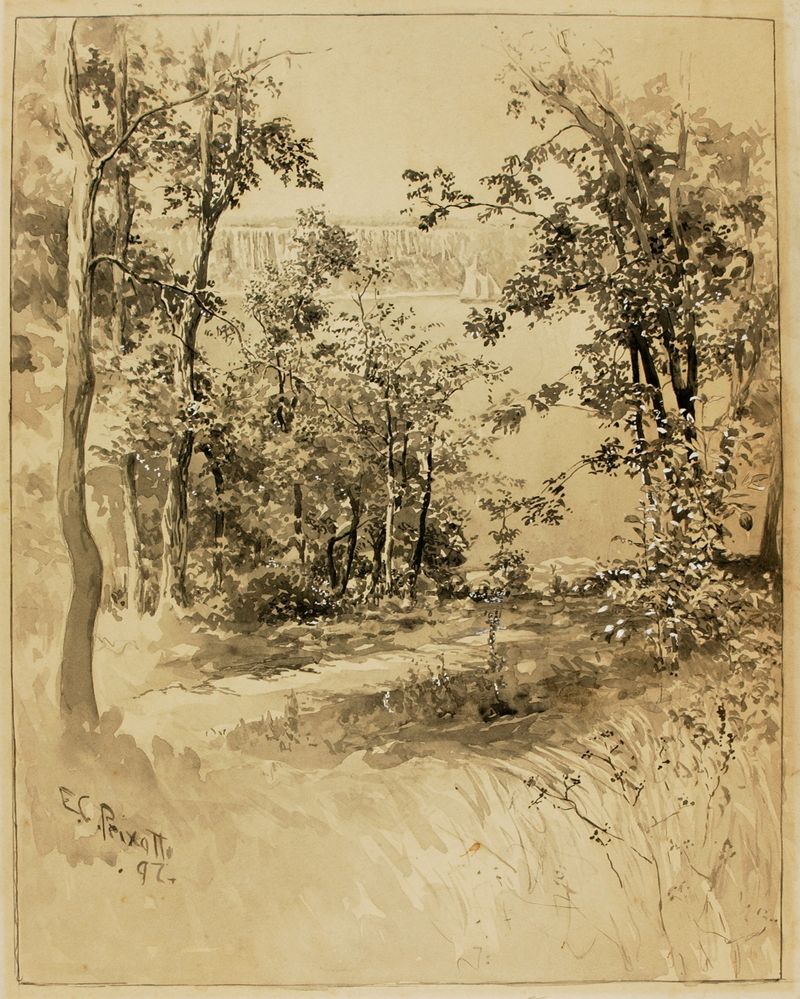
New York, Site of Fort Washington, Looking at Fort Lee
Ernest Peixotto

Capture of Fort Ticonderoga
Ernest Peixotto





