
Wilton Castle — History & Facts
In the delicate interplay of light and shadow, the fragility of time reveals itself, echoing the fleeting essence of life and memory. Look to the left where the castle looms majestically, its architecture both imposing and serene against the soft hues of twilight. Notice how the artist meticulously crafted the stone walls, each texture a testament to the passage of time, while the gentle brushstrokes of the surrounding landscape envelop it in a lush embrace. The subtle shift from warm ochres to cool blues captures an evening’s play, drawing your eyes deeper into the scene and inviting you to explore the contrast between permanence and transience. As you delve further, consider the juxtaposition of the sturdy castle against the ephemeral clouds drifting above.
This contrast speaks to the human condition, a struggle between stability and the inevitable erosion of all things beautiful. The reflection in the river below adds another layer of fragility, a mirror of history that hints at stories untold and dreams unfulfilled, suggesting that the past is always one breath away from vanishing. In 1825, Theodore Henry Adolphus Fielding created this work amidst a vibrant landscape of British art, where Romanticism was giving way to a more nuanced realism. Living in England during a time of industrial change and evolving artistic ideals, Fielding sought to capture not just the physicality of his subjects but their emotional resonance.
His focus on natural beauty and architectural grandeur reflects a deep appreciation for a world in flux, making Wilton Castle a poignant meditation on memory and impermanence.
More Artworks by Theodore Henry Adolphus Fielding
Browse all →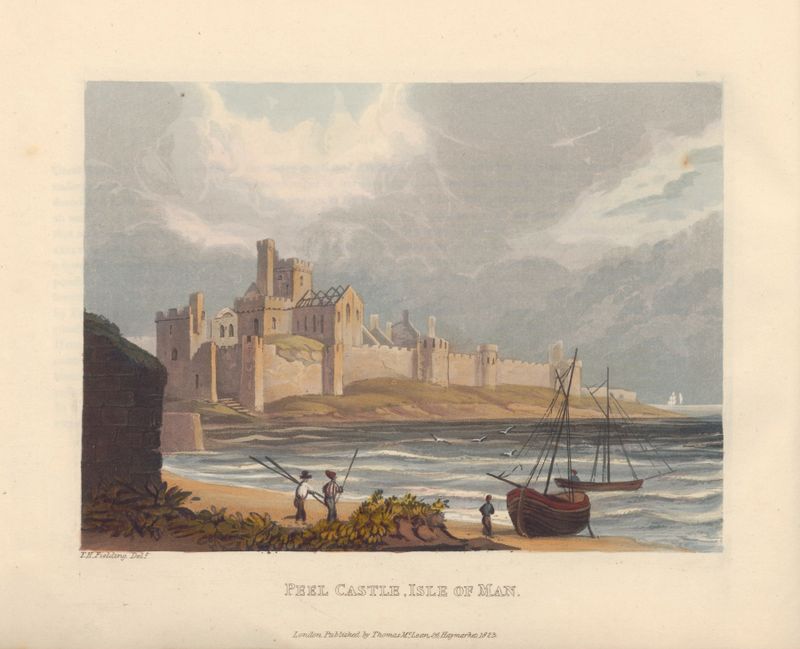
Peel Castle, Isle of Man
Theodore Henry Adolphus Fielding
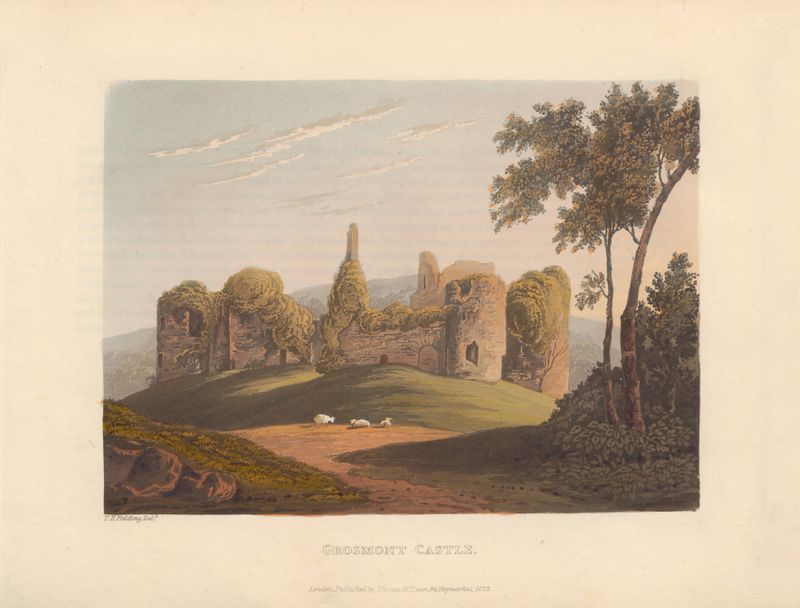
Grosmont Castle
Theodore Henry Adolphus Fielding
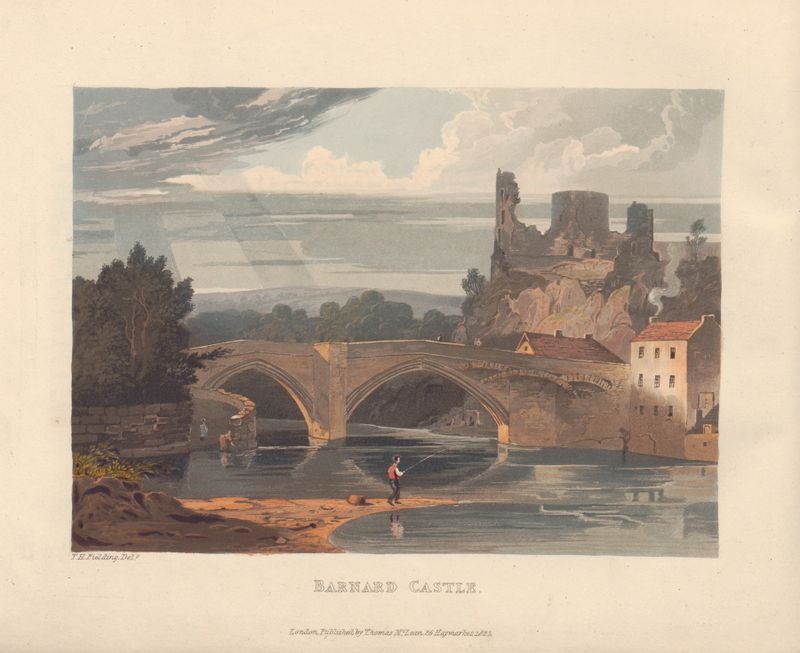
Barnard Castle
Theodore Henry Adolphus Fielding
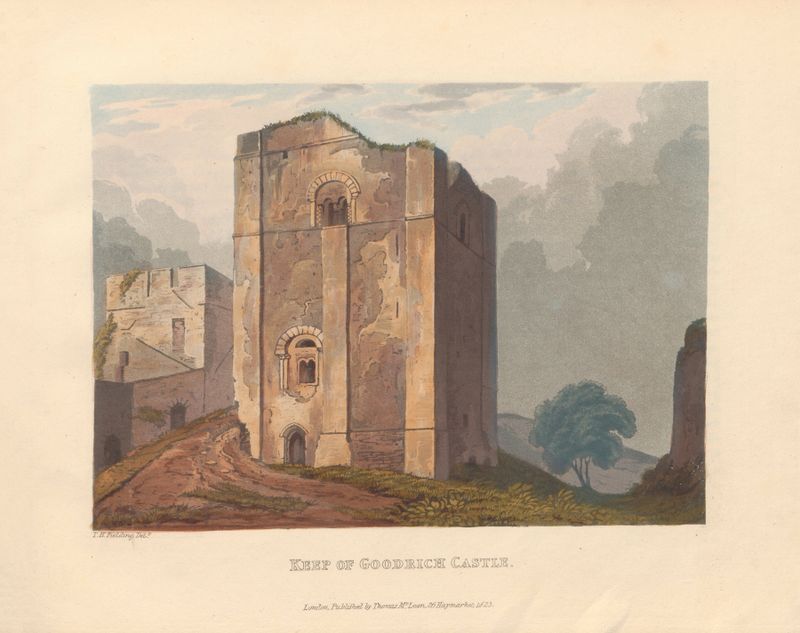
Keep of Goodrich Castle
Theodore Henry Adolphus Fielding
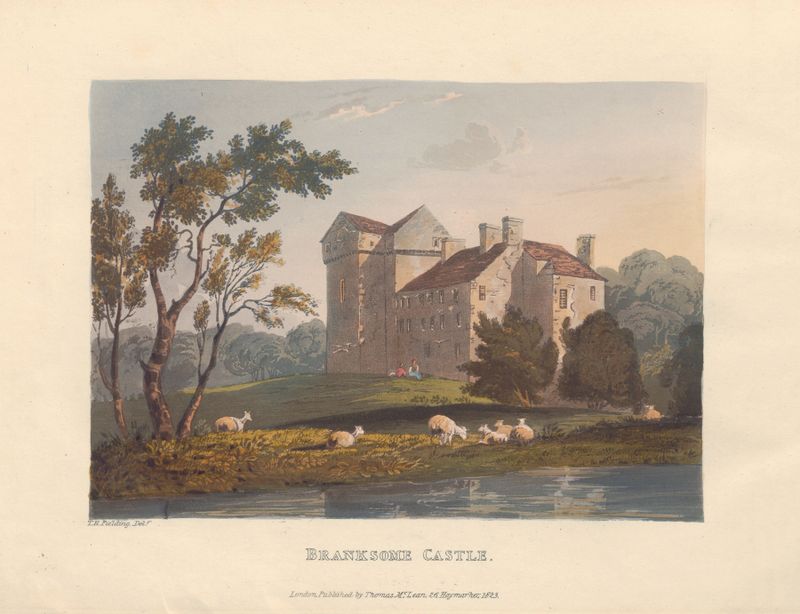
Branksome Castle
Theodore Henry Adolphus Fielding
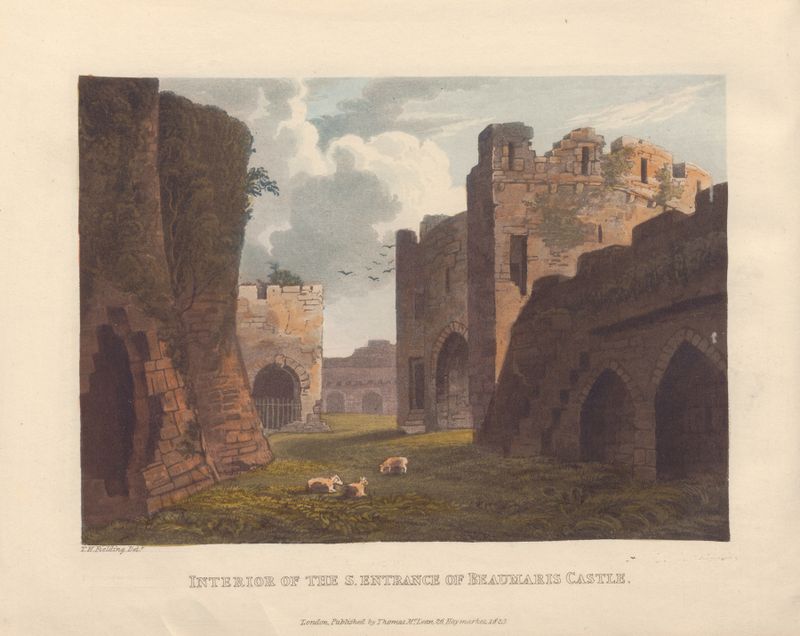
Interior of the south entrancce of Beaumaris Castle
Theodore Henry Adolphus Fielding
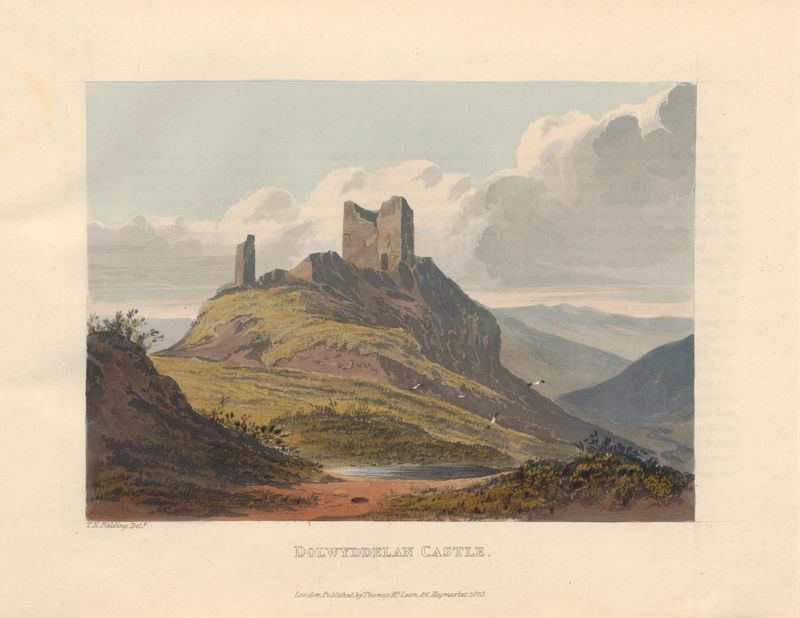
Dolwyddelan Castle
Theodore Henry Adolphus Fielding
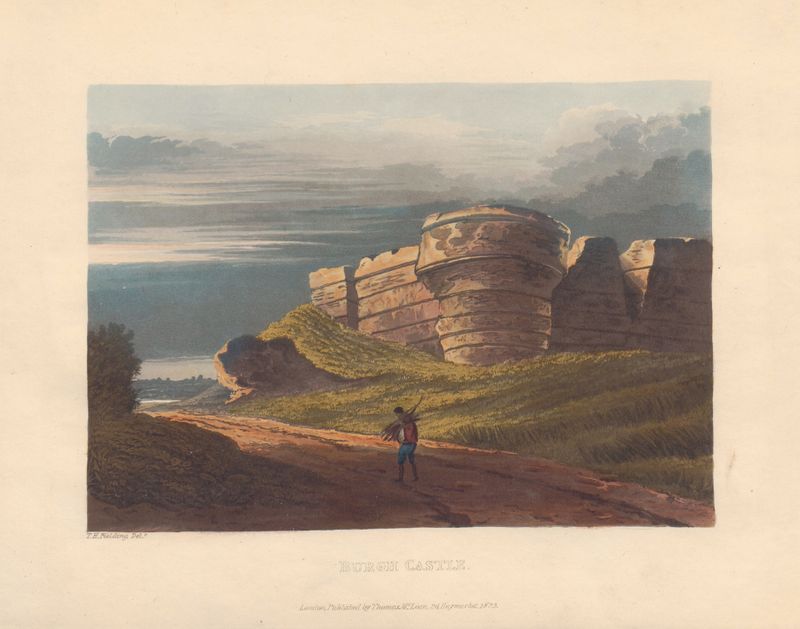
Burgh Castle
Theodore Henry Adolphus Fielding
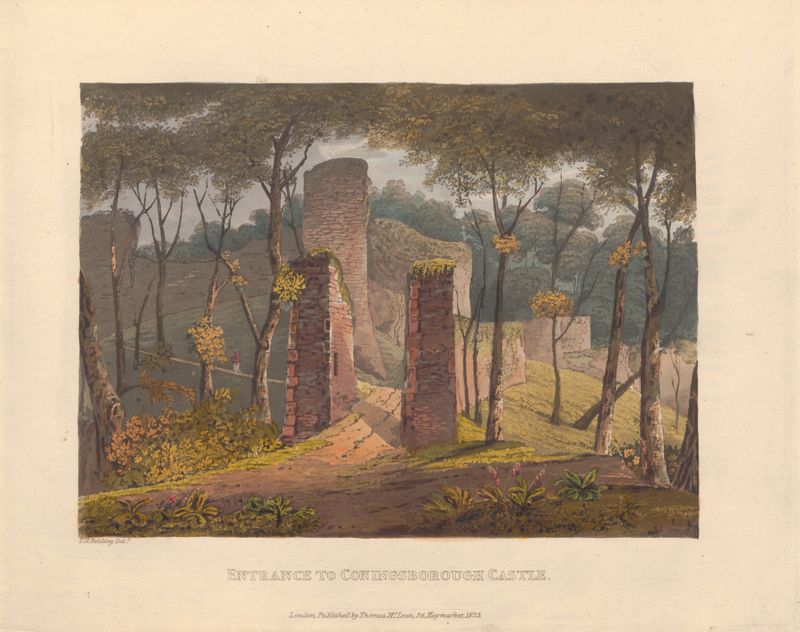
Entrance to Coningsborough Castle
Theodore Henry Adolphus Fielding
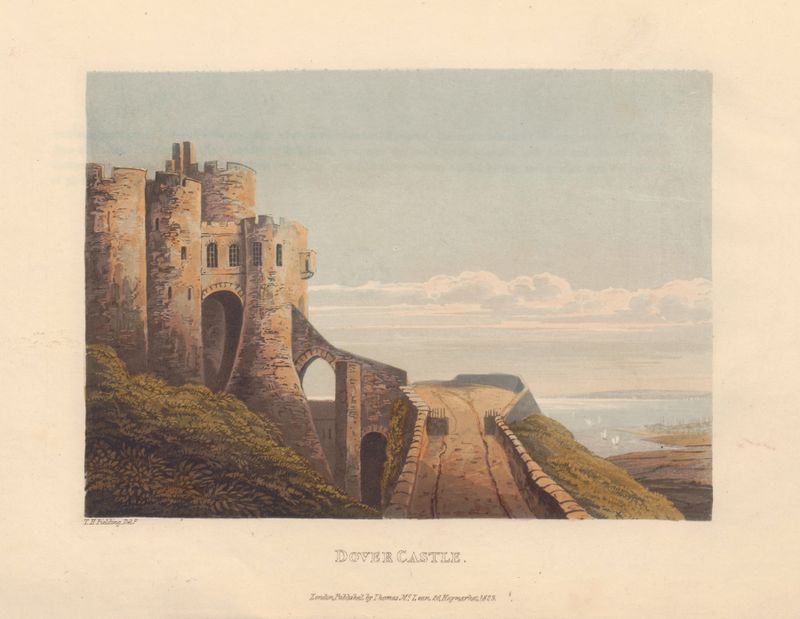
Dover Castle
Theodore Henry Adolphus Fielding
More Architecture Art
Browse all →
The statue of Liberty
Frédéric Auguste Bartholdi

View of Houses in Delft, Known as ‘The Little Street’
Johannes Vermeer

View of Houses in Delft, Known as ‘The Little Street’
Johannes Vermeer

The Cathedral in Rouen. The portal, Grey Weather
Claude Monet

The yellow house
Vincent van Gogh

The Church in Auvers-sur-Oise, View from the Chevet
Vincent van Gogh