
Windy Day, Bronx River — History & Facts
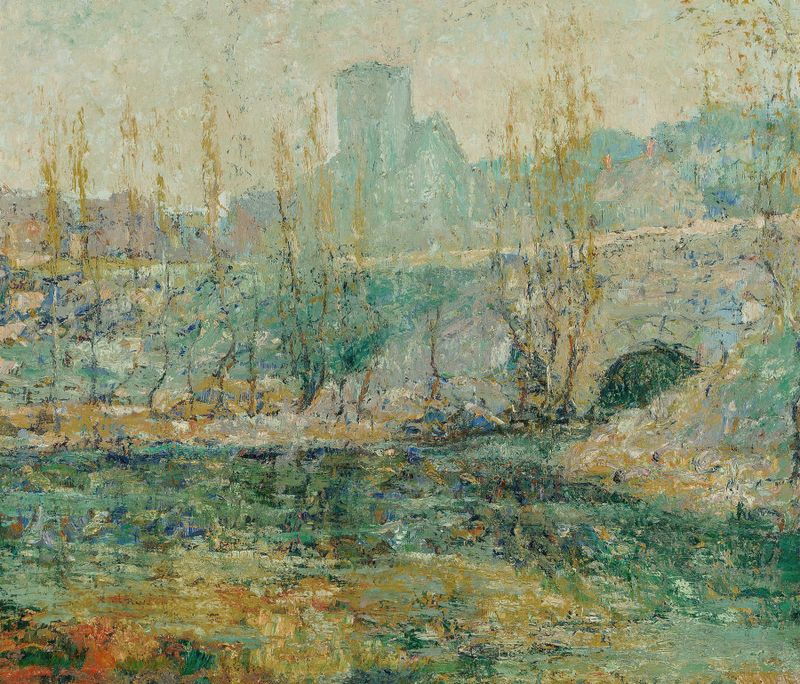
Could beauty survive in a century of chaos? In Windy Day, Bronx River, a world of tranquil splendor emerges amidst the clamor of urban life, beckoning the viewer to pause and reflect. Look to the center, where the river meanders gently through the canvas, its surface shimmering with hues of blue and green. Notice how the dappled sunlight dances on the water, creating a sense of movement that draws the eye. The surrounding trees, robust and vibrant, frame the scene, their leaves caught in the breeze, evoking an atmosphere filled with dynamism and life.
The painter’s brushstrokes offer a tactile quality, capturing the essence of nature while hinting at the artist's yearning for solace amid urban encroachment. Delve deeper into the painting, and a sense of longing emerges. The juxtaposition of the serene river against the looming cityscape in the distance signifies a tension between nature and industrialization. This duality invites contemplation about the balance between natural beauty and the shadows of modernity.
Each brushstroke resonates with the artist’s emotional landscape, encapsulating a desire for serenity that transcends the cacophony of change surrounding him. Lawson painted this work during a transformative period in the early 20th century, as industrial growth rapidly reshaped American life. While residing in New York, he became part of the Ashcan School movement, grappling with the realities of urban existence. Yet, in Windy Day, Bronx River, he chose to immortalize a fleeting moment of peace, revealing his commitment to capturing the soul of a city still in dialogue with its natural roots.
More Artworks by Ernest Lawson
Browse all →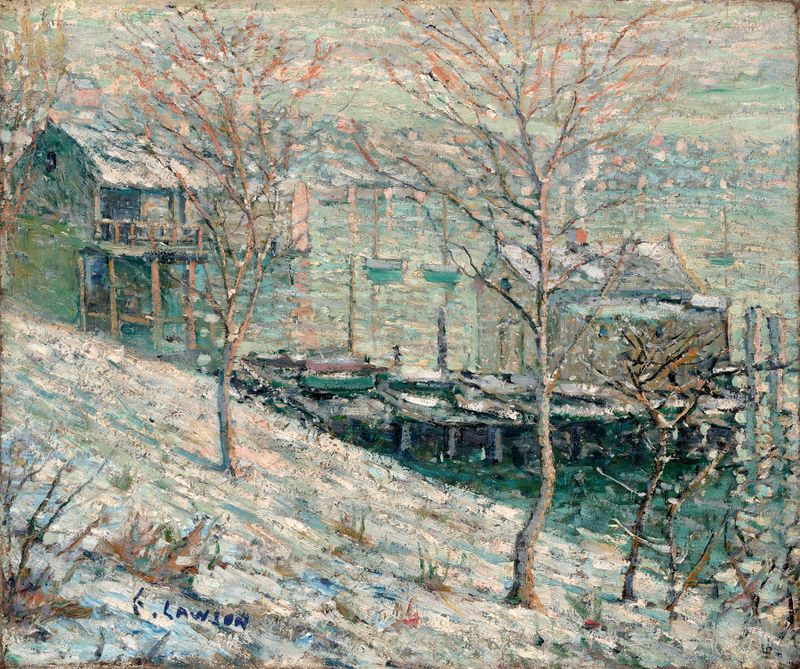
Harlem River Winter Scene
Ernest Lawson

Spring Night, Harlem River
Ernest Lawson

Upper Harlem River—Winter
Ernest Lawson
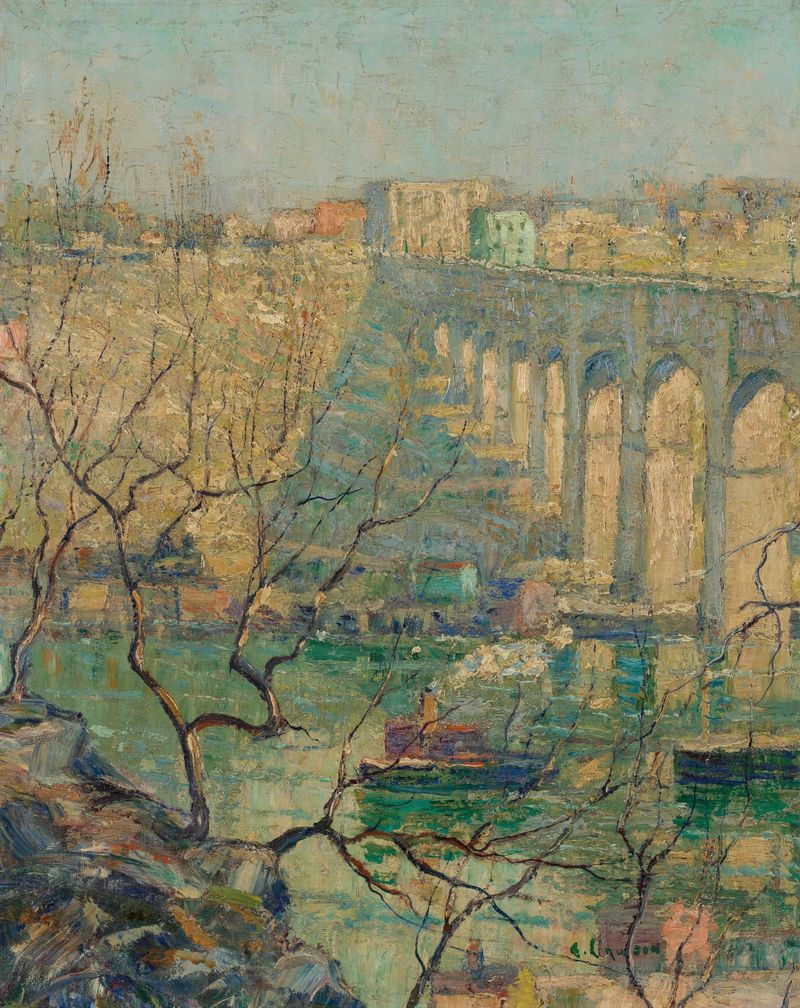
View of the Bridge
Ernest Lawson

A Bright Day, Spain (Segovia)
Ernest Lawson
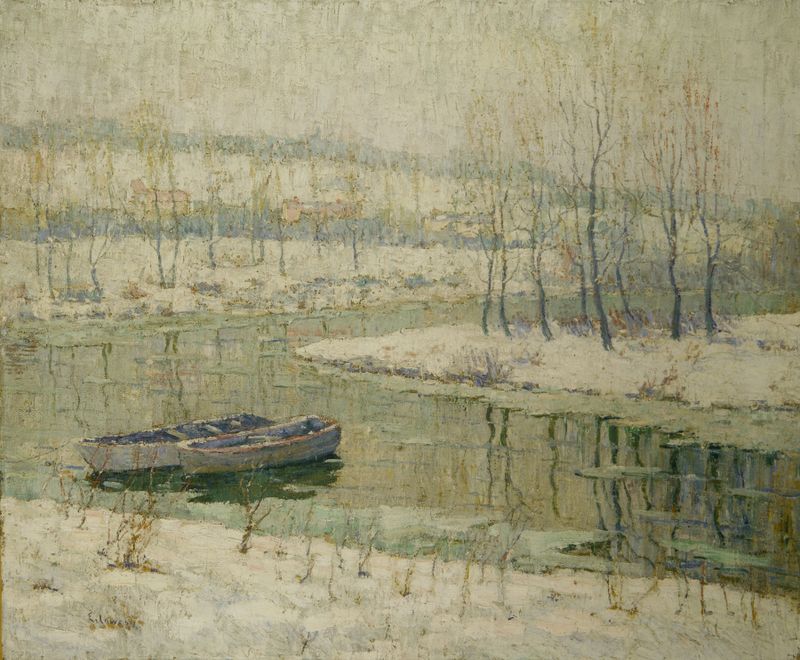
Spring thaw
Ernest Lawson

Road Down the Palisades
Ernest Lawson
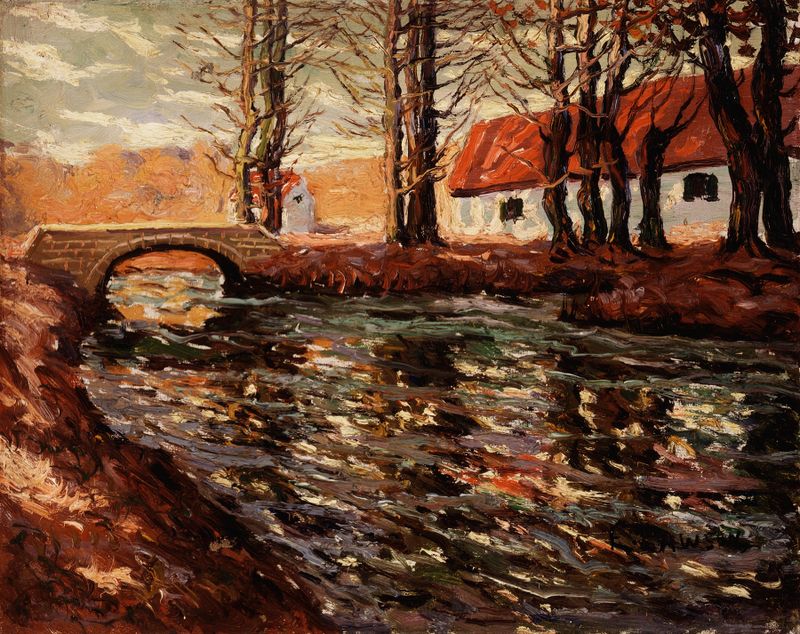
River Landscape
Ernest Lawson

The Mill
Ernest Lawson
The Pond and Gapstow Bridge, New York City
Ernest Lawson





