
Winter — History & Facts
What if silence could speak through light? In Winter, the gentle hues and soft brushwork whisper the quiet destiny of a snowy landscape, inviting contemplation of the serene power held within stillness. Focus on the delicate interplay of whites and pale blues that occupy the canvas, as if the snow itself glows with an inner luminescence. The horizon stretches wide, hinting at an expansive sky that merges seamlessly with the earth, while the slight movement of trees adds a subtle rhythm to the tranquil scene. Notice how the cool light of winter bathes everything in a soft embrace, transforming ordinary elements into a poetic display of nature’s fragility. Beneath the surface, the painting reveals profound contrasts: the starkness of winter juxtaposed with the warmth of light suggests a cycle of hope amid desolation.
The interplay of shadows invites viewers to ponder not only the beauty of this season but also the inevitable return of life, a testament to resilience. Each brushstroke carries emotional weight, reminding us that even in the bleakest moments, light persists, guiding paths yet to be traveled. Emile Claus created Winter in 1900 while living in Belgium, a time when Impressionism was evolving into new movements across Europe. His works often reflected the serene landscapes of his home country and the emotional depth of natural scenes, which resonated with a burgeoning interest in capturing everyday life through art.
During this period, he was establishing himself as a pivotal figure in the Symbolist movement, exploring the interplay of light and nature that would come to define much of his oeuvre.
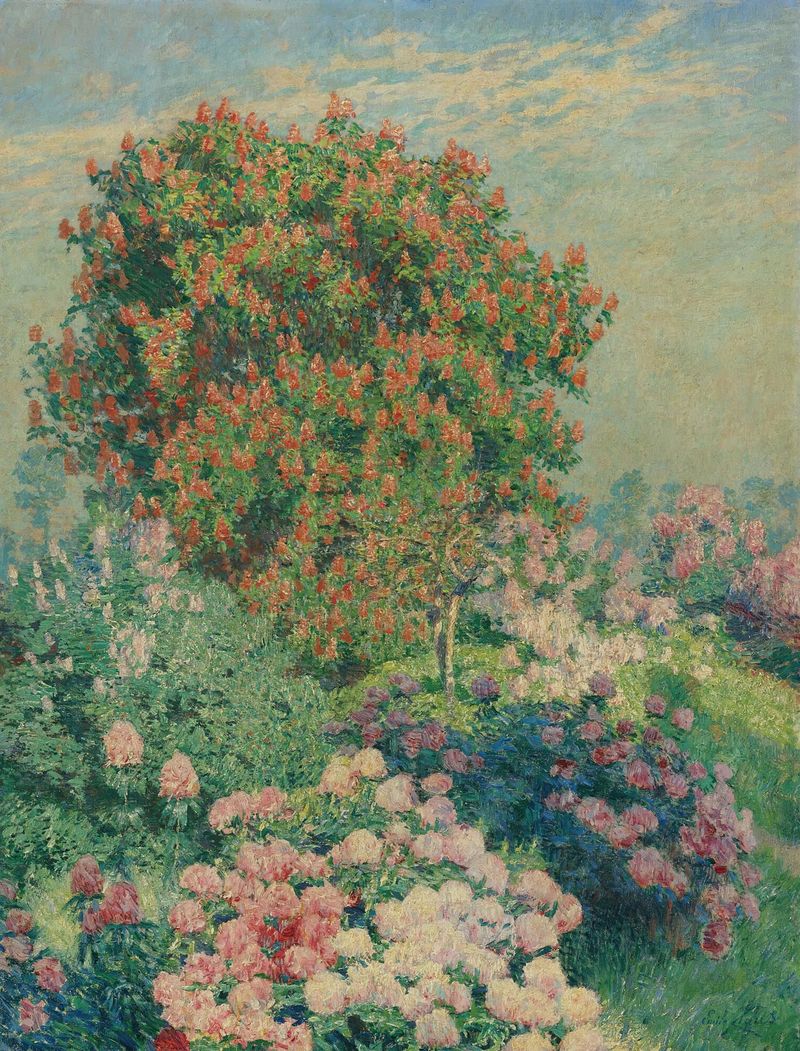
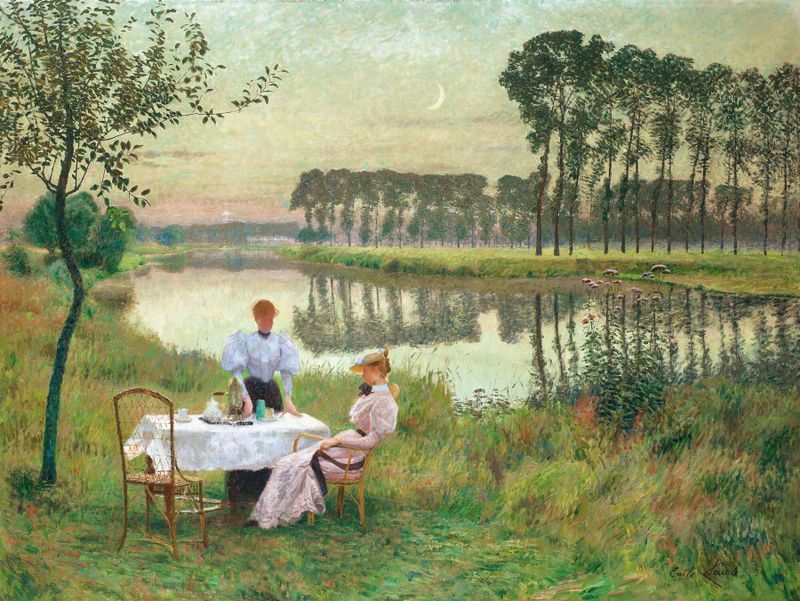
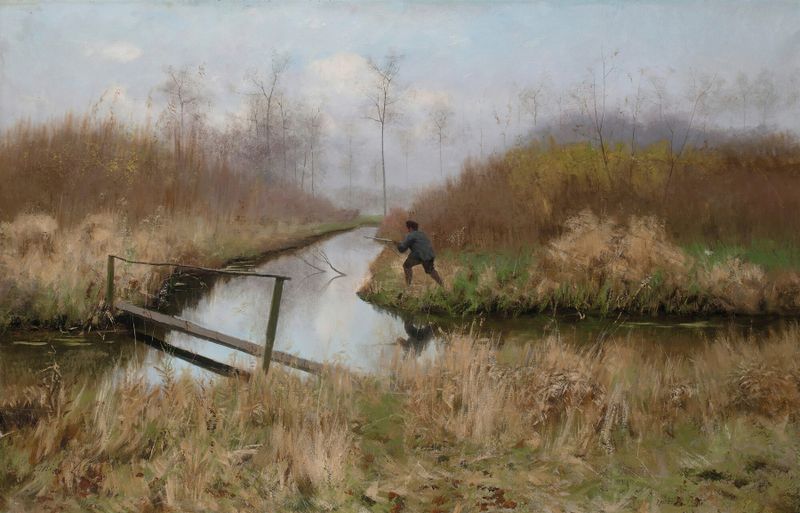
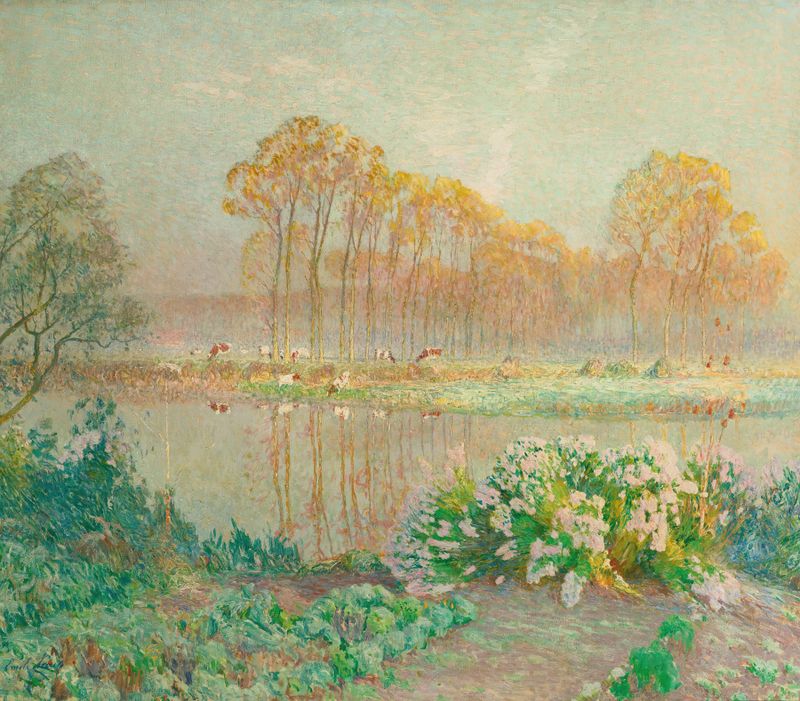
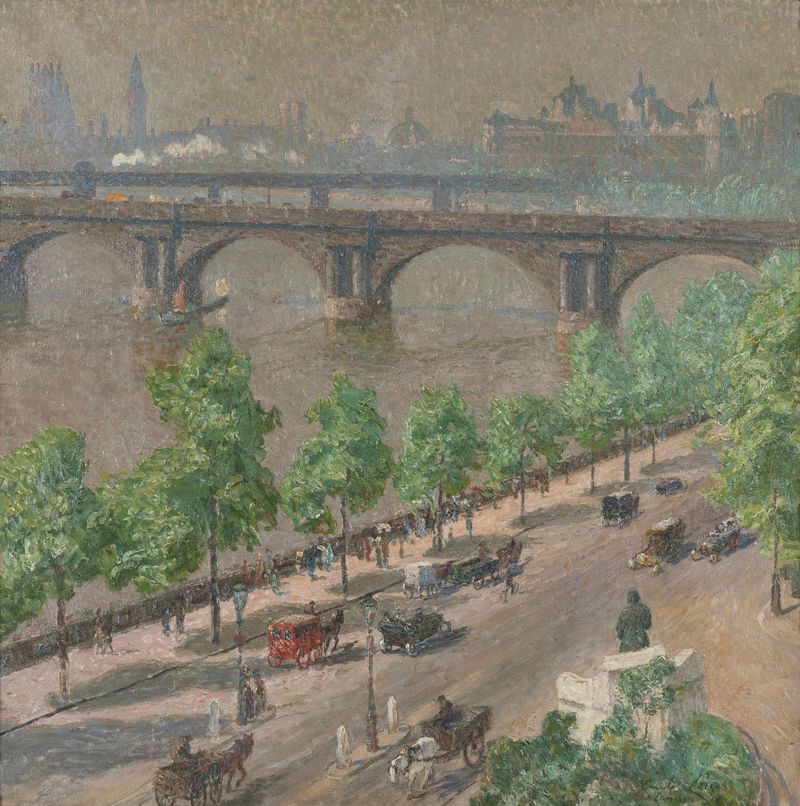
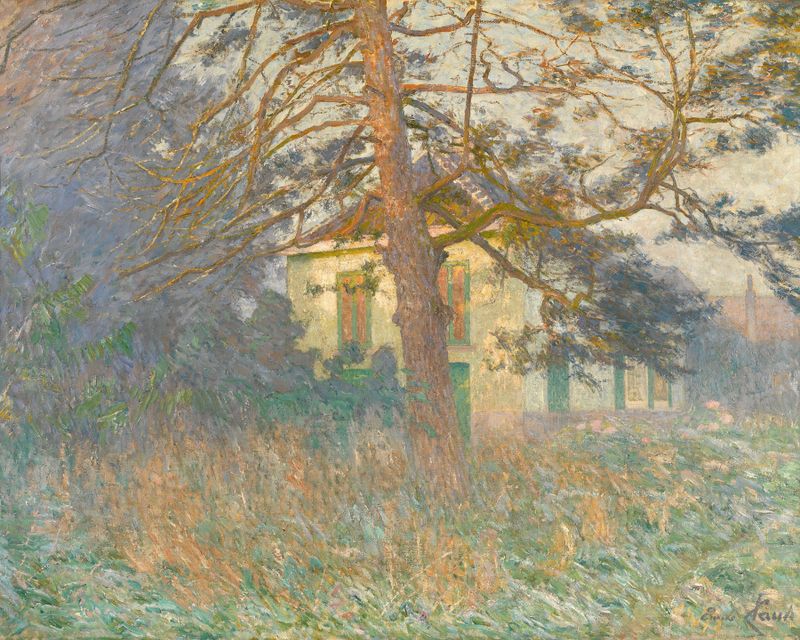
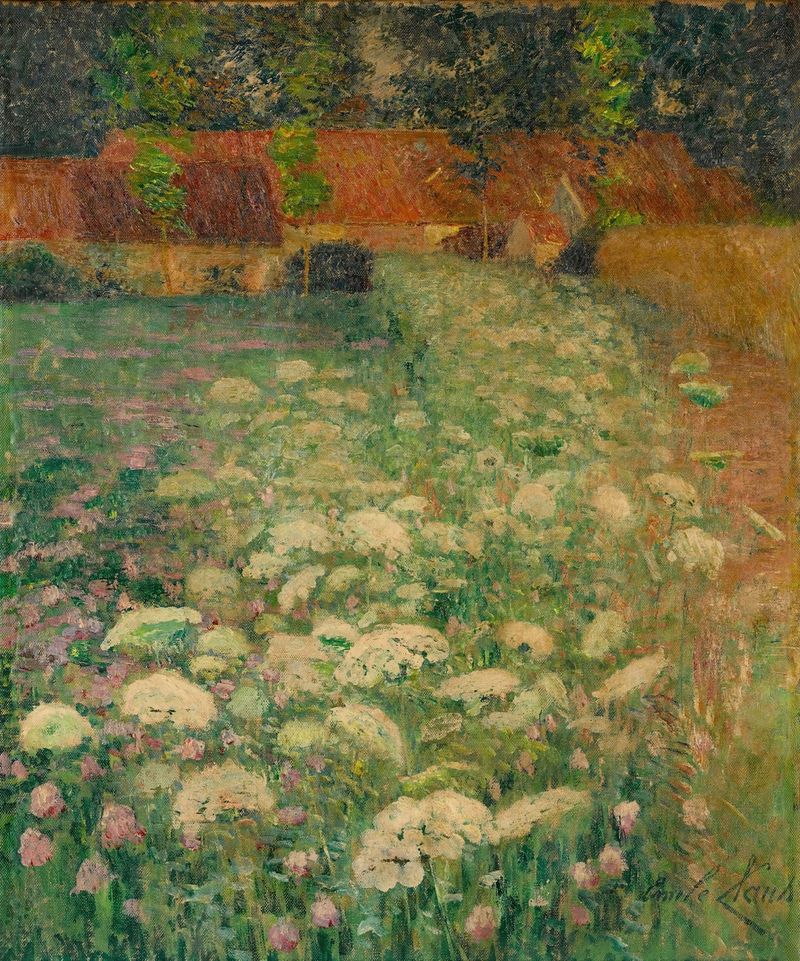
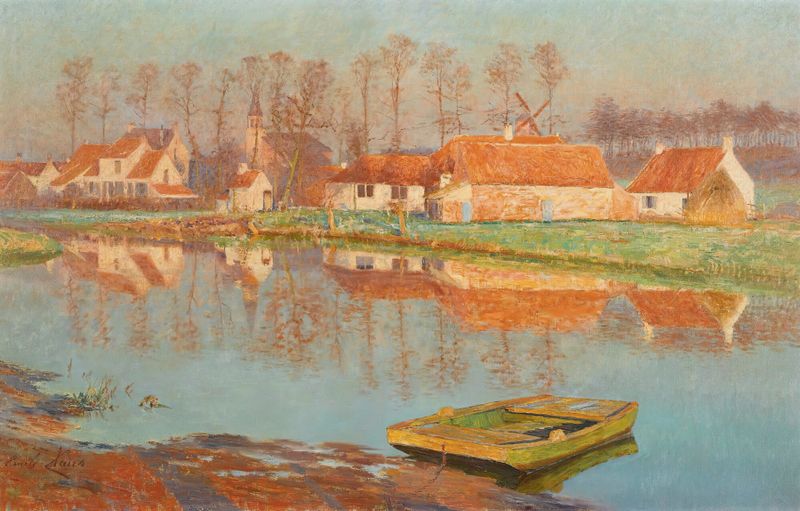
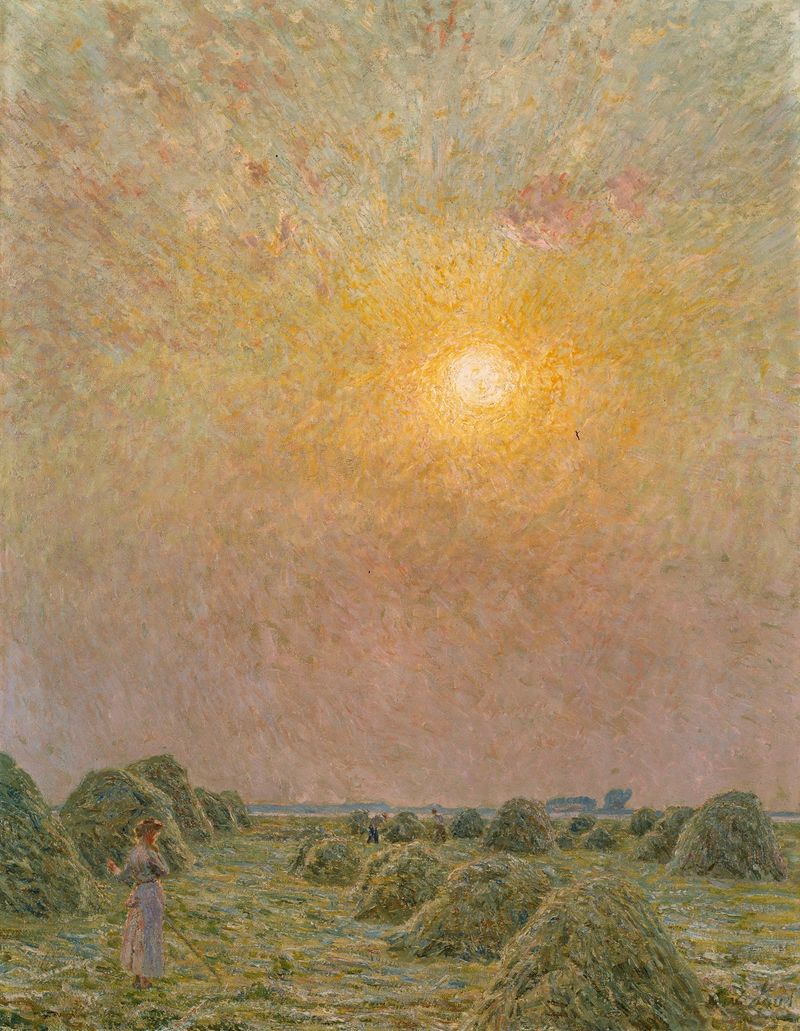
More Artworks by Emile Claus
Browse all →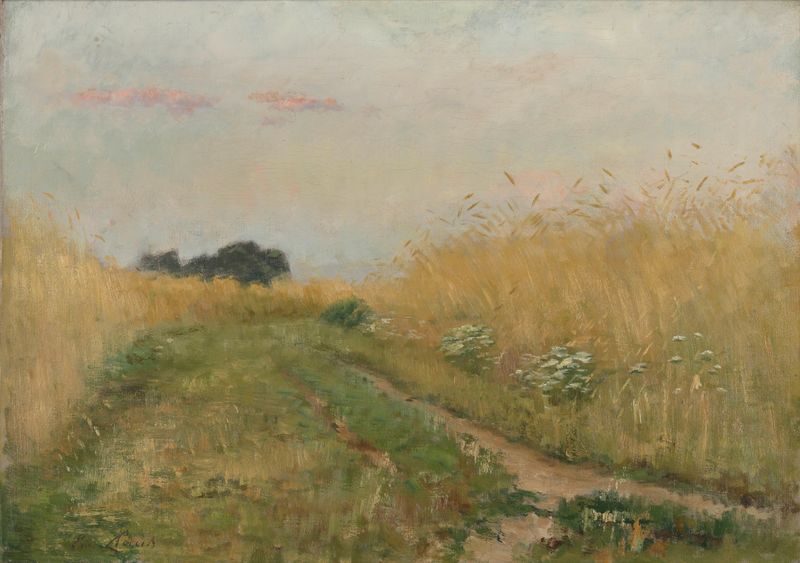
More Landscape Art
Browse all →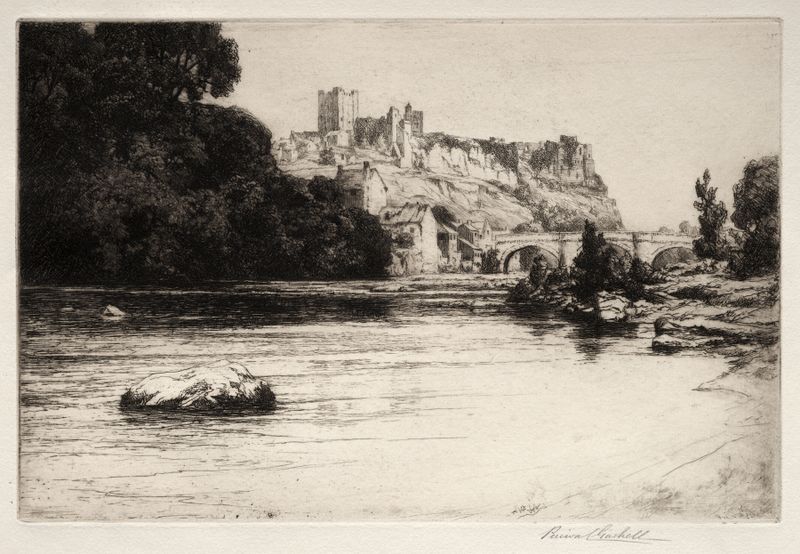
Richmond Castle
George Percival Gaskell
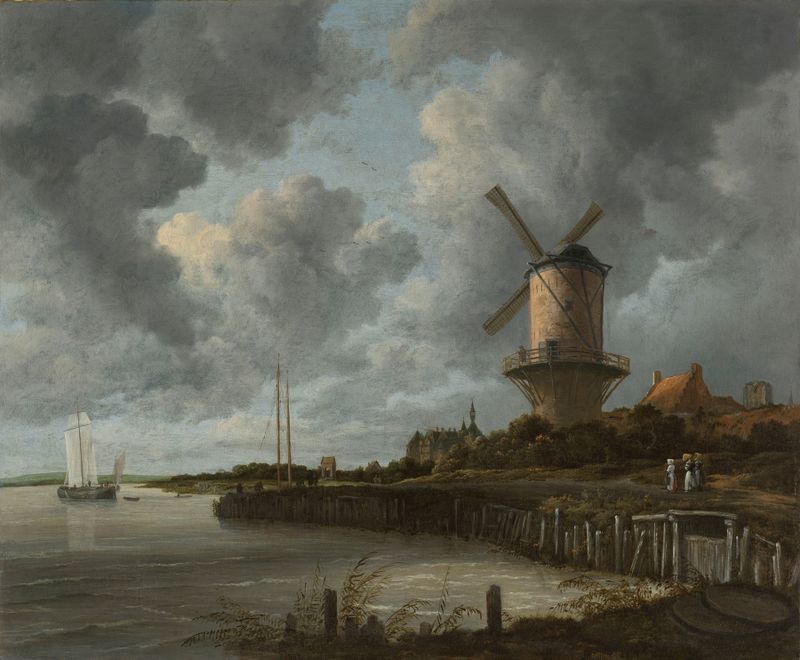
The Windmill at Wijk bij Duurstede
Jacob van Ruisdael
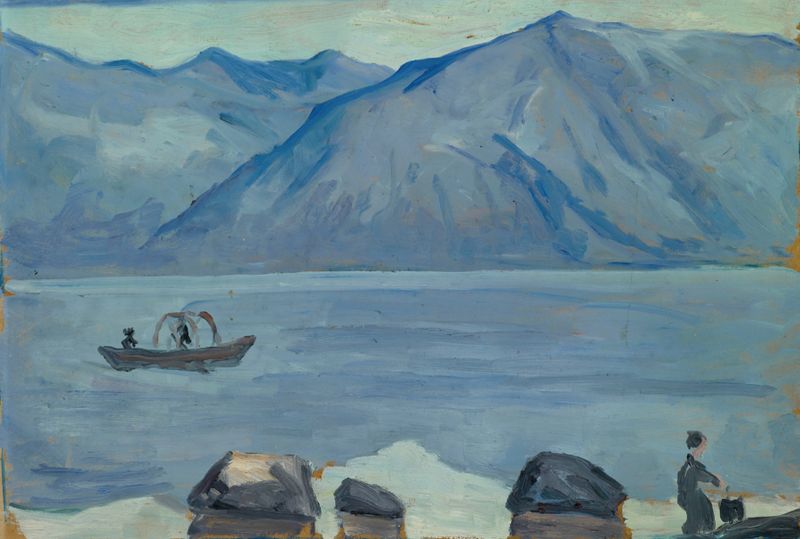
At the Beach of the Lake of Lugano
Ernst Schiess
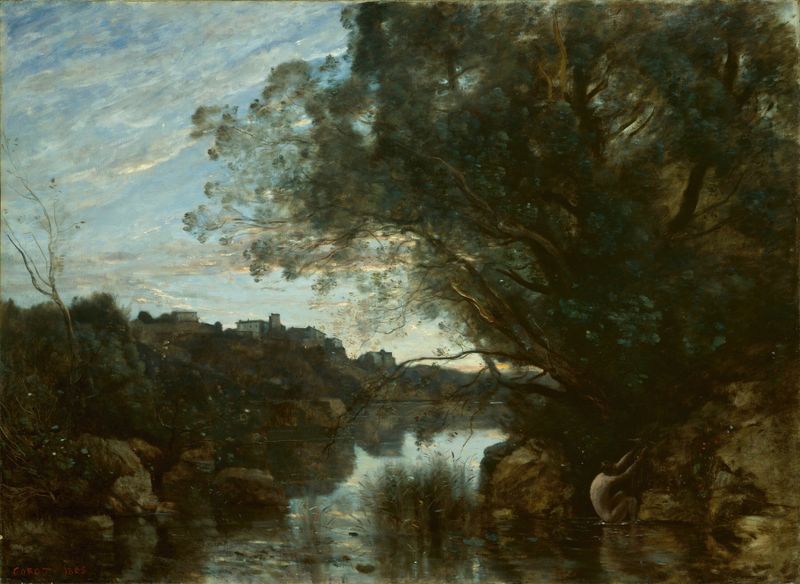
Souvenir of the Environs of Lake Nemi
Jean-Baptiste-Camille Corot
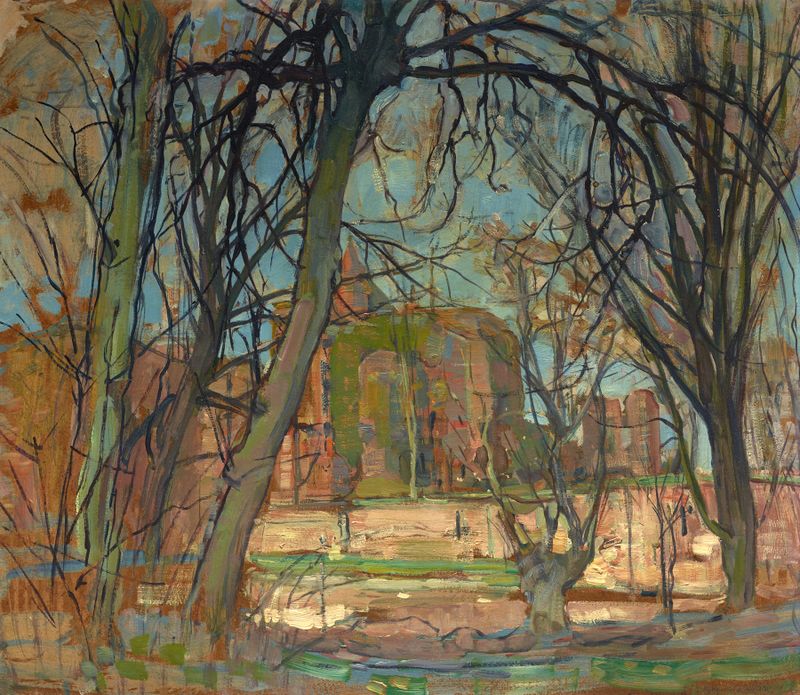
Spring Sun (Lentezon); Castle Ruin; Brederode
Piet Mondrian
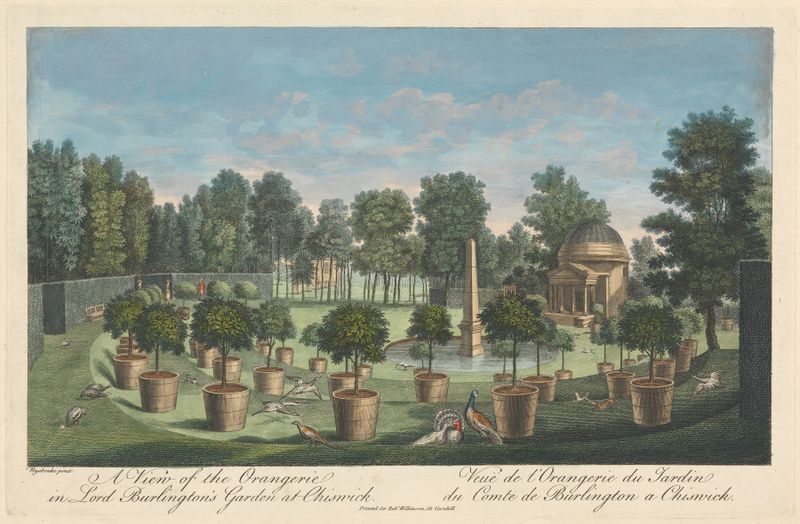
A View of the Orangerie in Lord Burlington’s Garden at Chiswick
Pieter Andreas Rysbrack