Winter — History & Facts
A single glance is drawn to the woman’s face, half-shadowed, her gaze meeting ours with a quiet alertness that lingers long after you look away. The brushwork is brisk, almost restless, yet every stroke is deliberate—her hat and coat rendered in a flurry of ochres and greens, their texture echoing the chill of the season. The pale, swirling background seems to dissolve into her silhouette, as if the winter air itself is encroaching, softening the boundaries between figure and world.
Notice how the delicate pinks of the flowers at her collar offer a fleeting warmth, a small rebellion against the muted palette and the season’s austerity. Painted in 1880, Winter belongs to the world of late nineteenth-century Paris, when women artists like Berthe Morisot were carving out a space in the Impressionist movement. Portraits such as this were rarely grand commissions; instead, they were intimate studies, often painted of friends or family, meant for private circles or the growing bourgeois market. Morisot’s loose, searching technique was radical in its time, capturing not just likeness but fleeting sensation—the way cold air feels on skin, the way a glance can hold a story.
History has kept few traces of this particular painting’s journey, but its immediacy invites us to linger, to imagine the world just beyond the frame.
More Artworks by Berthe Morisot

The Harbor at Lorient
Berthe Morisot
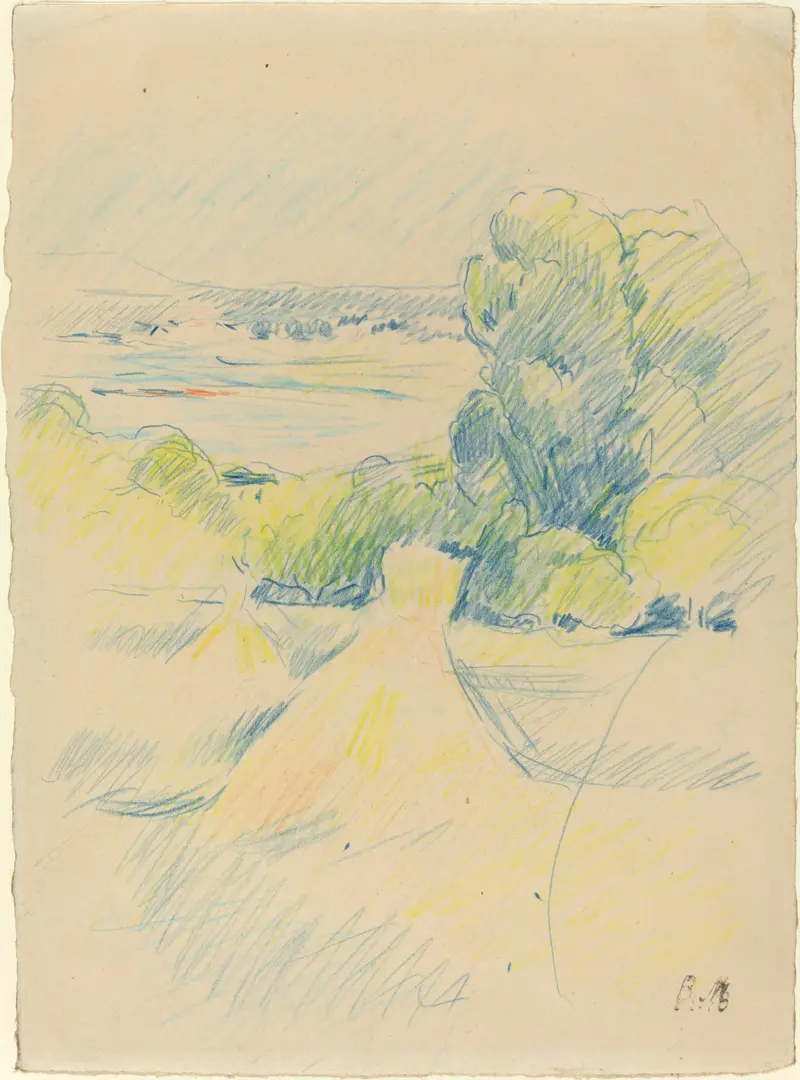
Landscape
Berthe Morisot

Hanging the Laundry out to Dry
Berthe Morisot

Woman in a Garden
Berthe Morisot

Young Girl with Hat
Berthe Morisot
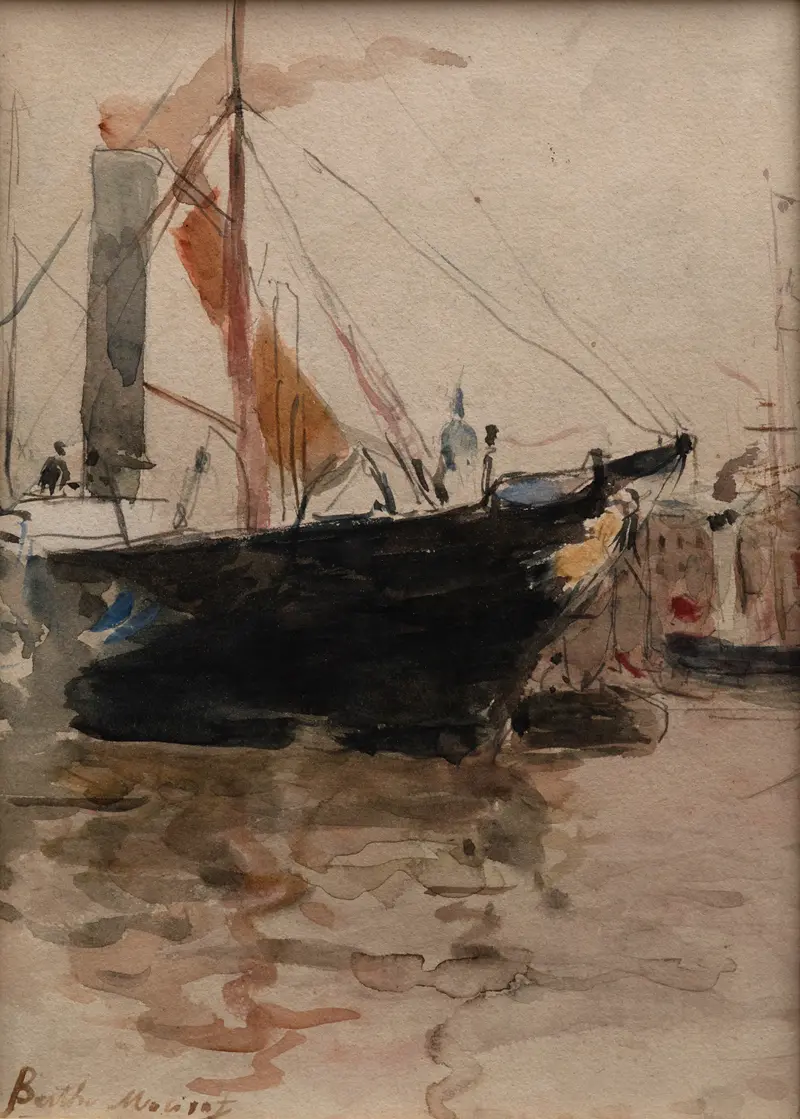
Harbor Scene, Isle of Wight
Berthe Morisot
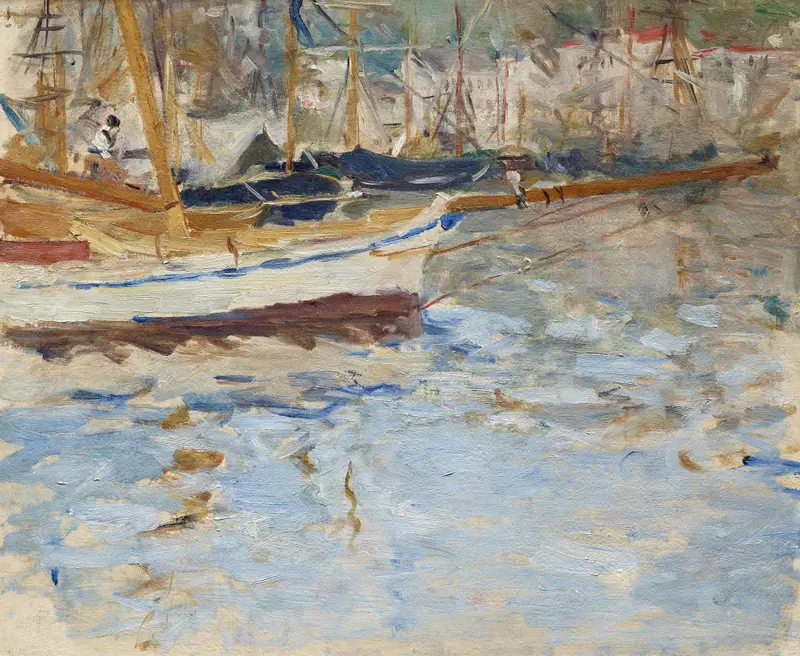
The Port of Nice
Berthe Morisot
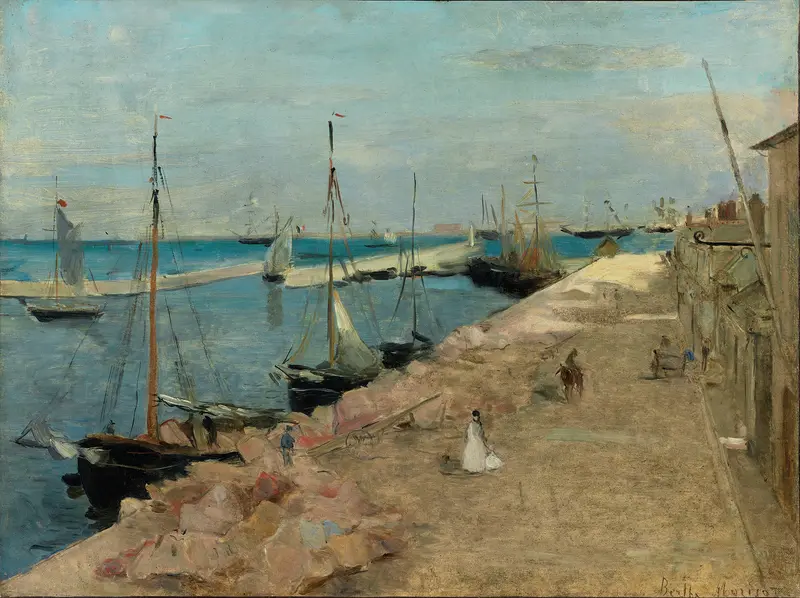
The Harbor at Cherbourg
Berthe Morisot

The Mother and Sister of the Artist
Berthe Morisot
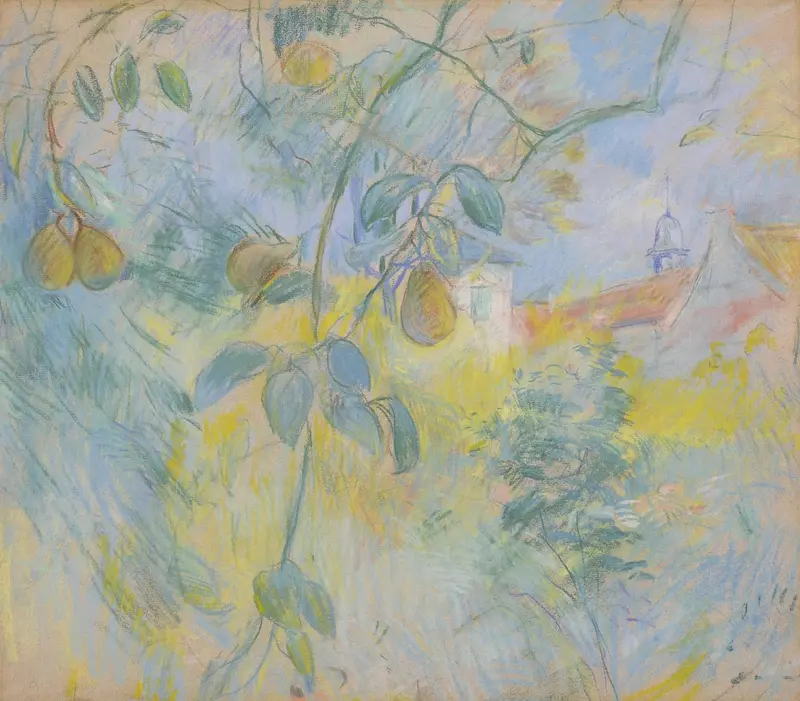
Les Poires
Berthe Morisot