
Winter Landscape — History & Facts
What if beauty was never meant to be finished? The stark contrasts of a winter landscape reveal an unsettling truth beneath its serene surface, where quietude masks a latent violence. Look to the left at the jagged, snow-covered hills, their sharp peaks emerging from a blanket of thick white. The artist employs a palette of cool blues and grays, expertly juxtaposing the plush softness of the snow with the harshness of the rocky terrain. Notice how the low-hanging clouds cast a diffuse light, creating an ethereal glow that ignites the otherwise muted scene, inviting the viewer deeper into this chilling tranquility. Yet, upon closer inspection, a sense of foreboding lingers in the air.
The twisted branches of leafless trees, reaching outward like frozen fingers, suggest a struggle against the unforgiving cold. Shadows stretch and collapse, hinting at something darker lurking behind the beauty of this winter vista. The starkness of the landscape resonates with the tension between nature's elegance and its capacity for brutality, reminding us that every peaceful moment carries an undercurrent of unrest. During the late 1920s, while living in Czechoslovakia, the artist embraced the stark realities of changing societal landscapes.
The rise of modernism coincided with a personal journey of exploration, where the artist sought to translate the raw essence of nature into his work. Winter Landscape emerged during a time when the world grappled with the dualities of beauty and violence, solitude and community, leaving an indelible mark on the evolution of Eastern European art.
More Artworks by Ľudovít Čordák
Browse all →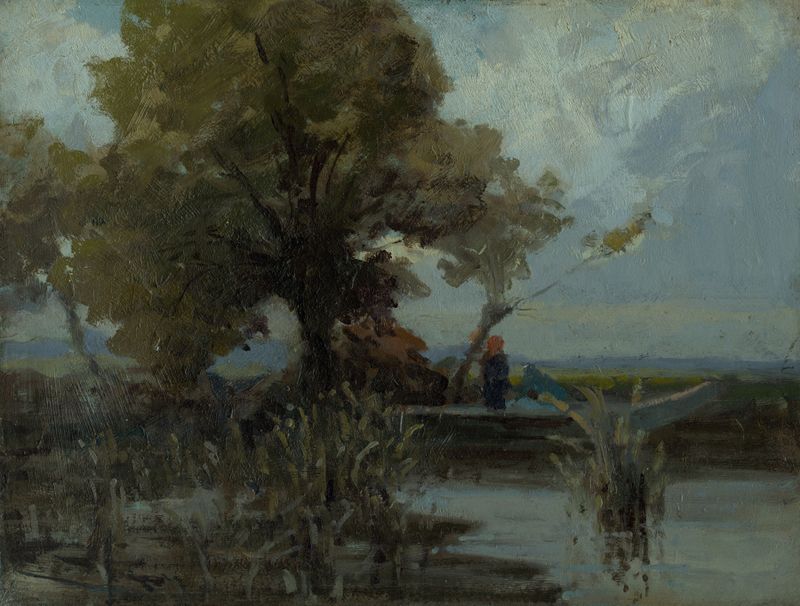
Košatý strom pri jazere
Ľudovít Čordák
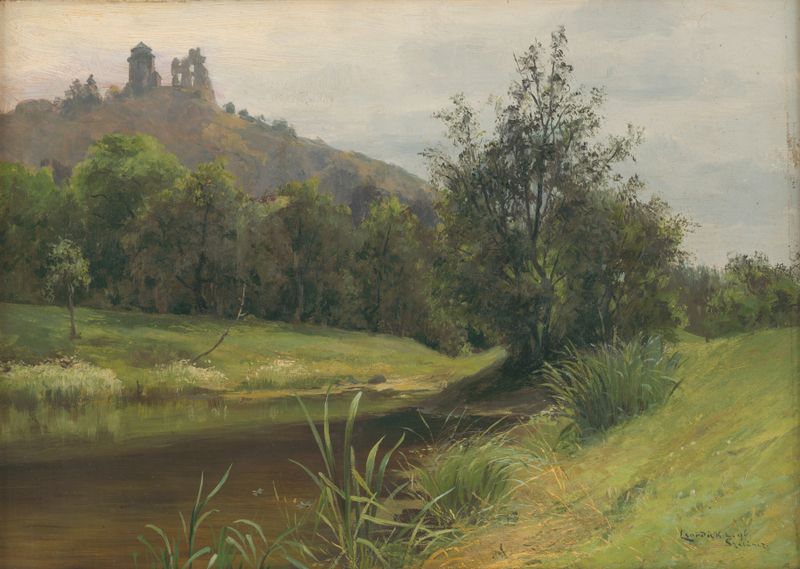
Močarina pod Slaneckým hradom
Ľudovít Čordák
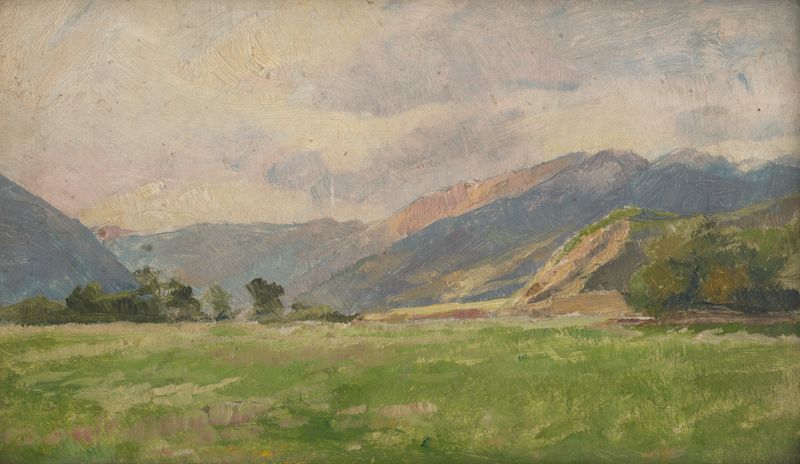
Mountain Meadow
Ľudovít Čordák
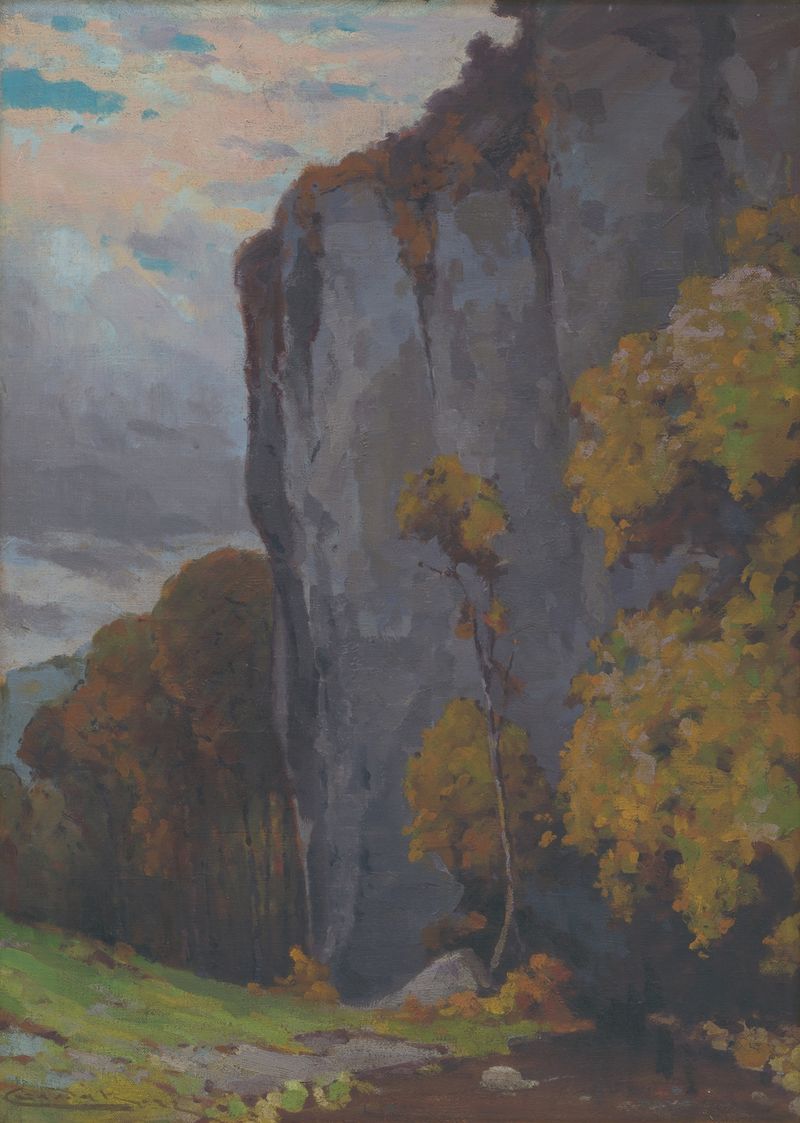
Zádiel
Ľudovít Čordák
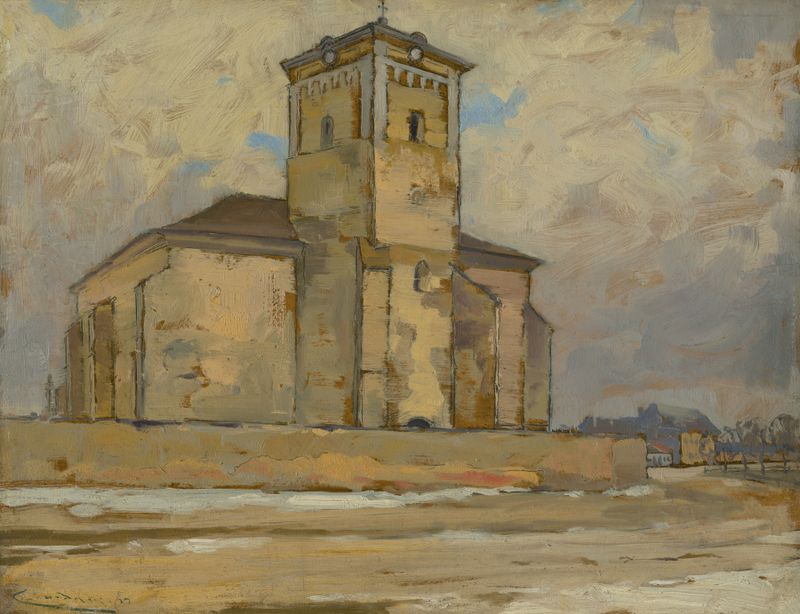
Church in Moldova
Ľudovít Čordák
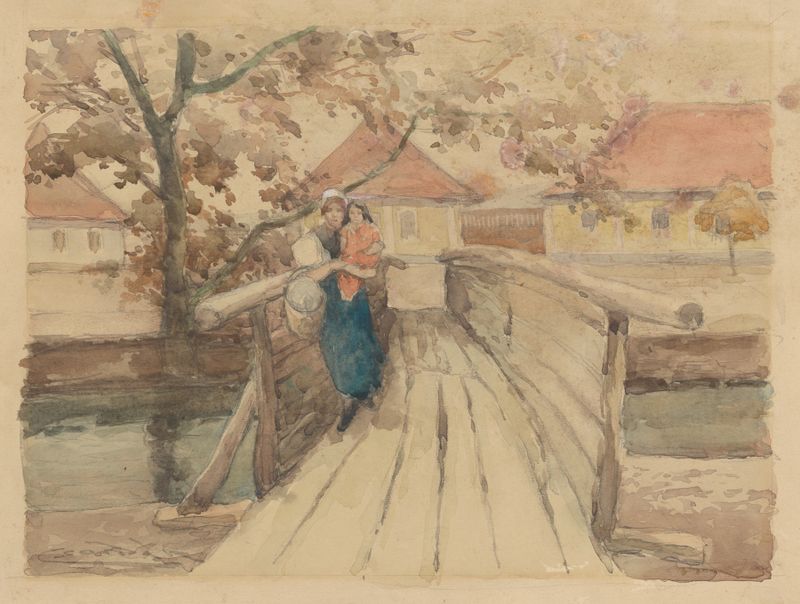
Wooden bridge
Ľudovít Čordák
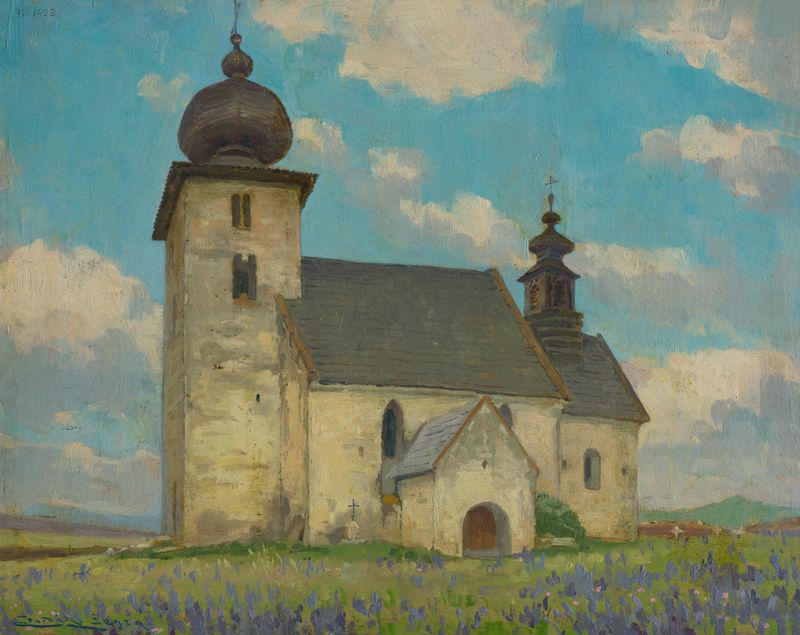
Gothic church in Žehra
Ľudovít Čordák
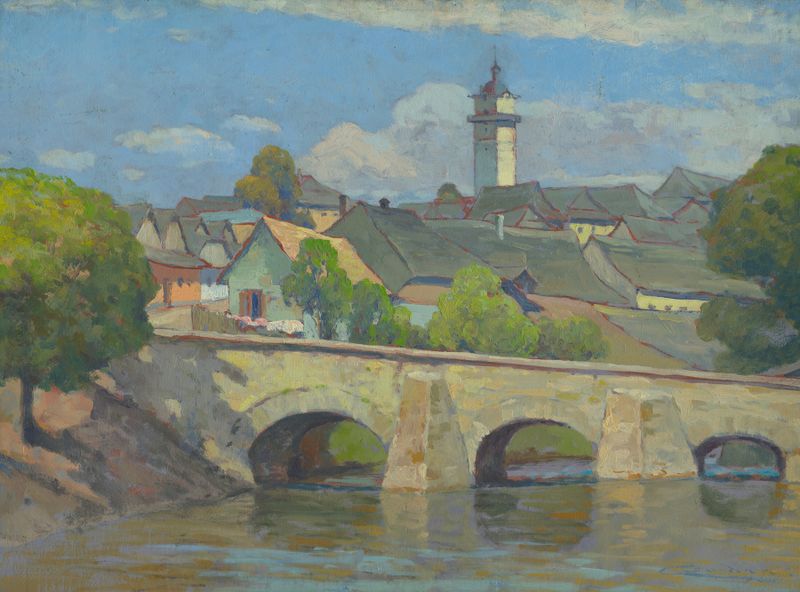
A small town in Spiš
Ľudovít Čordák
At Sunset
Ľudovít Čordák
Forest
Ľudovít Čordák





