
Winter Landscape — History & Facts
A sky that seems to stretch forever draws the eye first, its pale blue and soft clouds casting a cold, clear light over the frozen world below. In Winter Landscape, Adriaen van de Velde chooses a moment of quiet labor and daily life, rather than festival or hardship. The bare trees and thatched roofs, dusted with snow, stand as silent witnesses to the season’s grip, while figures in the foreground push a laden sled, their bodies bent with effort.
The careful placement of these figures, along with the distant church spire and scattered villagers, creates a sense of depth and gentle rhythm: each element leads the viewer’s gaze deeper into the scene, inviting them to linger on the subtle play of light on snow and the warmth of human presence in the cold. Painted sometime between 1651 and 1672, this work belongs to a period when Dutch artists delighted in capturing the winter months, reflecting both the climate of the so-called Little Ice Age and the tastes of a burgeoning middle class. Such landscapes were not merely records of weather, but celebrations of rural endurance and community, often commissioned for private homes to evoke nostalgia or pride in the Dutch countryside. Now part of the John G.
Johnson Collection (1917) at the Philadelphia Museum of Art, this painting is a testament to how history has kept few traces of the individual stories behind these scenes—yet the careful observation and gentle humanity of Adriaen van de Velde still invite us to imagine ourselves among those who once walked this frozen path.
More Artworks by Adriaen van de Velde

Staande stier
Adriaen van de Velde
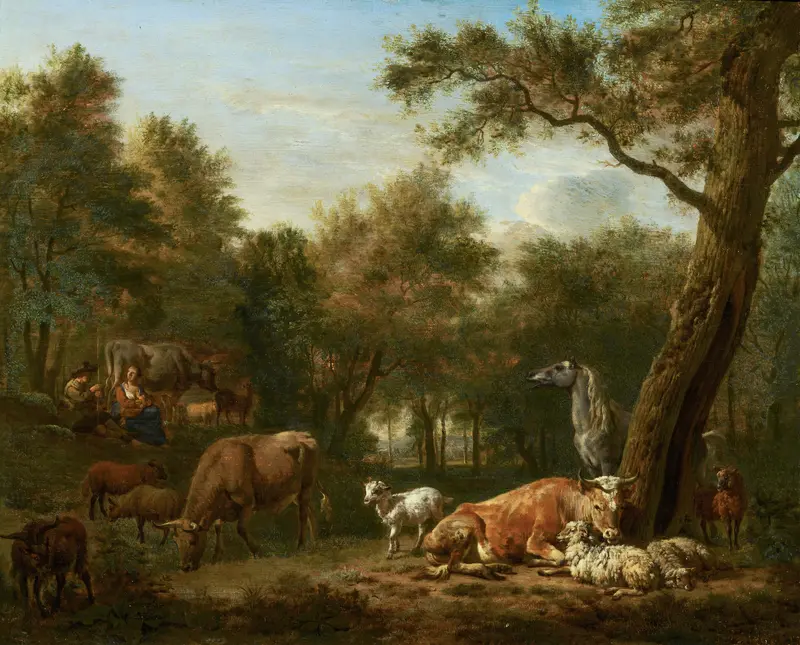
Wooded Landscape with Cattle
Adriaen van de Velde
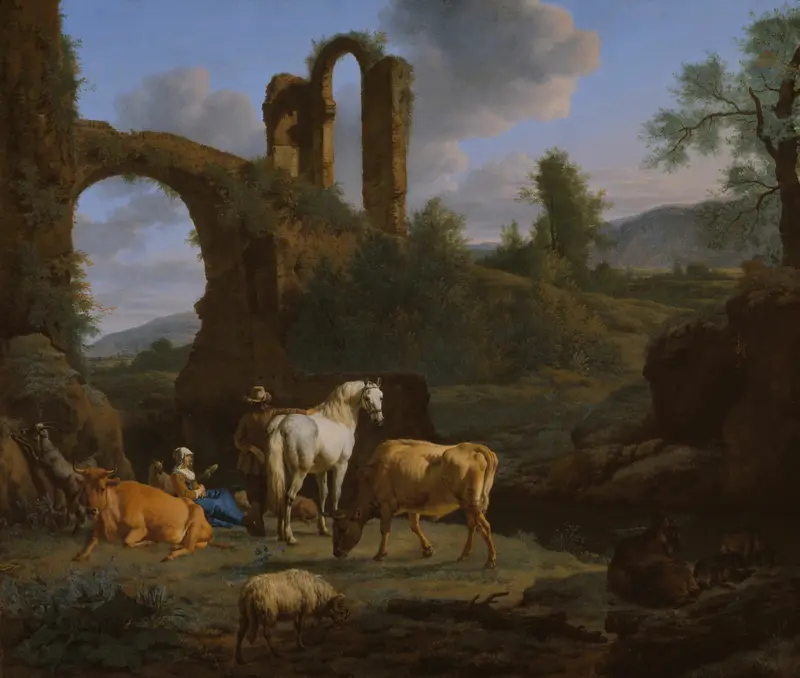
Pastoral Landscape with Ruins
Adriaen van de Velde
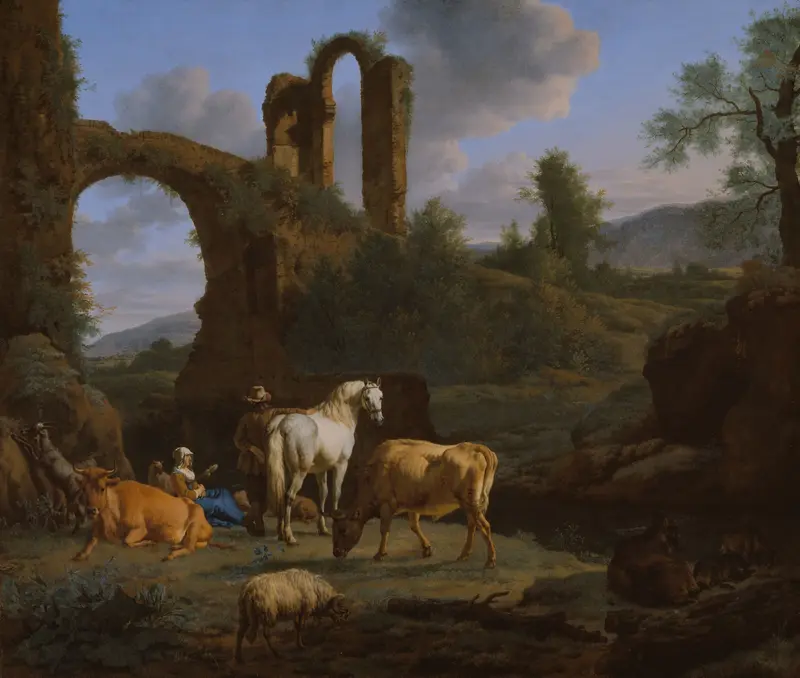
Pastoral Landscape with Ruins
Adriaen van de Velde
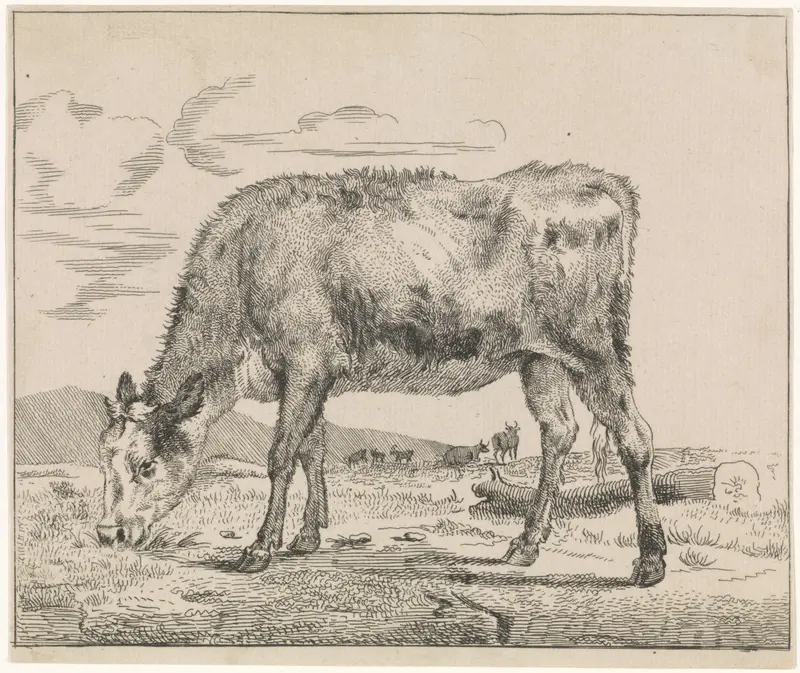
Grazend kalf
Adriaen van de Velde
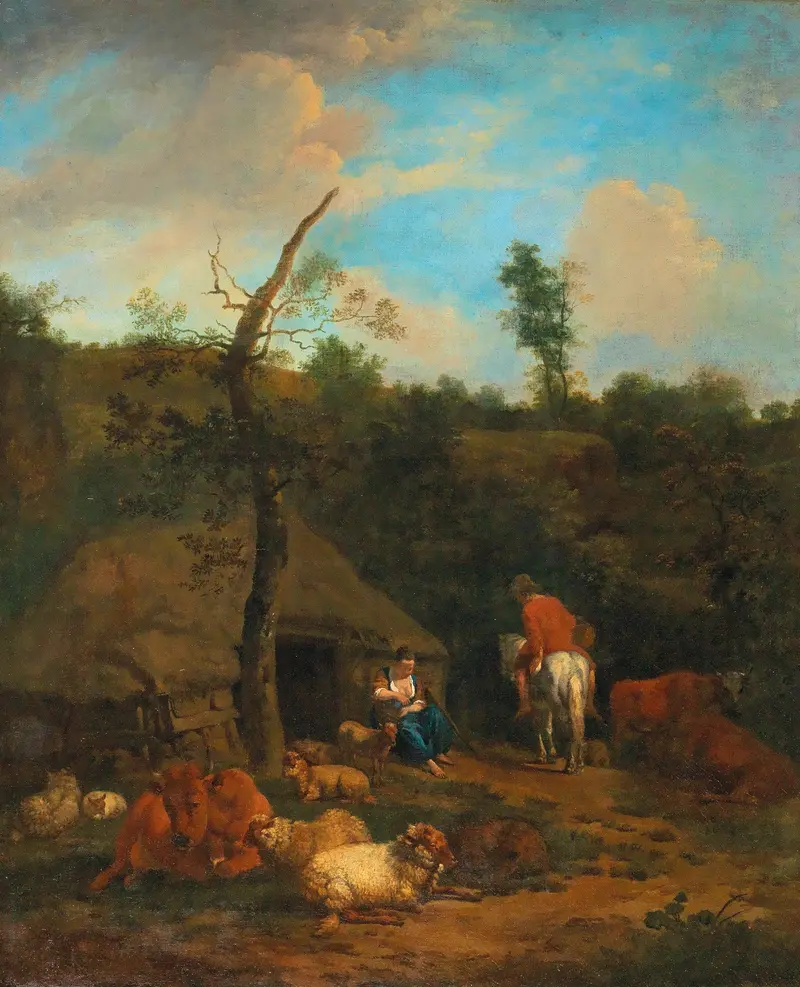
A herdsman and a shepherdess in front of a wooden farmhouse
Adriaen van de Velde
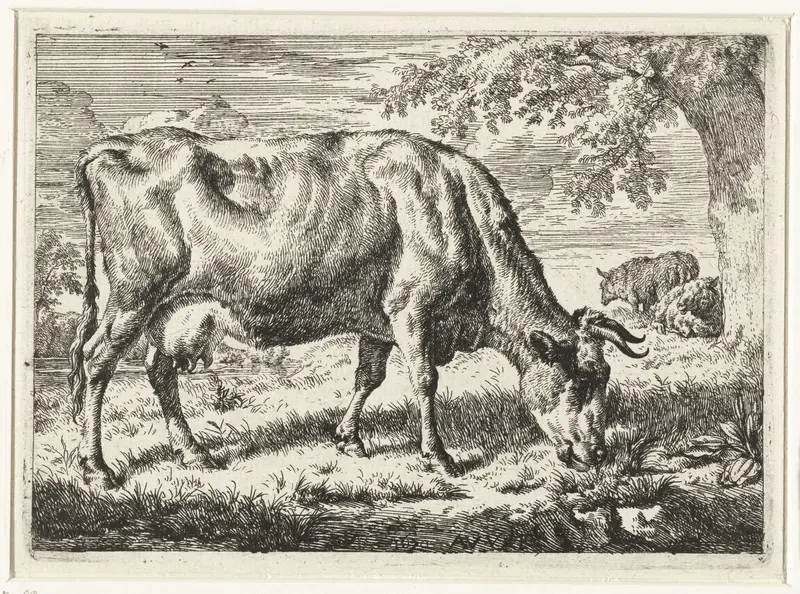
Grazende koe en twee schapen
Adriaen van de Velde
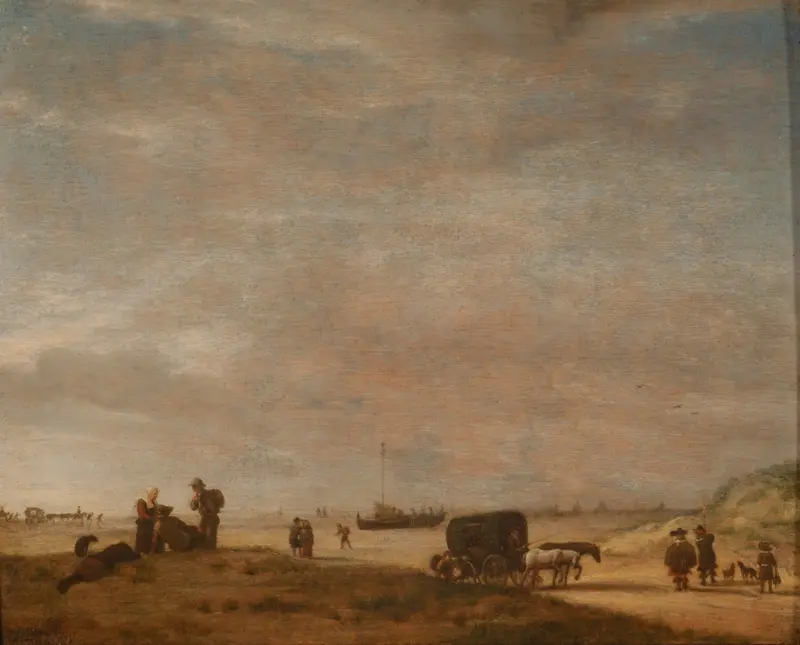
Scheveningen Beach
Adriaen van de Velde
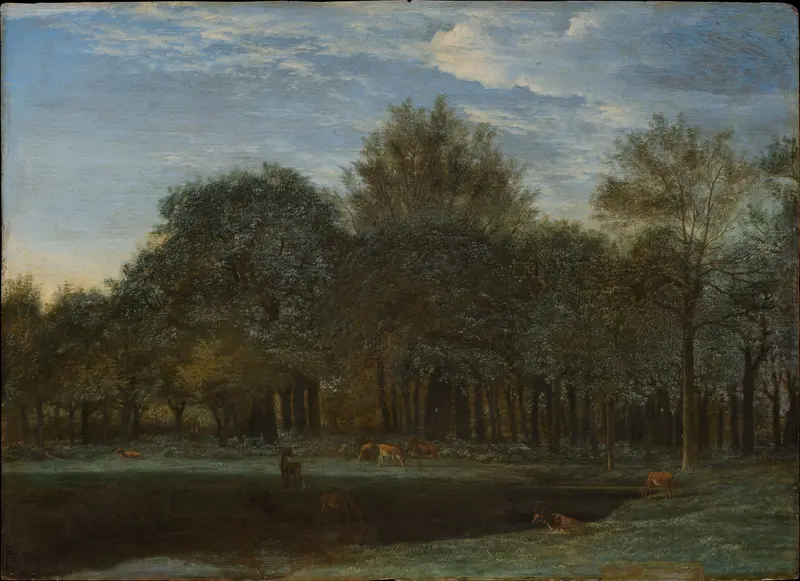
Forest Clearing with Grazing Deer
Adriaen van de Velde
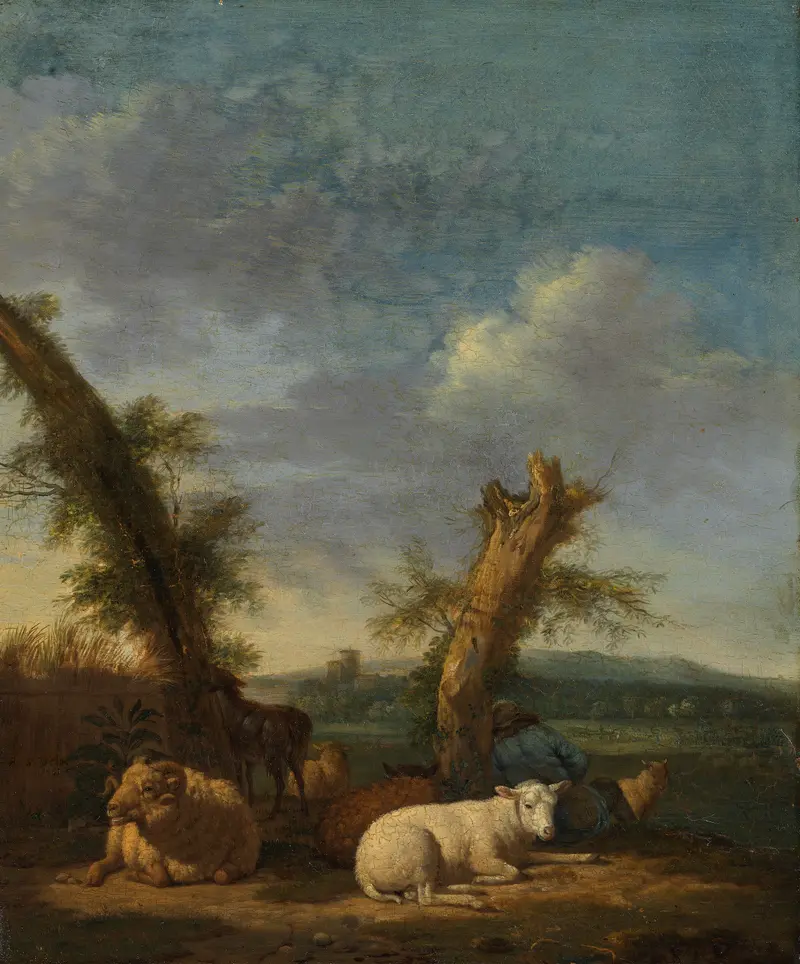
Landscape with Sheep and a Sleeping Shepherd
Adriaen van de Velde
More Landscape Art

The Starry Night
Vincent van Gogh

View of Delft
Johannes Vermeer

Water Lilies
Claude Monet

The Grand Canal, Venice, looking north-west from the Ca' Corner to the Ca' Contarini degli Scrigni, with the campanile of Santa Maria della Carità
Canaletto

Windsor Castle
Canaletto

The Grand Canal looking North-East from the Palazzo Dolfin-Manin to the Rialto Bridge
Canaletto