
Winterlandschaft — History & Facts
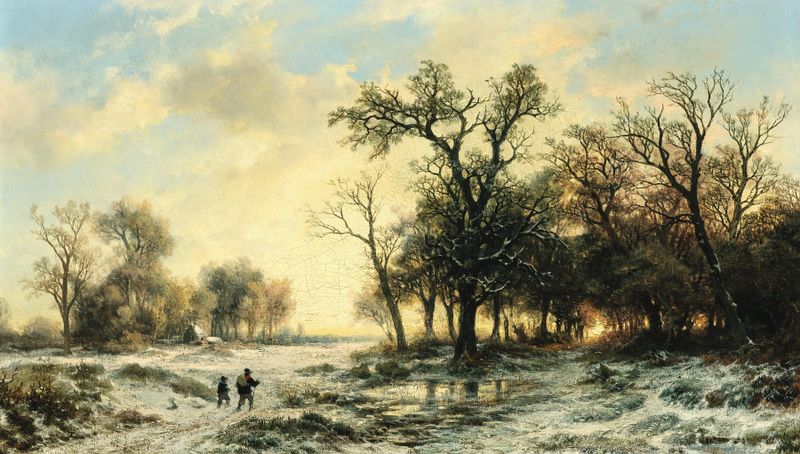
Within the stillness of Winterlandschaft, a yearning emerges, echoing through the frosted pines and soft, undulating snowdrifts. The landscape whispers of isolation, yet it beckons with an allure that is impossible to resist. Focus first on the luminous sky at the top of the canvas, where shades of pale blue blend seamlessly with hints of lavender and gold. This heavenly light spills over the horizon, casting a gentle glow on the white landscape below.
The careful brushwork brings depth to the snow, creating a tactile quality that invites your fingertips to trace its surface. Notice how the trees, arranged in a delicate balance, create a visual rhythm that guides your gaze through the tranquil scene, grounding you in this serene moment. Delve deeper into the emotional undercurrents of the painting—the juxtaposition of beauty and desolation. The starkness of winter symbolizes both dormancy and reflection, suggesting a longing for warmth and life.
The delicate interplay of light and shadow reveals the artist's mastery in conveying emotion; the tranquil setting masks an underlying tension, a bittersweet reminder that every beautiful moment can harbor a hint of melancholy. In 1870, while creating Winterlandschaft, the artist found himself at the intersection of traditional Dutch landscape painting and the burgeoning Impressionist movement. Working in his native Netherlands, he explored the subtle interplay of light and color, navigating a world increasingly captivated by new artistic philosophies. This piece encapsulates both a reverence for nature and a poignant awareness of solitude, reflecting the complexities of his time.
More Artworks by Remigius Adrianus van Haanen
Browse all →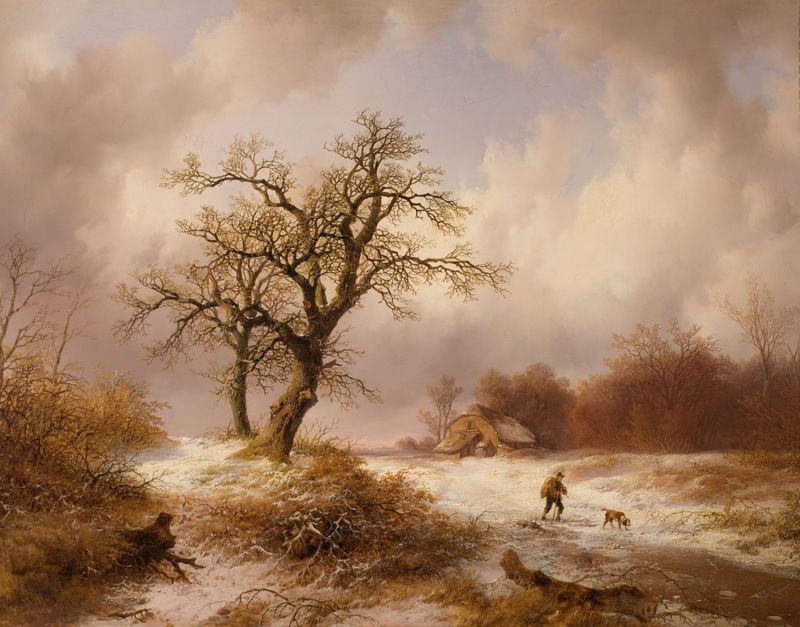
Winterlandschaft
Remigius Adrianus van Haanen
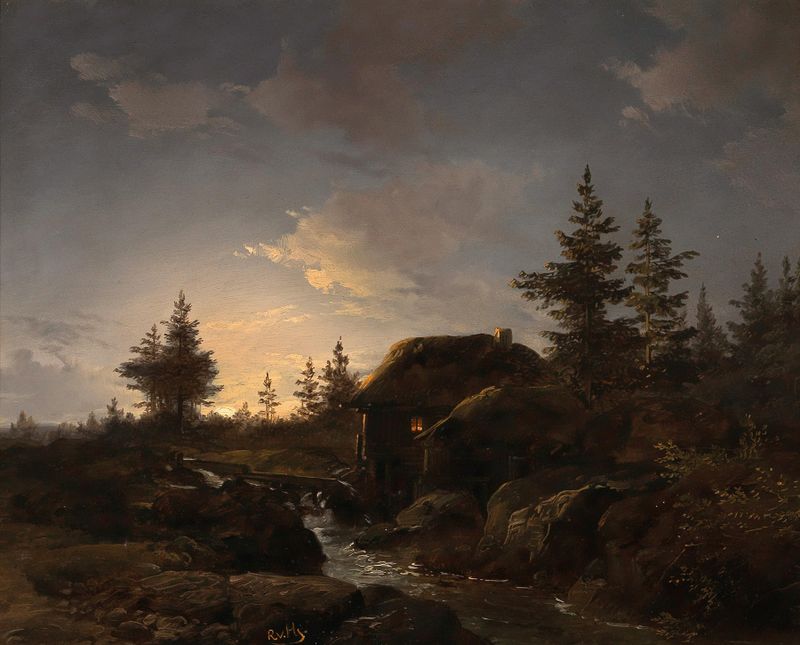
A Moonlit Night
Remigius Adrianus van Haanen
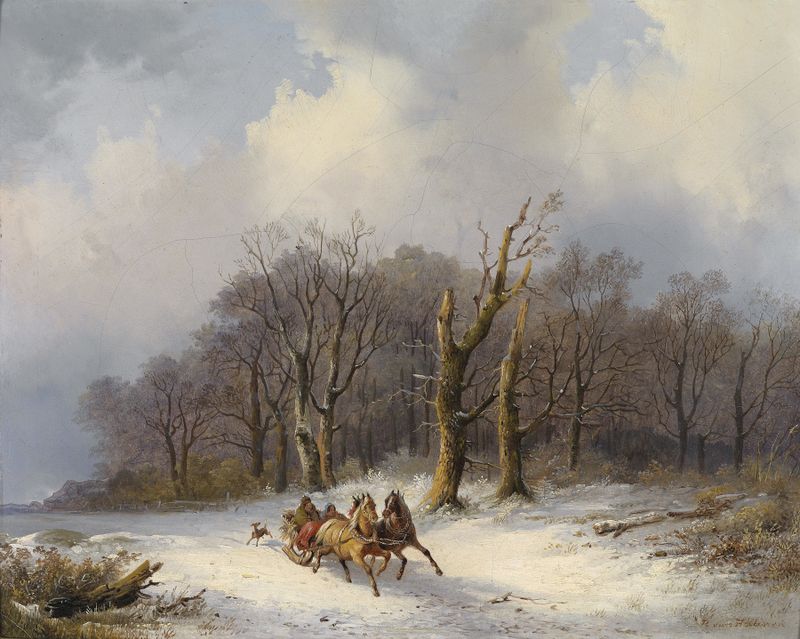
Winterlandschaft mit Pferdeschlitten
Remigius Adrianus van Haanen
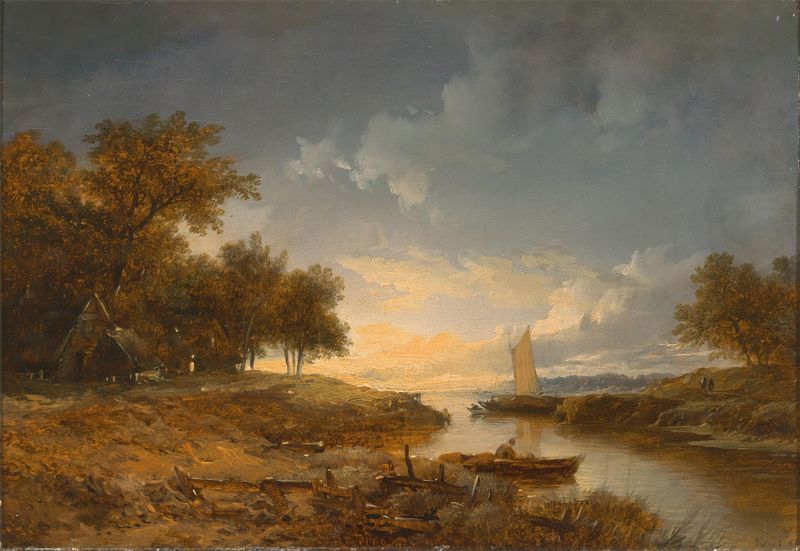
A Dutch River Landscape in the Evening Light
Remigius Adrianus van Haanen
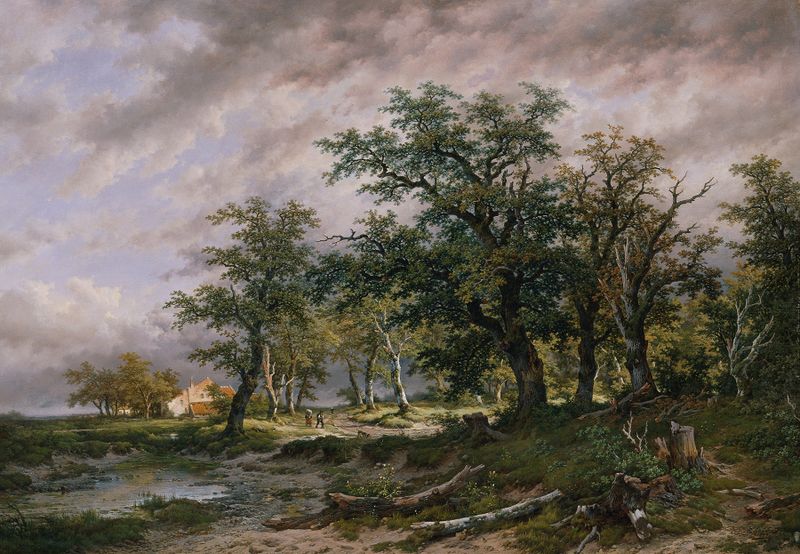
Große holländische Landschaft
Remigius Adrianus van Haanen
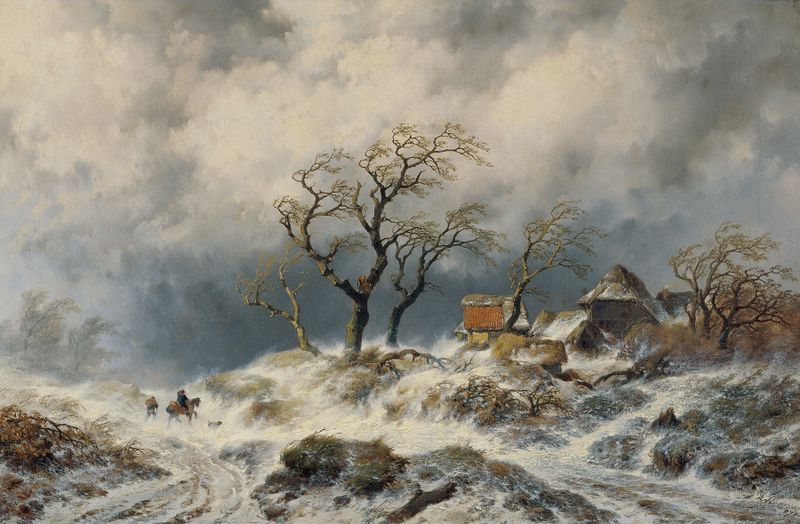
Holländische Winterlandschaft (Schneewehen)
Remigius Adrianus van Haanen
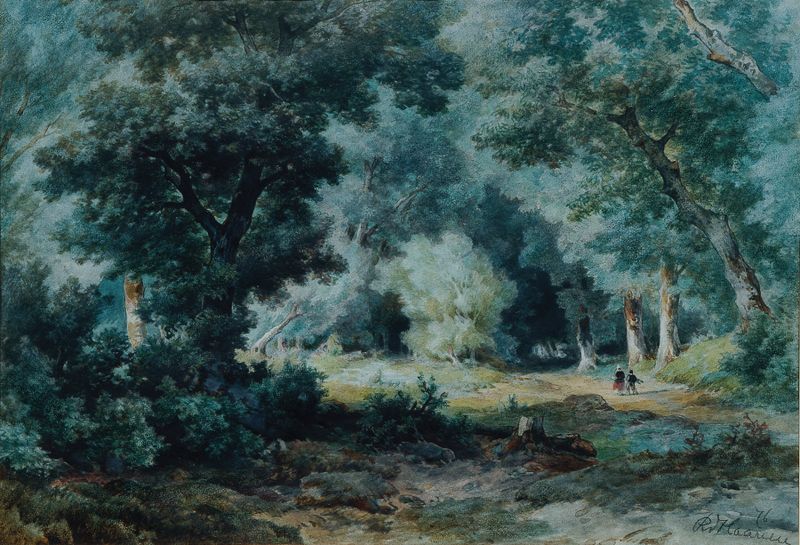
Waldinneres
Remigius Adrianus van Haanen
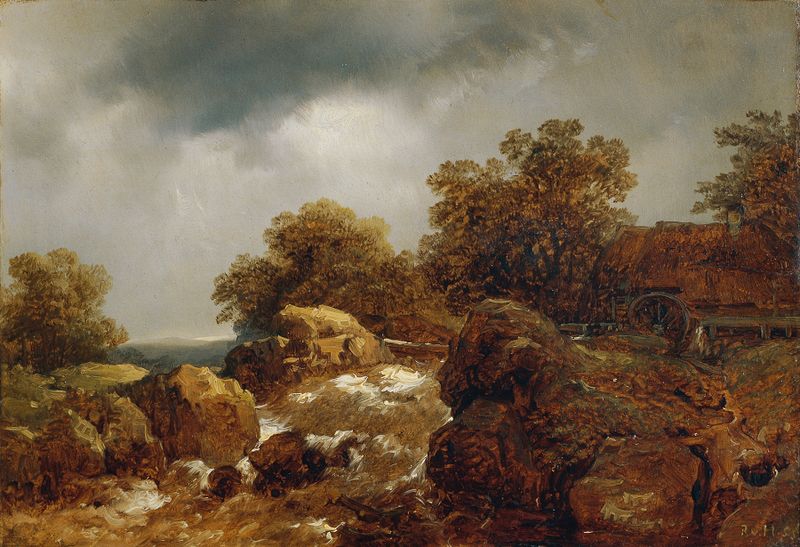
Felsige Landschaft
Remigius Adrianus van Haanen
Returning Home at Dusk in Winter
Remigius Adrianus van Haanen
Holländische Flusslandschaft
Remigius Adrianus van Haanen





