Witte hond — History & Facts
Who listens when art speaks of silence? The stillness captured in Witte hond evokes a profound sense of nostalgia, a whisper of memories woven into the very fabric of the canvas. Focus first on the serene figure of the white dog, his calm presence dominating the foreground. The artist's delicate line work and soft shading bring the creature to life, inviting you to observe the nuanced play of light across its fur. Notice how the subtle hues of gray and cream create a gentle warmth, contrasting sharply with the darker background that envelops the scene, emphasizing the dog's quiet majesty and solitude. Beyond the dog lies a tapestry of emotional tension; the stark simplicity of the composition speaks to themes of loyalty and companionship, while the muted color palette hints at the passage of time, evoking a yearning for what has been lost.
The dog’s watchful gaze gazes into the distance, capturing that fleeting moment of reflection, as if waiting for a loved one who may never return. In this quiet pause, the viewer is left to contemplate the weight of absence and the echoes of past connections. In 1649, Wenceslaus Hollar painted Witte hond during a period marked by both personal upheaval and artistic transformation. Having fled his homeland due to the Thirty Years' War, he found himself in the bustling artistic milieu of England.
This work, amidst his broader body of engravings and landscapes, showcases his evolving style, reflecting a moment of introspection in a world caught between turbulence and the beauty of everyday life.
More Artworks by Wenceslaus Hollar
Browse all →
Portret van Anna Boleyn, koningin van Engeland
Wenceslaus Hollar
Bird’s eye view of Jerusalem
Wenceslaus Hollar
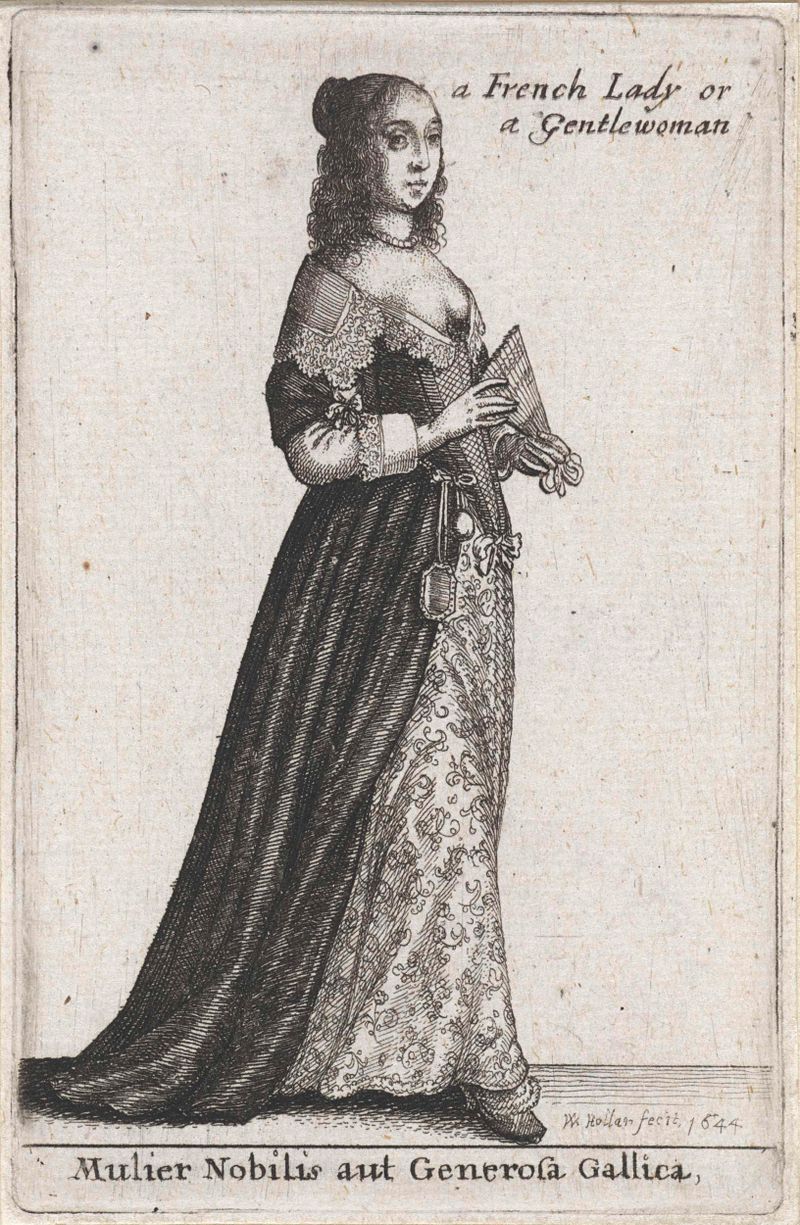
Mulier Nobilis aut Generosa Gallica / a French Lady or Gentlewoman
Wenceslaus Hollar
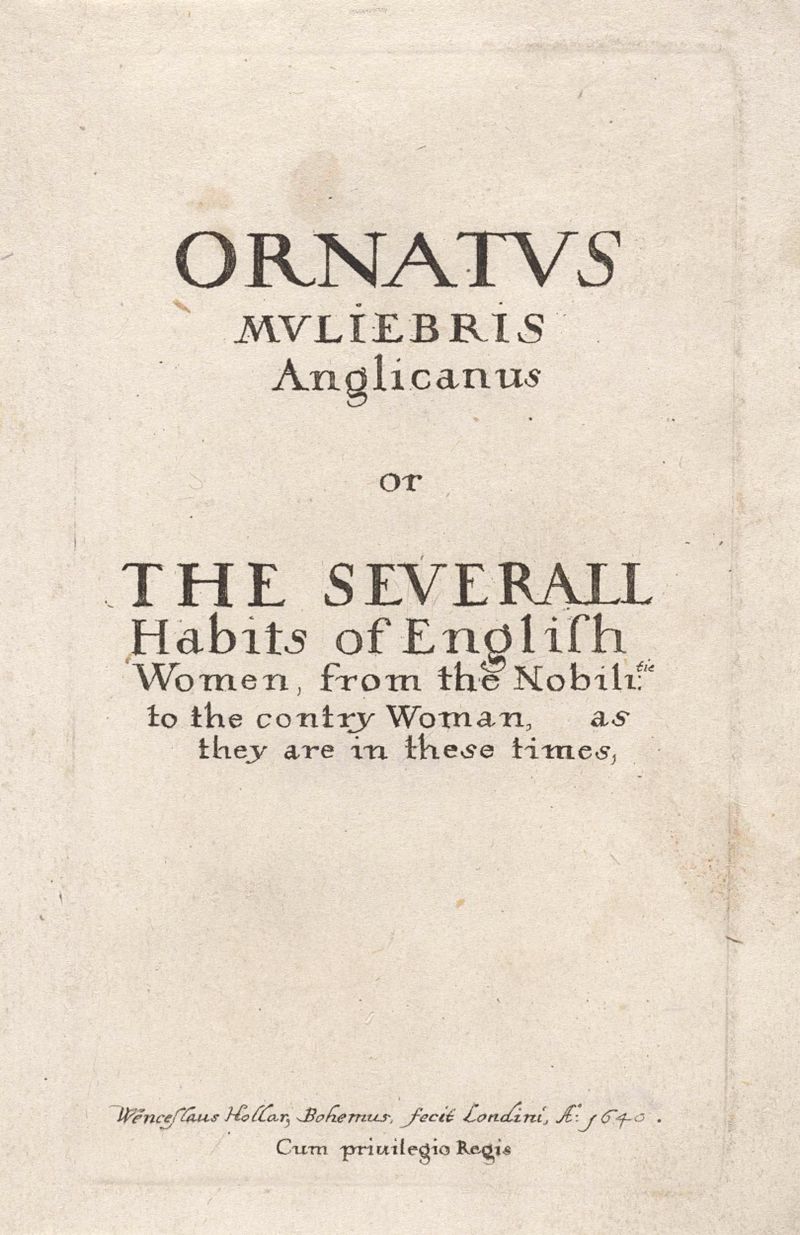
Titelprent voor: Ornatus Muliebris Anglicanus
Wenceslaus Hollar
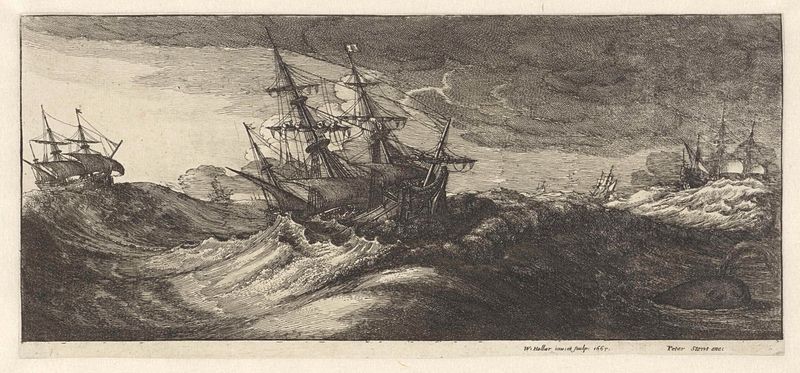
Oorlogsschepen en een walvis in een zeestorm
Wenceslaus Hollar
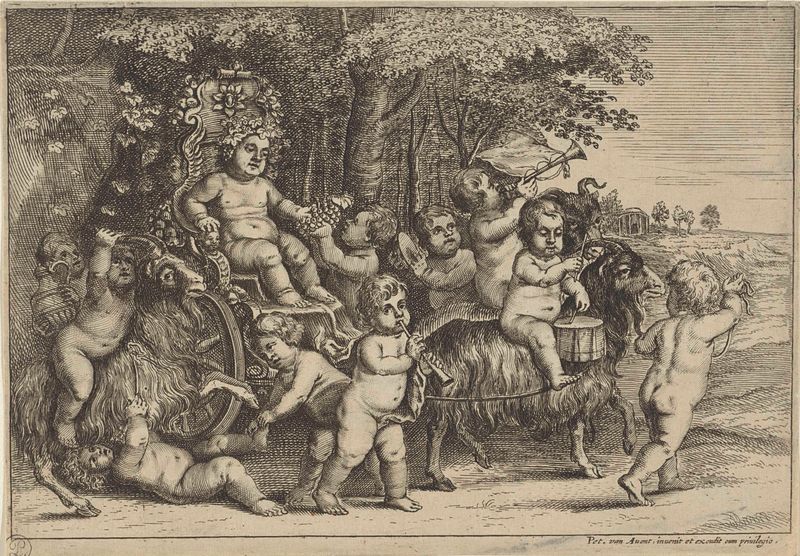
Optocht van bacchant en jongetjes op geiten
Wenceslaus Hollar
Twee libellen en vijf vlinders
Wenceslaus Hollar
Portret van Albrecht Dürer
Wenceslaus Hollar
Ornamenteel ontwerp voor een dolk
Wenceslaus Hollar
Gezicht op Praag vanaf de Moldau
Wenceslaus Hollar