
Woerth — History & Facts
Can beauty exist without sorrow? The delicate interplay of joy and pain can sometimes be found in the vivid colors and intricate details of art. Look closely at the swirling forms and vibrant palette that define this work. The brushstrokes create a sense of movement, drawing the eye across the canvas from the bold hues anchoring the foreground to the softer shades that dissolve into the background. Notice how the light dances across the surfaces, highlighting textures that suggest both celebration and longing, eliciting an emotional response that is at once uplifting and melancholic. In the interplay of colors, there lies a deeper narrative; the contrasts between the bright and muted tones symbolize the duality of human experience—ecstasy intertwined with heartache.
Subtle hints of darkness lurk in the corners, while bright bursts of color evoke moments of joy and vitality, creating a rich tapestry of emotion. This complexity invites the viewer to reflect on their own experiences, turning personal sorrow into a shared connection with the artwork. Created between 1840 and 1844, this piece reflects Johann Friedrich Wagner’s exploration of Romantic themes at a time when the art world was shifting towards expressiveness and emotional depth. Situated in Germany, Wagner was influenced by the burgeoning Romantic movement, alongside the societal upheavals of his time, which invited a more intimate and introspective engagement with subject matter.
He sought to fuse beauty with emotional resonance, allowing for a profound exploration of the human spirit.
More Artworks by Johann Friedrich Wagner
Browse all →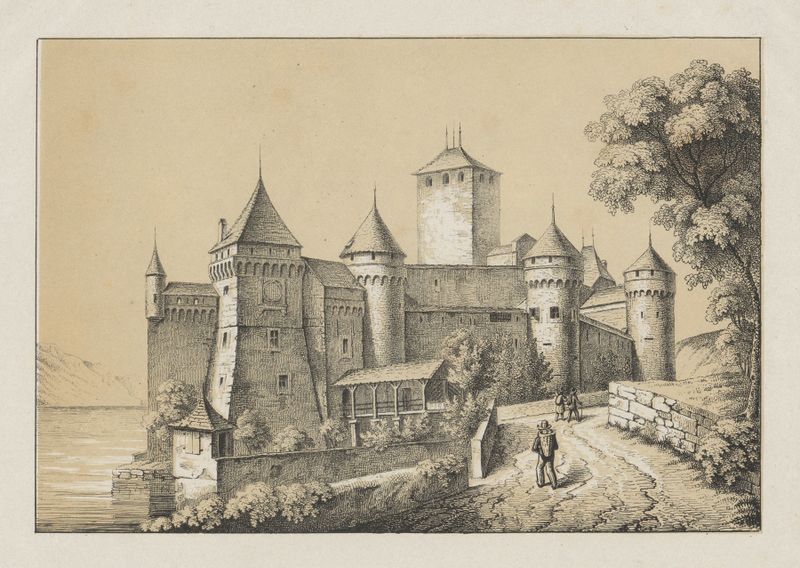
Chillon
Johann Friedrich Wagner

Valangin
Johann Friedrich Wagner
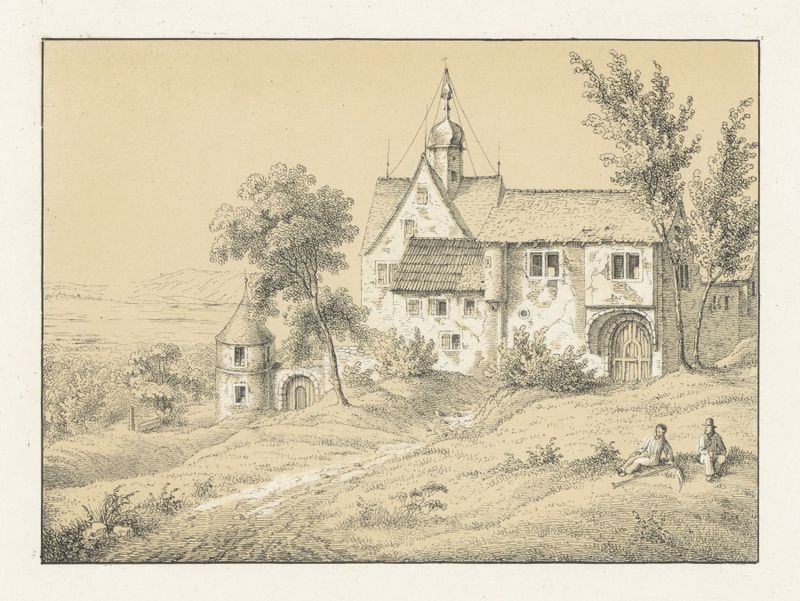
Greifenstein
Johann Friedrich Wagner

Vorburg
Johann Friedrich Wagner
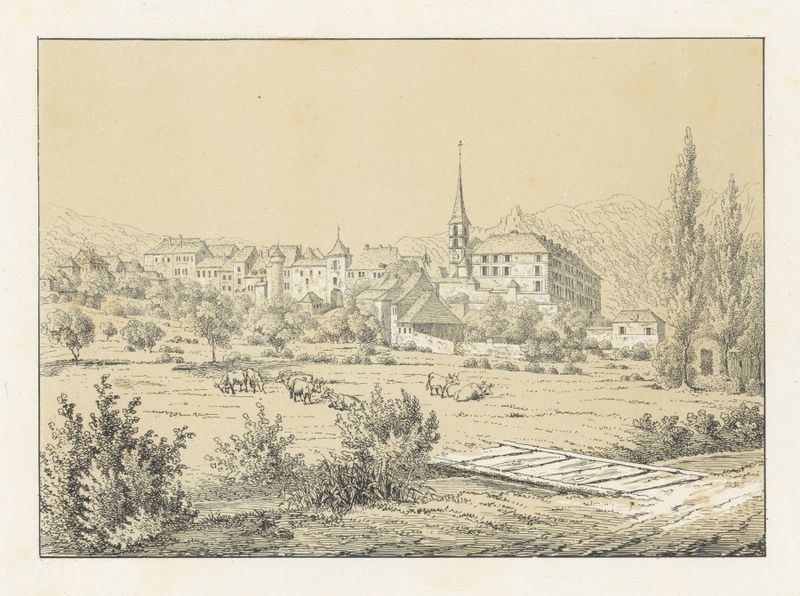
Delémont
Johann Friedrich Wagner

Pleujouse
Johann Friedrich Wagner

Challay
Johann Friedrich Wagner
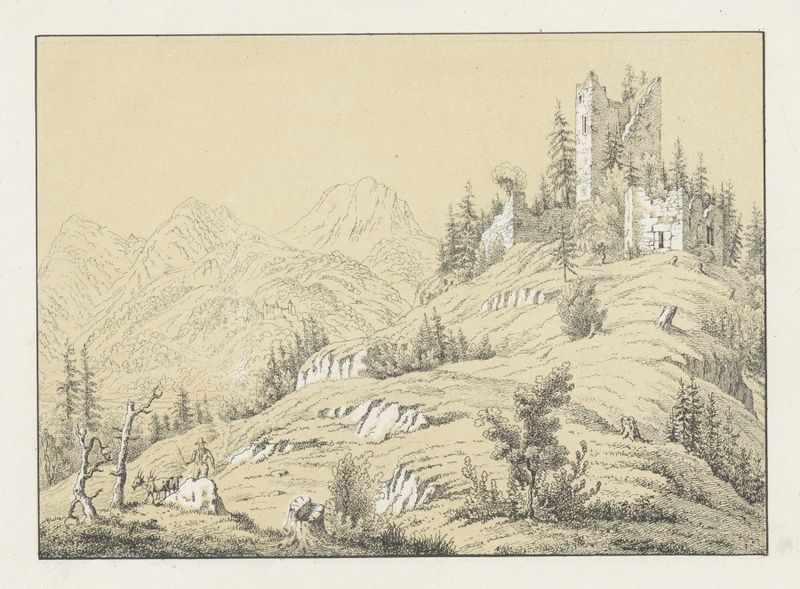
Mont Salvant
Johann Friedrich Wagner
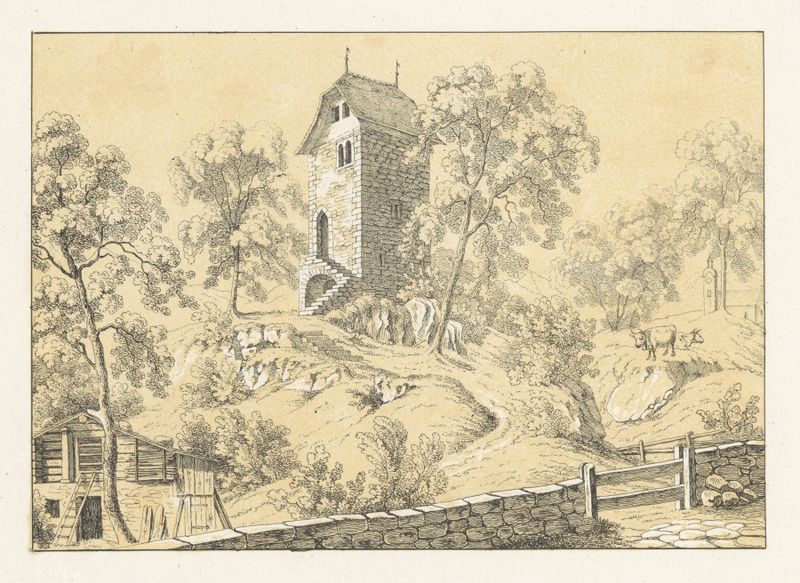
Aha. Od. Untere Burg von Sarnen
Johann Friedrich Wagner
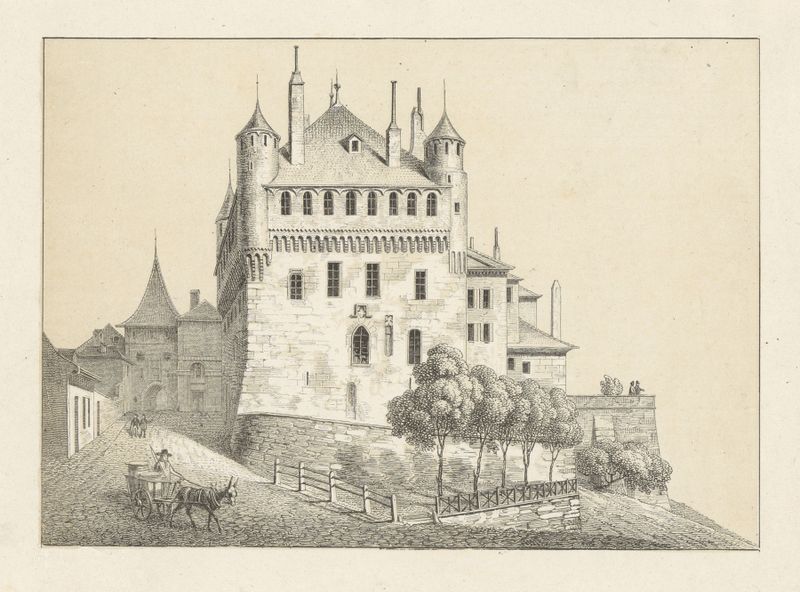
Lausanne
Johann Friedrich Wagner





