
Woman in a Ruff (possibly Sara Wolphaerts van Diemen) — History & Facts
No one knows for certain the identity of the poised sitter in Woman in a Ruff (possibly Sara Wolphaerts van Diemen), but the painting has long intrigued historians for the possibility that it captures a member of Haarlem’s influential Wolphaerts van Diemen family. The mystery of her name is matched by the enigma of the portrait’s date and commission, which remain unrecorded in any surviving documents. Some speculate that this work was painted during the 1630s, a period when Frans Hals was at the height of his career and frequently portrayed the city’s elite.
The sitter’s direct gaze and composed demeanor suggest a woman of status, yet her story is lost to time, leaving viewers to wonder about her life and the world she inhabited. The painting’s focus is the woman’s striking ruff, a wide, starched collar that was both a fashion statement and a symbol of wealth in the Dutch Golden Age. Her dark dress, modest jewelry, and the intricate lacework of her collar speak of restrained luxury and Protestant values. Hals captures her with his signature loose brushwork, giving life to the textures of fabric and flesh, while her gaze meets the viewer’s with a mixture of confidence and reserve.
Unlike the more theatrical portraits of Anthony van Dyck, Hals’s approach is intimate and immediate, emphasizing character over grandeur. The light falls softly across her face, drawing attention to her calm expression and the delicate play of shadows in the folds of her ruff. The journey of Woman in a Ruff as an object is largely undocumented, typical for many of Hals’s lesser-known portraits. Its attribution to Frans Hals has been generally accepted, though, as with several of his works, questions about studio participation occasionally arise.
Today, the painting stands as a testament to Hals’s ability to capture the individuality of his sitters, even when their identities are uncertain. It remains in a public collection, inviting new generations to puzzle over the life behind the lace and linen, and to admire the painter’s lively brush. In the context of Hals’s oeuvre, this portrait exemplifies his fascination with character and the fleeting moment, hallmarks of the Dutch Golden Age portrait tradition.
More Artworks by Frans Hals

Banquet of the Officers of the St George Civic Guard
Frans Hals

Portrait of Jacob Pietersz Olycan (1596-1638)
Frans Hals
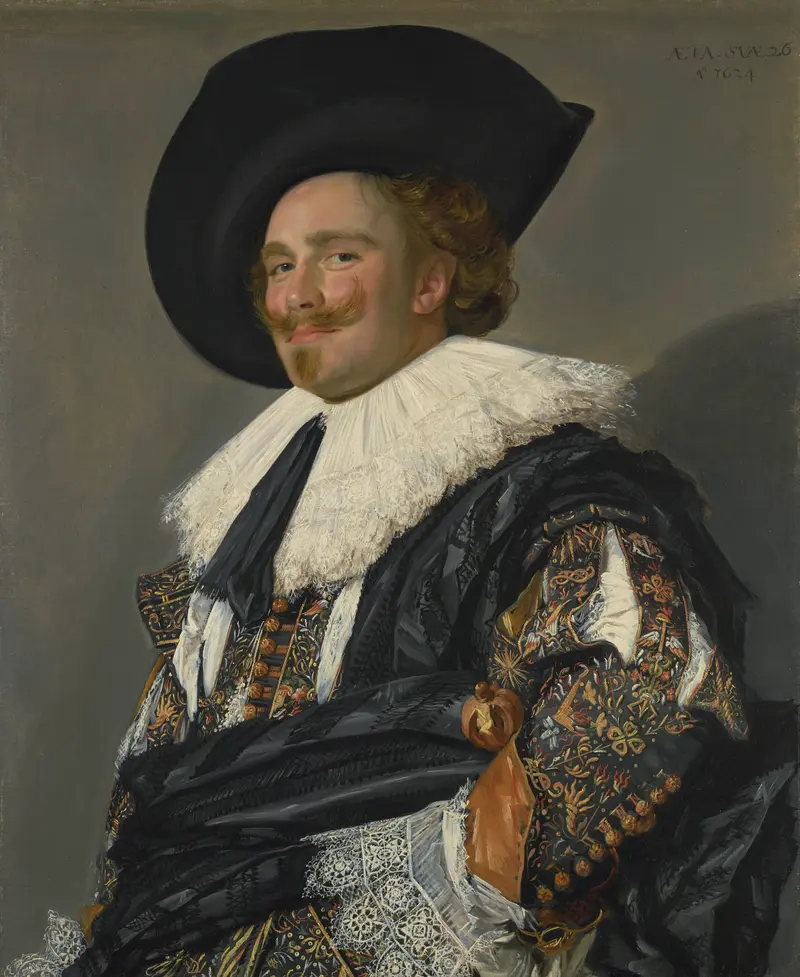
Laughing Cavalier
Frans Hals

Militia Company of District XI under the Command of Captain Reynier Reael, Known as ‘The Meagre Company’
Frans Hals
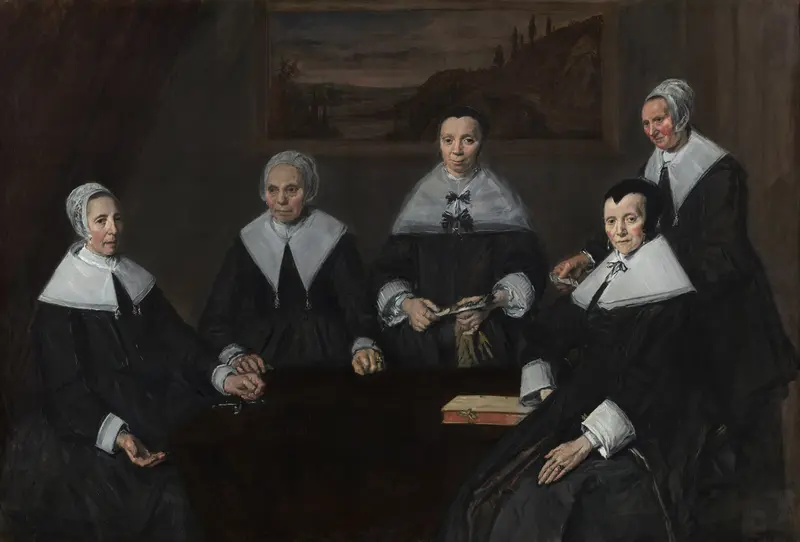
Regentesses of the Old Men's Alms House
Frans Hals
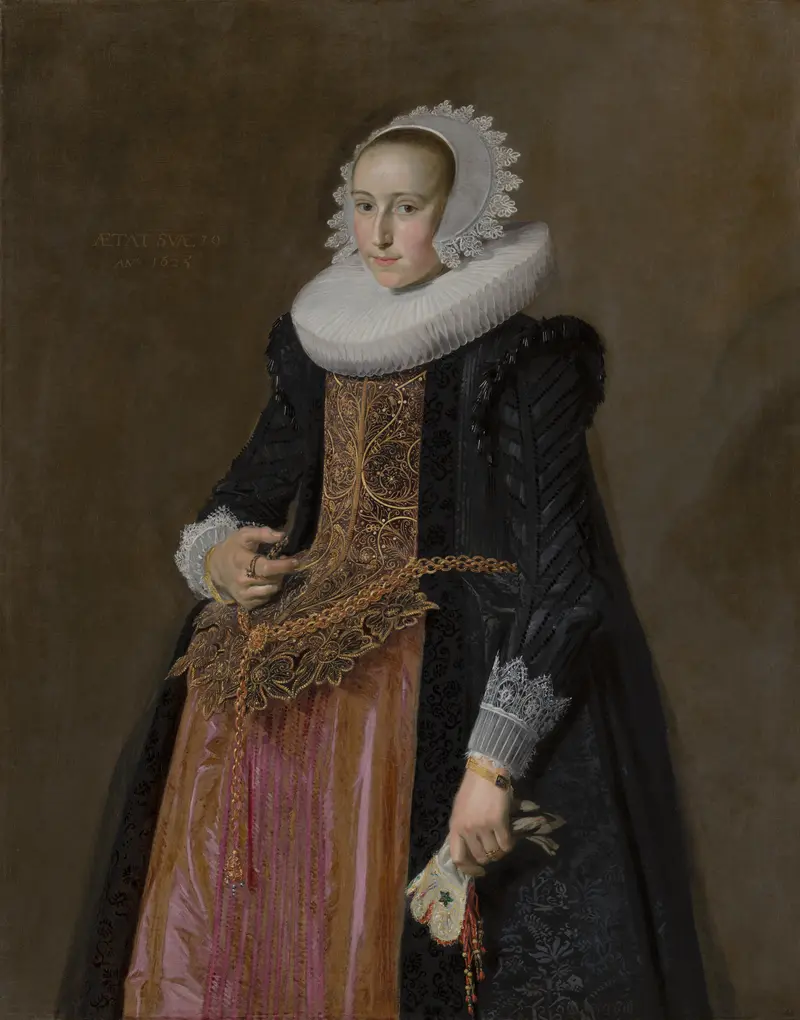
Portrait of Aletta Hanemans (1606–1653)
Frans Hals
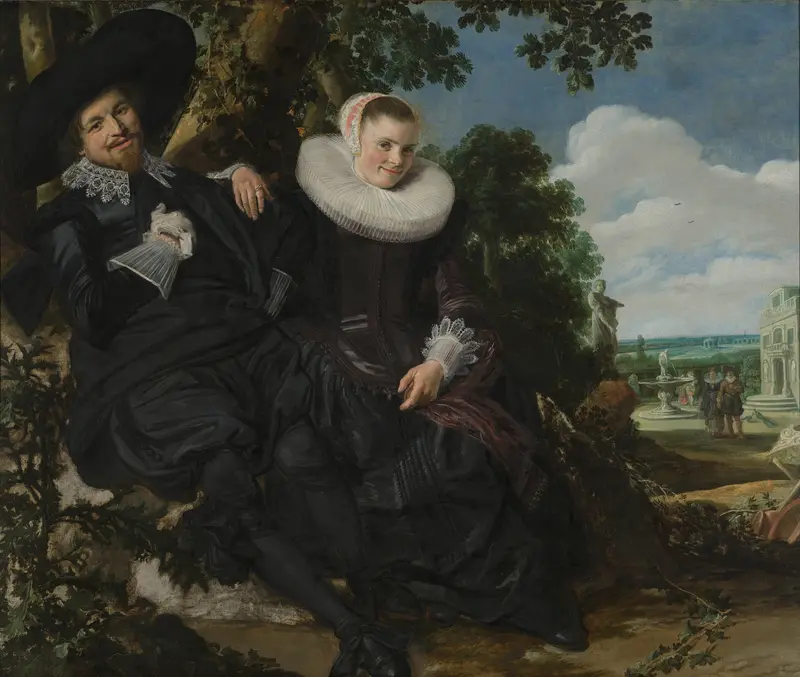
Portrait of a Married Couple, Likely Isaac Abrahamsz Massa and Beatrix van der Laen
Frans Hals
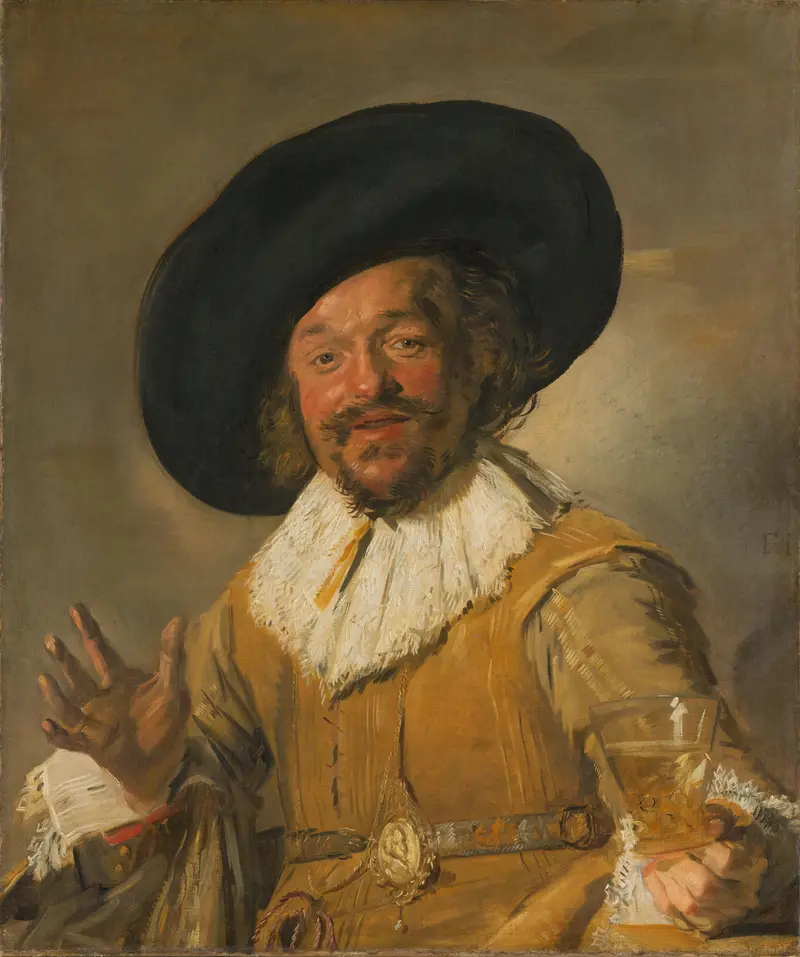
The Merry Drinker
Frans Hals
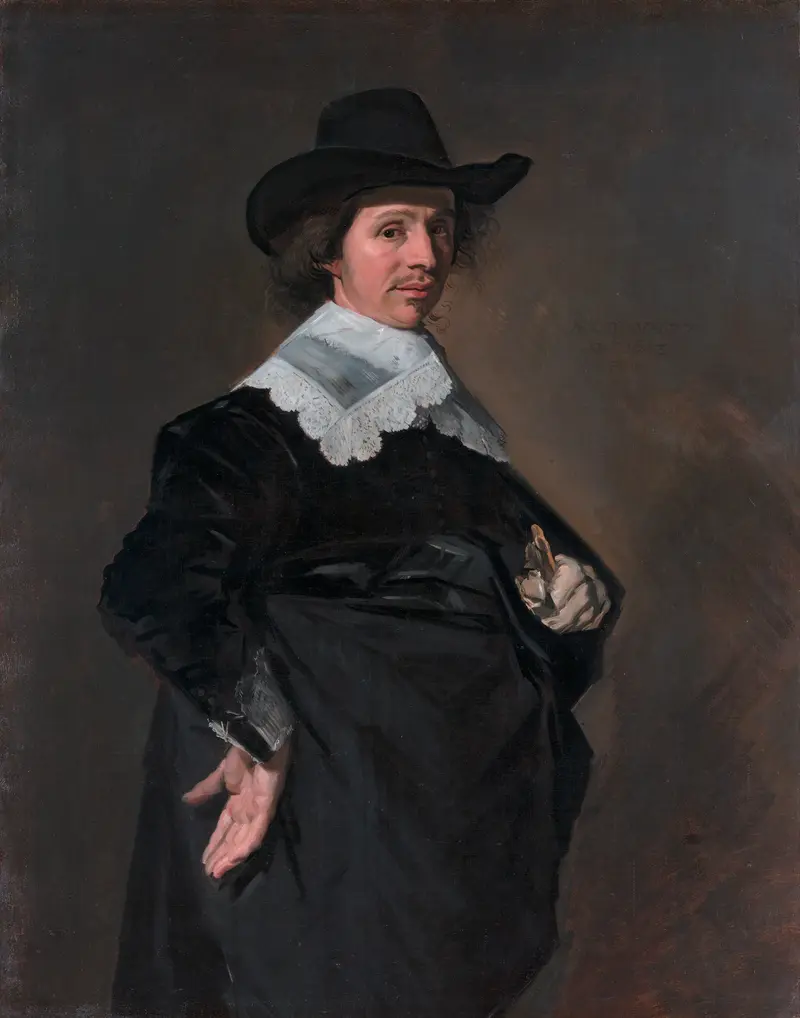
Portrait of Paulus Verschuur
Frans Hals
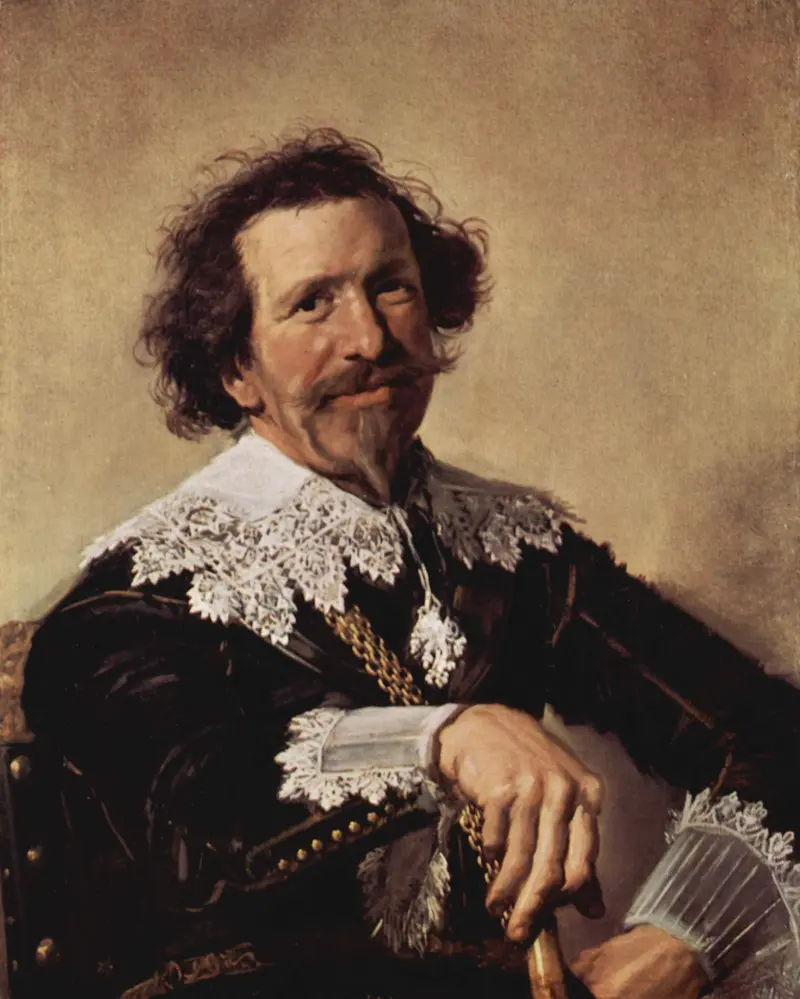
Portrait of Pieter van den Broecke
Frans Hals





