
Woman Weaving a Crown of Flowers — History & Facts
No one knows for certain who first owned Woman Weaving a Crown of Flowers, or even when exactly it was painted, but the work has long intrigued scholars for its intimate, candlelit atmosphere—a hallmark of Godfried Schalcken’s style. Schalcken, celebrated in his own lifetime for his mastery of light, often painted scenes that hover between genre and allegory, prompting debates about their deeper meaning. Unlike many of his contemporaries, Schalcken rarely signed or dated his works, making the chronology of paintings like this one a challenge for historians.
The painting’s mysterious origins have only heightened its allure, as it quietly resists easy classification within the bustling world of late Dutch Baroque art. A young woman sits absorbed in her delicate task, threading blossoms into a garland, her features softly illuminated by a hidden source of light. Schalcken captures her in a moment of private reverie, the petals glowing against the darkness, her hands paused mid-motion. The crown of flowers she weaves may hint at themes of innocence, fleeting beauty, or perhaps courtship—a common motif in Dutch genre scenes.
The careful rendering of textures—the crisp linen, the translucent petals—invites comparison with Vermeer, though Schalcken’s focus on artificial light and psychological intimacy is distinctly his own. The woman’s downcast eyes and gentle concentration suggest a quiet narrative, leaving viewers to wonder for whom the crown is intended. The painting’s early history remains obscure, with no surviving records of commission or sale from Schalcken’s lifetime. Like many works by the artist, Woman Weaving a Crown of Flowers likely passed through private collections in the Netherlands and England, where Schalcken’s candlelit interiors were highly prized in the eighteenth century.
Its attribution has never been seriously contested, thanks to the unmistakable handling of light and figure. Today, the painting is recognized as a quintessential example of Schalcken’s mature period, and it continues to draw admirers for the way it transforms a simple domestic act into a scene of quiet drama.
More Artworks by Godfried Schalcken

Young Man and Woman Studying a Statue of Venus, by Lamplight
Godfried Schalcken

Portrait of an Artist in His Studio
Godfried Schalcken
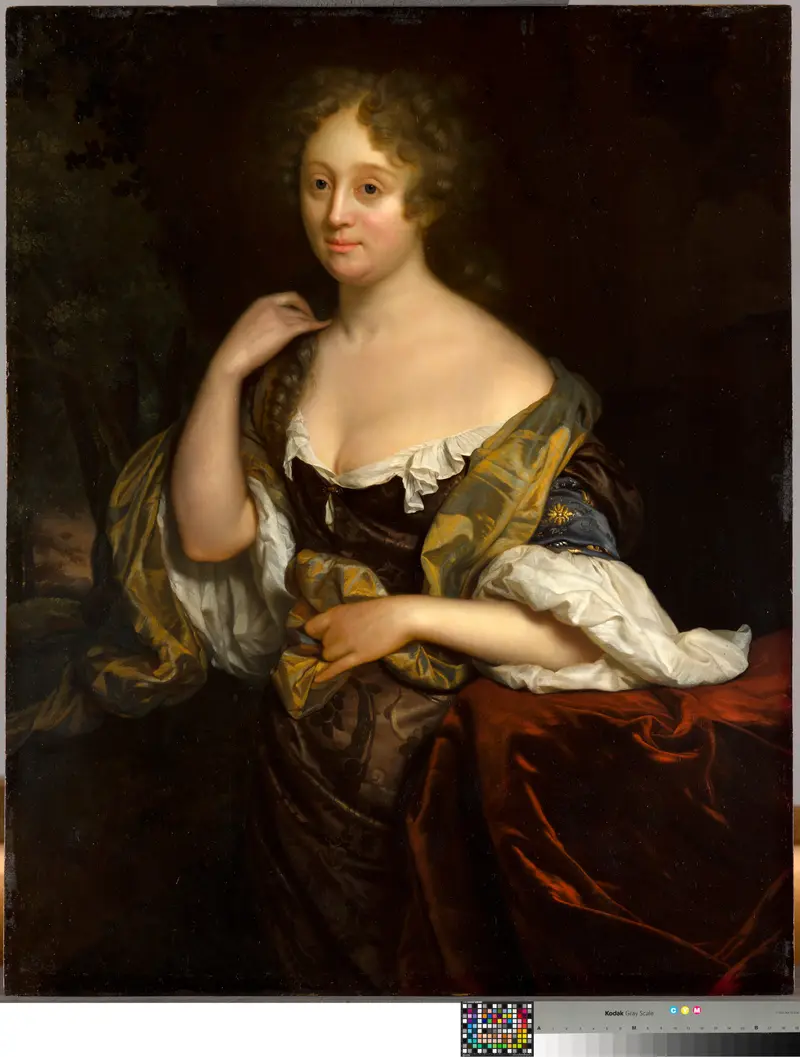
Portrait of Isabella Agneta Deutz
Godfried Schalcken
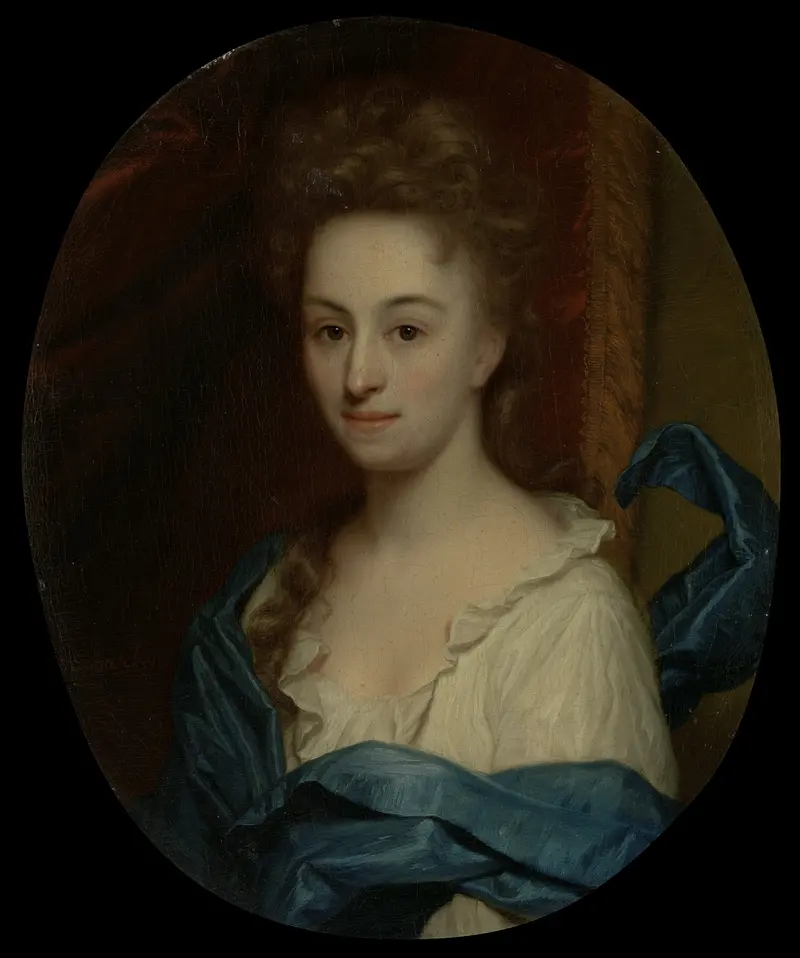
Portrait of Josina Clara van Citters (1671-1753), daughter of Josina Parduyn
Godfried Schalcken
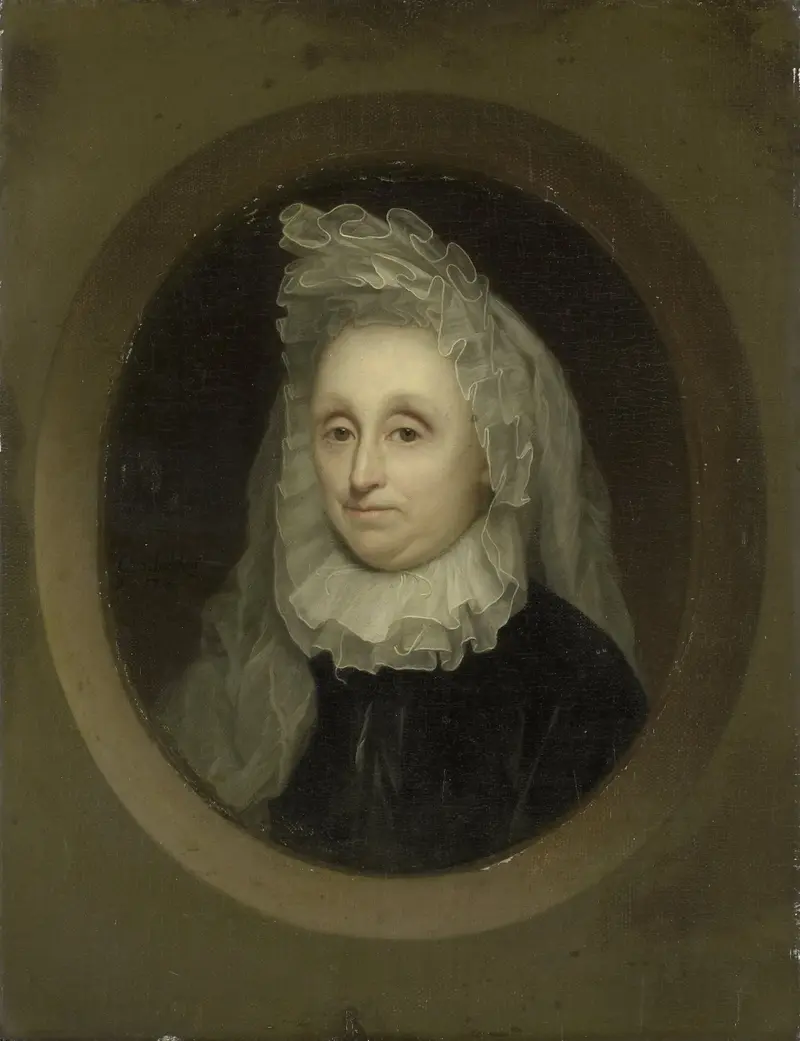
Portrait of Josnia Parduyn (1642-1718), second wife of Aernout van Citters
Godfried Schalcken
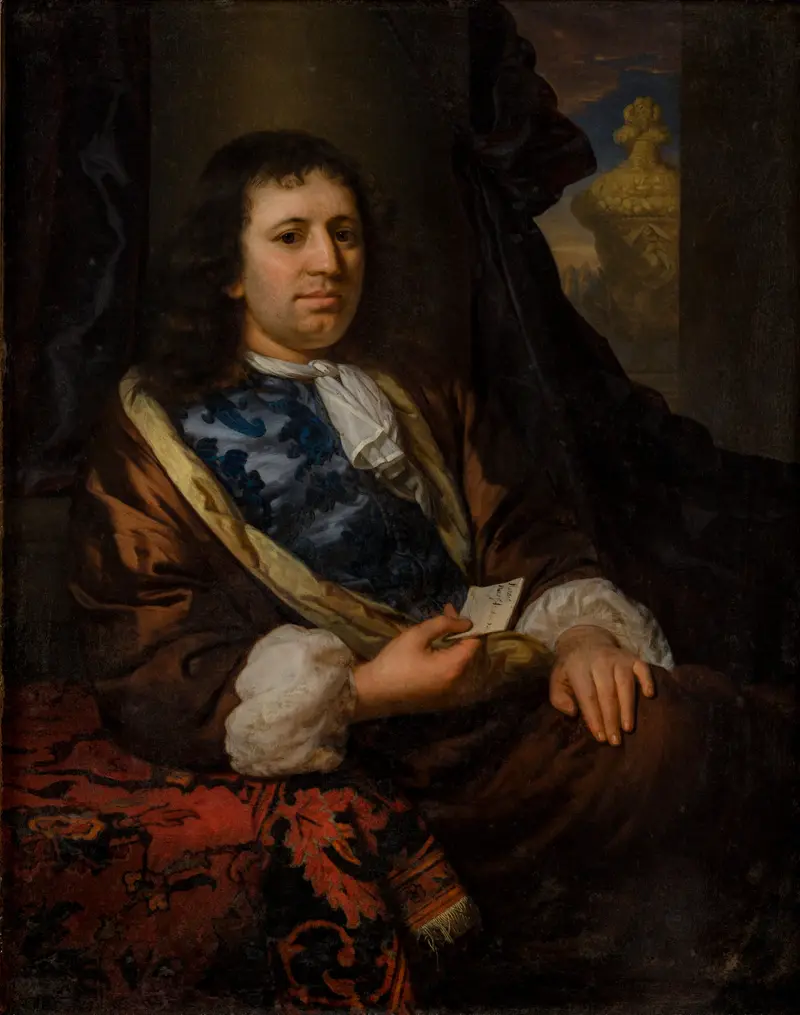
Portret van Johan de Bruin (1678-
Godfried Schalcken
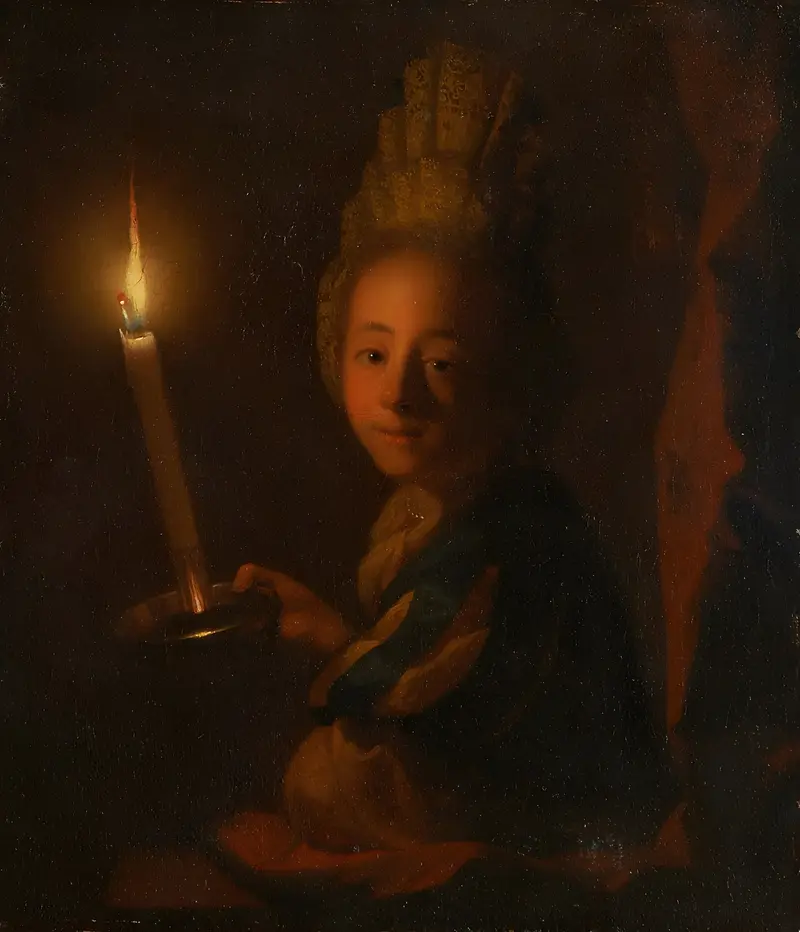
Girl with Burning Candle
Godfried Schalcken
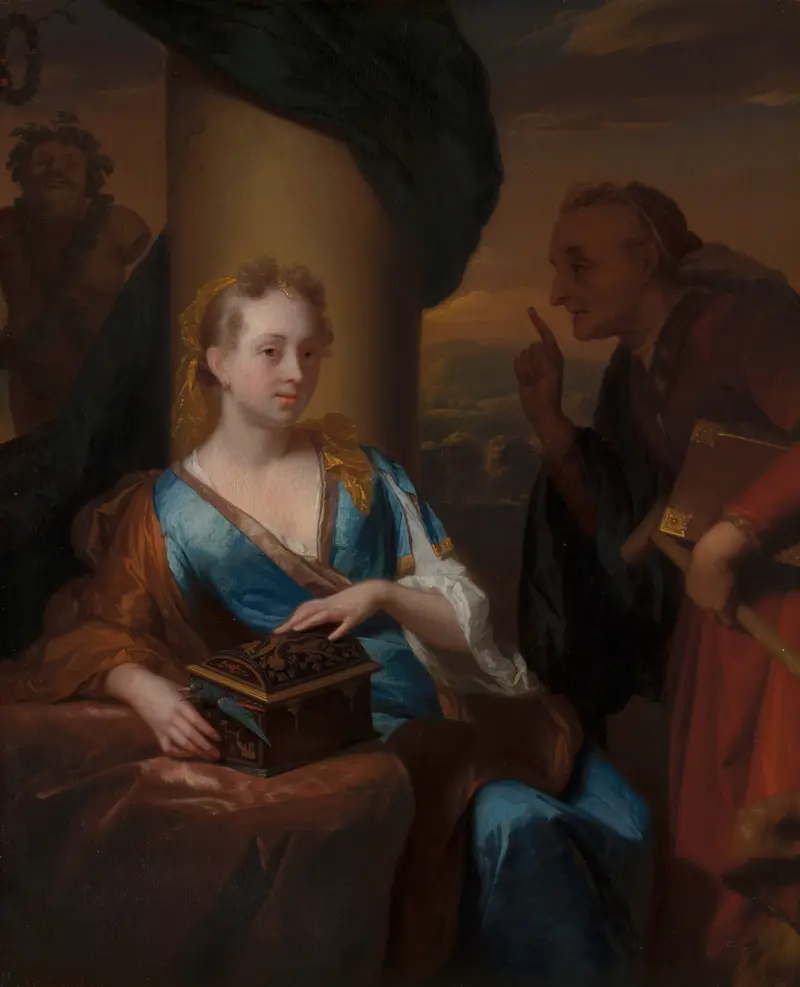
A Useless Moral Lesson
Godfried Schalcken
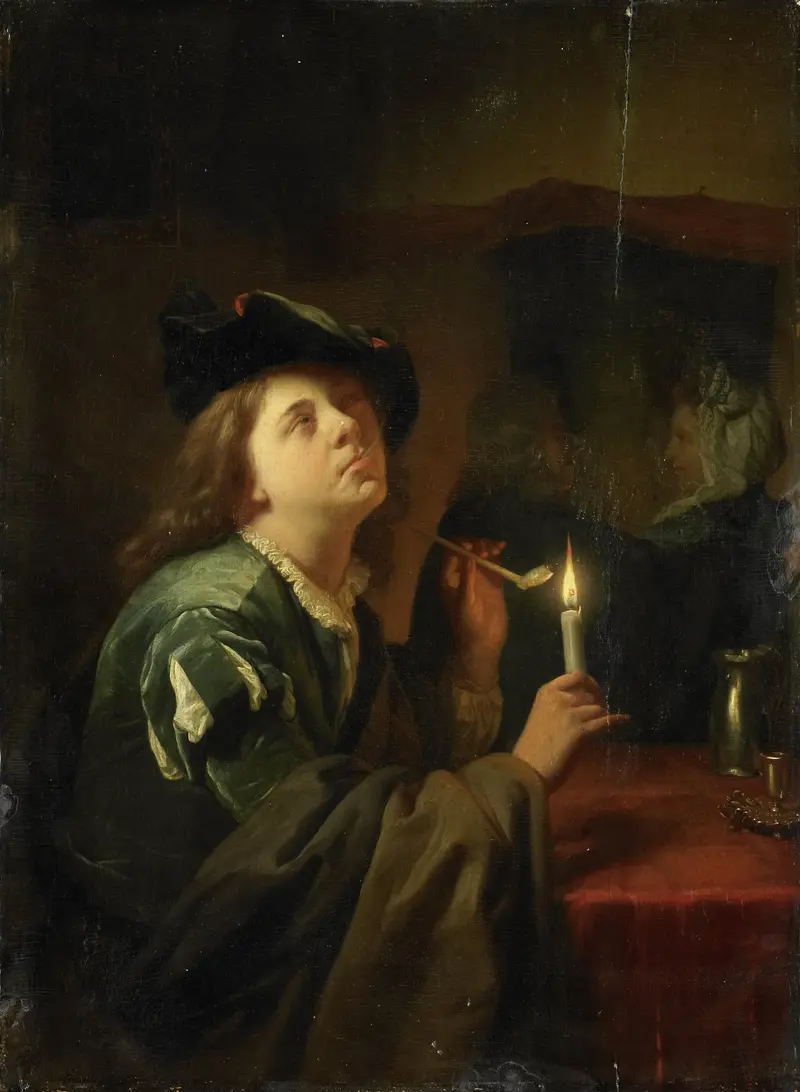
‘Differing tastes’
Godfried Schalcken
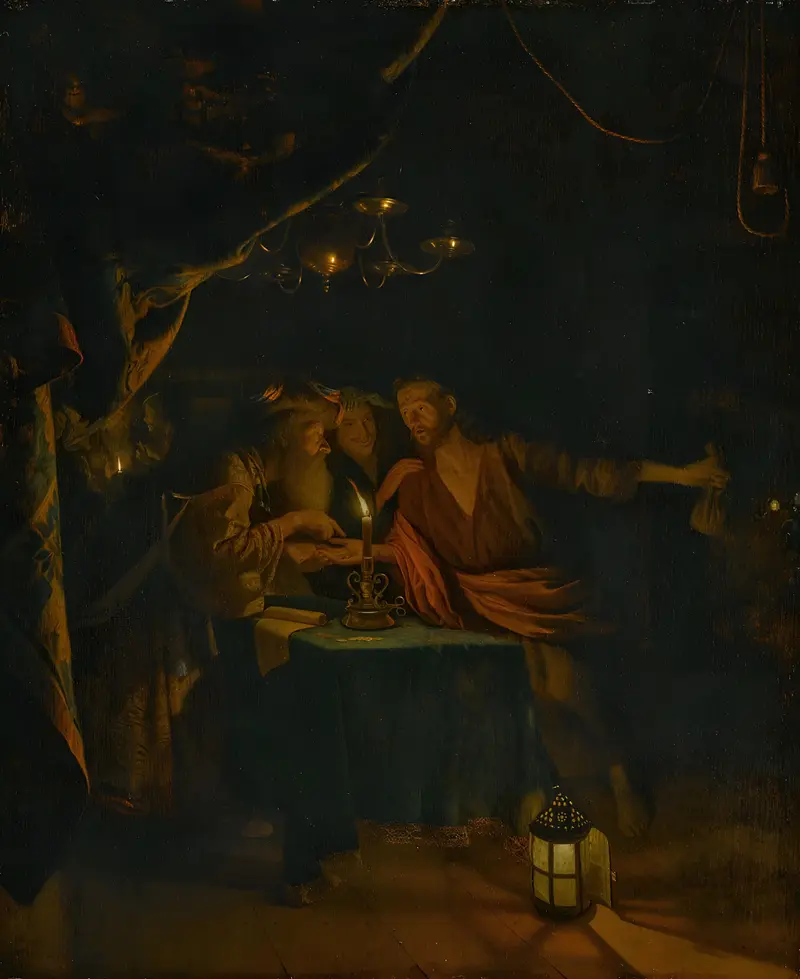
The betrayal of Judas
Godfried Schalcken
More Genre Scene Art

Banquet of the Officers of the St George Civic Guard
Frans Hals

Rembrandt and Saskia in the Scene of the Prodigal Son
Rembrandt van Rijn

Bal du moulin de la Galette
Pierre-Auguste Renoir

Quadrille at the Moulin Rouge
Henri de Toulouse-Lautrec

A Burial at Ornans
Gustave Courbet

When Will You Marry?
Paul Gauguin