
Women of the Ouled Nayls — History & Facts
In Women of the Ouled Nayls, the vibrant hues and striking forms invite us to explore the intricate layers of existence and rebirth within the region's cultural tapestry. Look to the center of the composition, where the figures of the women stand proudly, adorned in elaborate jewelry that gleams under the warm light. Their faces, a blend of strength and vulnerability, hold an unspoken narrative, drawing viewers deeper into their world. Notice how Fromentin's brushwork brings out the texture of their garments, allowing the rich colors to vibrate with life.
The play of light and shadow creates a dynamic contrast, suggesting a duality of joy and sorrow experienced by these women. Delve into the details: the way the fabrics swirl around them symbolizes both tradition and freedom, while the subtle expressions on their faces reflect the complex emotions tied to their roles in society. The juxtaposition of opulence and the stark reality of their lives hints at a deeper commentary on cultural identity, resilience, and the cyclical nature of existence. Each adornment can be seen as a token of rebirth, suggesting that beauty often conceals deeper struggles. Fromentin painted this piece in 1867, during a time when he was deeply influenced by his travels in North Africa.
The artist sought to capture the essence of the Ouled Nayls, a tribe known for its vibrant culture and strong women. This period marked a significant shift in the art world, as Orientalism surged in popularity, prompting European artists to explore the exoticism and richness of Eastern societies. Fromentin's work stands as a testament to a moment of cultural exchange and introspection, resonating with contemporary discussions on identity and representation.
More Artworks by Eugène Fromentin
Browse all →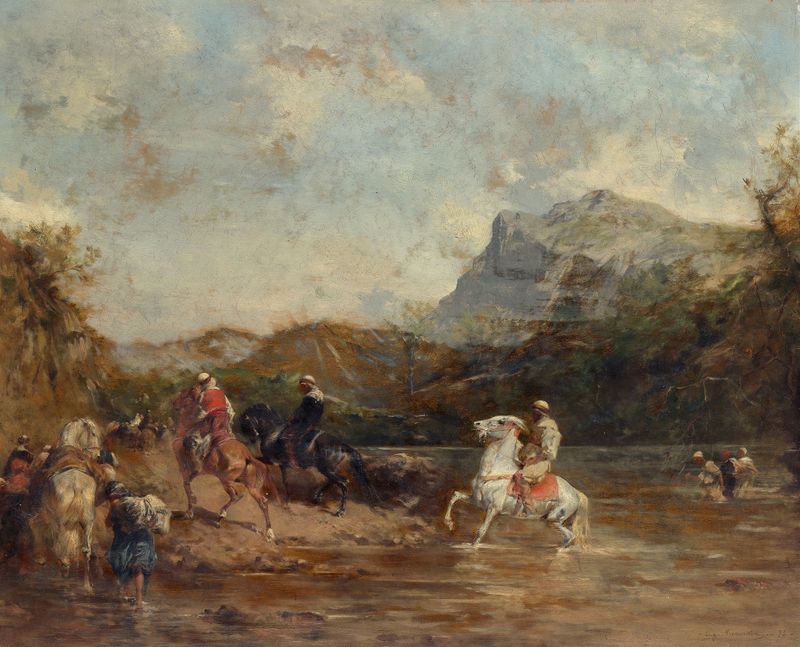
Arabs Crossing a Ford
Eugène Fromentin

Campement arabe dans les montagnes de l’Atlas
Eugène Fromentin

Falcon Hunt (‘Algeria Remembered’)
Eugène Fromentin
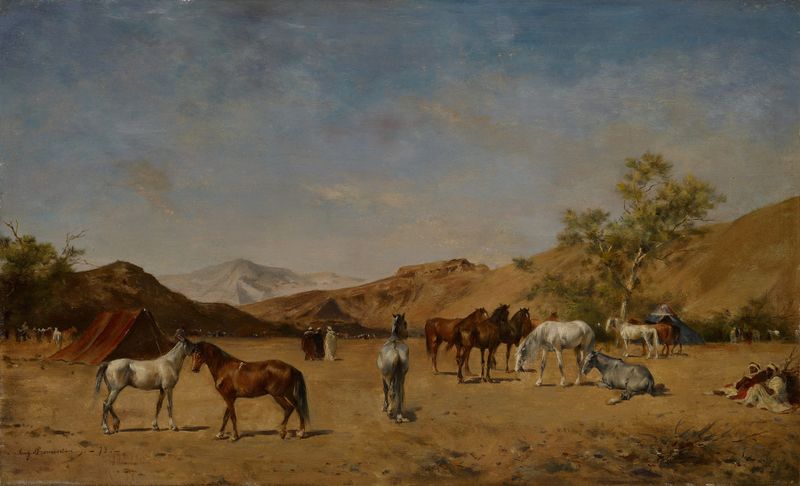
An Arabian Camp
Eugène Fromentin

On the Nile
Eugène Fromentin
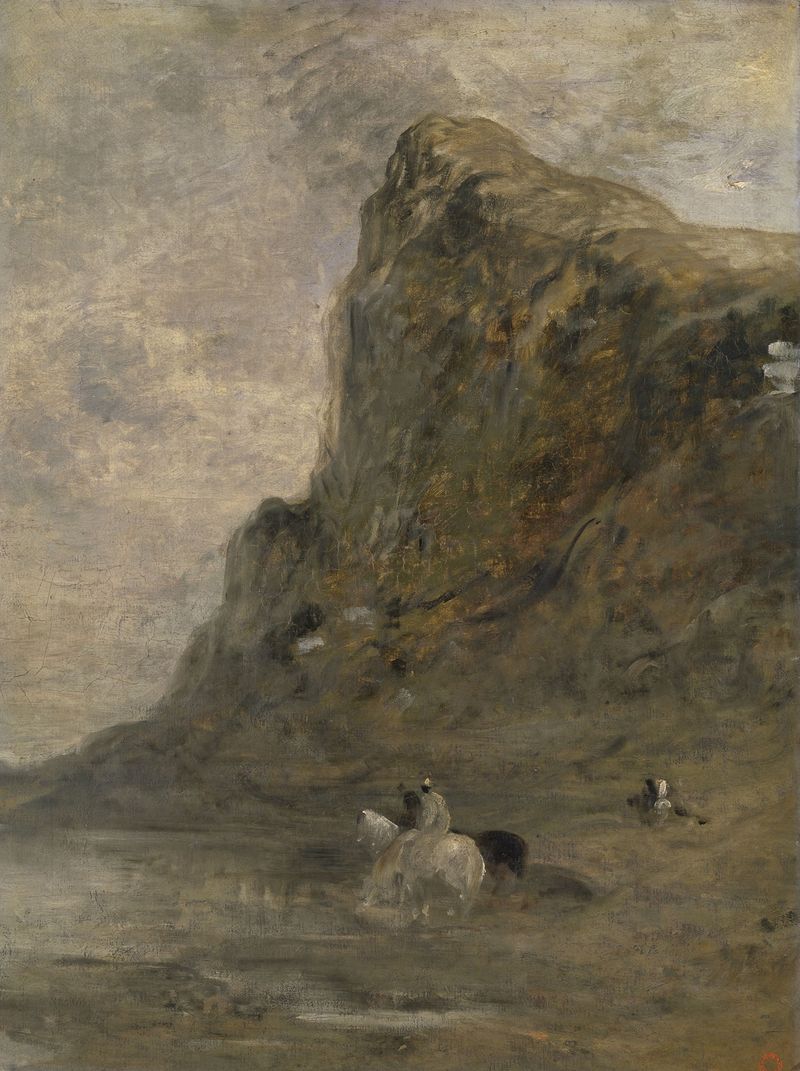
Horsemen at the Foot of the Chiffa Cliffs
Eugène Fromentin
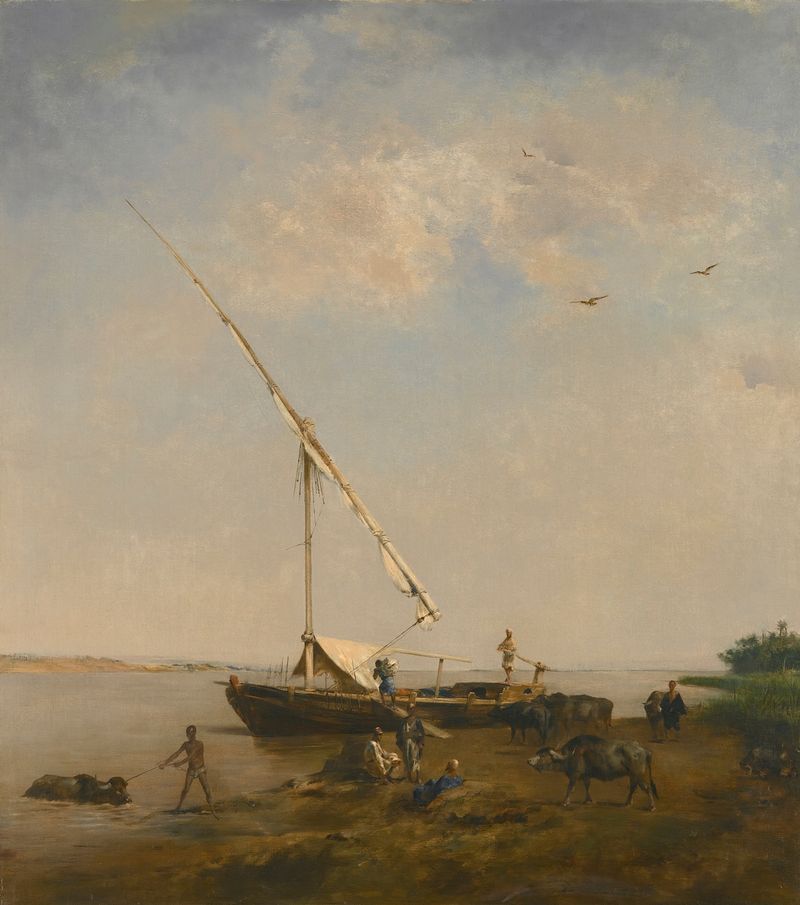
Felucca Au Bord Du Nil
Eugène Fromentin
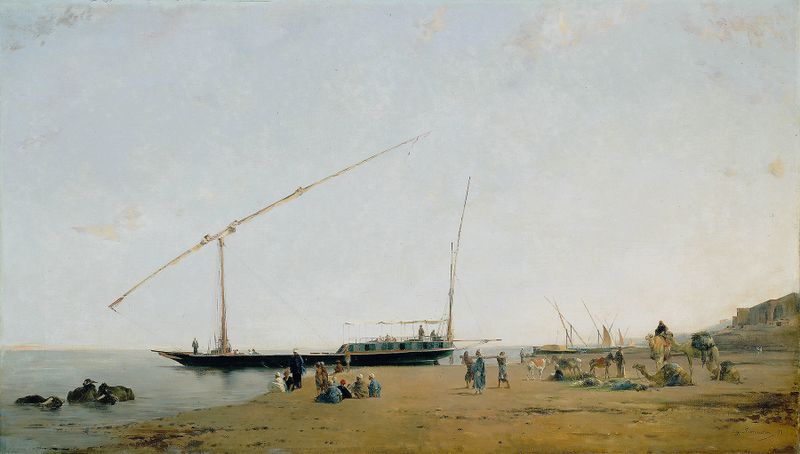
On the Nile, Near Philae
Eugène Fromentin

Arabs watering their horses
Eugène Fromentin

A view of Donzère
Eugène Fromentin





