
Arabs watering their horses — History & Facts
What if beauty was never meant to be finished? In Arabs watering their horses, the essence of life unfolds in delicate strokes, capturing an awakening that resonates beyond the canvas. Look to the left at the robust figures of the horsemen, their muscular forms mirroring the strength of their noble steeds. The painter's brushwork breathes life into the horses’ glistening coats, reflecting the sunlight in a dance of warm earth tones and deep, rich shadows. Notice how the water flows from the trough, a shimmering pathway of silver that contrasts with the sun-kissed ground, drawing the eye toward this moment of communion between man, beast, and nature. Yet, beneath the beauty lies a poignant contrast.
This scene, seemingly tranquil, hints at the tension between civilization and the untamed world, with horses symbolizing both freedom and dependence. The gestures of the riders, poised yet contemplative, evoke a sense of harmony overshadowed by an unspoken urgency — a reminder of the fleeting nature of existence. The interplay of light and shadow not only highlights the physical beauty but also suggests deeper emotional layers, inviting the viewer to contemplate the transience of life’s moments. In 1872, Eugène Fromentin was in the midst of exploring the themes of the Orient, having traveled extensively across North Africa.
This period marked a significant moment in his artistic career as he sought to blend realism and romanticism, capturing the vibrancy of culture and nature. His experiences and observations during this time profoundly influenced his works, infusing them with a sense of authenticity that resonates in every brushstroke.
More Artworks by Eugène Fromentin
Browse all →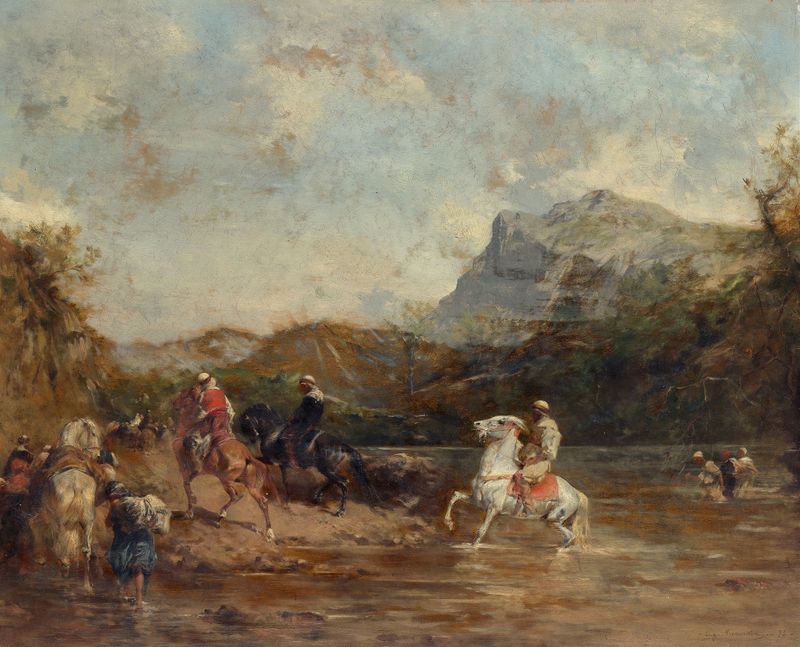
Arabs Crossing a Ford
Eugène Fromentin

Campement arabe dans les montagnes de l’Atlas
Eugène Fromentin

Falcon Hunt (‘Algeria Remembered’)
Eugène Fromentin

Women of the Ouled Nayls
Eugène Fromentin
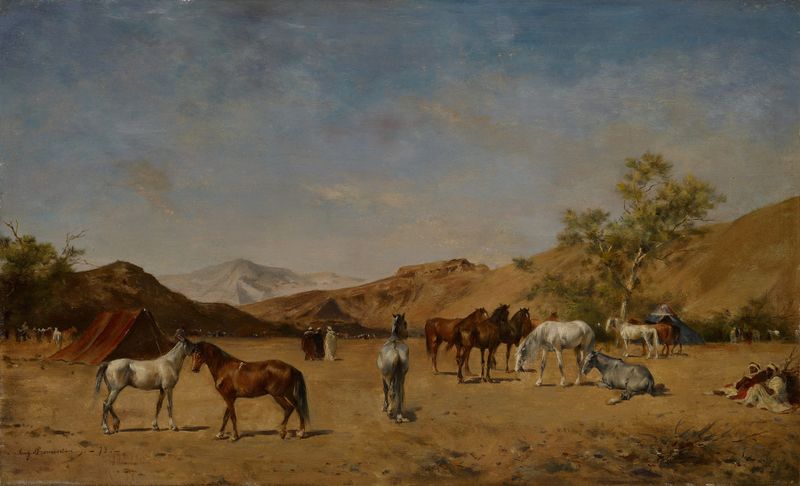
An Arabian Camp
Eugène Fromentin

On the Nile
Eugène Fromentin
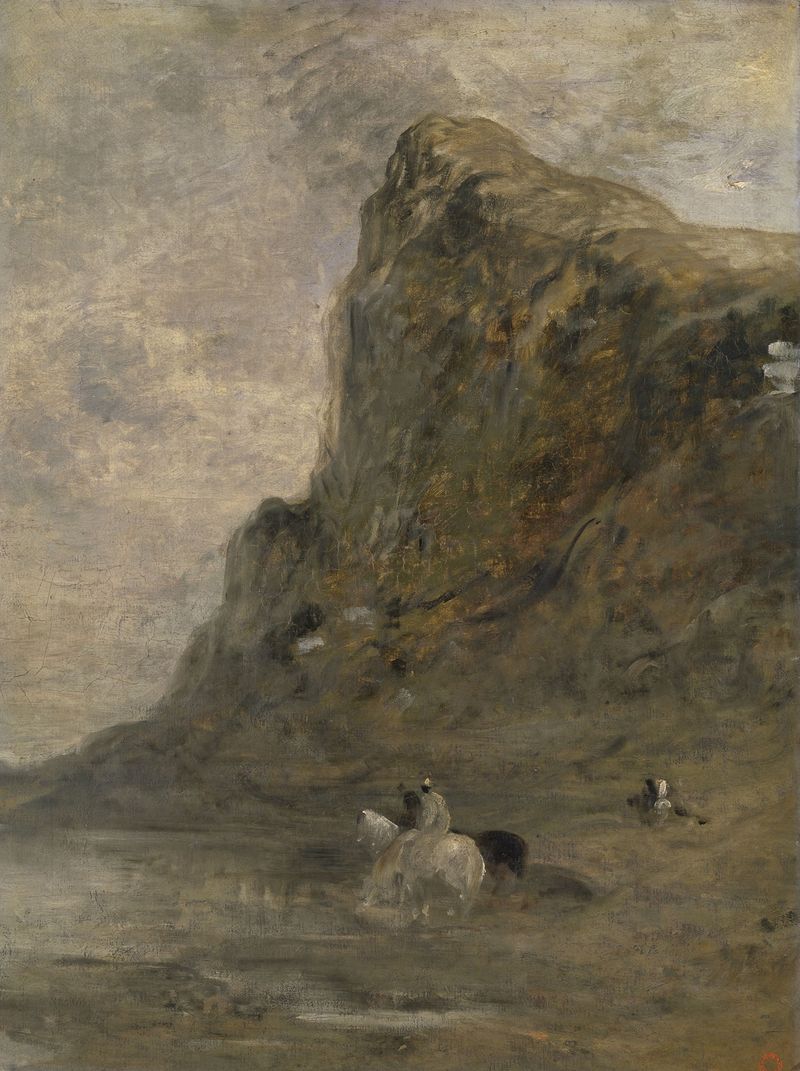
Horsemen at the Foot of the Chiffa Cliffs
Eugène Fromentin
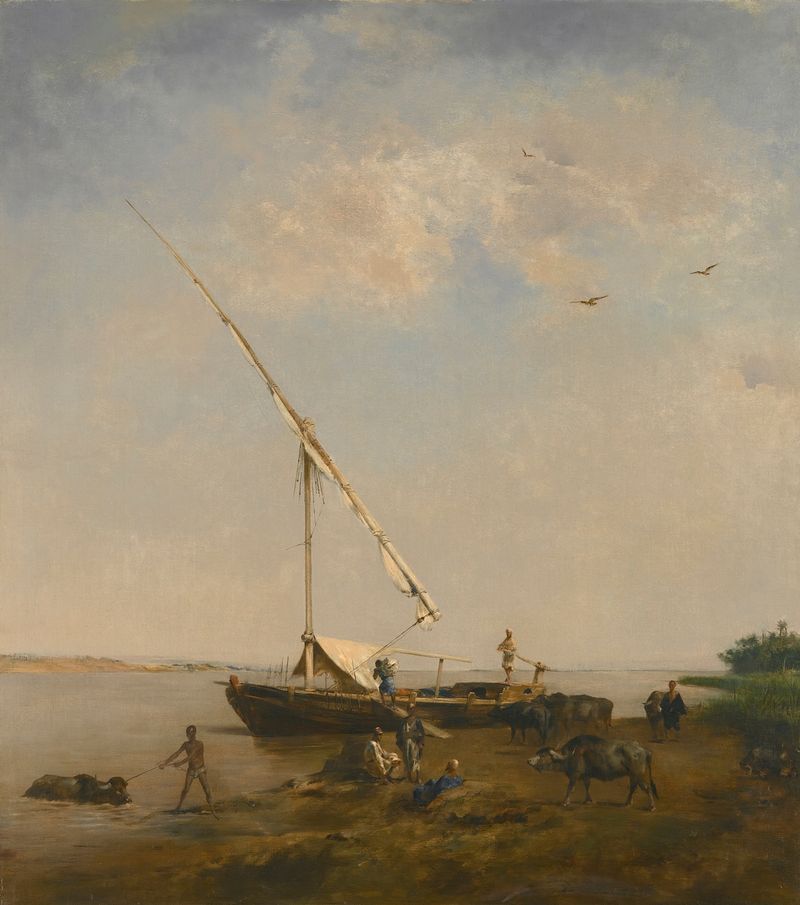
Felucca Au Bord Du Nil
Eugène Fromentin
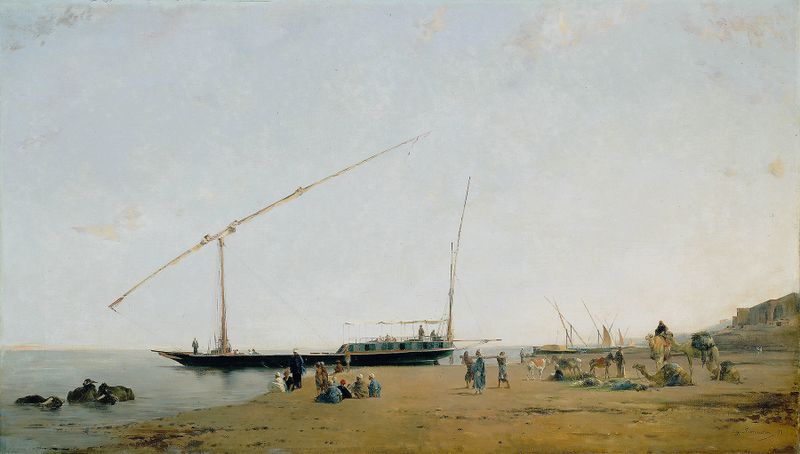
On the Nile, Near Philae
Eugène Fromentin

A view of Donzère
Eugène Fromentin





