
Wonderbare visvangst — History & Facts
Who listens when art speaks of silence? In the delicate interplay of light and shadow, Wonderbare visvangst invites us to contemplate the balance between stillness and action, an eternal dance of nature encapsulated on canvas. Look to the center of the piece, where fishermen toil against the rhythmic lure of the water. The stark contrast of dark and light reveals textured waves, each brushstroke a testament to labor and patience. Notice how the figures are almost sculptural in their solidity, yet they seem to dissolve into the environment, blurring the lines between man and nature.
The palette—a medley of earthy tones—anchors the scene in realism, while hints of brighter colors breathe life into the moment. Dig deeper into the composition, and you’ll find a dialogue of opposites: the chaos of the catch juxtaposed with the serene expanse of water. The silence of the scene, interrupted only by the echo of nature, speaks volumes about the balance of existence. Each fisherman carries the weight of his task, yet their postures suggest a harmony with the world around them, reflecting a deeper understanding of their place within it.
The subtle gestures of their hands and the way they interact with their environment emphasize a connection that transcends mere survival. Created in 1635, Wonderbare visvangst emerged during a time of significant transformation in the art world, where realism began to intertwine with the allegorical. Jacques Callot, renowned for his intricate etchings and ability to capture human emotions, painted this work amidst a period marked by the transitioning of styles—moving from Mannerism toward Baroque. His exploration of light, shadow, and movement was a reflection of both personal technique and a broader cultural evolution, resonating with the spirit of his time.
More Artworks by Jacques Callot
Browse all →
Titelprent voor de prentreeks 'De kleine apostelen' (Het martelaarschap van de apostelen)
Jacques Callot
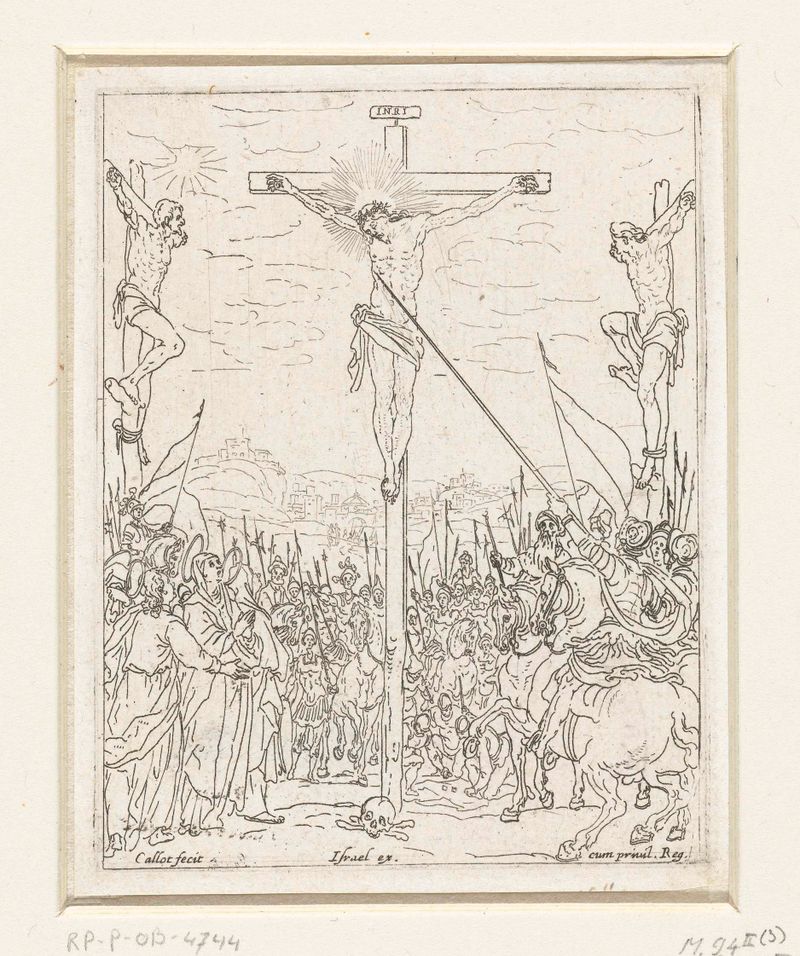
Kruisiging
Jacques Callot

De doortocht door de Rode Zee
Jacques Callot

De verloren zoon als zwijnenhoeder
Jacques Callot

Annunciatie
Jacques Callot
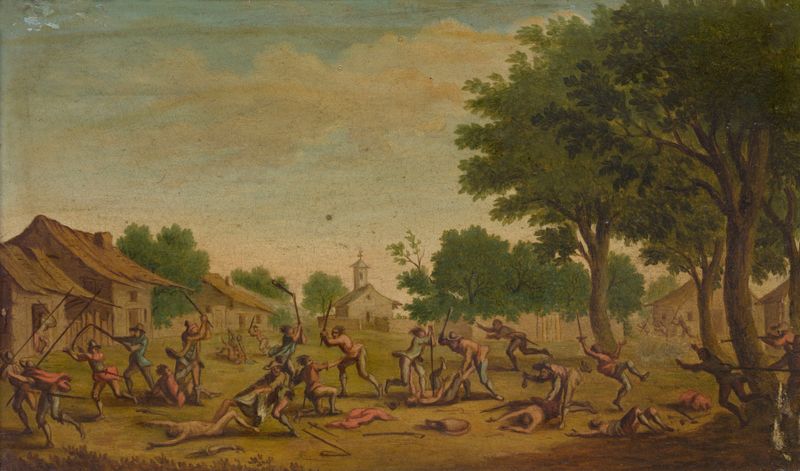
Village Fight
Jacques Callot

Titelprent voor prentreeks 'Het leven van Maria'
Jacques Callot
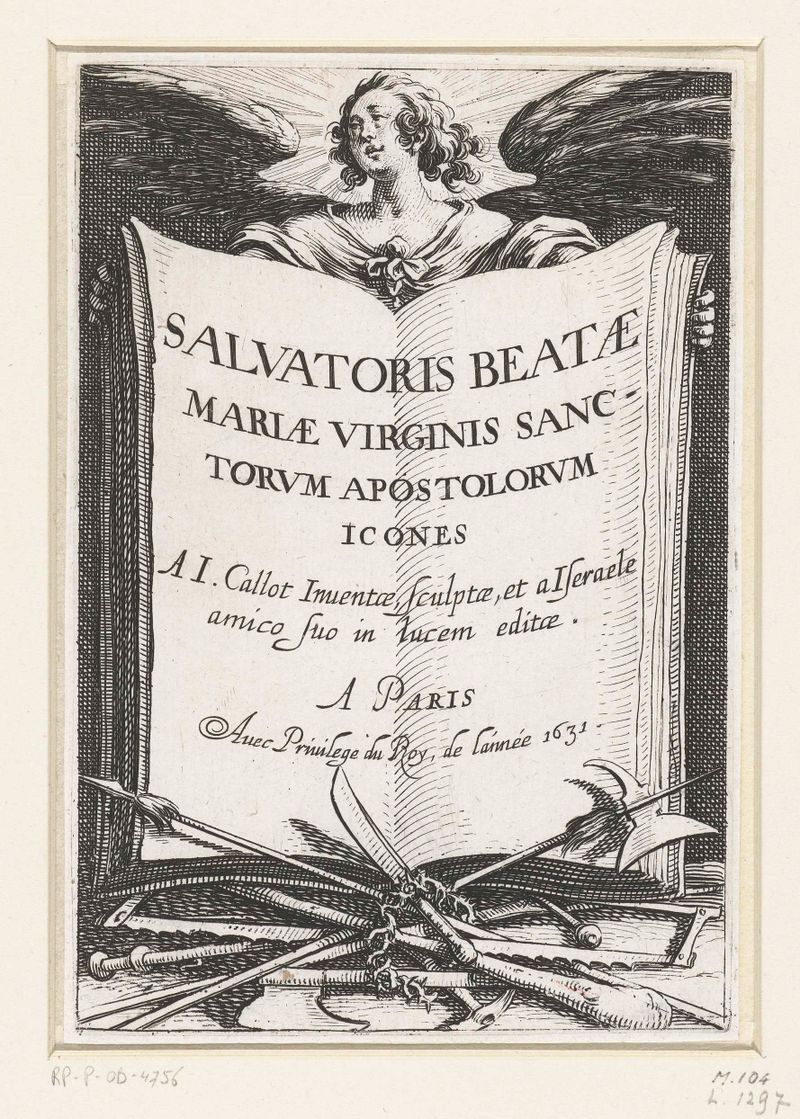
Titelprent voor de prentreeks 'De grote apostelen' (Christus, Maria en de apostelen)
Jacques Callot

Christus aan het volk getoond (Ecce homo)
Jacques Callot
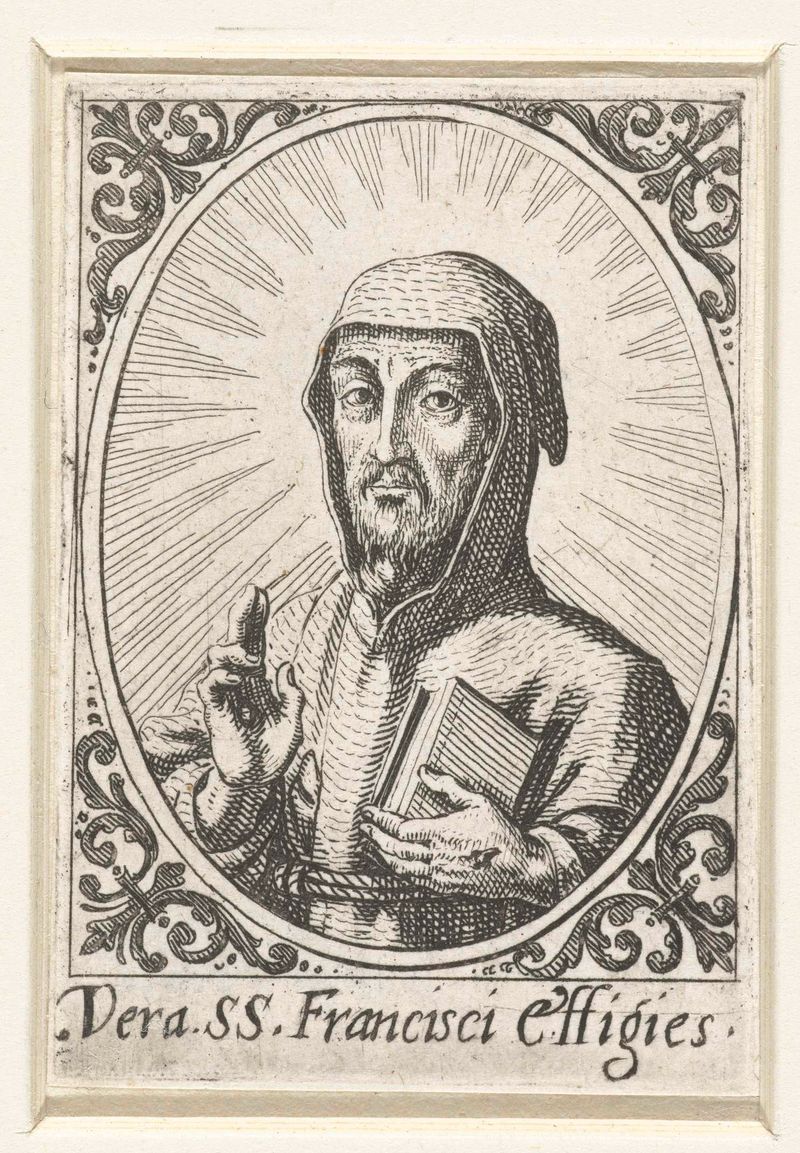
Portret van de Heilige Franciscus
Jacques Callot





