
Wood Stork — History & Facts
The first thing that arrests the viewer in Wood Stork by John James Audubon is the sheer monumentality of the bird, bent in concentration, its long beak poised just above the water’s surface. The stork’s body fills nearly the entire frame, its white plumage rendered with a precision that makes each feather seem tangible. Audubon’s eye for detail is not merely scientific but dramatic: the powerful teal legs, the subtle shadows along the wings, and the glint of the stork’s eye all combine to give the creature an alert, almost statuesque presence.
The low horizon and dense green woods behind push the bird forward, making it impossible to ignore. Even the water lilies in the background are carefully placed, echoing the bird’s curved neck and drawing the eye back to the stork’s intent search for prey. This plate, created between 1827 and 1838, belongs to a world in which natural history was both a science and a spectacle. Audubon’s Birds of America was not just a field manual; it was a grand project to capture the wildness and variety of North American birds at life-size, for an audience hungry for knowledge—and for marvels.
Such works were often commissioned by wealthy patrons or institutions, eager to possess the wonders of the continent in paper form. The University of Pittsburgh now holds this plate, a testament to the era’s ambition and curiosity. In every careful line and wash of color, the image invites us to look again, not just at the bird, but at the world that made such a portrait possible.
More Artworks by John James Audubon
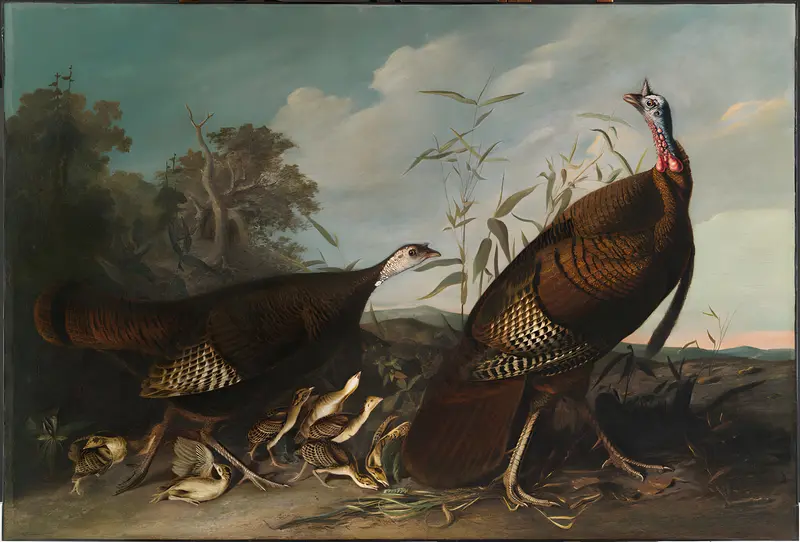
Wild Turkey Cock, Hen, and Chicks
John James Audubon
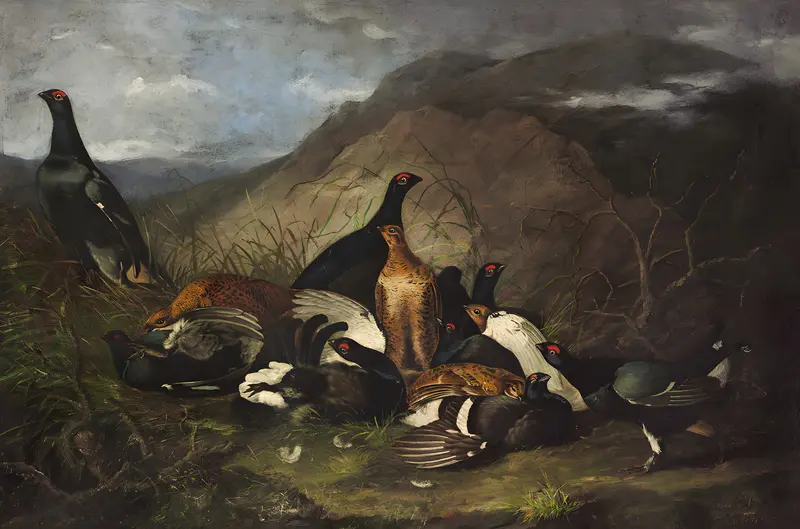
Scottish Black Grouse, Cocks and Hens
John James Audubon
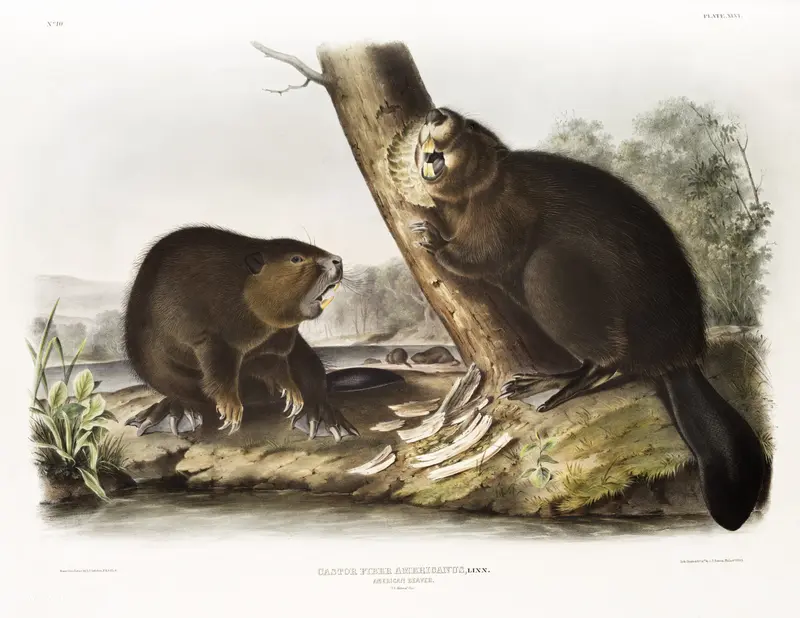
American Beaver
John James Audubon
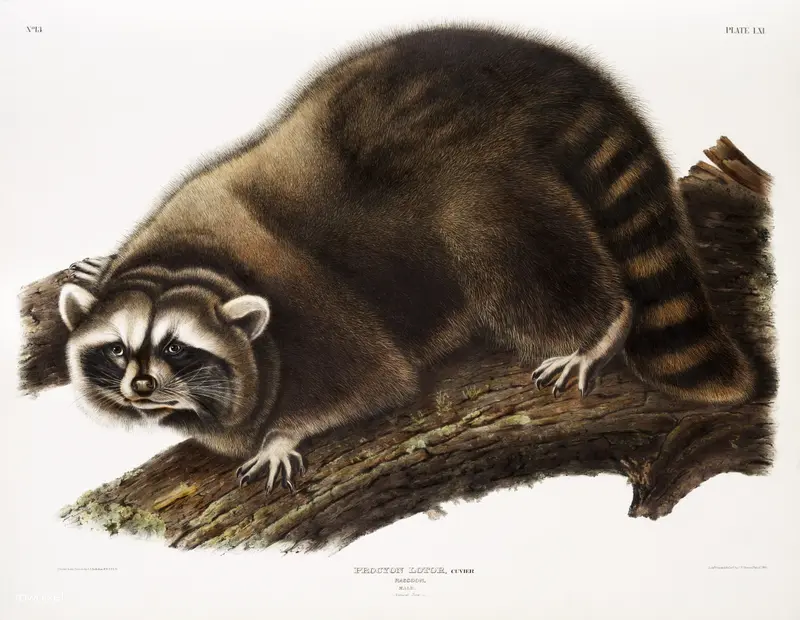
Raccoon
John James Audubon

Magnificent Frigatebird
John James Audubon
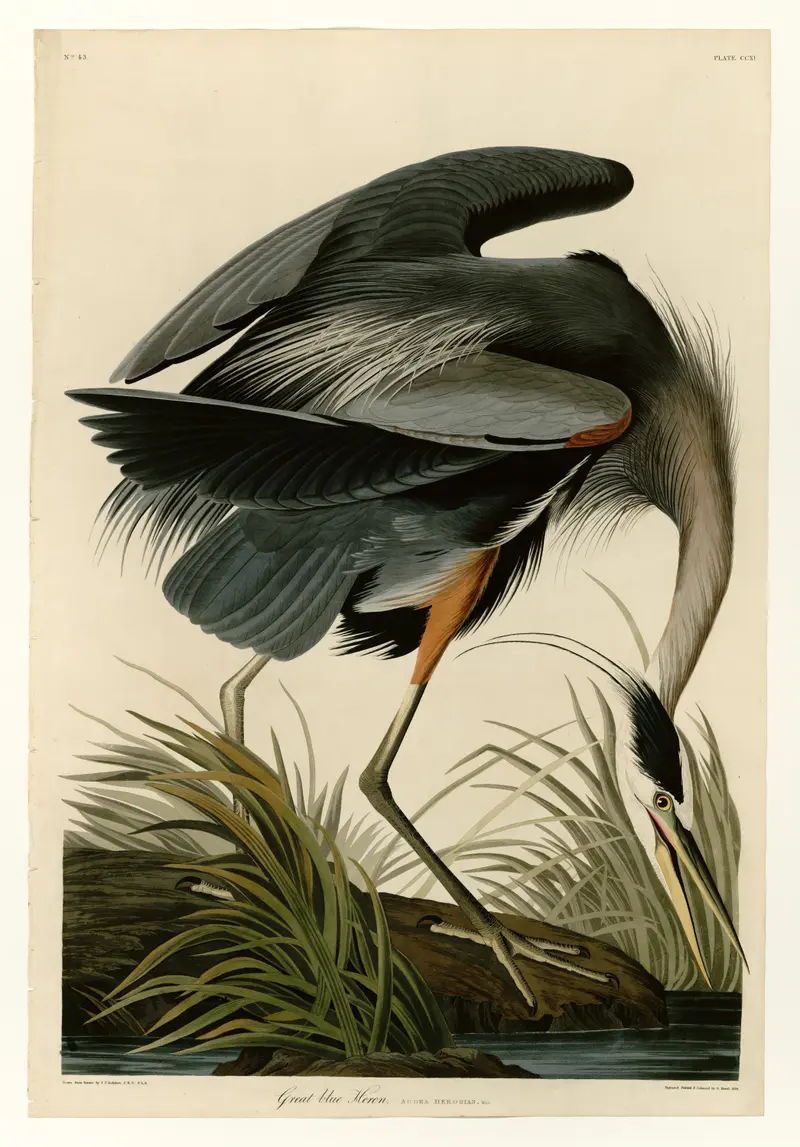
Great Blue Heron
John James Audubon
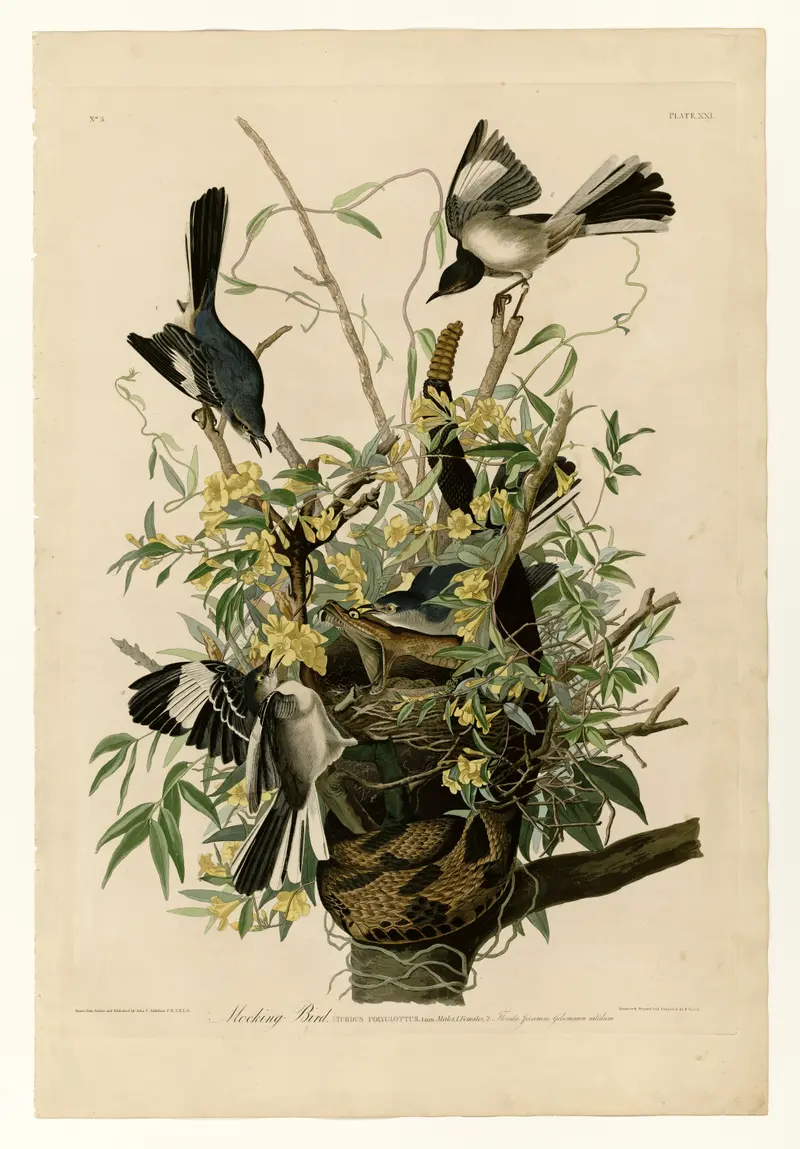
Northern Mockingbird
John James Audubon
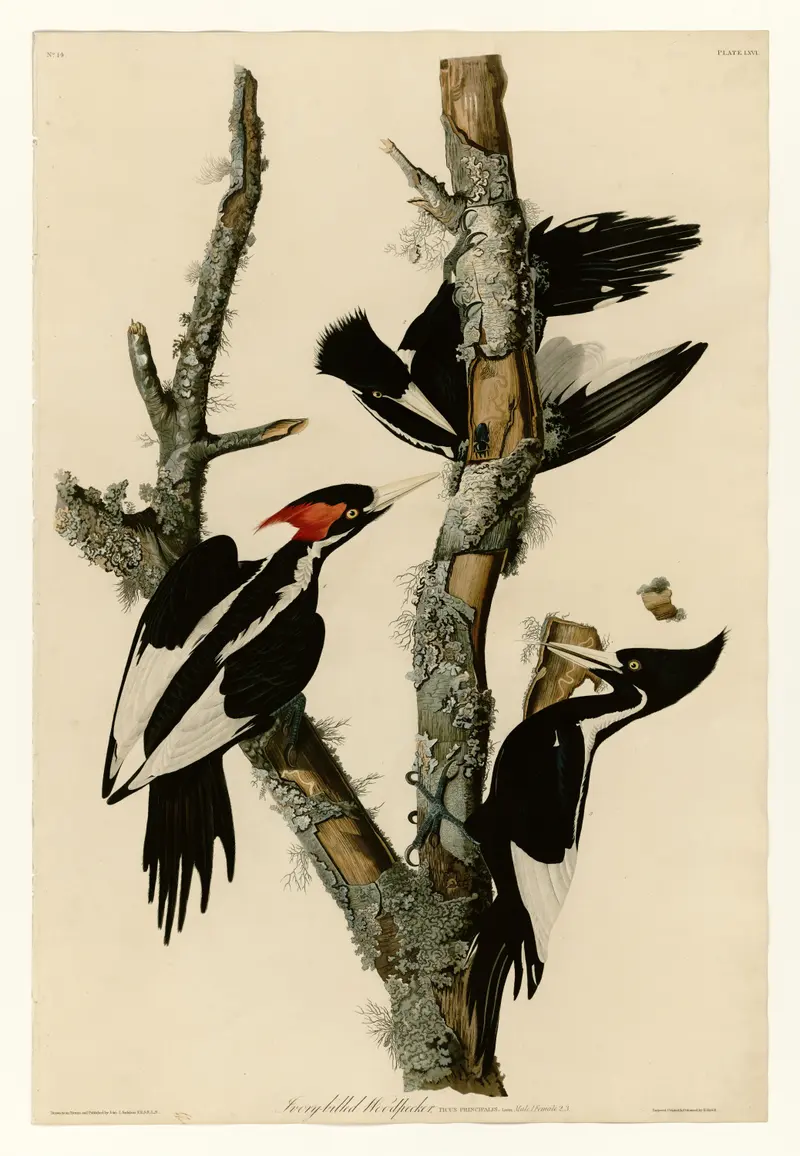
Ivory-billed Woodpecker
John James Audubon
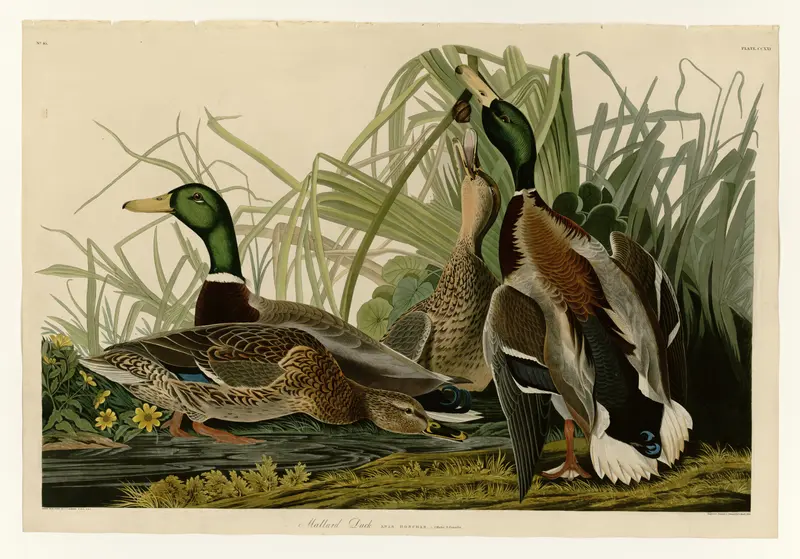
Mallard
John James Audubon
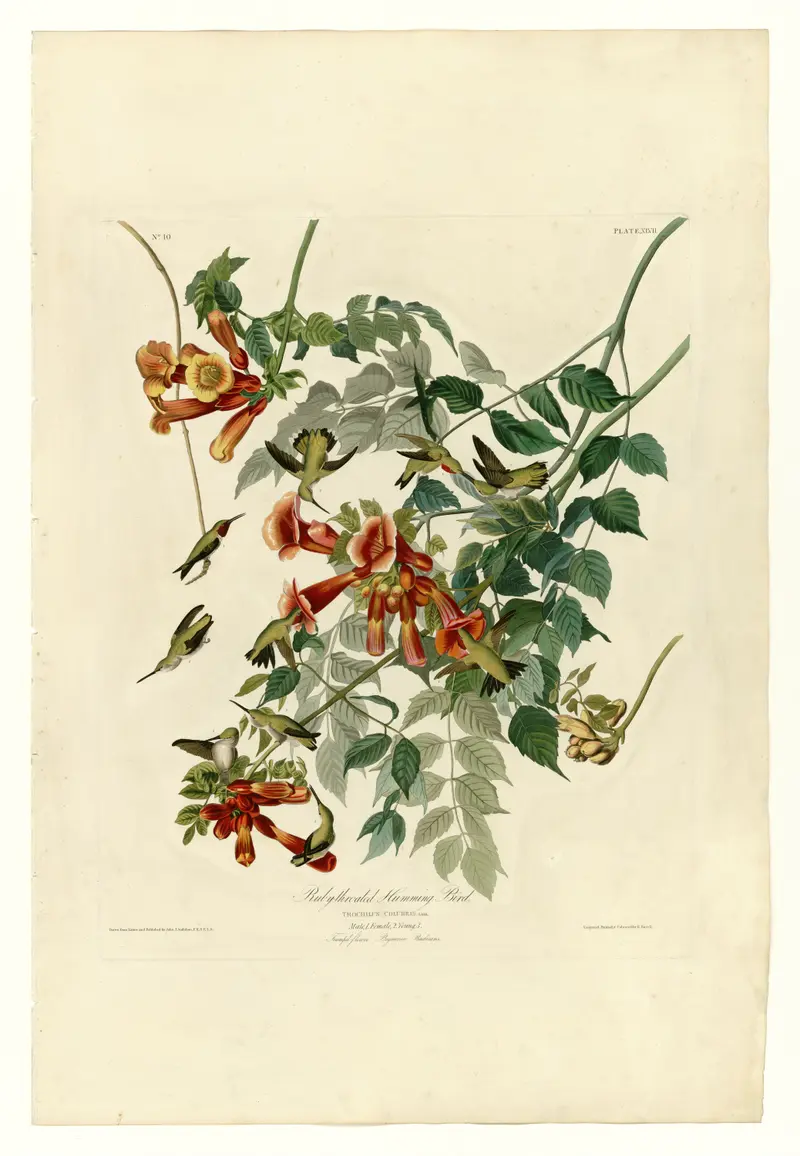
Ruby-throated Hummingbird
John James Audubon





