
Woodland Landscape — History & Facts
In this tranquil woodland, the whispers of nature carry weighty secrets, reminding us of the fragility of existence and the quiet moments that shape our lives. Look to the left at the lush greenery, where dappled light filters through the canopy, illuminating the delicate brushwork that breathes life into each leaf. The path meanders gently, inviting your gaze to trace its winding journey deeper into the thicket. Daubigny’s masterful use of color—a blend of earthy greens and muted browns—creates an intimate atmosphere, while the soft interplay of light and shadow enhances the scene’s serene yet poignant essence. Beneath the surface of this idyllic landscape lies an exploration of mortality.
The path, though inviting, suggests a journey with no clear destination, echoing life’s transient nature. The trees stand steadfast, yet their gnarled trunks and scattered branches hint at the passage of time and the inevitability of decay. Each element is meticulously rendered, reflecting a harmonious balance between beauty and the impermanence that envelops all living things. In 1850, Daubigny painted this piece during a period of burgeoning appreciation for plein air painting, where artists sought to capture the ephemeral qualities of nature.
Working primarily in France, he embraced the influence of the Barbizon School, emphasizing realism and emotional depth in his landscapes. This painting reflects his desire to engage viewers with nature’s serene beauty while subtly acknowledging the underlying truths of life's fleeting moments.
More Artworks by Charles François Daubigny
Browse all →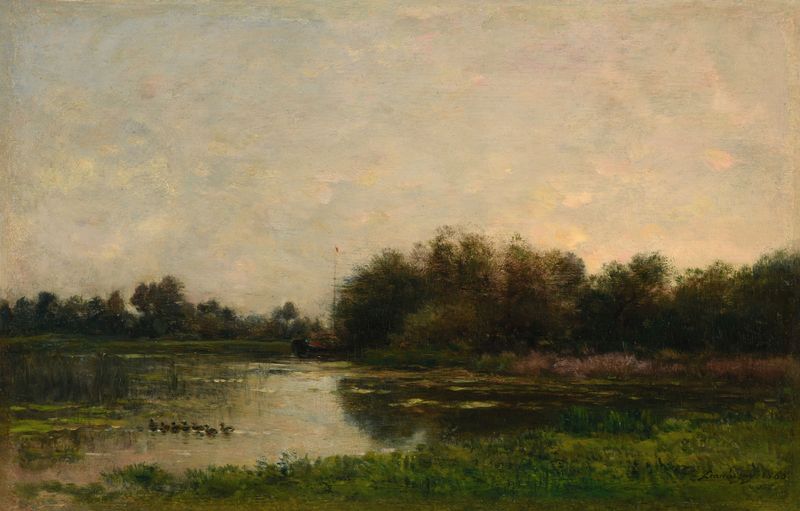
Bords de l’Oise
Charles François Daubigny
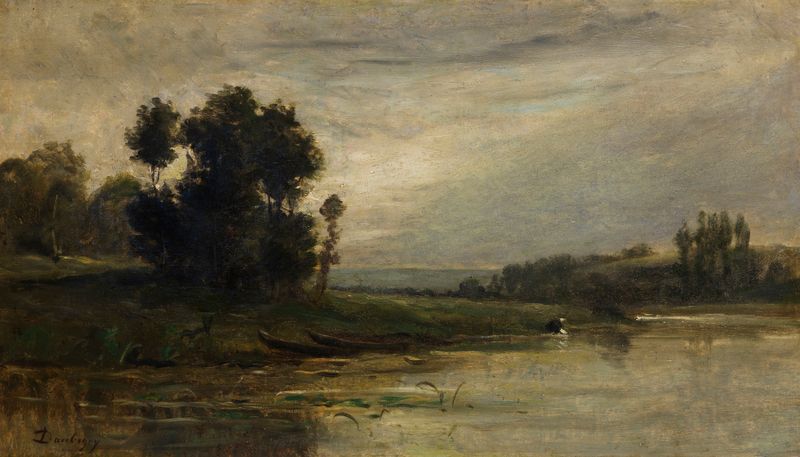
Bords de l’Oise
Charles François Daubigny
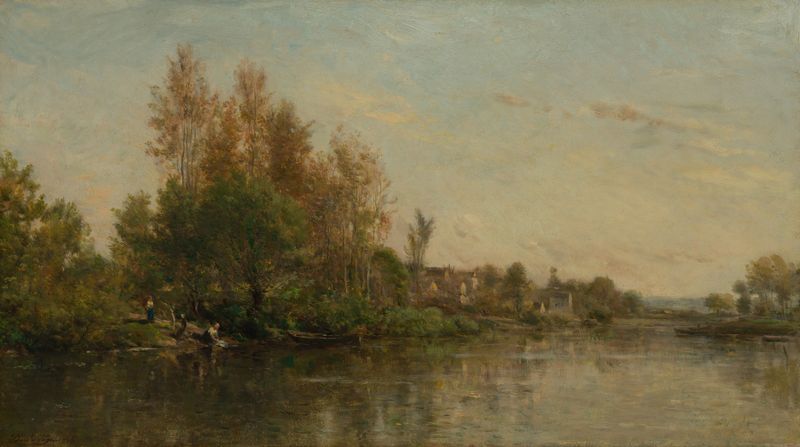
The Banks of the Oise
Charles François Daubigny
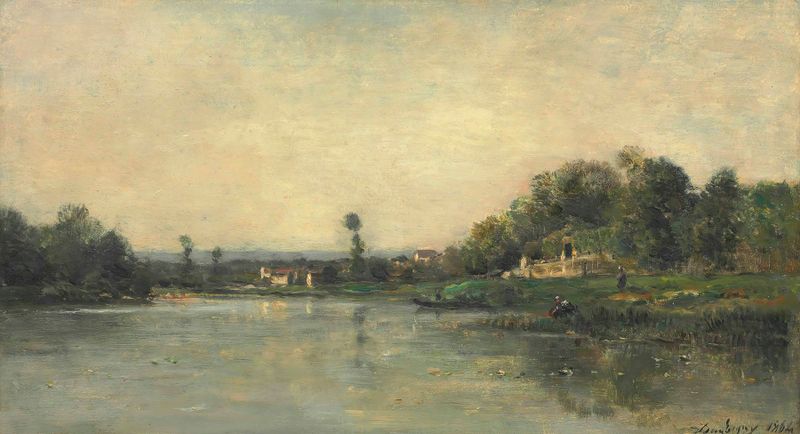
Les Bords De L’oise
Charles François Daubigny
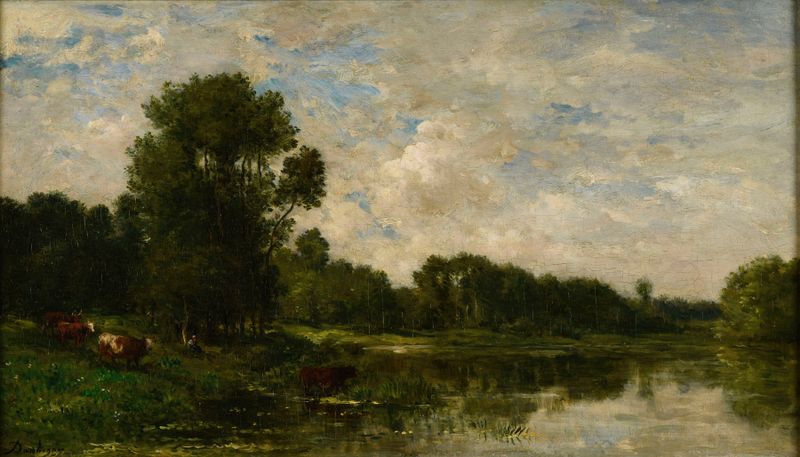
Bords de l’Oise
Charles François Daubigny
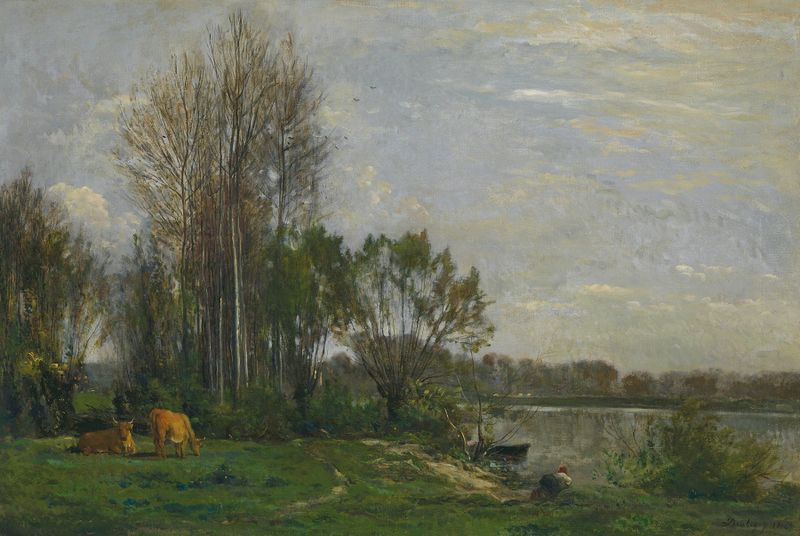
Les Bord De L’oise
Charles François Daubigny
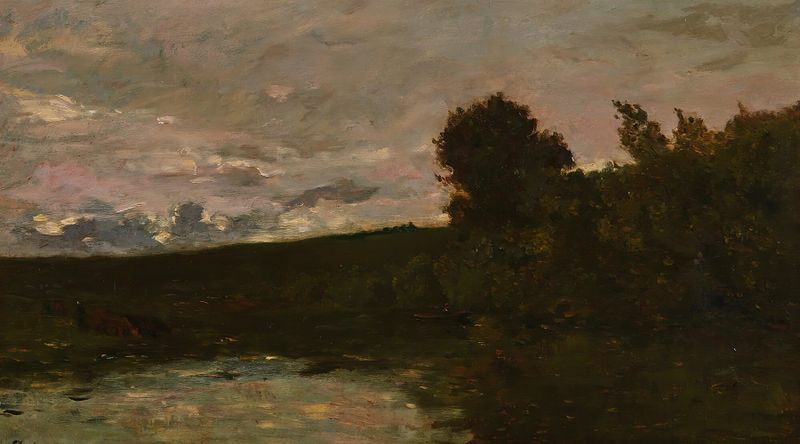
Bord De Riviére
Charles François Daubigny
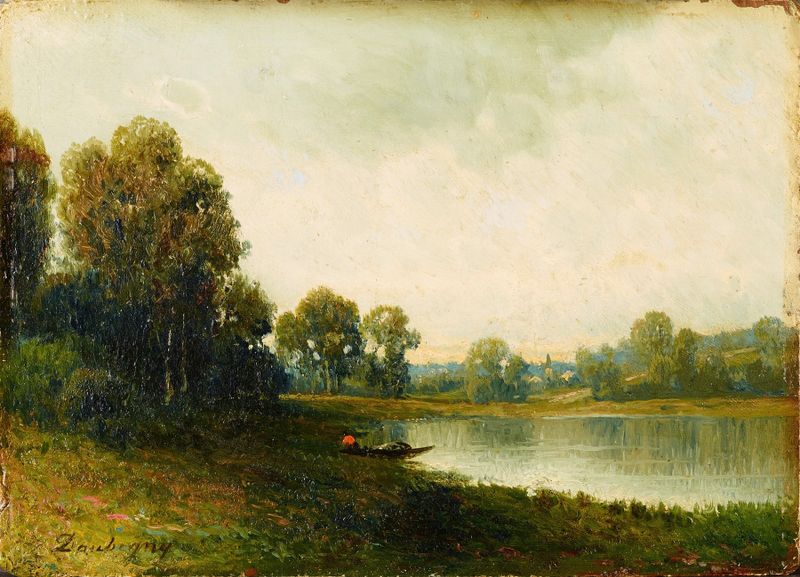
Landscape
Charles François Daubigny
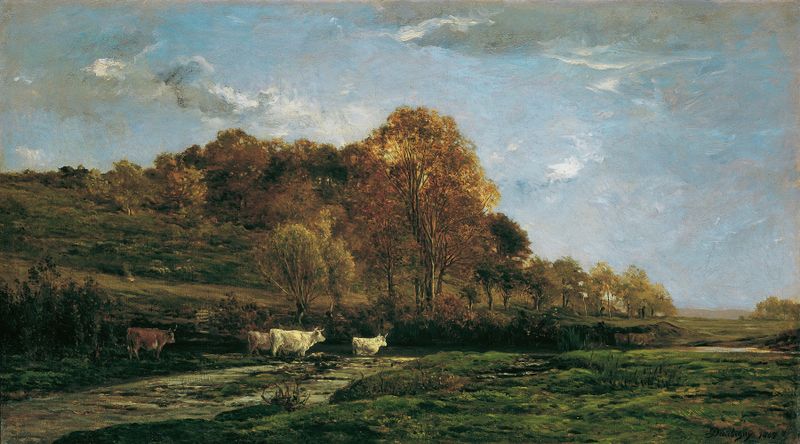
Herbstliche Aulandschaft Abendstimmung
Charles François Daubigny
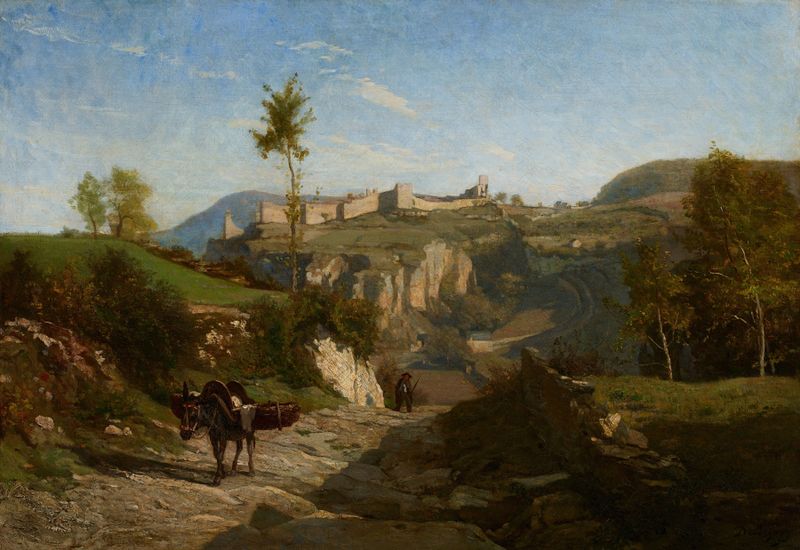
Landscape near Crémieu
Charles François Daubigny





