
Yellow Butterfly — History & Facts
A single butterfly commands the empty field, its wings unfurling in a riot of yellow, green, and crimson. The eye lands first on the saturated reds at the top, which seem to pulse outward, before being drawn down through the smoky yellows and into the deep, almost mineral greens at the base of each wing. The paint, laid down in fluid, almost marbled veils, creates a sense of movement and fragility—each color bleeding into the next, as if the butterfly might flutter off the page.
The artist’s sweeping signature, boldly inscribed to the left, transforms the composition into both image and declaration, as if to say: here is a moment caught, vivid and fleeting. Created around 1890, this work belongs to a period when artists and naturalists alike were captivated by the beauty and variety of the natural world. Albert Bierstadt is best known for his grand landscapes, but here he turns to a subject at once intimate and universal, echoing a late 19th-century fascination with cataloguing and celebrating nature’s wonders. The piece now resides in the Yale University Art Gallery, a reminder that even in an age of monumental canvases, the smallest subjects could command attention and wonder.
One is left to ponder the delicate balance between artifice and observation, and to marvel at how a simple butterfly can carry the weight of an entire era’s curiosity.
More Artworks by Albert Bierstadt

A Storm in the Rocky Mountains, Mt. Rosalie
Albert Bierstadt
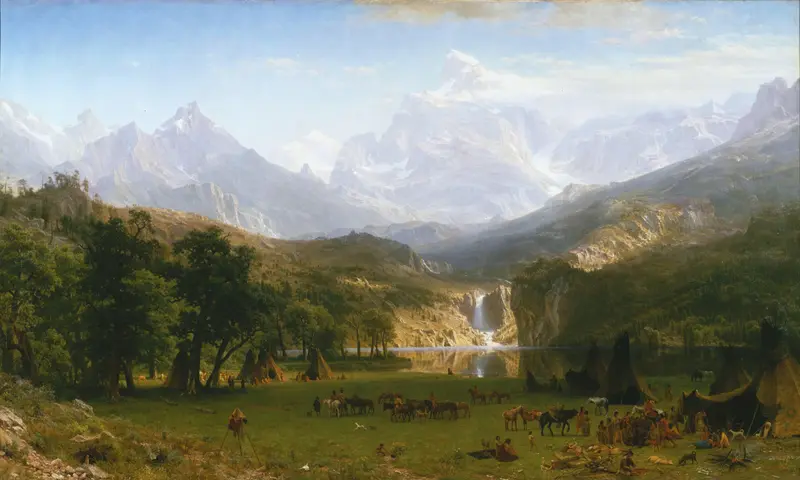
The Rocky Mountains, Lander's Peak
Albert Bierstadt
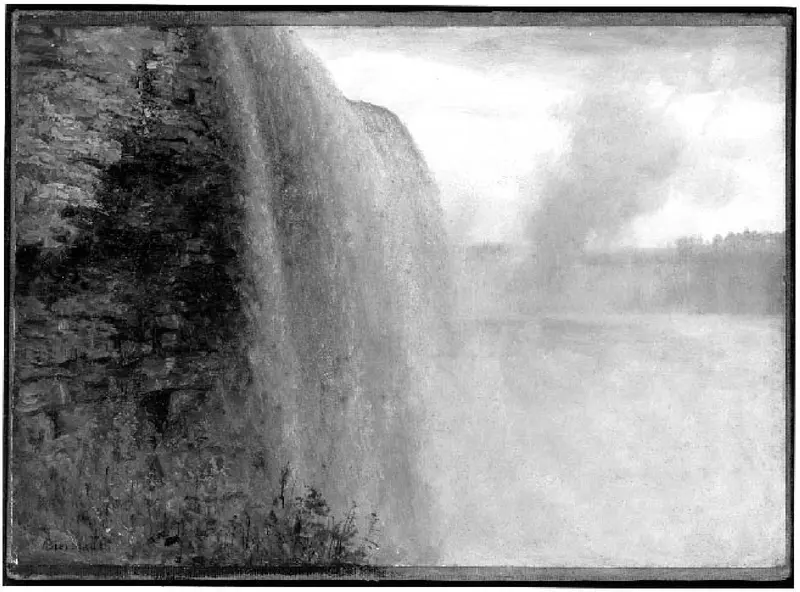
Niagara from the American Side
Albert Bierstadt
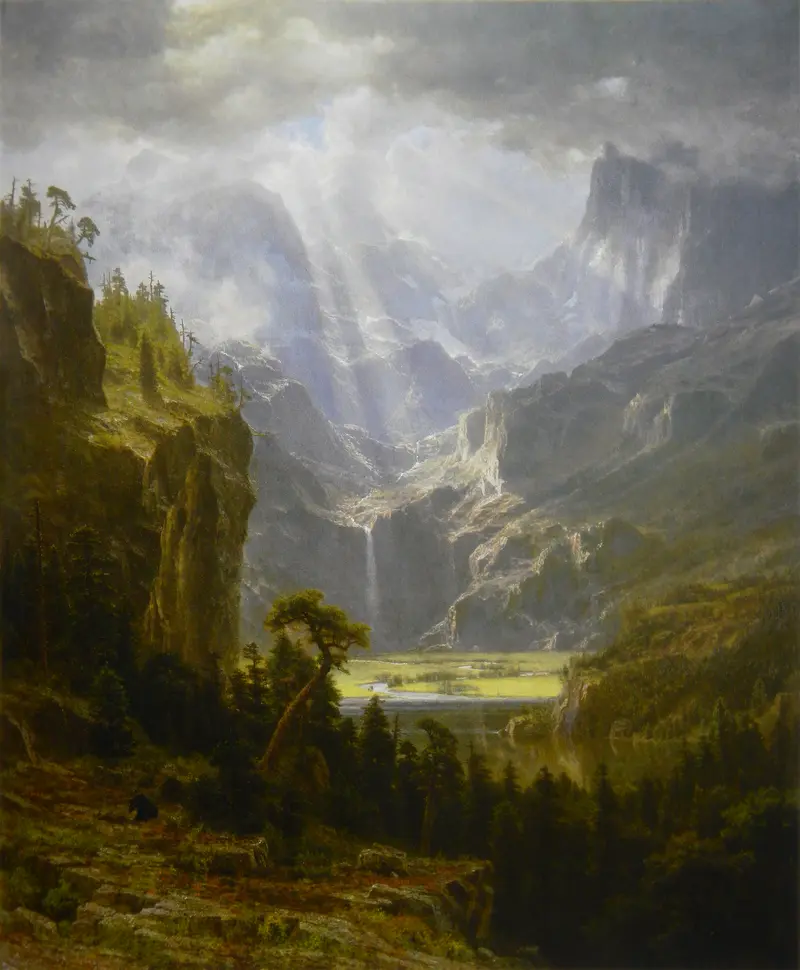
Rocky Mountains, Lander’s Peak
Albert Bierstadt

Valley of the Yosemite
Albert Bierstadt
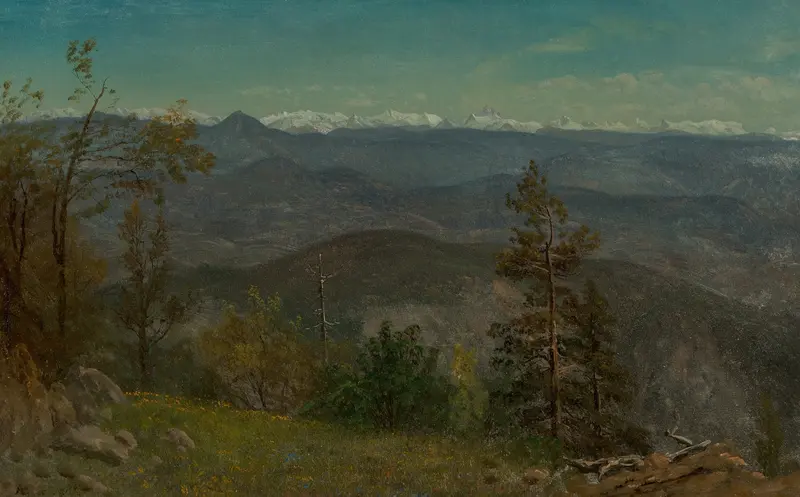
Yosemite Valley, California
Albert Bierstadt
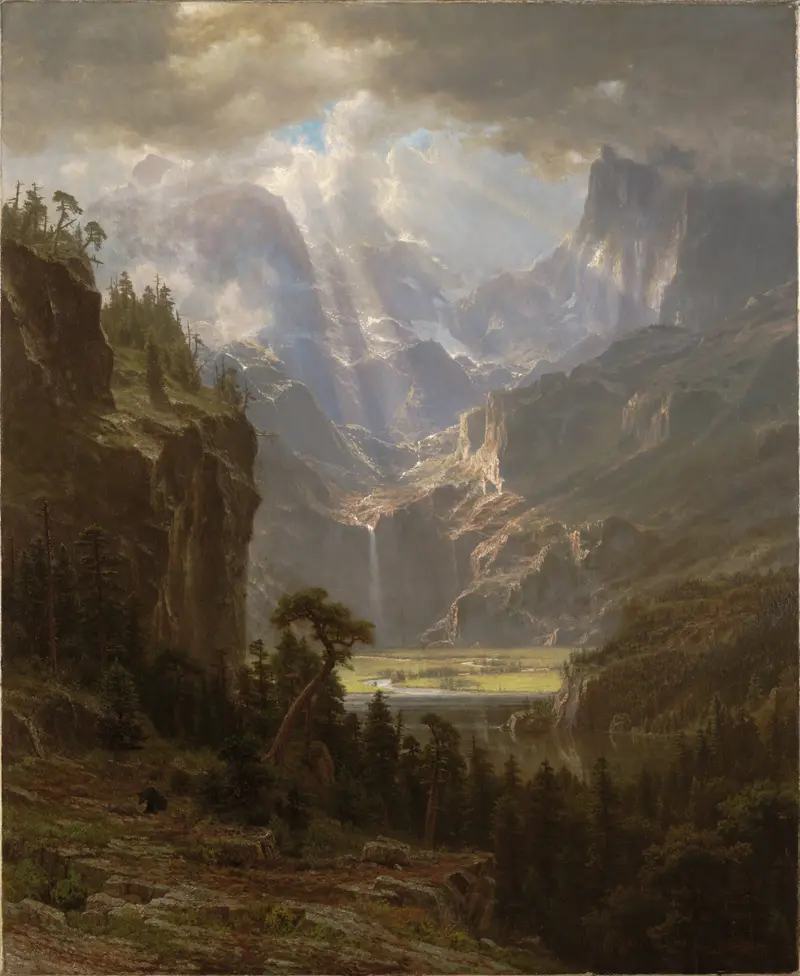
Rocky Mountains, "Lander's Peak"
Albert Bierstadt

Laramie Peak
Albert Bierstadt
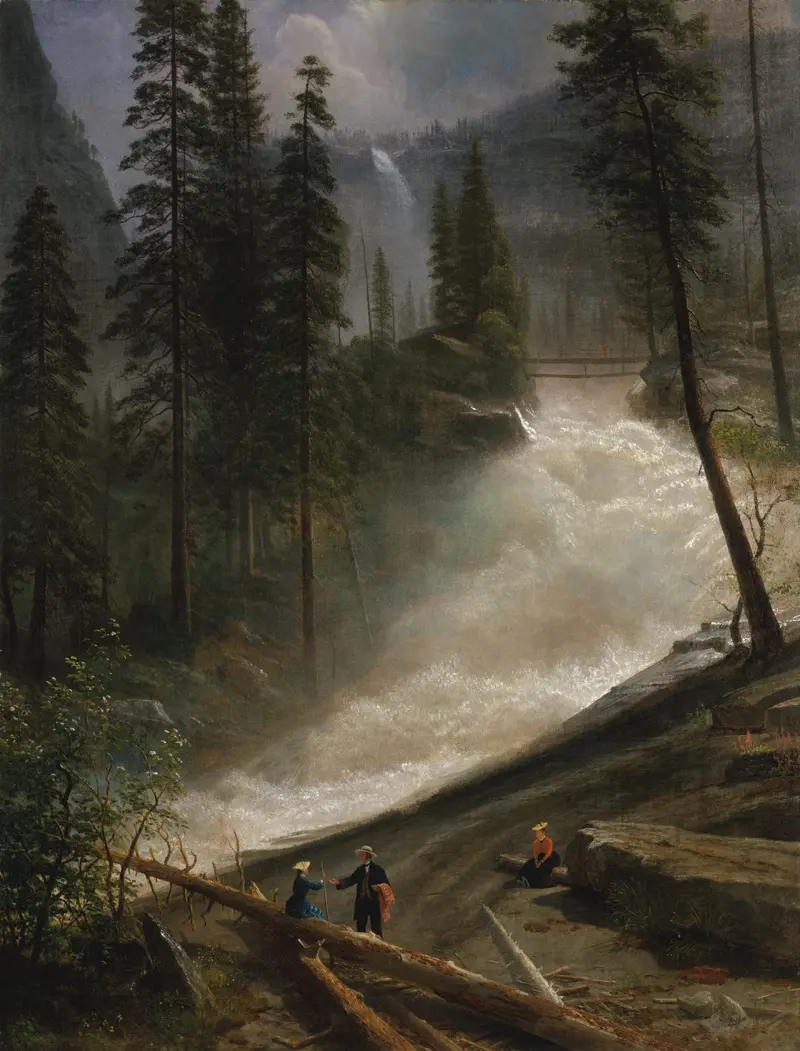
Nevada Falls, Yosemite
Albert Bierstadt
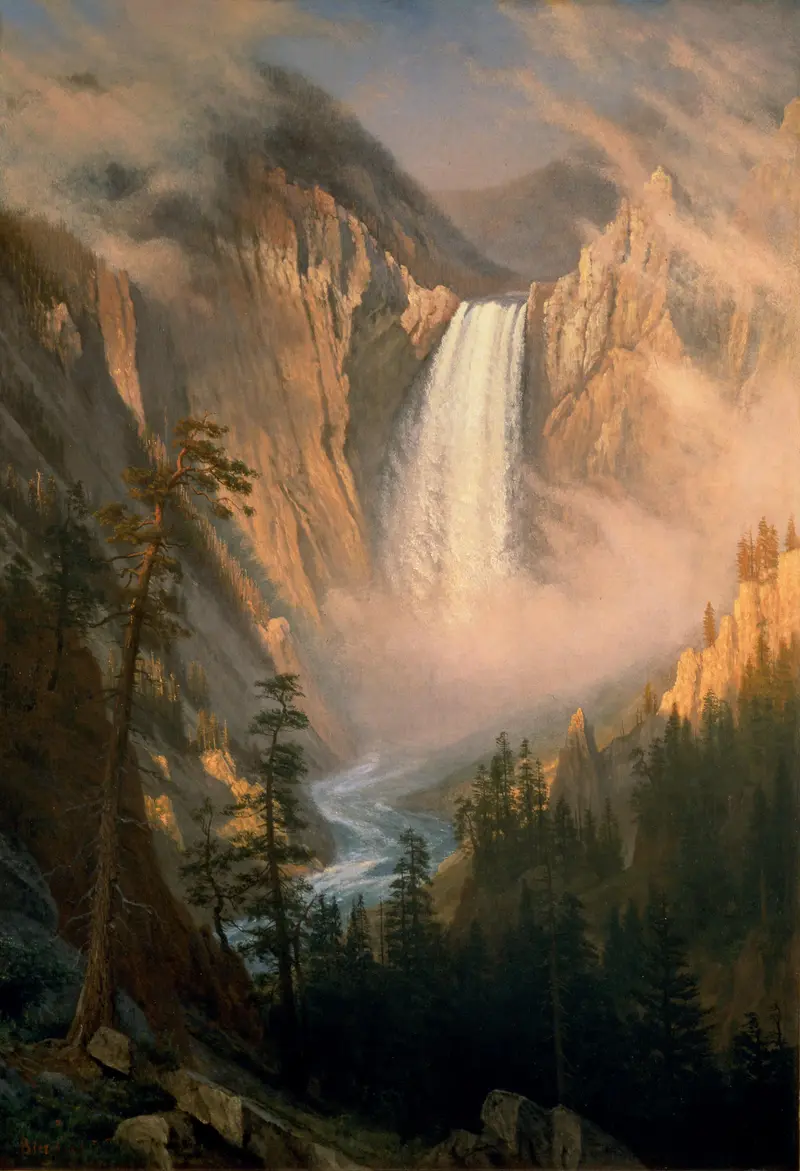
Yellowstone Falls
Albert Bierstadt





