
Young Girl in a Ball Gown — History & Facts
A hush of anticipation seems to hang in the air around the young woman in Young Girl in a Ball Gown, her gaze cast just beyond the viewer as if waiting for the next moment to unfold. The brushwork is quick, almost breathless, lending a sense of immediacy to the scene. The white of her gown, flecked with hints of green and gold, catches the light and draws the eye to her poised shoulders and gloved hands.
Around her, the background dissolves into a whirl of foliage and blossoms, their forms barely contained by the energetic strokes that suggest both a garden and the fleeting nature of youth. The softness of her features, the delicate flush of her cheeks, and the glint of her pearl earring all speak to a world of private expectation and public display. Painted in 1879, this work emerges from the world of late nineteenth-century France, where artists like Berthe Morisot were redefining what portraiture could be. The Impressionist movement, with its focus on capturing the sensation of a moment, found fertile ground in scenes of modern life—especially the rituals of the bourgeoisie.
Portraits of young women in formal dress were often commissioned to mark rites of passage or to celebrate social status, but Morisot’s approach is more intimate, her brush dissolving boundaries between sitter and setting. While history has kept few traces of this particular sitter or the painting’s early journey, its presence in a digital collection today invites us to linger with her, suspended in the luminous uncertainty between youth and adulthood.
More Artworks by Berthe Morisot

The Harbor at Lorient
Berthe Morisot

Landscape
Berthe Morisot

Hanging the Laundry out to Dry
Berthe Morisot

Woman in a Garden
Berthe Morisot

Young Girl with Hat
Berthe Morisot
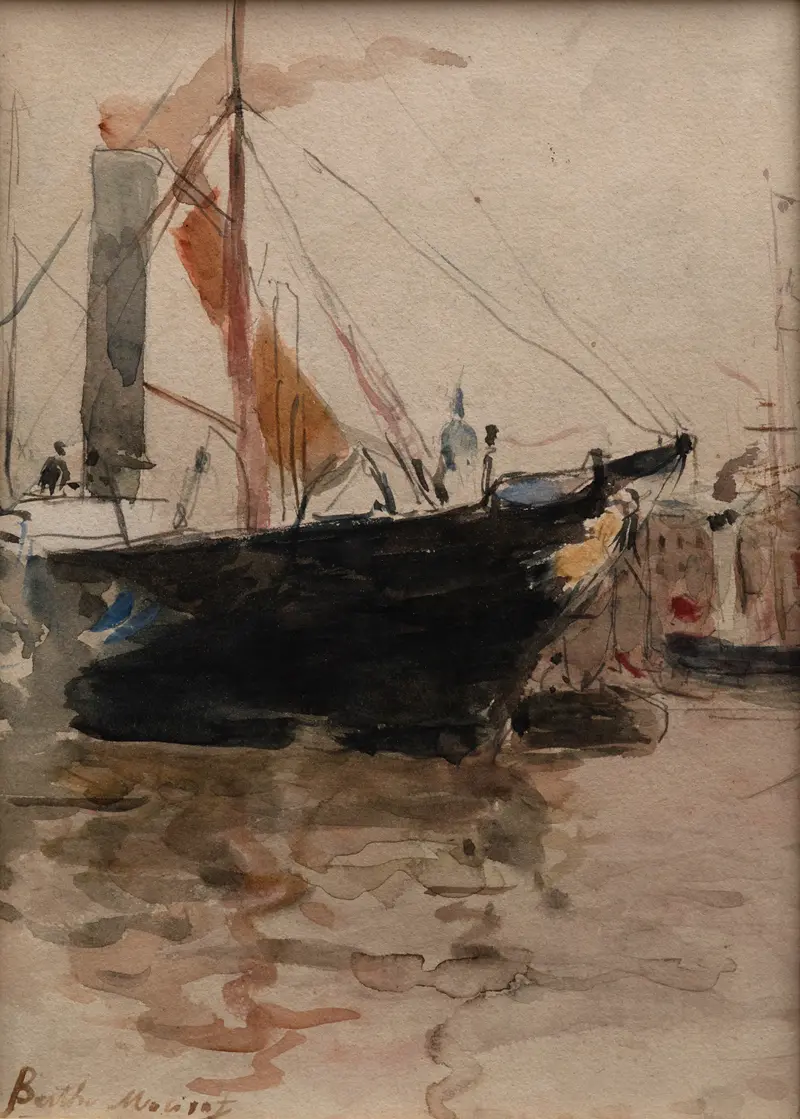
Harbor Scene, Isle of Wight
Berthe Morisot
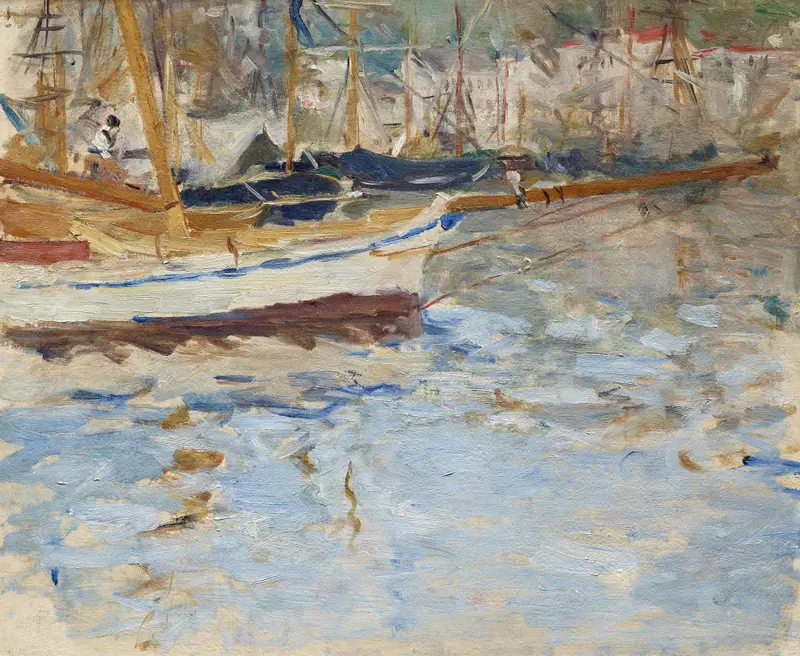
The Port of Nice
Berthe Morisot
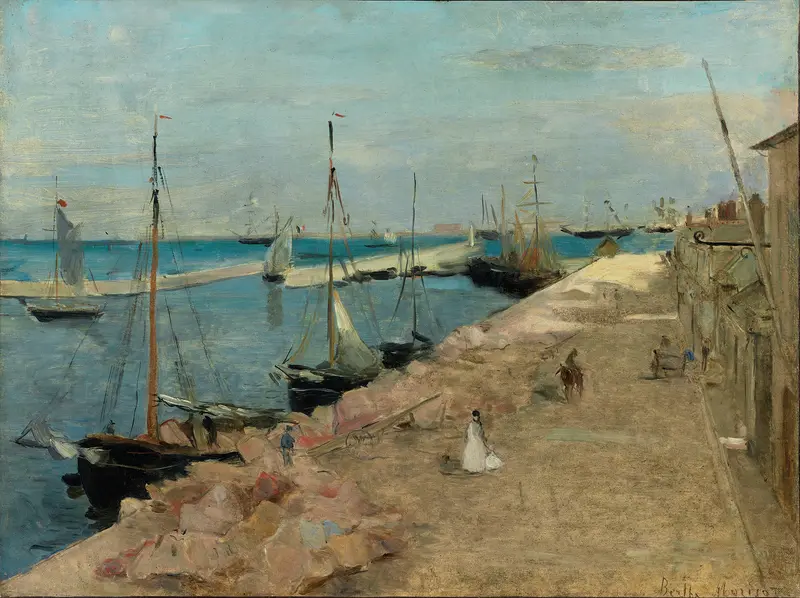
The Harbor at Cherbourg
Berthe Morisot

The Mother and Sister of the Artist
Berthe Morisot
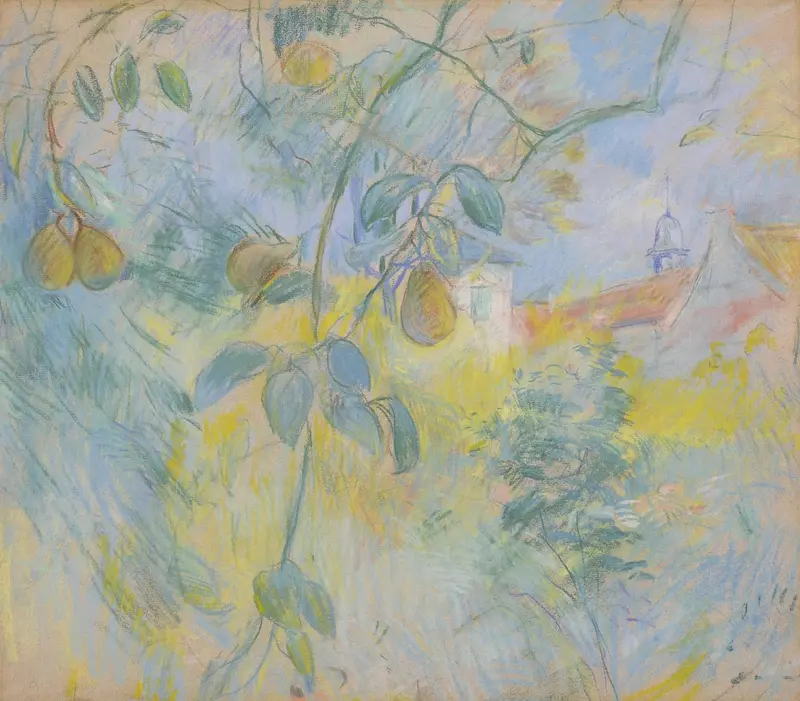
Les Poires
Berthe Morisot





