
Young gypsy mother — History & Facts
When Young gypsy mother first appeared in 1865, it marked a rare moment when Gustave Doré—celebrated across Europe as an illustrator—turned his hand to painting with a focus on the marginalized. Critics of the day were struck by Doré’s shift from his fantastical engravings to the raw realism of street life. The work drew public attention for its unvarnished depiction of poverty, and some contemporary viewers found its subject matter uncomfortably direct.
Doré’s decision to portray a Romani woman and her child at a time when such communities were often ignored or vilified by mainstream society was itself a statement. The painting captures a young mother seated on the ground, her arms wrapped protectively around her infant. The mother’s gaze, wary yet determined, meets the viewer’s, while her worn clothing and the sparse belongings at her side speak to a life of hardship. Light falls gently across the child’s face, highlighting innocence amid adversity.
Unlike the romanticized depictions of Romani life by artists such as Édouard Manet in The Gypsies, Doré’s approach is unsentimental, emphasizing the humanity and resilience of his subjects. The composition’s close focus and muted palette draw us into an intimate space, inviting empathy rather than exotic fascination. The precise history of Young gypsy mother as an object is not fully documented, and the medium remains uncertain—unusual for a work by Gustave Doré, whose fame rests largely on his engravings and illustrations. It is likely that the painting was exhibited in Paris in the mid-1860s, during a period when Doré was seeking to establish himself as a painter.
Today, the work stands as a testament to his brief but significant engagement with social realism, a departure from the grand literary and biblical scenes that defined much of his career. Its current location is not widely known, but it remains a compelling example of Doré’s empathy and technical skill beyond the printed page.
More Artworks by Gustave Doré

The Deluge
Gustave Doré
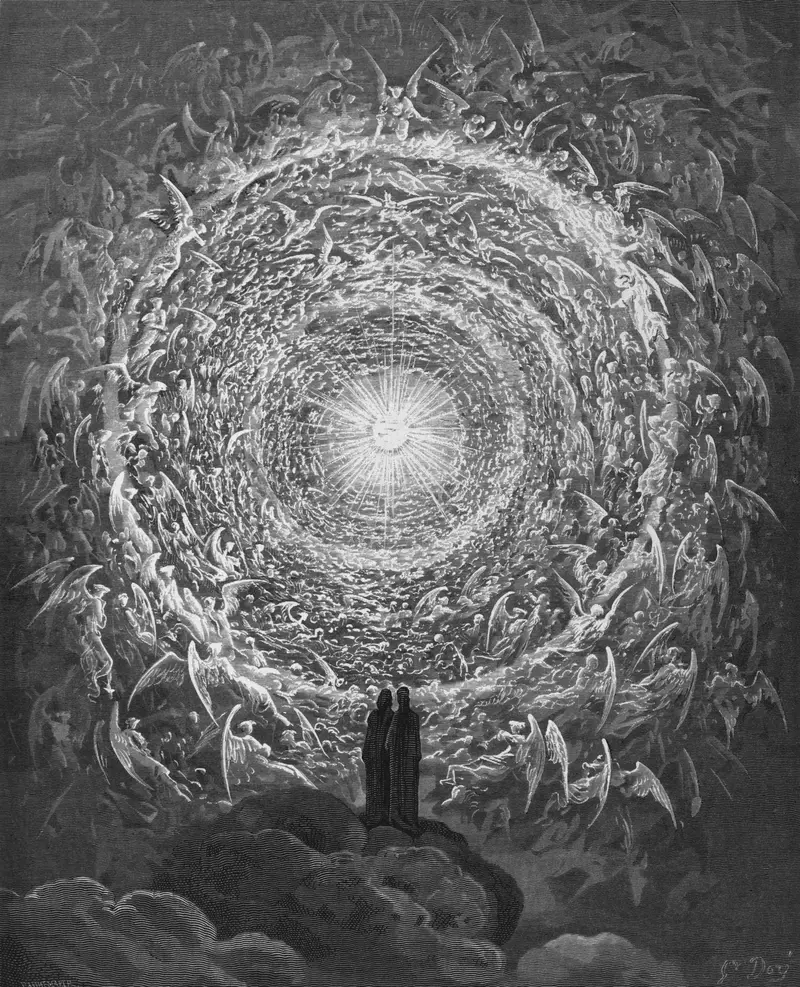
The Empyrean (Paradiso, Canto 31)
Gustave Doré
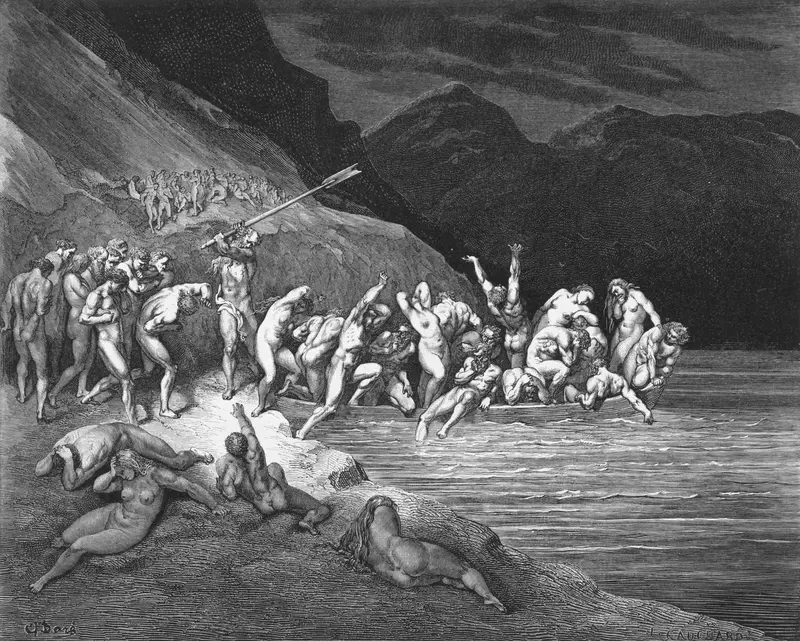
Charon (Inferno, Canto 3)
Gustave Doré
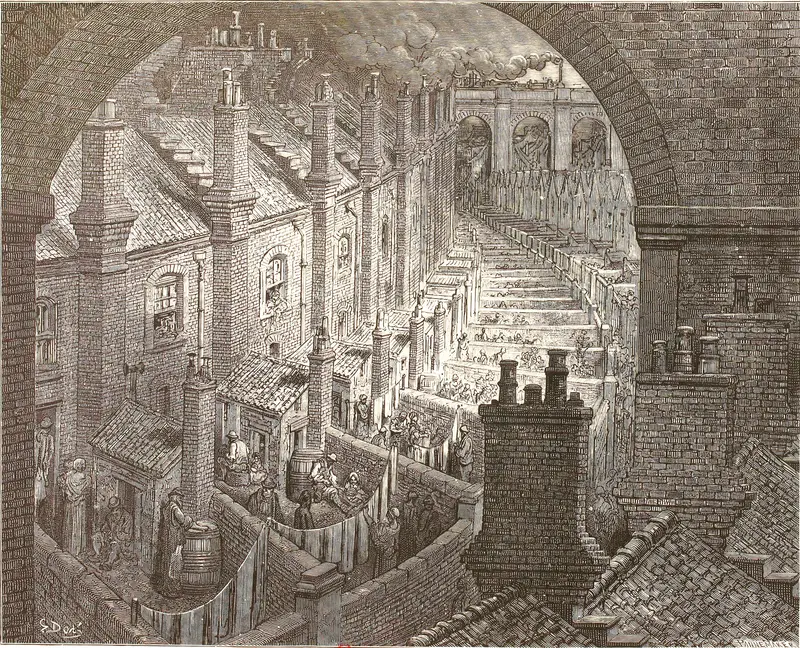
Over London by Rail
Gustave Doré
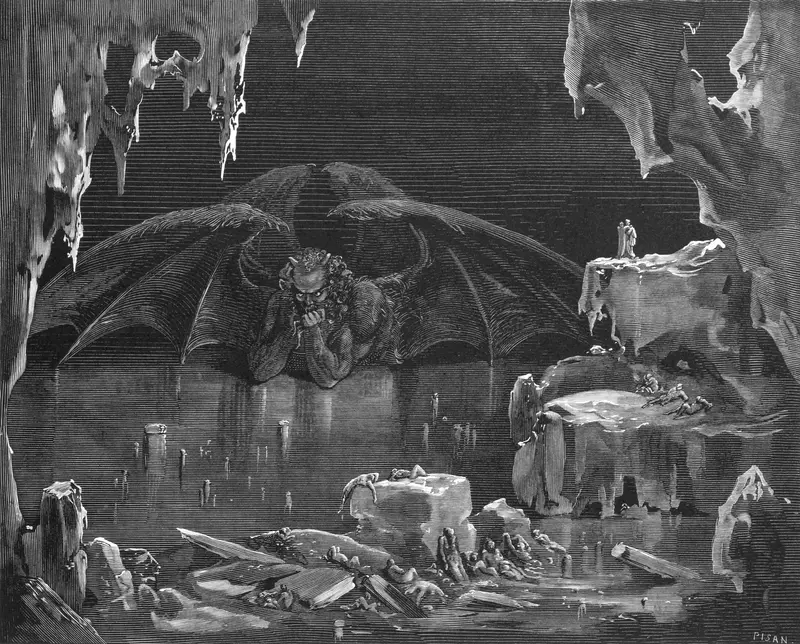
Lucifer, King of Hell
Gustave Doré
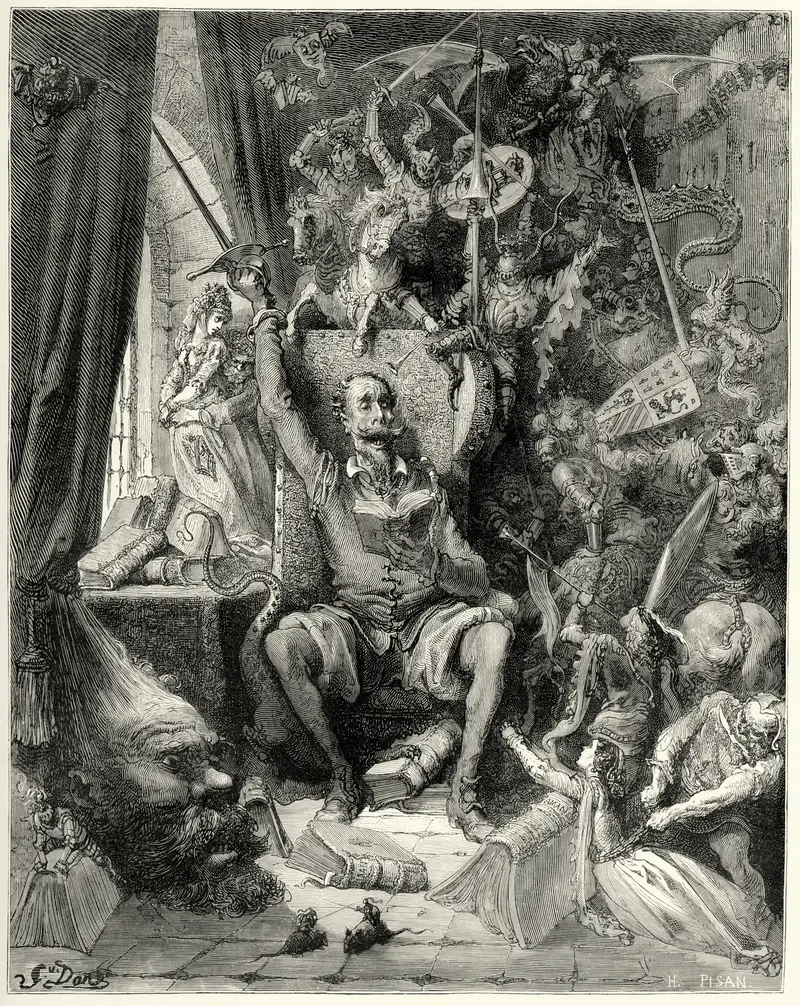
Don Quixote in His Library
Gustave Doré
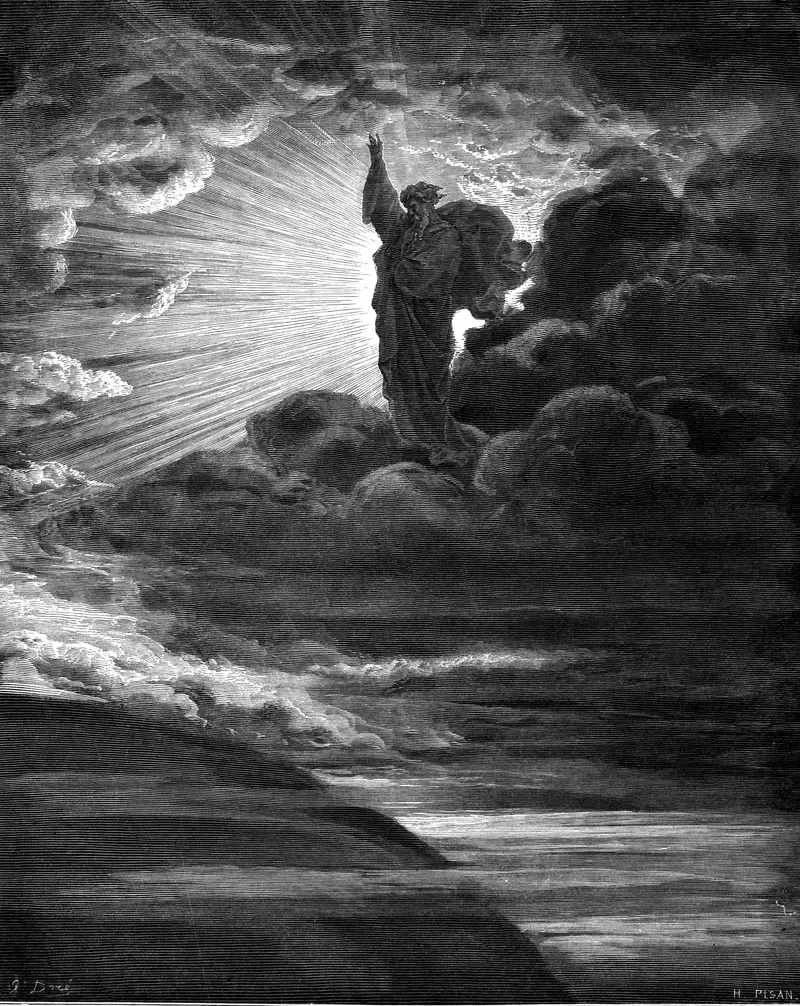
The Creation of Light
Gustave Doré
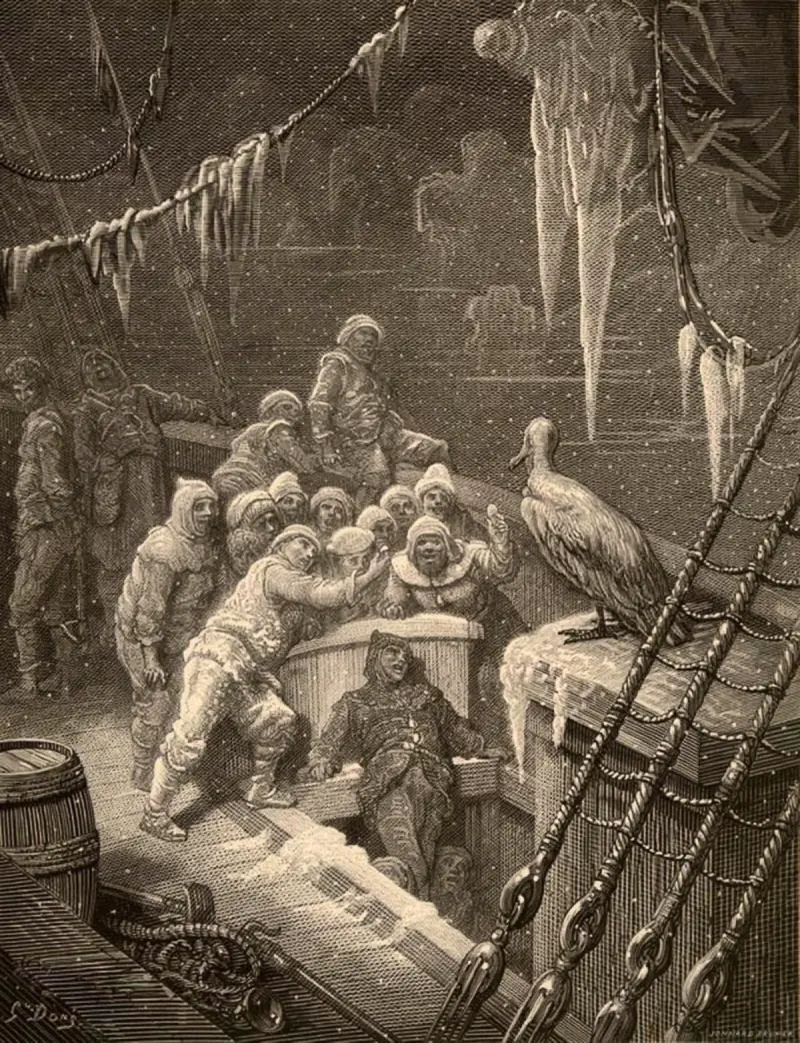
The Albatross (The Rime of the Ancient Mariner)
Gustave Doré
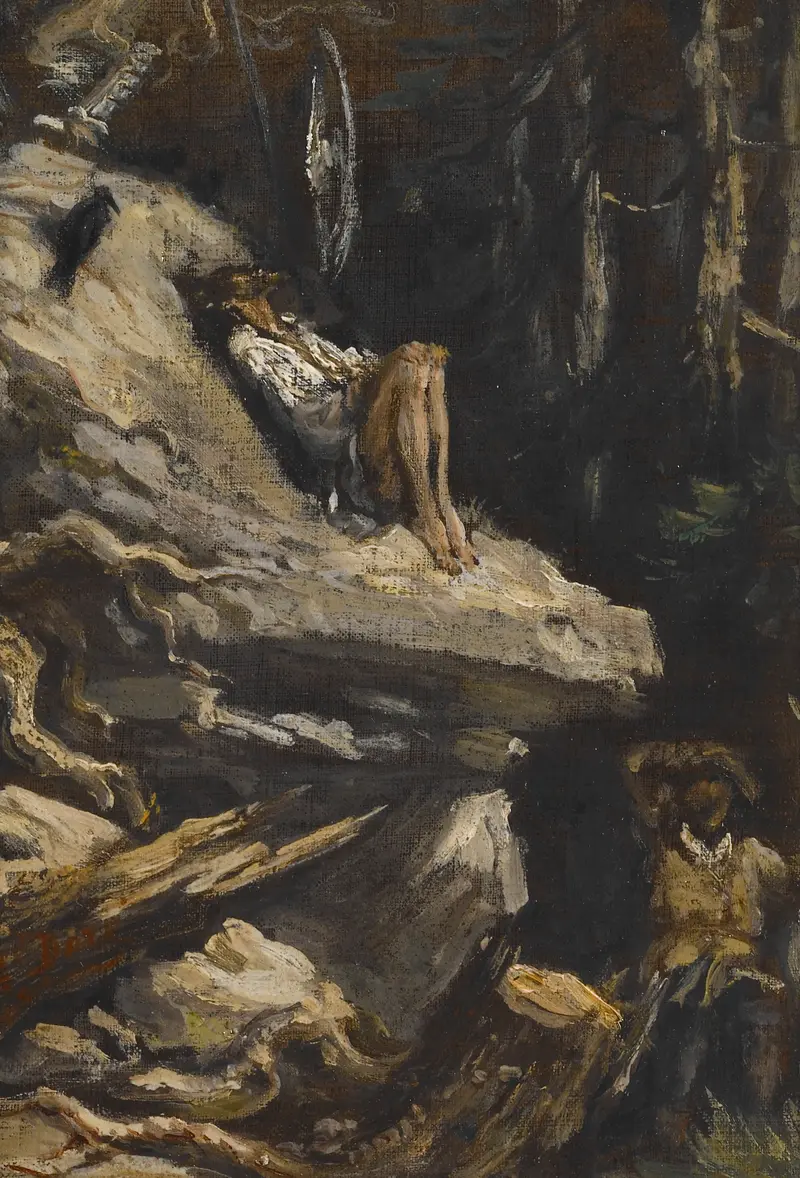
"'Alas!' answered Sancho, 'I found him in his shirt, lean, pale, and almost starved, sighing for his Lady Dulcinea'" from Don Quixote
Gustave Doré
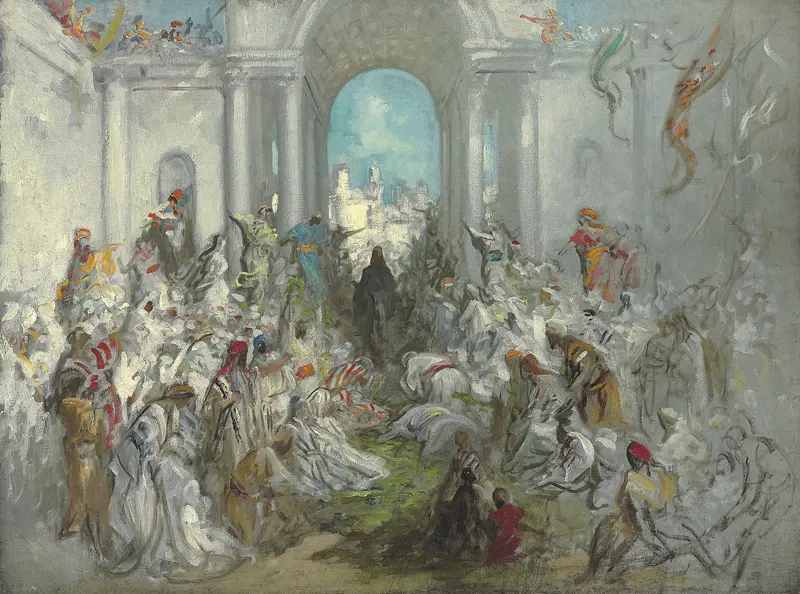
Christ's Entry into Jerusalem
Gustave Doré
More Genre Scene Art

Banquet of the Officers of the St George Civic Guard
Frans Hals

Rembrandt and Saskia in the Scene of the Prodigal Son
Rembrandt van Rijn

Bal du moulin de la Galette
Pierre-Auguste Renoir

Quadrille at the Moulin Rouge
Henri de Toulouse-Lautrec

A Burial at Ornans
Gustave Courbet

When Will You Marry?
Paul Gauguin