
Young Woman — History & Facts
What draws the eye first in Young Woman is the quiet, direct gaze of the sitter—neither challenging nor withdrawn, but alive with the suggestion of thought just interrupted. The softness of her features is echoed in the delicate blue flowers scattered across her sheer blouse, their gentle pattern a counterpoint to the somber, almost smoky background. Light pools on her face and chest, inviting the viewer to linger on the subtle transitions of color and the almost imperceptible play of shadow at her neck and jaw.
Her slightly parted lips and the relaxed hand resting at the bottom of the frame hint at a moment of conversation or reflection, as if she has just turned to listen. Created in 1871, this portrait belongs to a world on the cusp of change, when artists like Berthe Morisot began to challenge the boundaries of academic painting and the roles assigned to women both in art and society. Portraits such as this were often commissioned to capture youth, beauty, or social standing, but Morisot’s approach is more intimate, less formal, and distinctly modern. The brushwork is loose and searching, especially in the treatment of fabric and background, a hallmark of the Impressionist movement that Morisot helped to define.
Now part of the collection at the Museum of Fine Arts, Houston, this painting stands as a testament to the artist’s ability to find the extraordinary in the everyday—inviting us, still, to meet the young woman’s gaze and wonder what she might be thinking.
More Artworks by Berthe Morisot

The Harbor at Lorient
Berthe Morisot
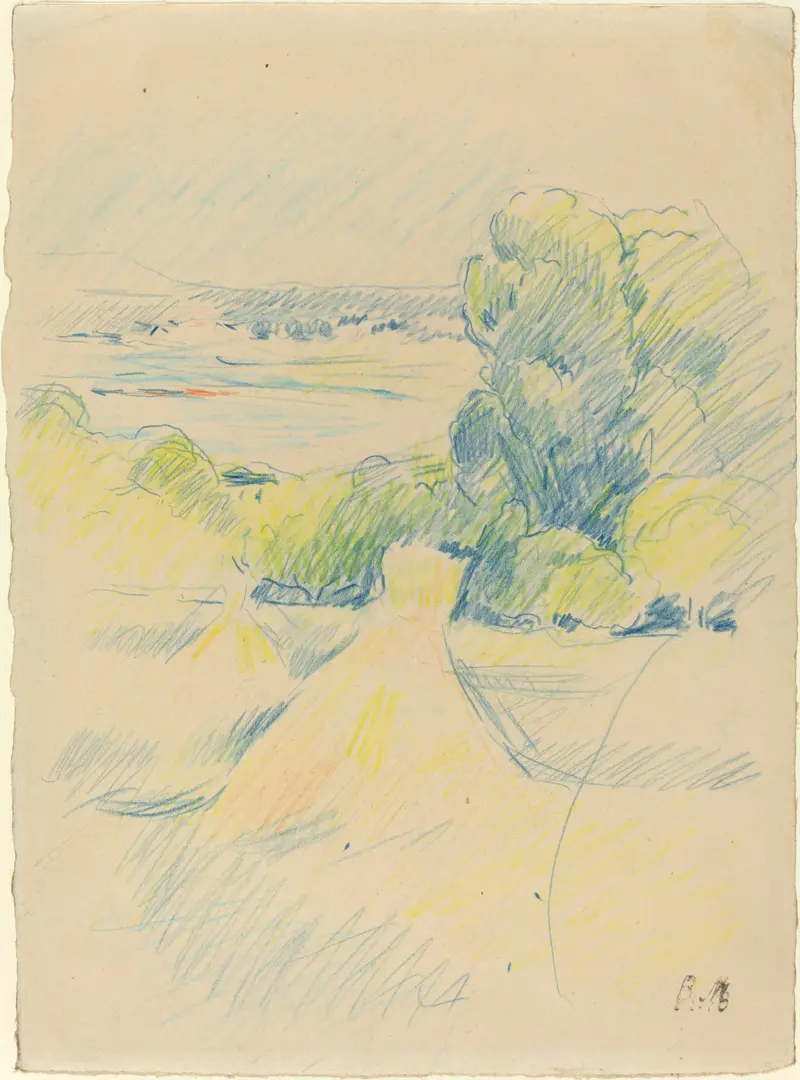
Landscape
Berthe Morisot

Hanging the Laundry out to Dry
Berthe Morisot

Woman in a Garden
Berthe Morisot

Young Girl with Hat
Berthe Morisot
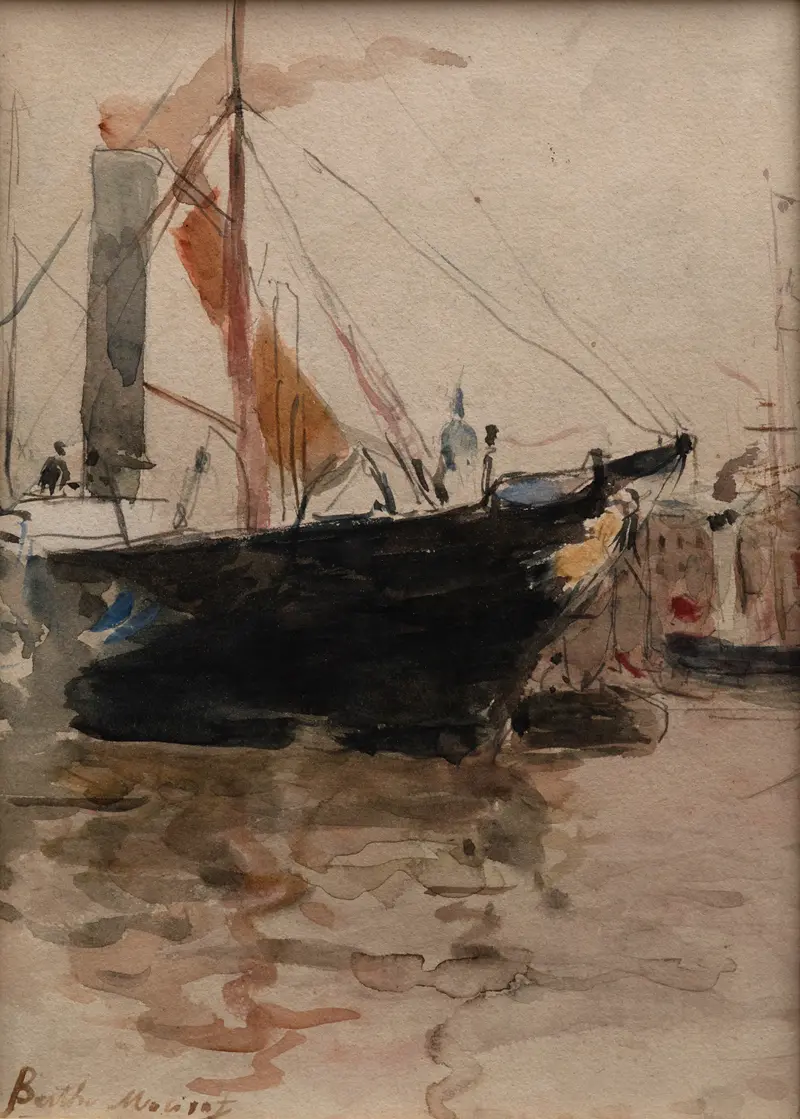
Harbor Scene, Isle of Wight
Berthe Morisot
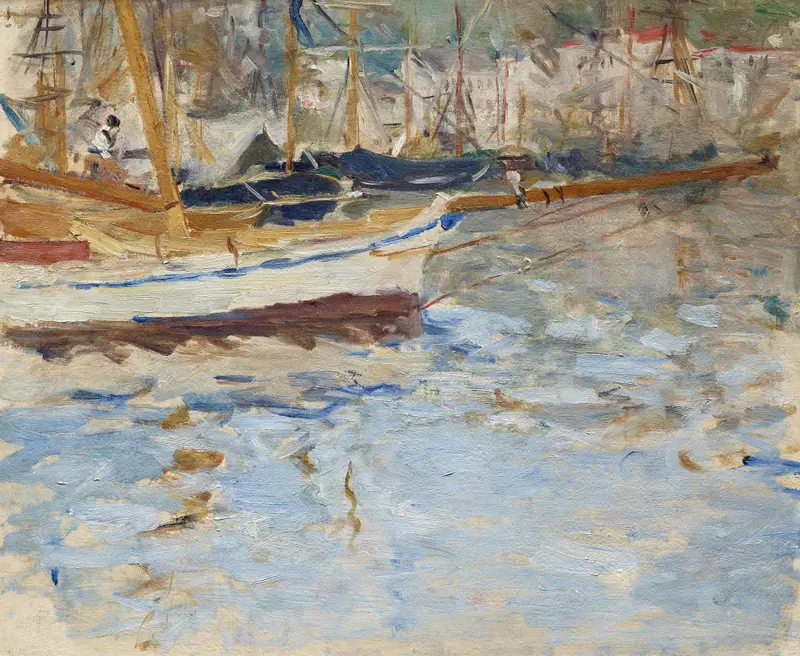
The Port of Nice
Berthe Morisot
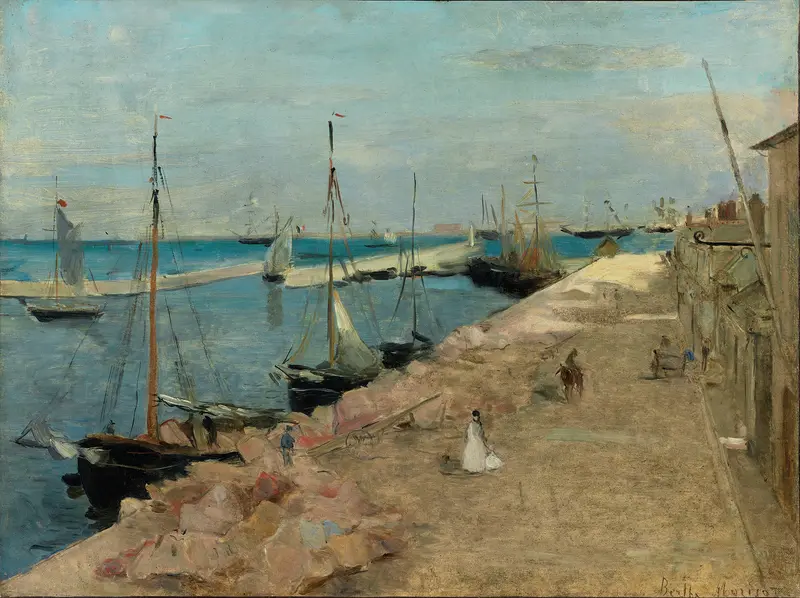
The Harbor at Cherbourg
Berthe Morisot

The Mother and Sister of the Artist
Berthe Morisot
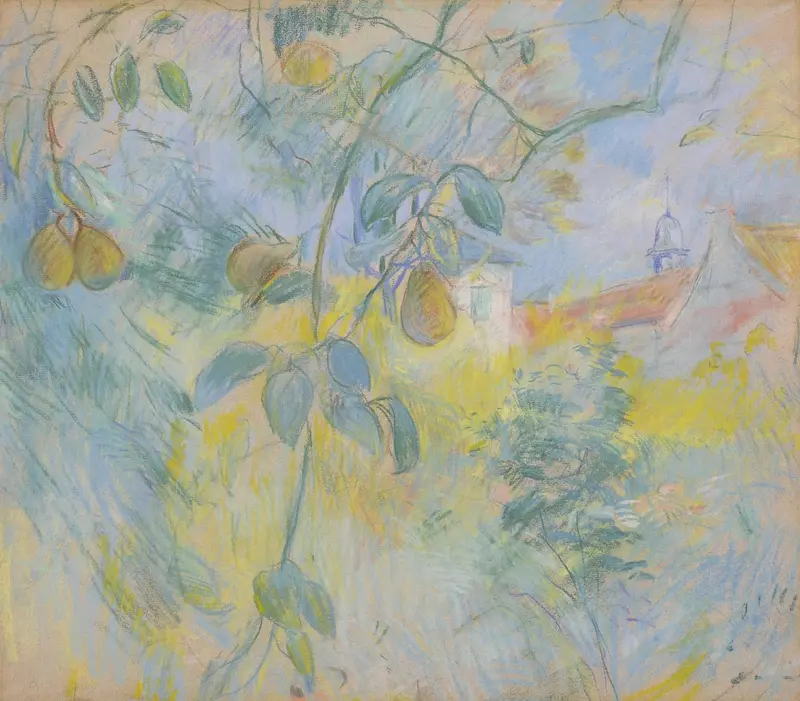
Les Poires
Berthe Morisot





