
Ypres Remember — History & Facts
When did color learn to lie? In a world where hues once conveyed vibrancy and life, Ypres Remember weaves a somber tapestry of loss that haunts the viewer’s senses. Focus on the palette first; a muted symphony of greys and browns envelops the canvas, evoking the devastation left in the wake of war. The foreground beckons with an almost ghostly silhouette of a soldier, his figure shrouded in shadow, standing resilient against the backdrop of a shattered landscape. Notice how the ragged edges of ruins linger in the periphery, each stroke a testament to resilience yet steeped in despair.
The somber light struggles to break through, illuminating not just the desolation, but the profound yearning for remembrance. Hidden within this stark composition lies a poignant dance between memory and mourning. The soldier's posture is one of both pride and sorrow, embodying the paradox of survival amid loss. The distant ruins tell a story of home, irrevocably altered, while the muted tones reflect a collective grief that resonates with anyone who has faced the aftermath of conflict.
Each brushstroke becomes a whisper, carrying the weight of those who once occupied that space—ghosts of the past demanding to be acknowledged. Created in 1919, Ypres Remember emerged from Alfred Ost’s brush at a pivotal moment in history, just after the Great War. Residing in Belgium, he channeled the palpable grief of a nation grappling with its scars while the art world was shifting towards modernism. This piece serves not just as a reflection of personal loss but as a universal call to remember and honor those who have endured the ravages of war.
More Artworks by Alfred Ost
Browse all →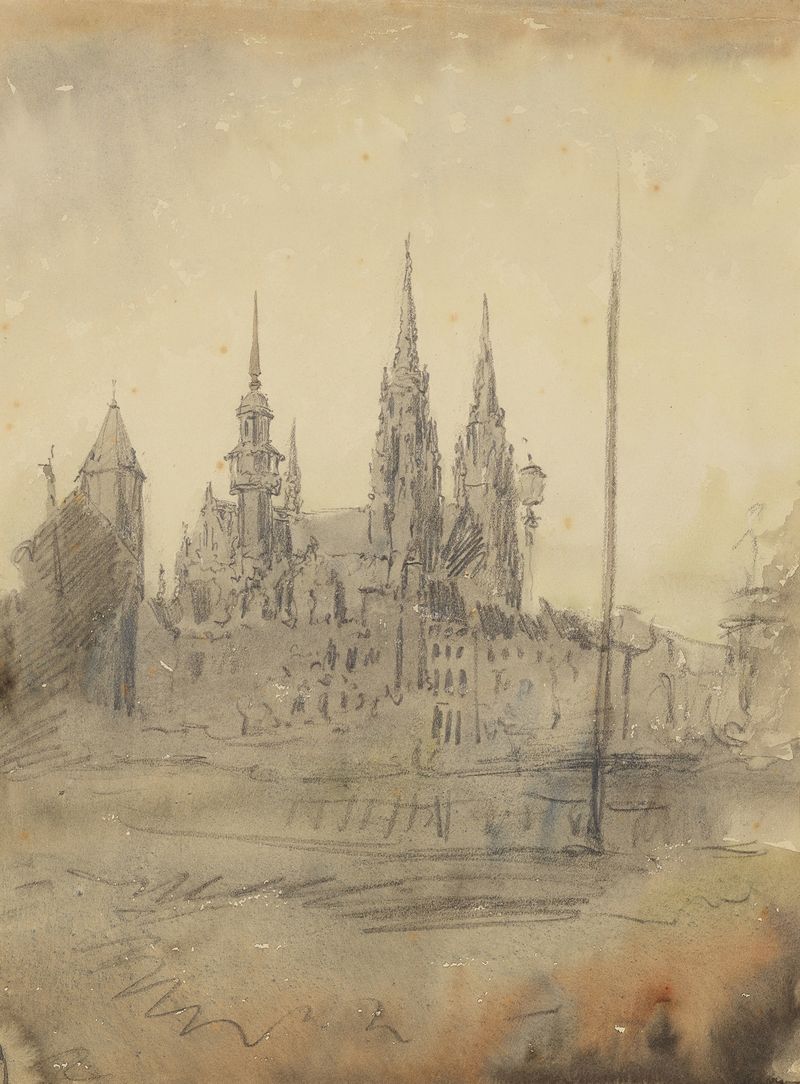
Oostende in de mist
Alfred Ost

Ypres Remember
Alfred Ost
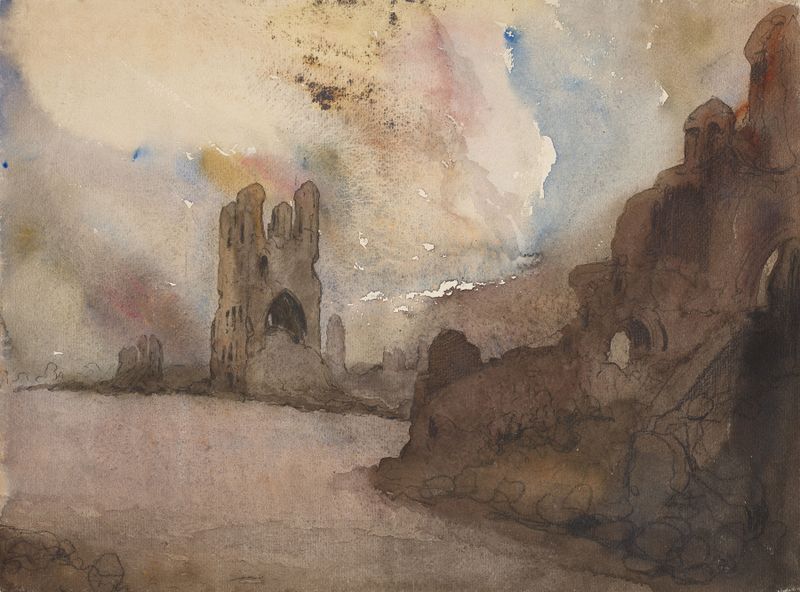
Ypres Remember
Alfred Ost
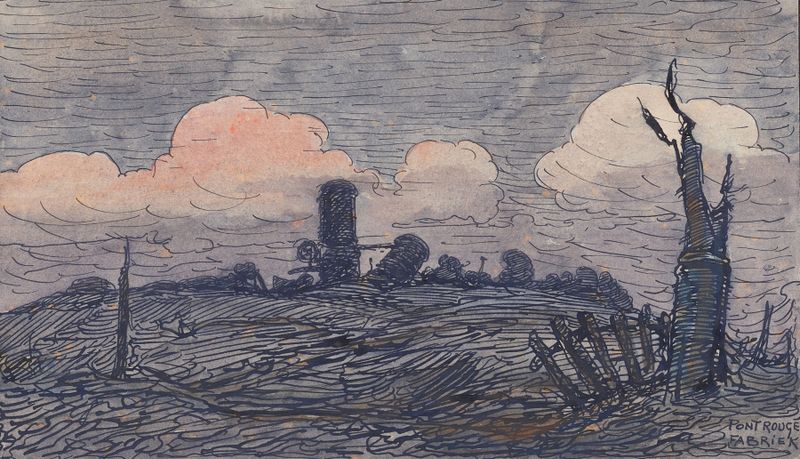
Ypres Remember
Alfred Ost

Bedevaarders op weg naar de Sint Salavtorkerk van Hakendover
Alfred Ost
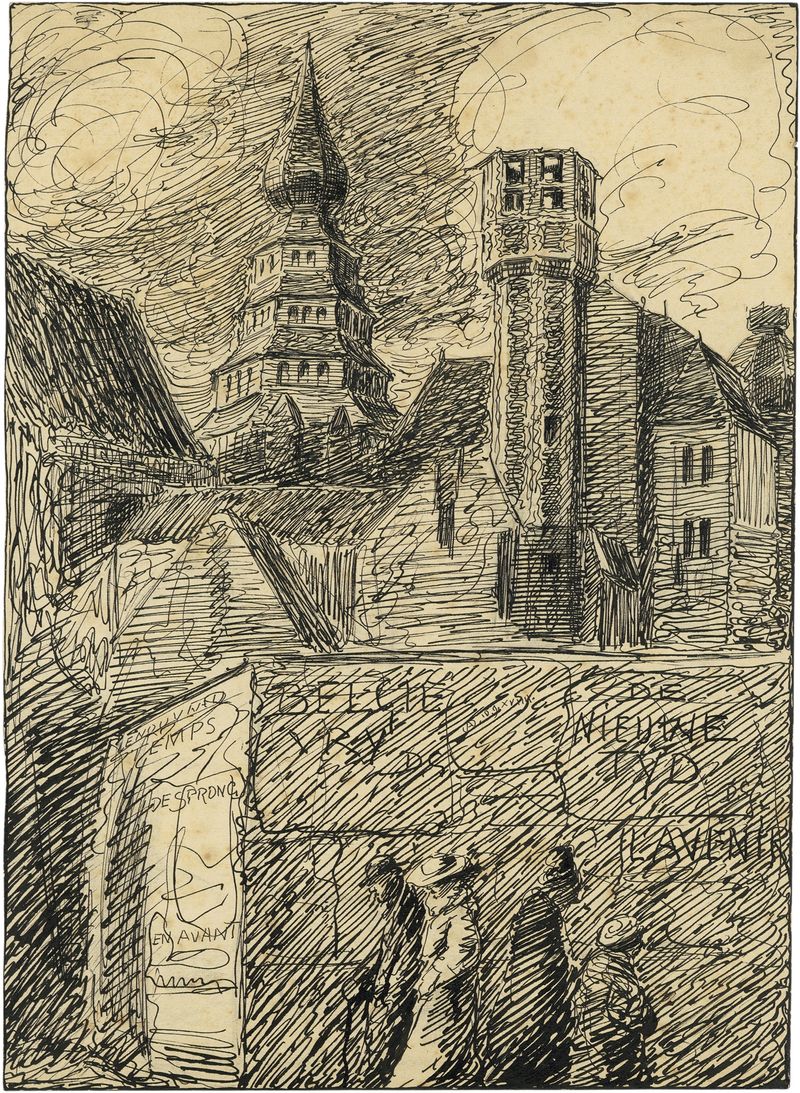
‘België vrij. De nieuwe tijd.’
Alfred Ost

Vierkantshoeve
Alfred Ost

Huis met rieten dak in een veld
Alfred Ost

Italiaanse kerk en bomen
Alfred Ost

Sint-Salvatorkerk in Hakendover – zijaanzicht
Alfred Ost
More Historical Art
Browse all →
The Night Watch Militia Company of District II under the Command of Captain Frans Banninck Cocq
Rembrandt van Rijn

Lincoln Memorial
Henry Bacon

The Third of May 1808
Francisco de Goya

Isaac and Rebecca, Known as ‘The Jewish Bride’
Rembrandt van Rijn

The Charge of the Mamelukes (1814)
Francisco de Goya

De vier ruiters van de apocalyps
Albrecht Dürer