
Zapatistas — History & Facts
What first seizes the eye in Zapatistas is the surge of movement—a procession of figures in white, their yellow hats forming a rhythmic wave, pressing forward with a gravity that feels both collective and unstoppable. The artist, José Clemente Orozco, channels the energy of a march, the bodies packed tightly together, their faces set with resolve or bowed in exhaustion. The men on horseback loom above, their forms monumental, casting a shadow over the crowd below.
The palette is earthy and raw, dominated by ochres, reds, and browns, with flashes of blue and pink in the women’s shawls that break the severity and lend a human tenderness to the scene. Light falls unevenly, accentuating the tension between the anonymous, faceless mass and the few, sharply defined leaders. Painted in 1931, this work emerges from a world still echoing with the struggles of the Mexican Revolution, a conflict that shaped the nation and the lives of those who survived it. Orozco was part of the Mexican muralist movement, which sought to bring art to the public and to tell the stories of ordinary people—peasants, workers, revolutionaries—on a grand scale.
Such paintings were rarely private commissions; they were often intended for civic spaces or as statements of solidarity and remembrance. While little is recorded about the specific journey of this canvas, its presence in the WikiArt collection anchors it to a broader tradition: art as witness, as rallying cry, as memory. The viewer is left to wonder about the fate of those depicted, and to return to the painting’s crowded procession for answers.
More Artworks by José Clemente Orozco

The Dismembered Man, from the Los teules series
José Clemente Orozco
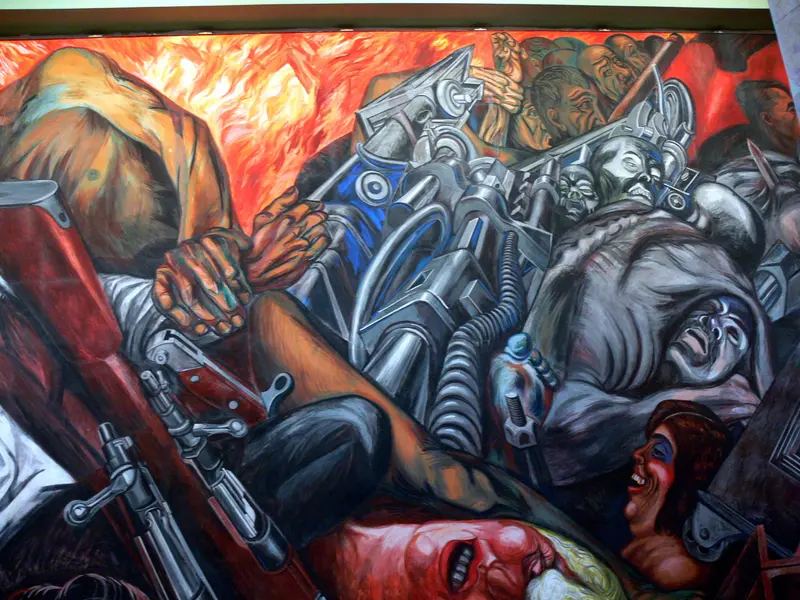
Palacio de Bellas Artes Mural Katharsis Orozco 1
José Clemente Orozco
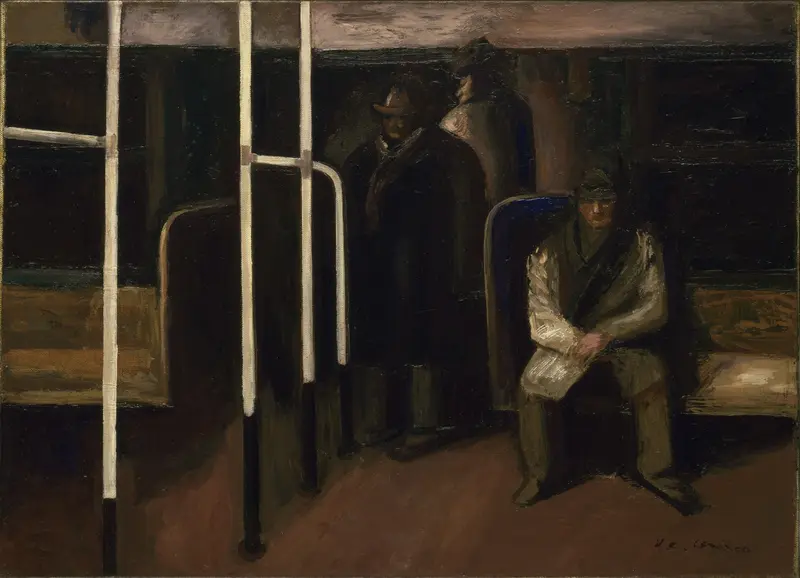
The Subway
José Clemente Orozco
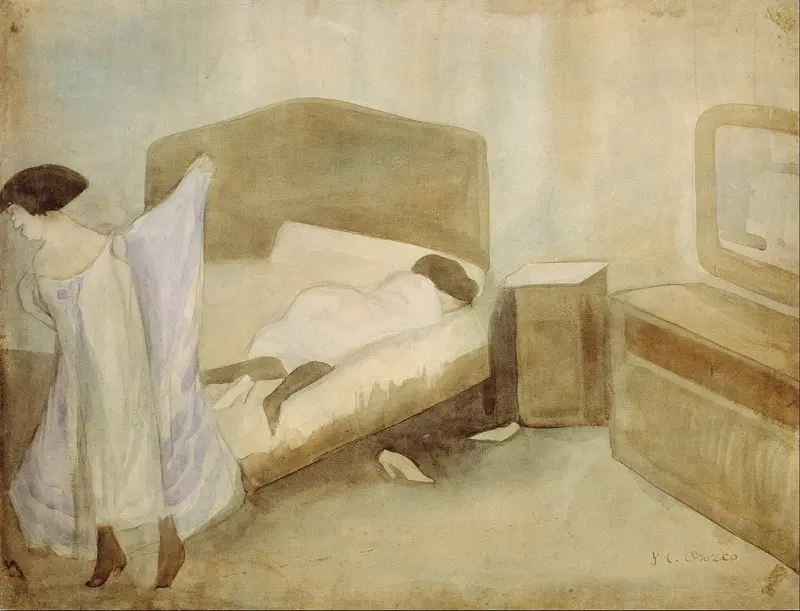
The Bedroom
José Clemente Orozco
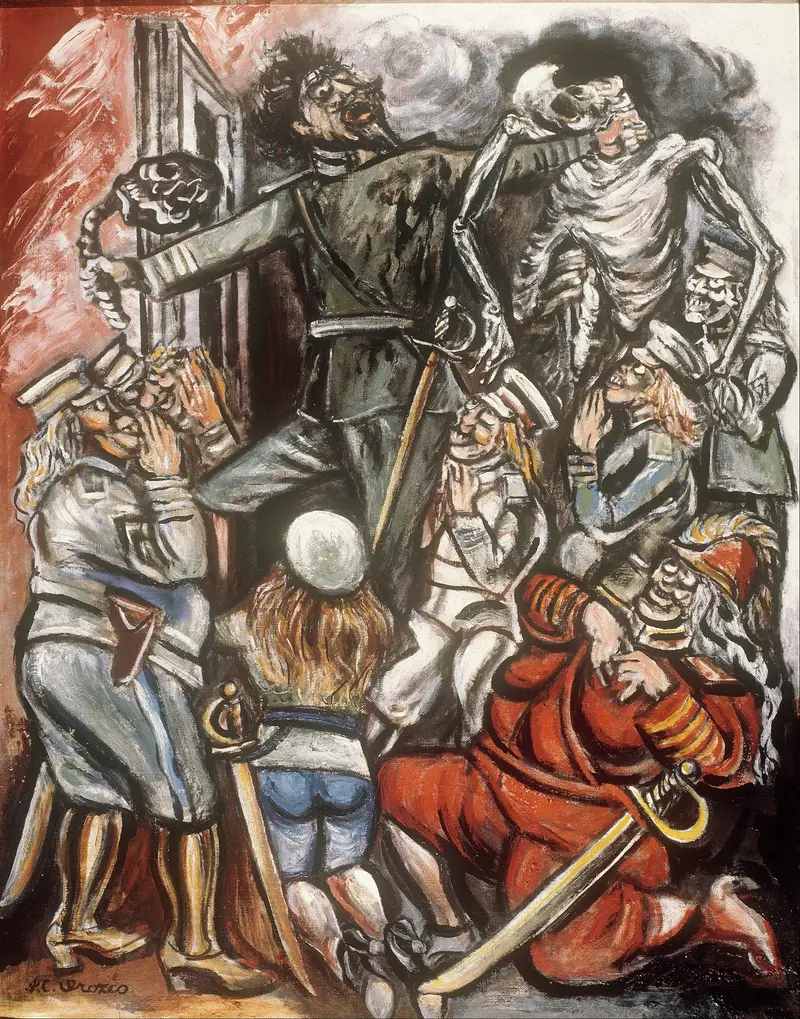
The Demagogue
José Clemente Orozco
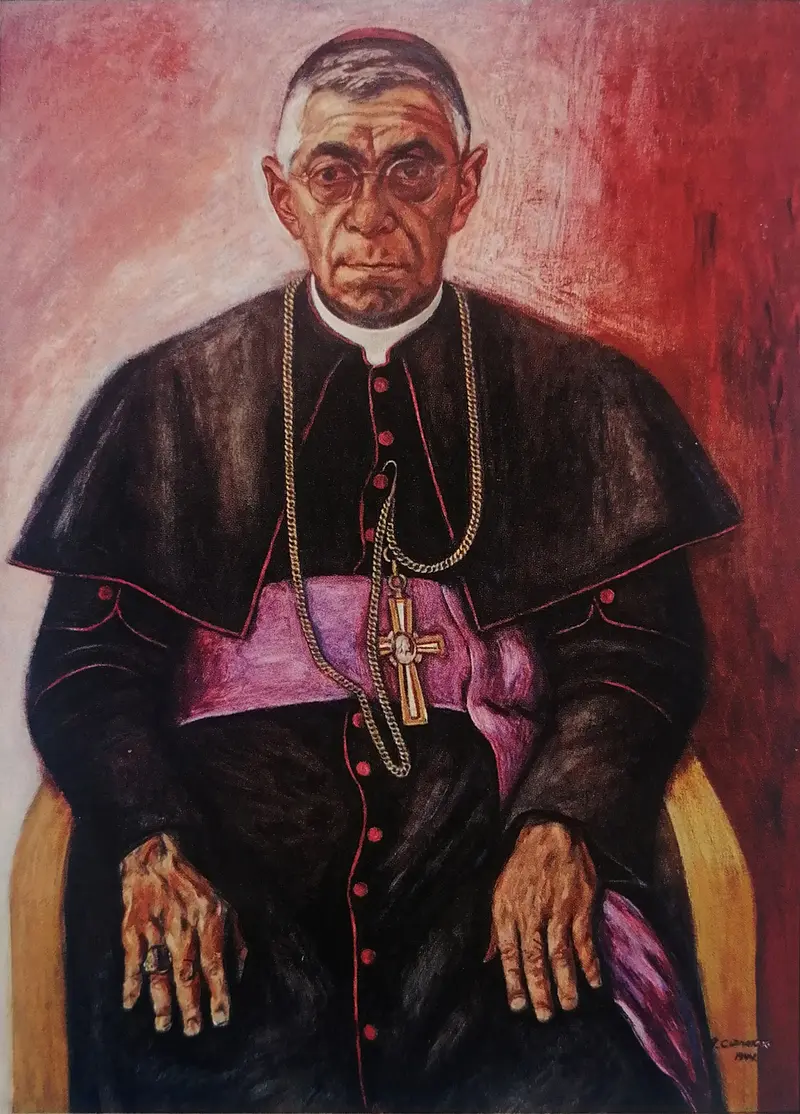
Portrait of Archbishop Luis María Martínez
José Clemente Orozco
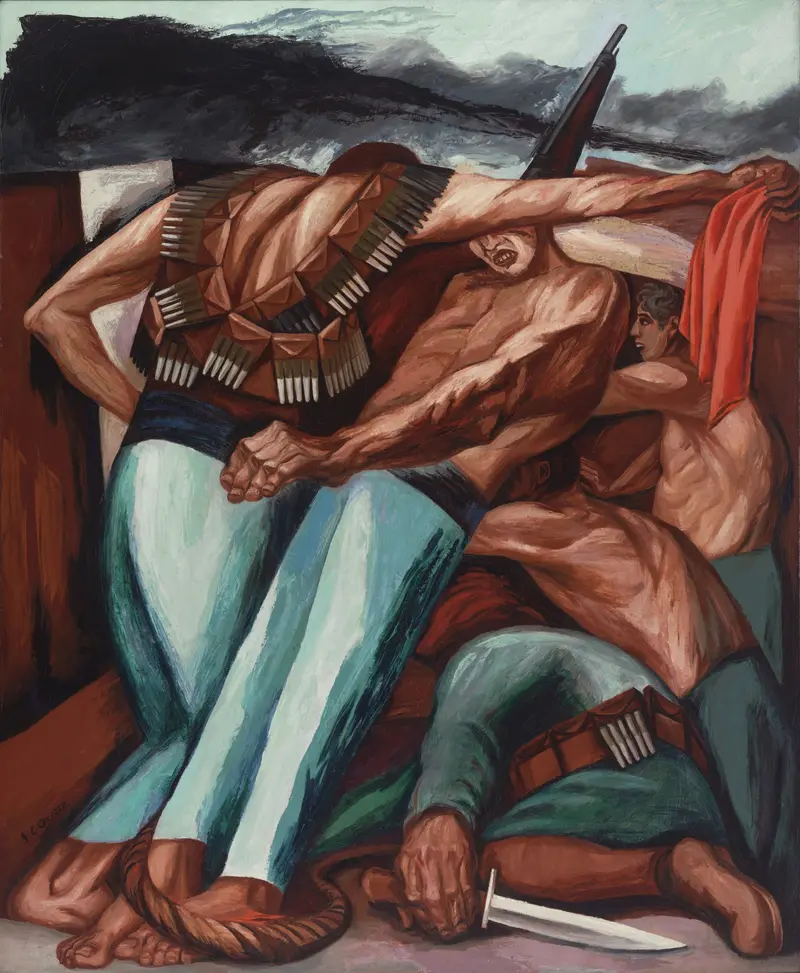
Barricade
José Clemente Orozco
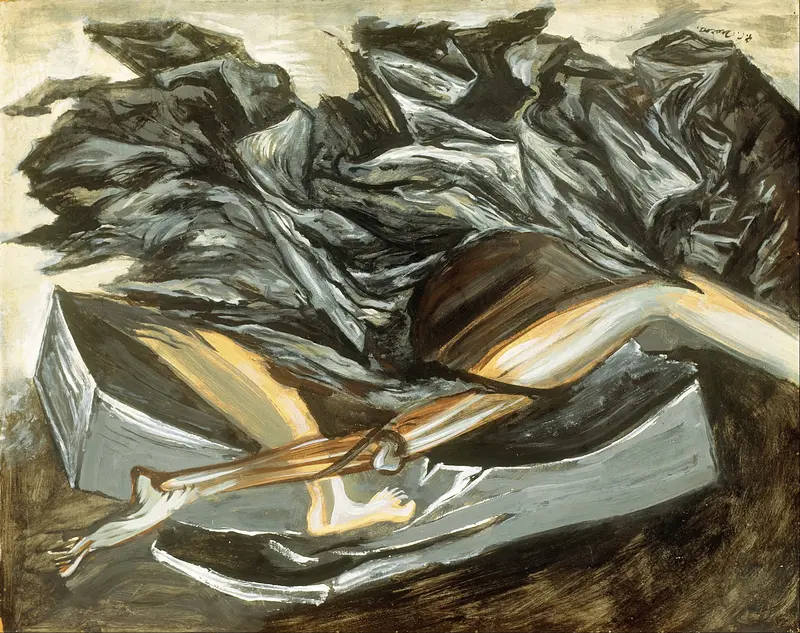
Death and Resurrection
José Clemente Orozco
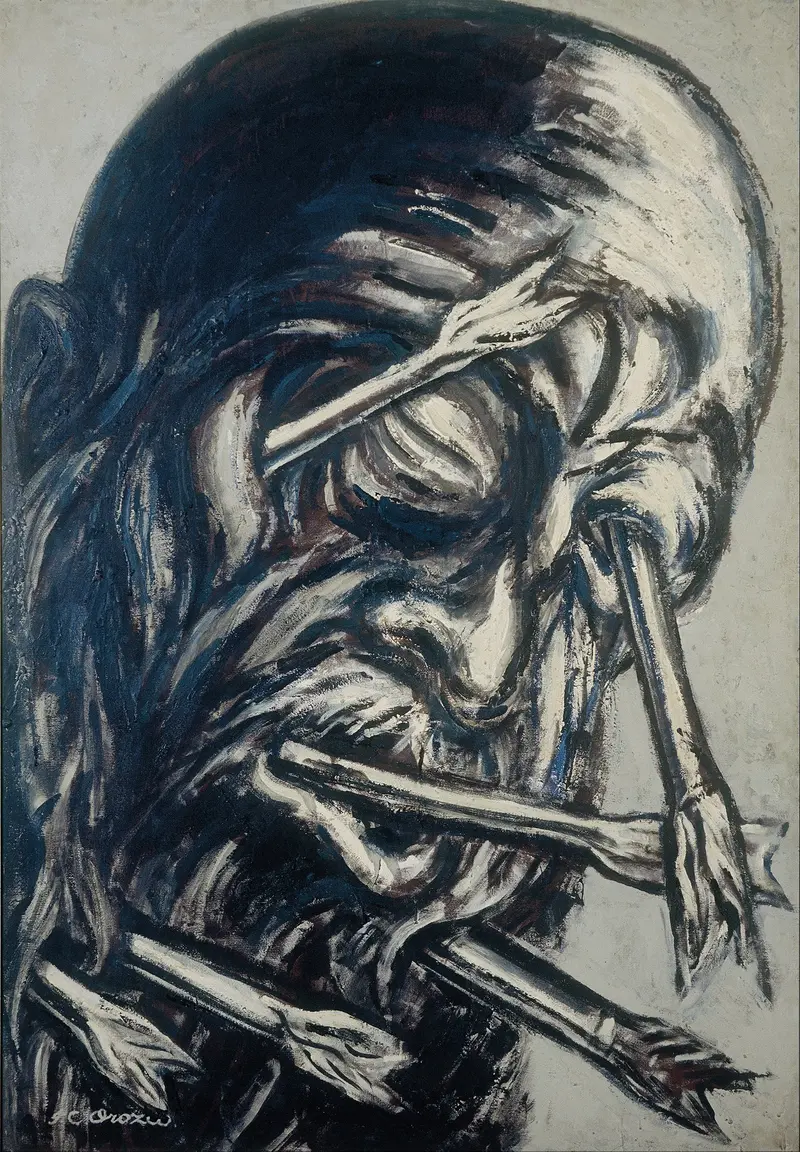
Head Pierced with Arrows, from the Los teules series
José Clemente Orozco





