
The Bedroom — History & Facts
A hush lingers in the pale air of this room, broken only by the faintest suggestion of movement: a woman, half-turned away, lets a delicate robe slip from her shoulders, her face obscured in profile. The other figure, curled and almost formless beneath the bedclothes, seems untouched by the stirrings around her. The soft, muted palette—washed browns, violets, and creams—gives the space a sense of early morning or late afternoon, a time when boundaries blur and the world feels both private and exposed.
Notice how the mirror on the right, though blank, hints at unseen perspectives, while the discarded shoes on the floor draw the eye back to the human drama at the bed’s edge. Every object in the room—bed, nightstand, mirror—conspires to frame the women’s quiet, ambiguous intimacy. Painted circa 1910, The Bedroom by José Clemente Orozco belongs to a moment of great transition in both Mexican society and the artist’s own life. This was a time when artists across Europe and the Americas were turning their gaze inward, capturing private interiors and fleeting gestures rather than grand historical narratives.
While little is documented about this specific work or its journey, its presence in the Google Cultural Institute’s collection today invites us to glimpse a world on the cusp of modernity, where the personal and the political would soon collide in Orozco’s later murals. The scene’s restraint and ambiguity encourage us to linger, searching for meaning in the everyday rituals of a quiet room.
More Artworks by José Clemente Orozco

The Dismembered Man, from the Los teules series
José Clemente Orozco

Palacio de Bellas Artes Mural Katharsis Orozco 1
José Clemente Orozco
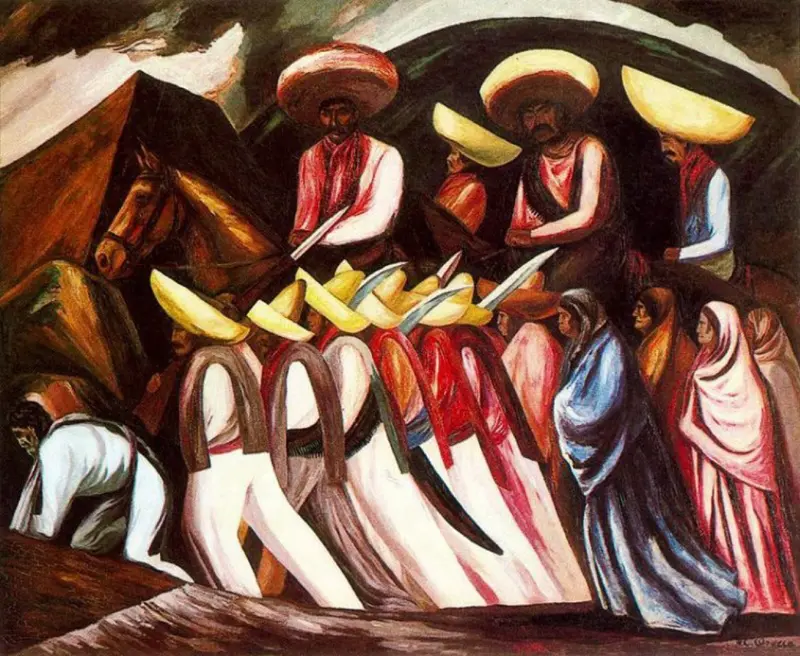
Zapatistas
José Clemente Orozco
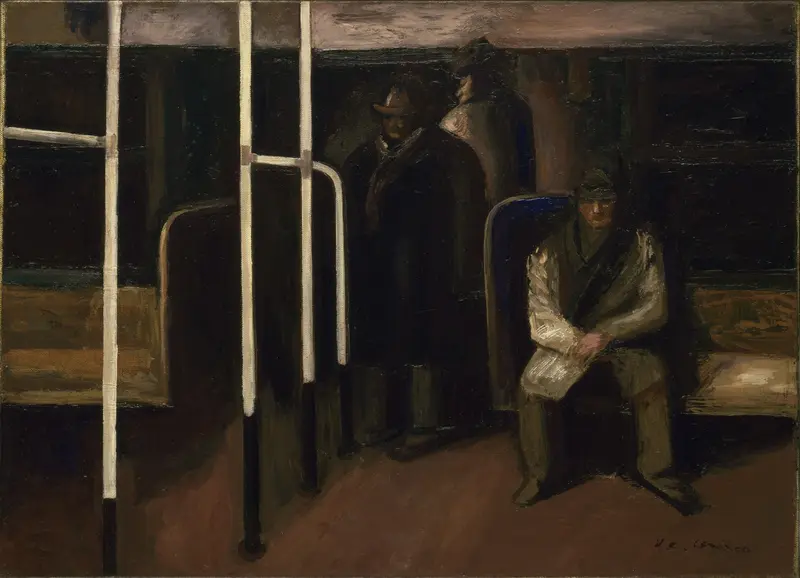
The Subway
José Clemente Orozco
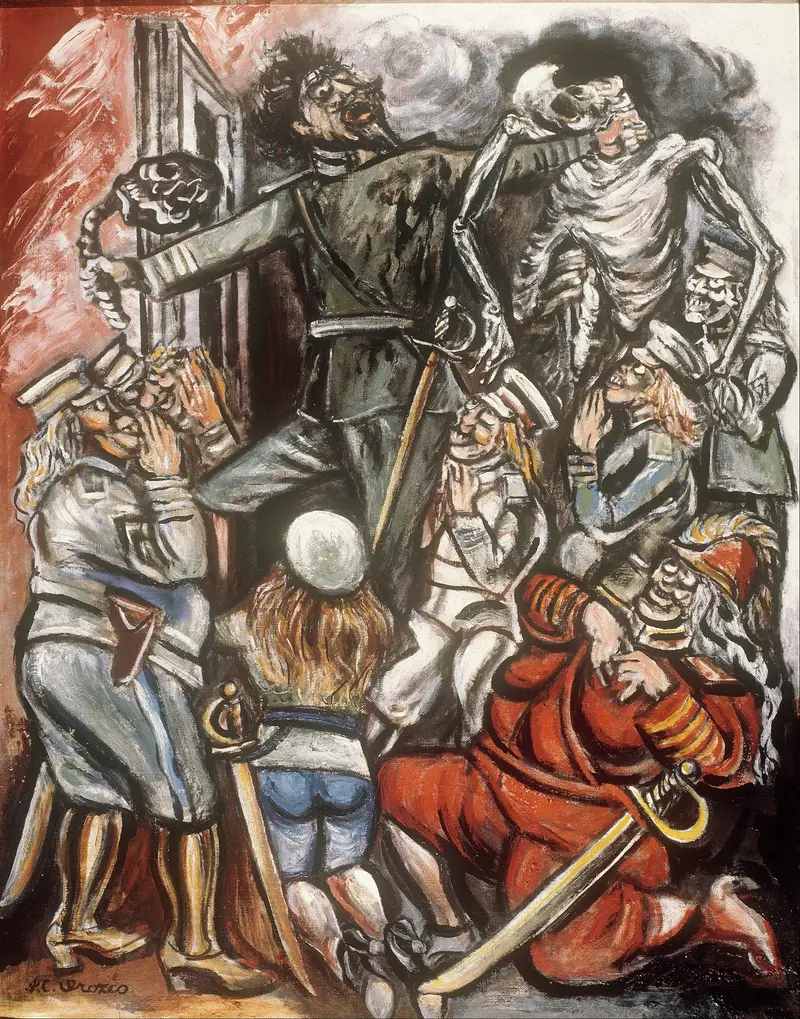
The Demagogue
José Clemente Orozco
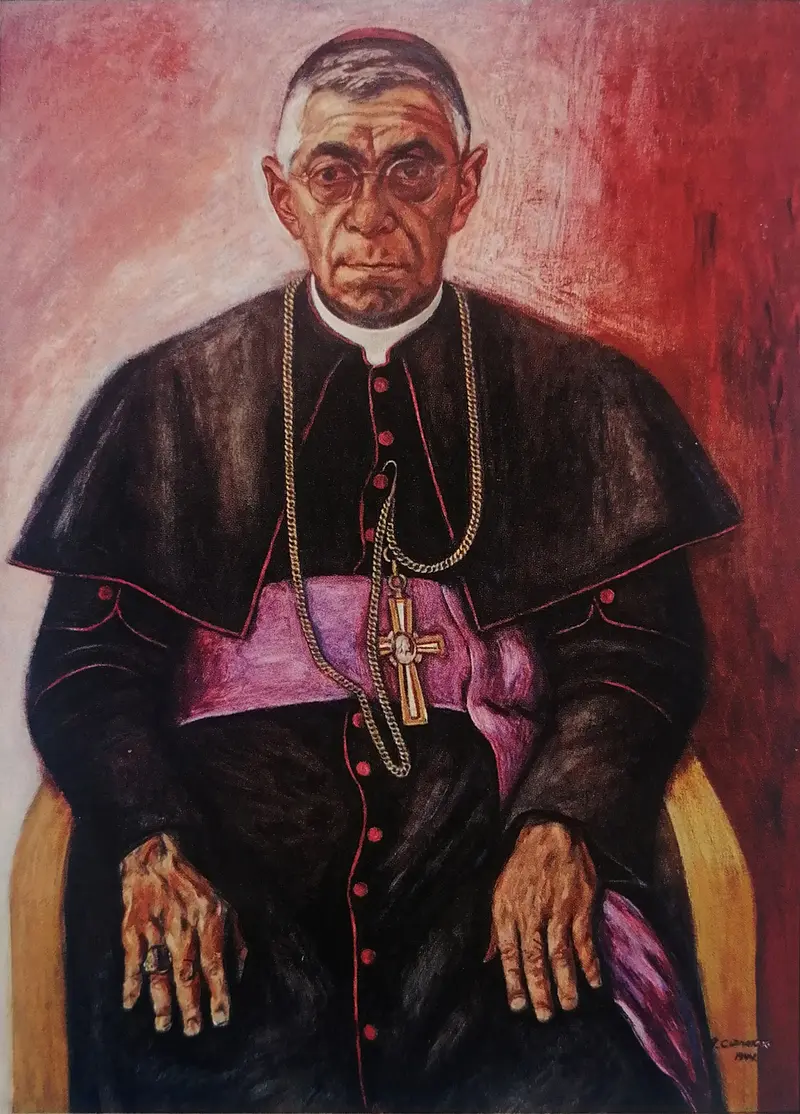
Portrait of Archbishop Luis María Martínez
José Clemente Orozco
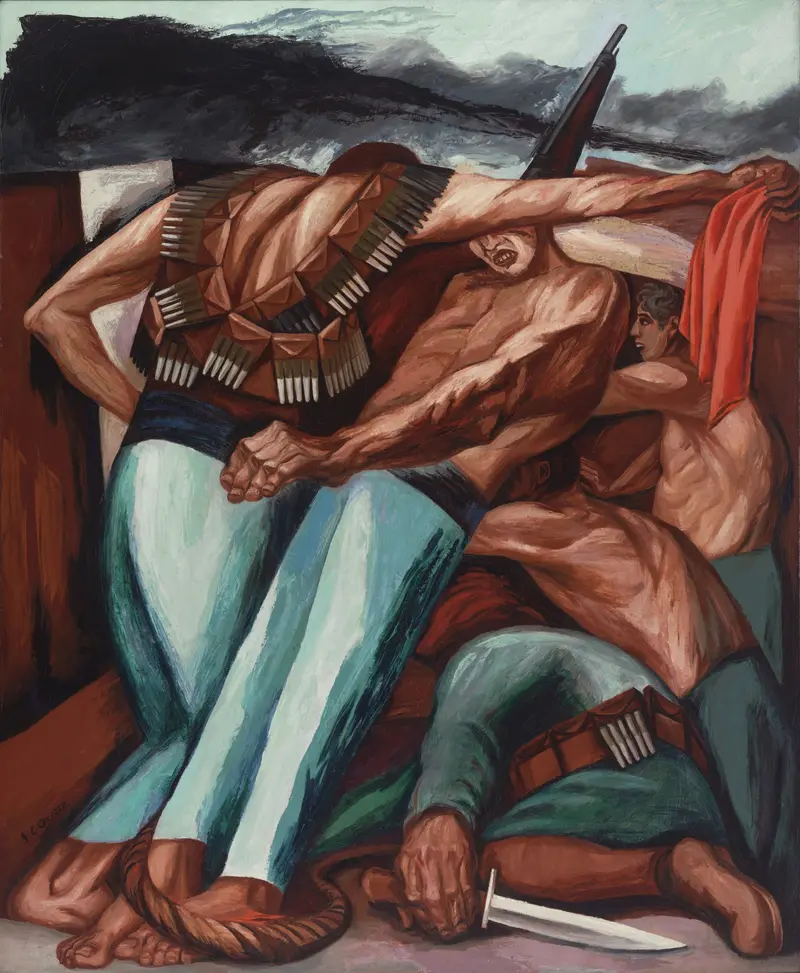
Barricade
José Clemente Orozco
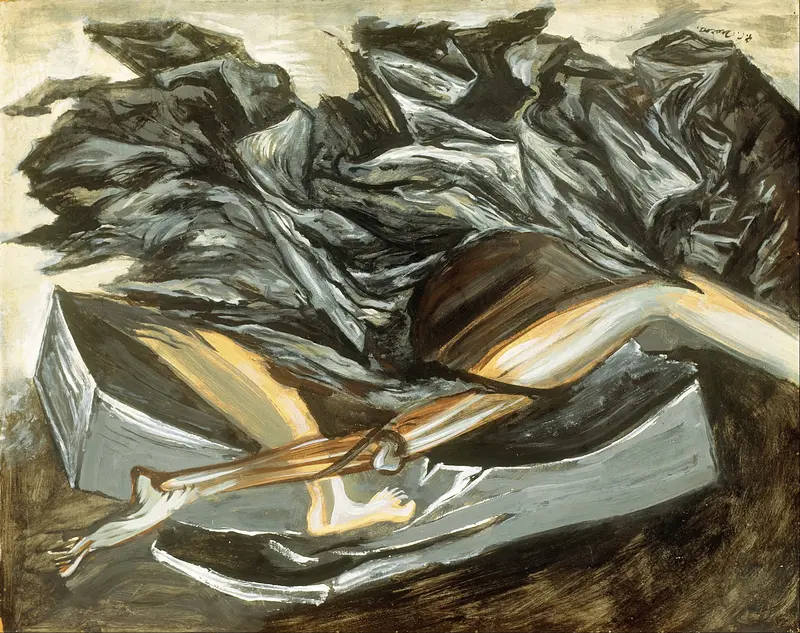
Death and Resurrection
José Clemente Orozco
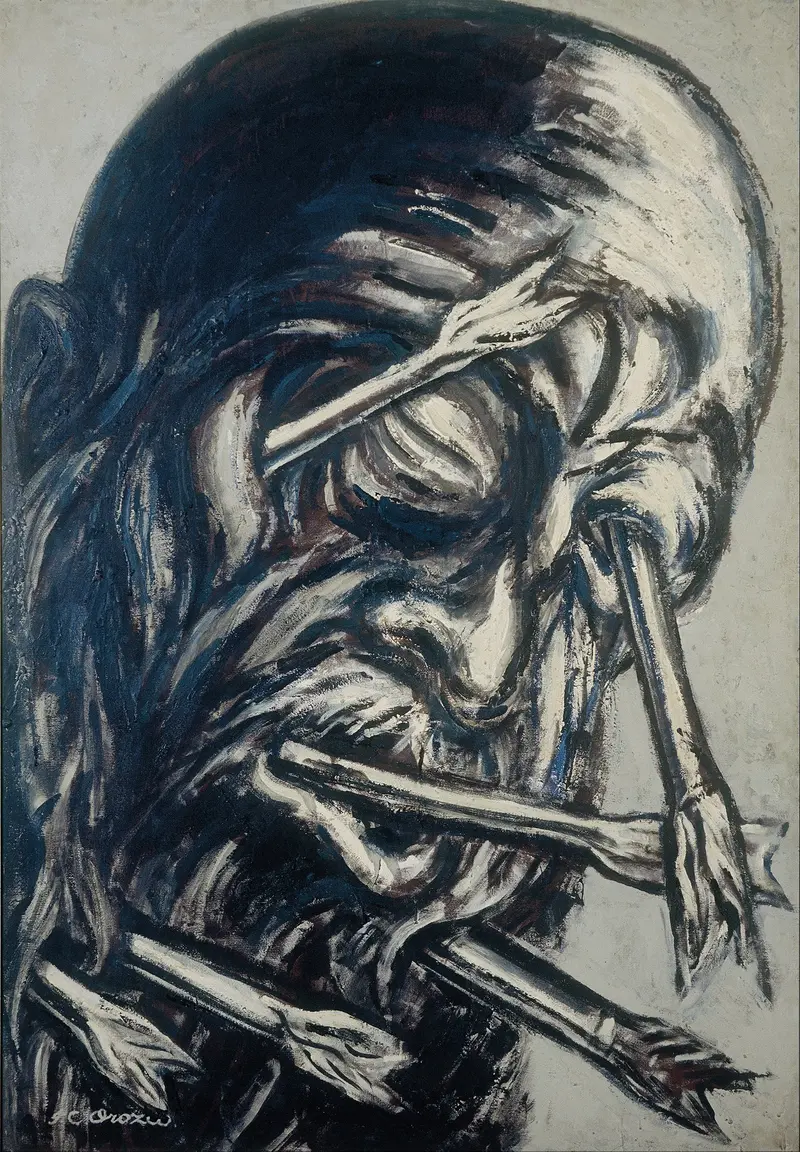
Head Pierced with Arrows, from the Los teules series
José Clemente Orozco





