
The Dismembered Man, from the Los teules series — History & Facts
Few images strike the viewer with such immediate force as The Dismembered Man, from the Los teules series. The figure seems to have exploded across the canvas, its limbs flung outward in a chaos of raw, urgent lines. The body, rendered in thick, almost violent strokes of ochre and red, twists in impossible directions, while the mask-like face, mouth agape, hovers at a distance from the torso.
The background is a field of burning red, amplifying the sense of trauma and rupture; the eye cannot rest, pulled relentlessly from one fragment to the next. Every contour is jagged, every gesture a cry — the painting refuses to let the viewer look away. Created in 1947 by José Clemente Orozco, this work belongs to a world still reeling from the violence and upheaval of the early twentieth century. Orozco, a giant of Mexican muralism, was known for confronting the brutal realities of history and human conflict.
In this era, artists across the globe were experimenting with abstraction and expressionism to capture the fractured spirit of their time. The Dismembered Man stands as a testament to that search: not a literal scene, but a psychological landscape, where the body itself becomes a battleground. Little is recorded about the journey of this specific painting, now documented in the Google Cultural Institute, but its date anchors it in the aftermath of war and revolution, when art was called upon to bear witness to suffering.
The longer you look, the more the painting demands: what does it mean to be torn apart, and what remains when the pieces refuse to fit back together?
More Artworks by José Clemente Orozco
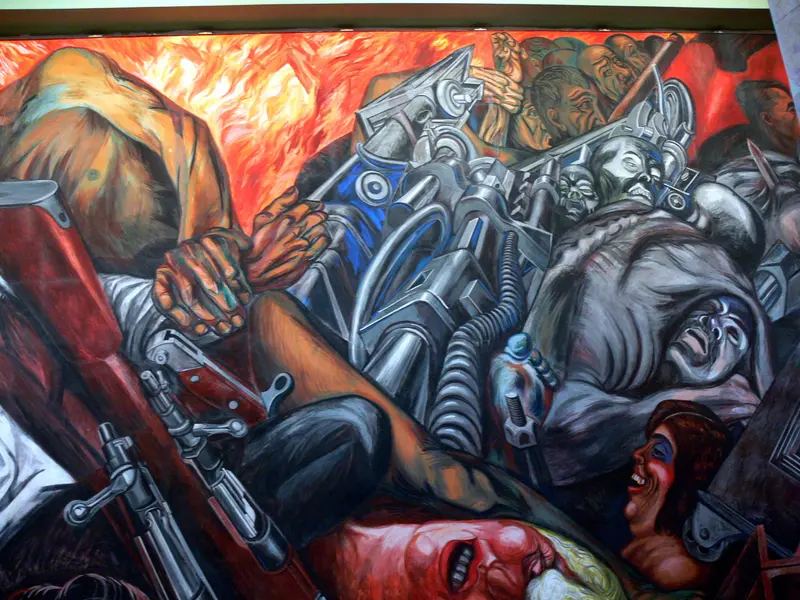
Palacio de Bellas Artes Mural Katharsis Orozco 1
José Clemente Orozco
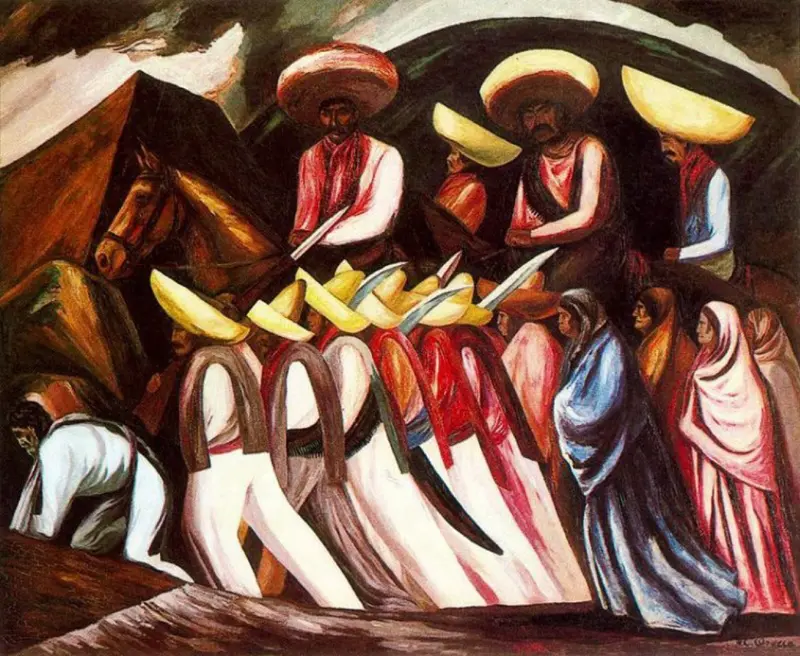
Zapatistas
José Clemente Orozco
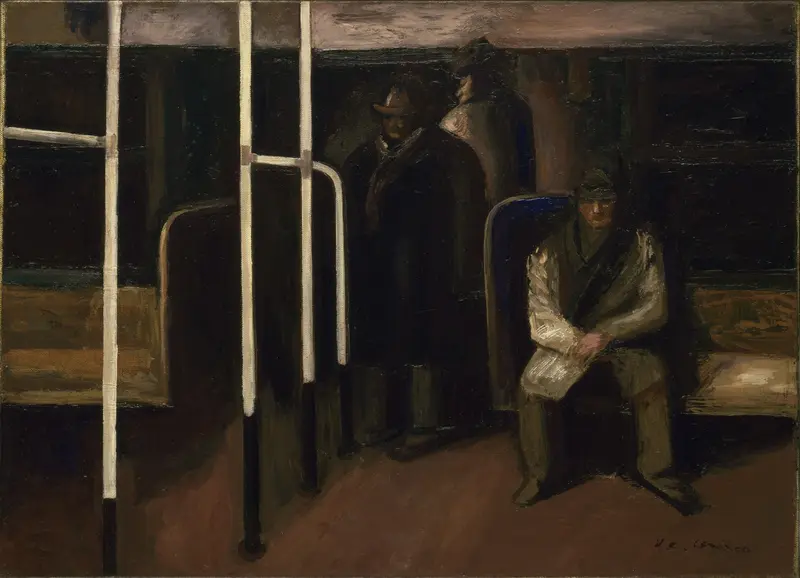
The Subway
José Clemente Orozco
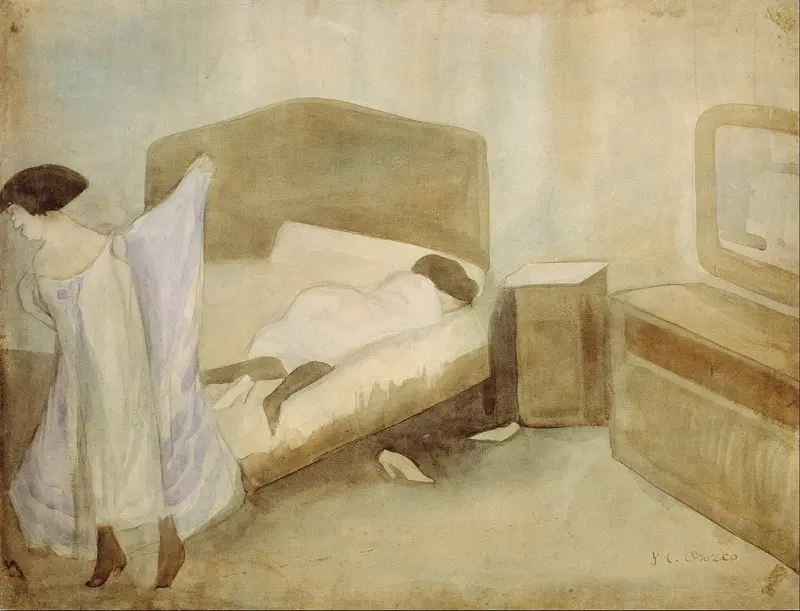
The Bedroom
José Clemente Orozco
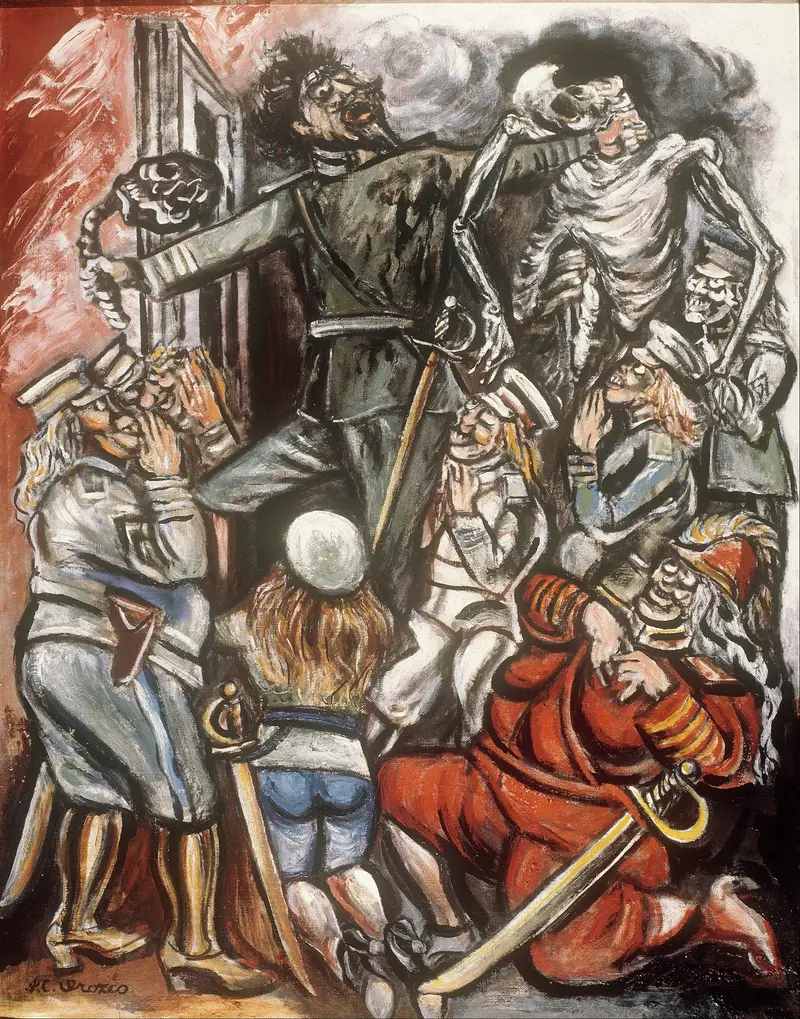
The Demagogue
José Clemente Orozco
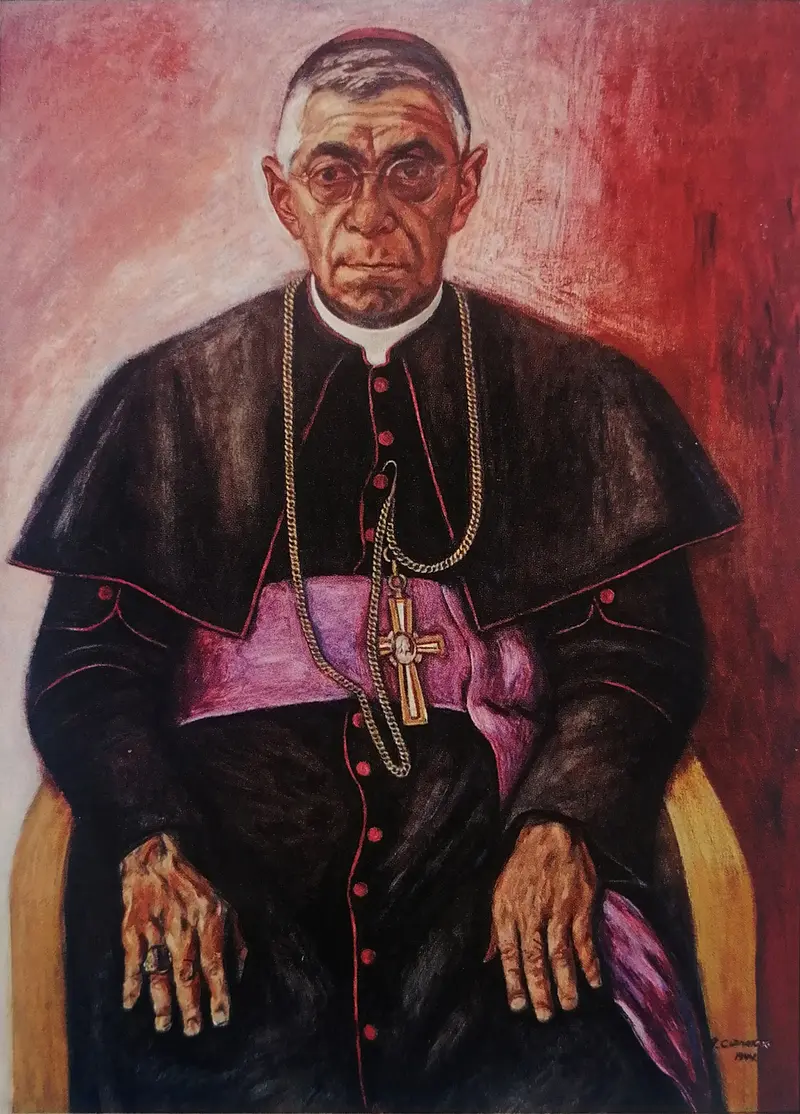
Portrait of Archbishop Luis María Martínez
José Clemente Orozco
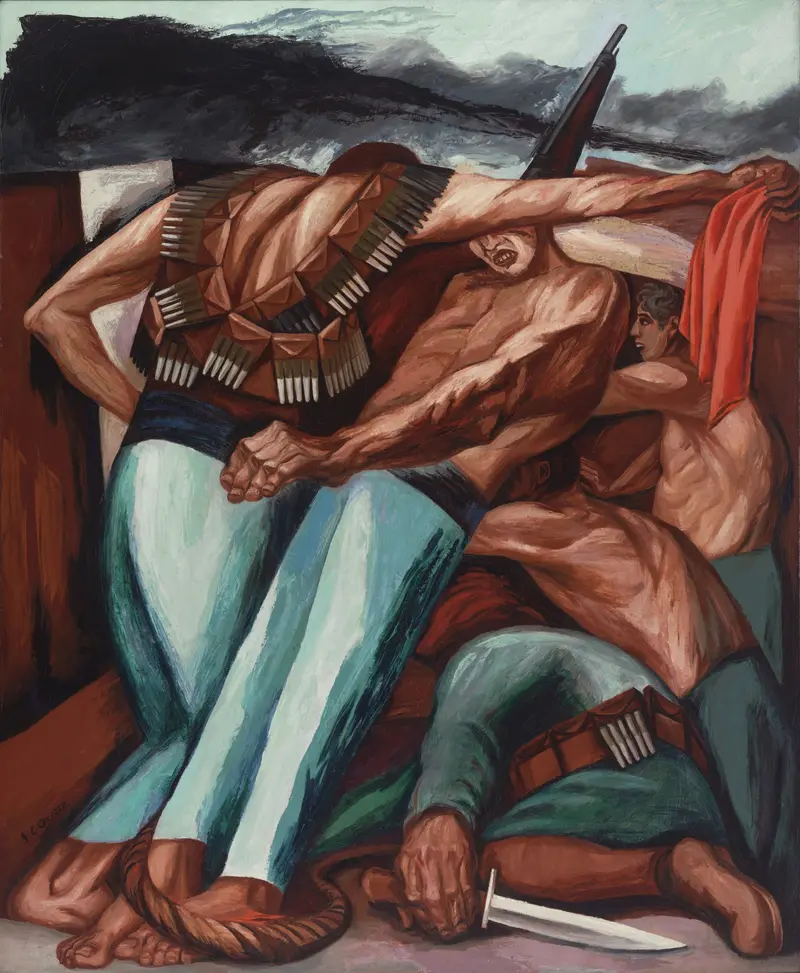
Barricade
José Clemente Orozco
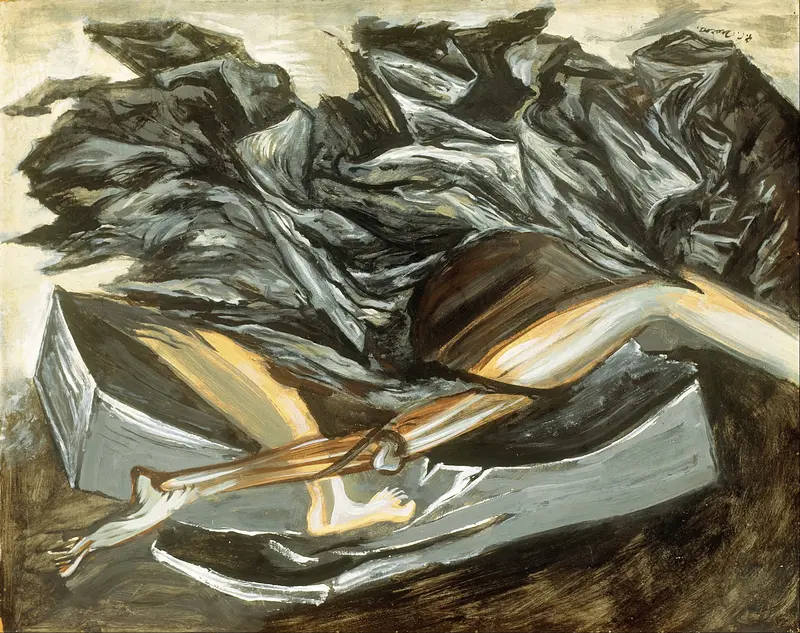
Death and Resurrection
José Clemente Orozco
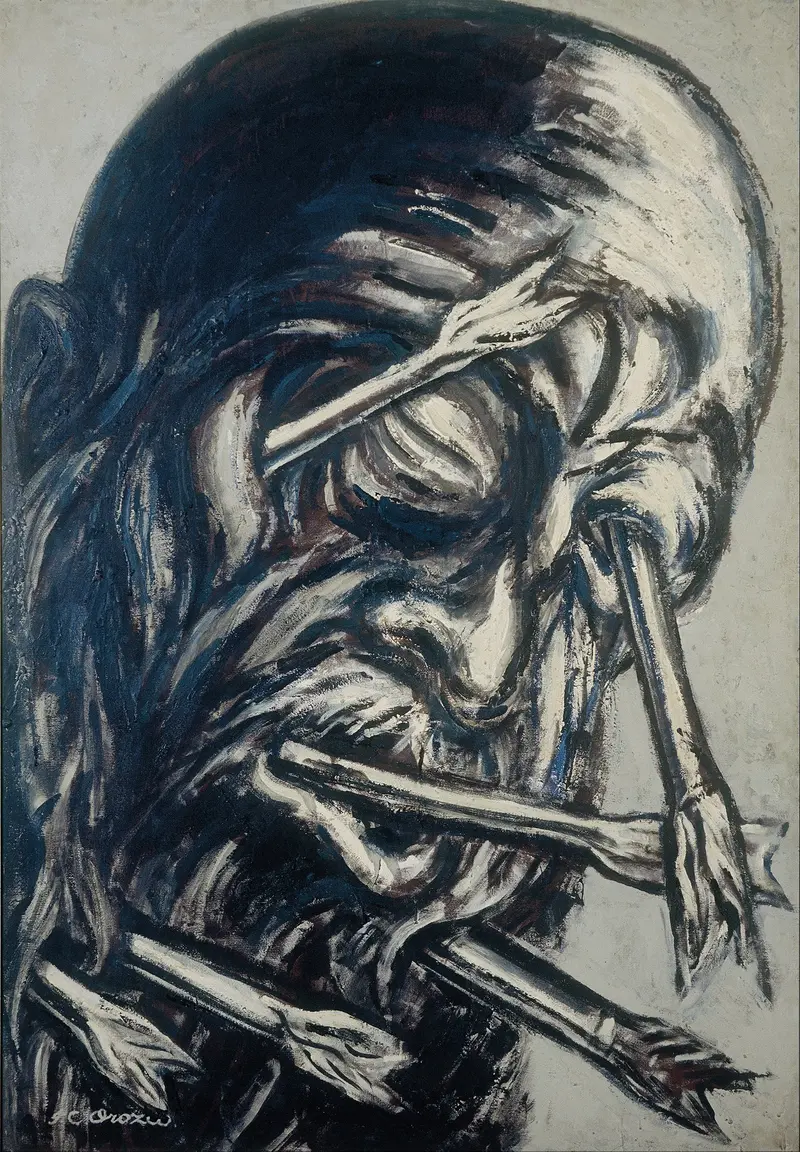
Head Pierced with Arrows, from the Los teules series
José Clemente Orozco



