
Palacio de Bellas Artes Mural Katharsis Orozco 1 — History & Facts
A tangle of bodies, metal, and flame pulls the viewer into chaos—this is not a scene that invites calm contemplation, but one that demands attention. The eye is caught first by the enormous, clenched hands at the center, their exaggerated size and sinew echoing both struggle and resistance. Weapons and machinery slice through the composition, their hard lines and cold colors a sharp contrast to the twisted flesh and anguished faces.
The background burns with an inferno, casting an unnatural light that heightens the sense of turmoil. Every gesture, every grimace, seems to signal the collision of man and machine, of violence and suffering, in a world unmoored from peace. Works like this detail from Palacio de Bellas Artes Mural Katharsis Orozco 1 by José Clemente Orozco belong to the fierce tradition of Mexican muralism, born in the aftermath of revolution and charged with the urgency of social critique. In the 1930s, artists like Orozco, Rivera, and Siqueiros turned public walls into battlegrounds of ideas, confronting viewers with visions of struggle, oppression, and the hope—or horror—of transformation.
This mural, painted in 1934 and captured here in a 2008 photograph, stands in Mexico City’s Palacio de Bellas Artes, a monument to both artistic ambition and political engagement. History has kept few traces of the individual stories behind each face or machine, but the mural’s energy still crackles—inviting you to search every inch for meaning.
More Artworks by José Clemente Orozco

The Dismembered Man, from the Los teules series
José Clemente Orozco
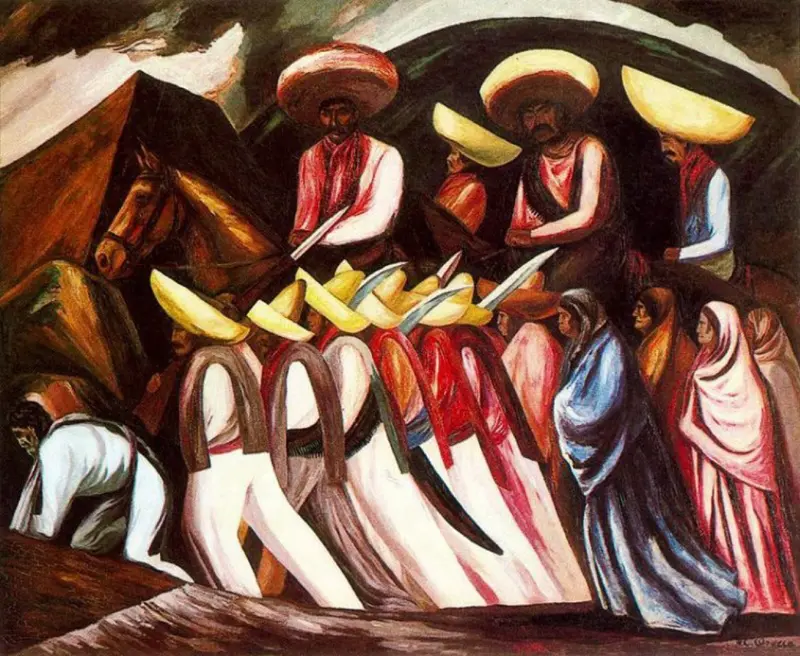
Zapatistas
José Clemente Orozco
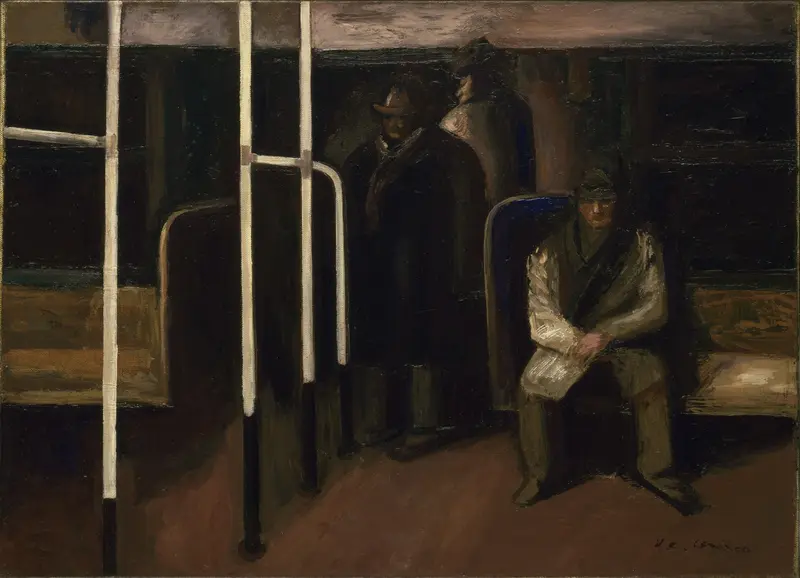
The Subway
José Clemente Orozco
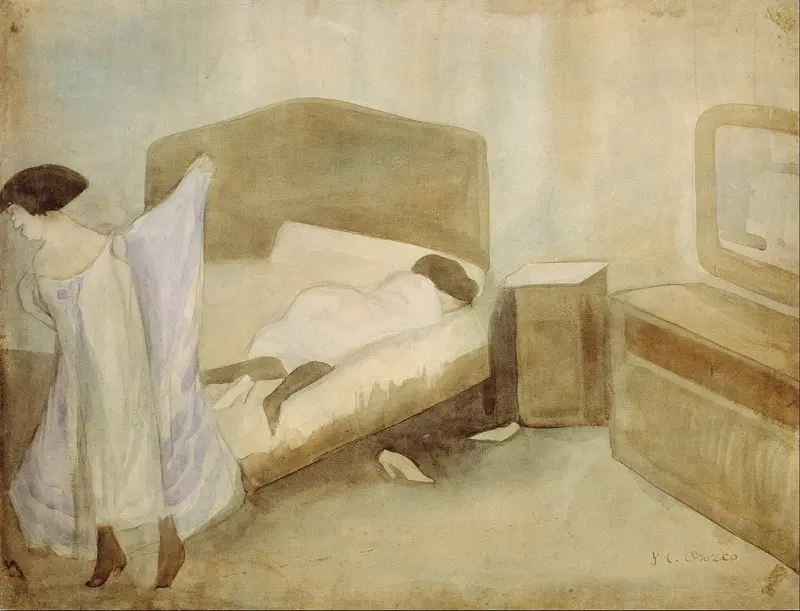
The Bedroom
José Clemente Orozco
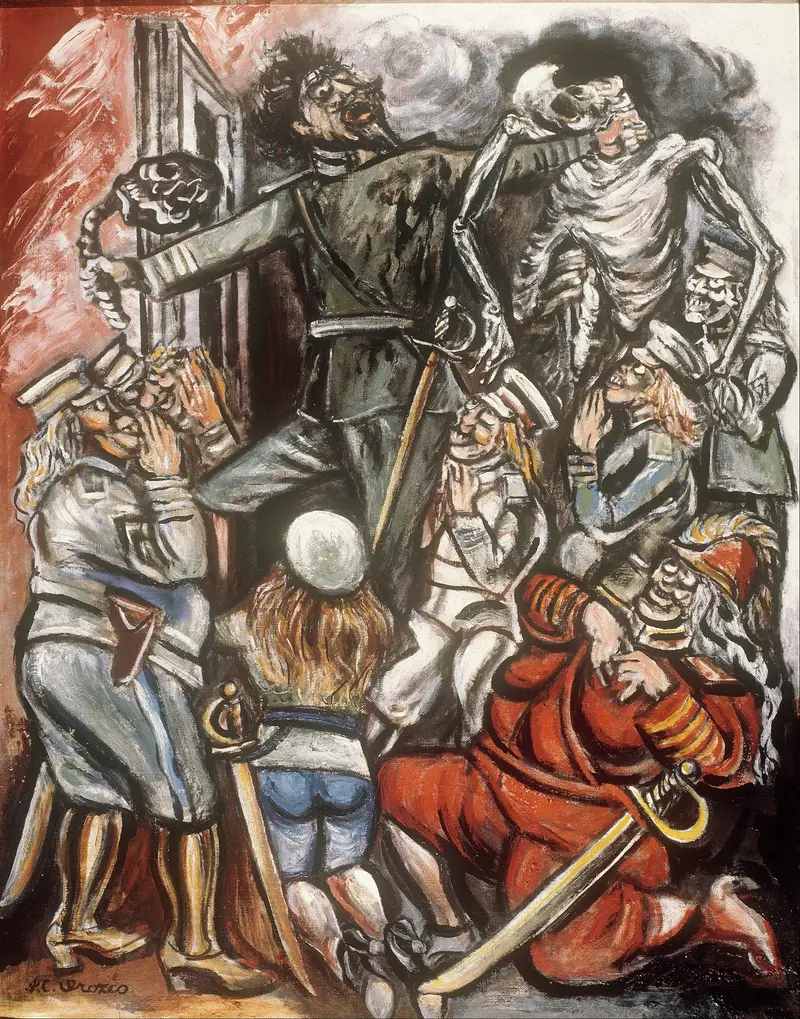
The Demagogue
José Clemente Orozco
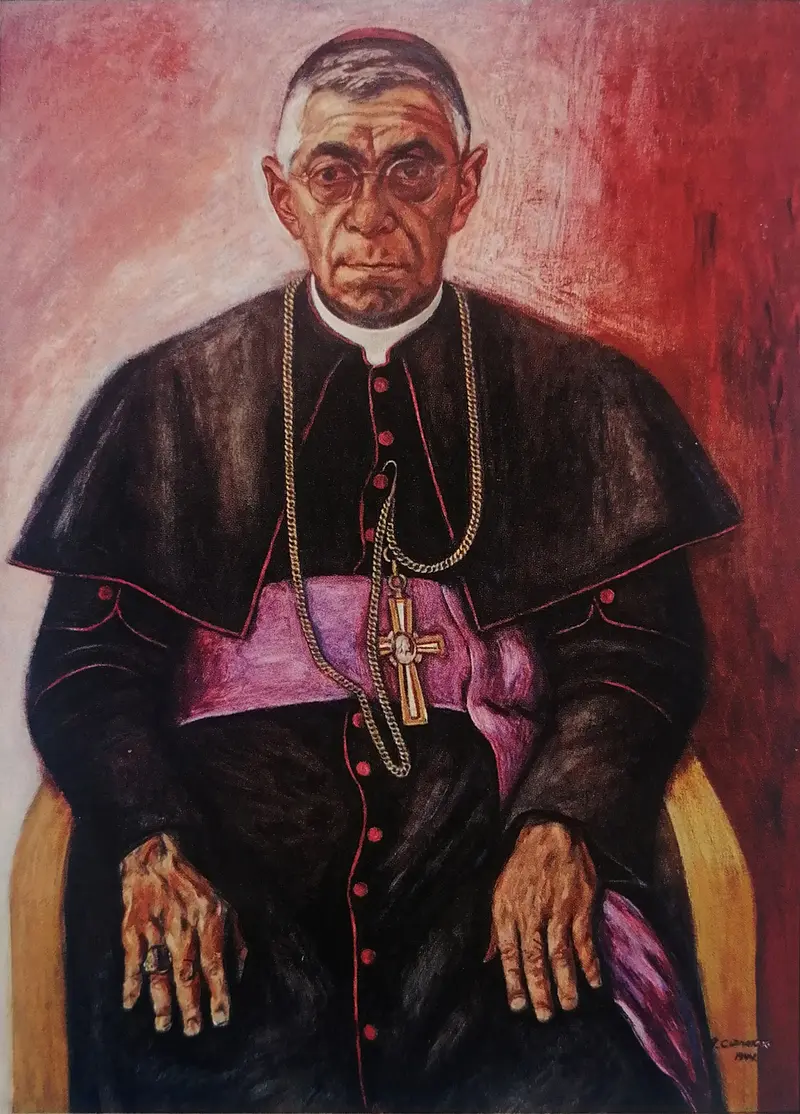
Portrait of Archbishop Luis María Martínez
José Clemente Orozco
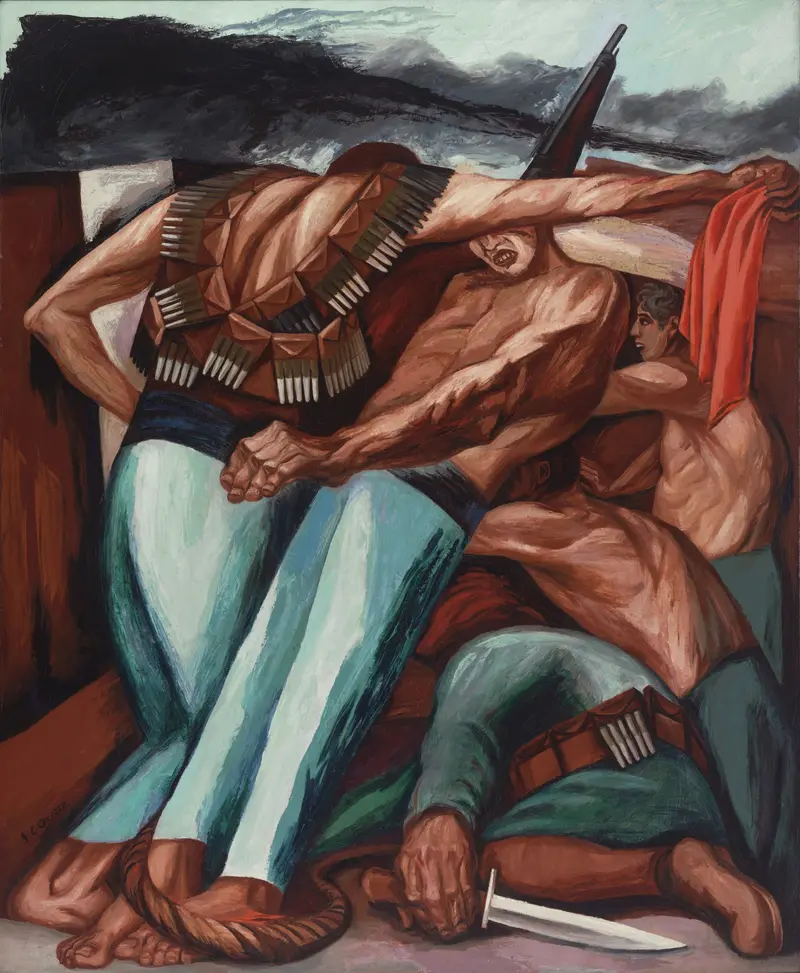
Barricade
José Clemente Orozco
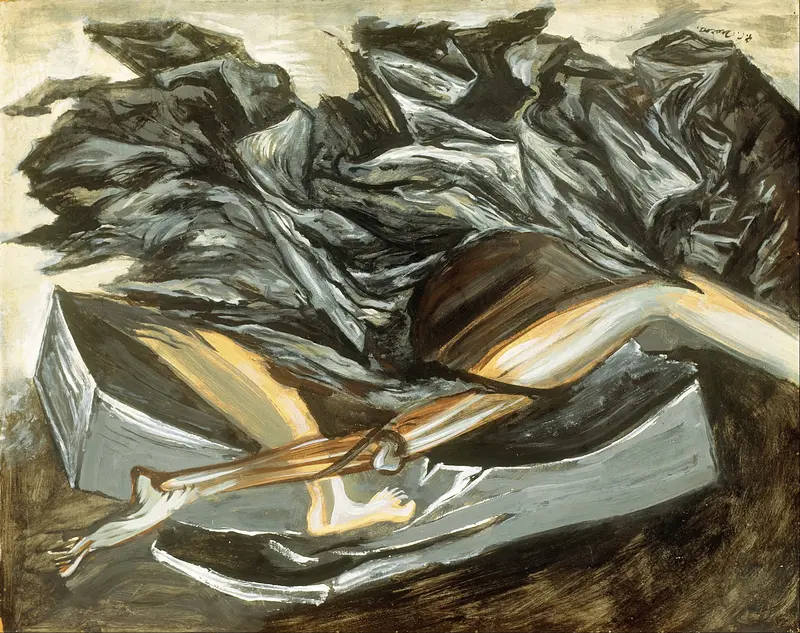
Death and Resurrection
José Clemente Orozco
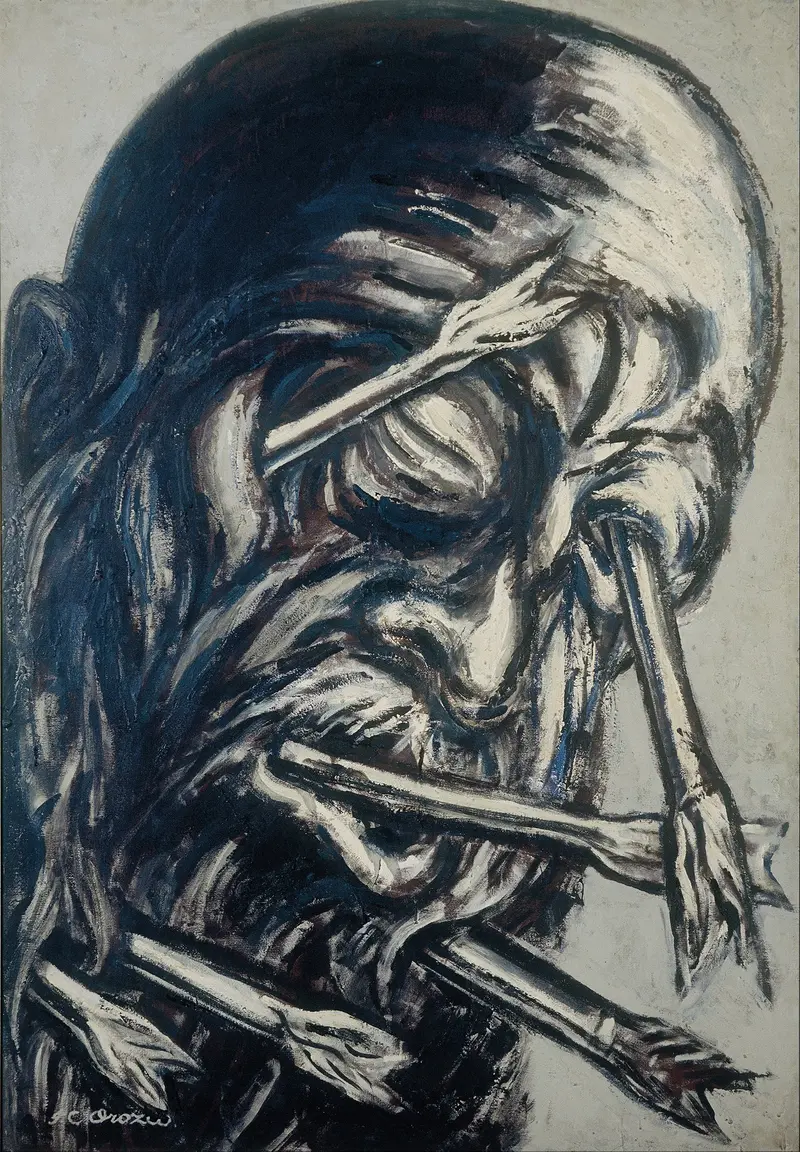
Head Pierced with Arrows, from the Los teules series
José Clemente Orozco



