
Barricade — History & Facts
A knot of bodies surges forward, every muscle straining, the tension nearly audible in the twisted limbs and clenched fists. The eye is drawn first to the broad, armored back at the center, its sinews rendered with almost sculptural force, then to the red cloth raised defiantly at the barricade’s edge—a signal, a warning, or perhaps a last stand. The palette is all earth and fire: copper flesh, icy blue trousers, the black smoke of battle churning behind.
Each figure is locked in a moment of resistance, their faces contorted with effort or pain, their weapons gripped with desperate resolve. The composition presses the viewer close, denying distance or detachment, so that the barricade feels less like a stage and more like a living wall. Painted in 1931 by José Clemente Orozco, this work belongs to a world still echoing with the aftershocks of revolution. In early twentieth-century Mexico, artists like Orozco made the struggles of ordinary people their central subject, using monumental forms and urgent gestures to capture the violence and hope of collective action.
Such images were both a call to remember and a warning not to forget, often commissioned for public spaces or collected by institutions seeking to align themselves with the new currents of social change. Now held in the Museum of Modern Art’s online collection, Barricade stands as a testament to an era when painting itself became a weapon—one that still demands confrontation, even through a screen.
More Artworks by José Clemente Orozco

The Dismembered Man, from the Los teules series
José Clemente Orozco
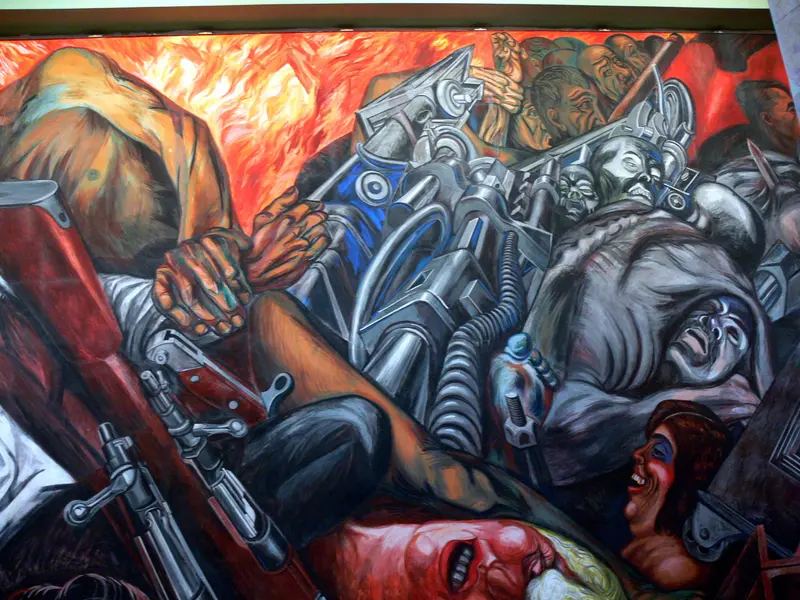
Palacio de Bellas Artes Mural Katharsis Orozco 1
José Clemente Orozco
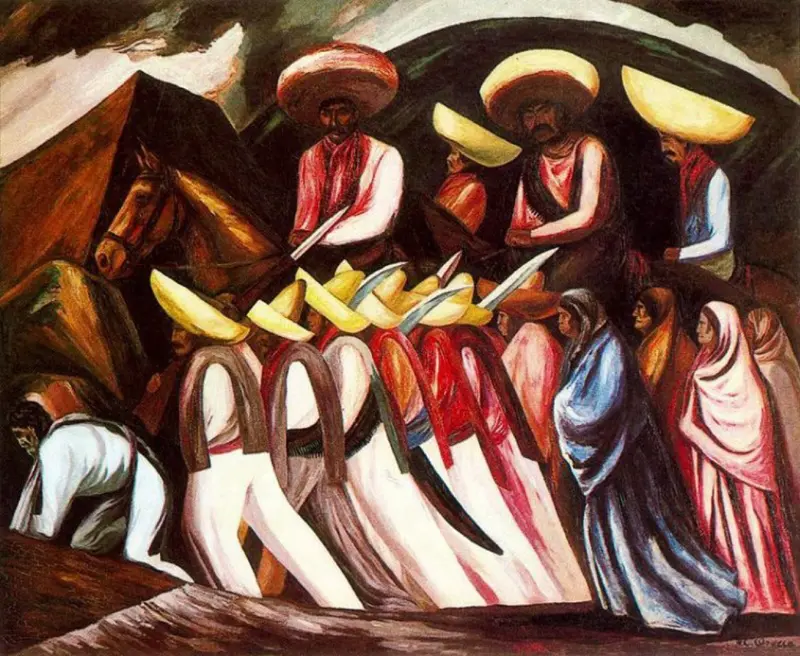
Zapatistas
José Clemente Orozco
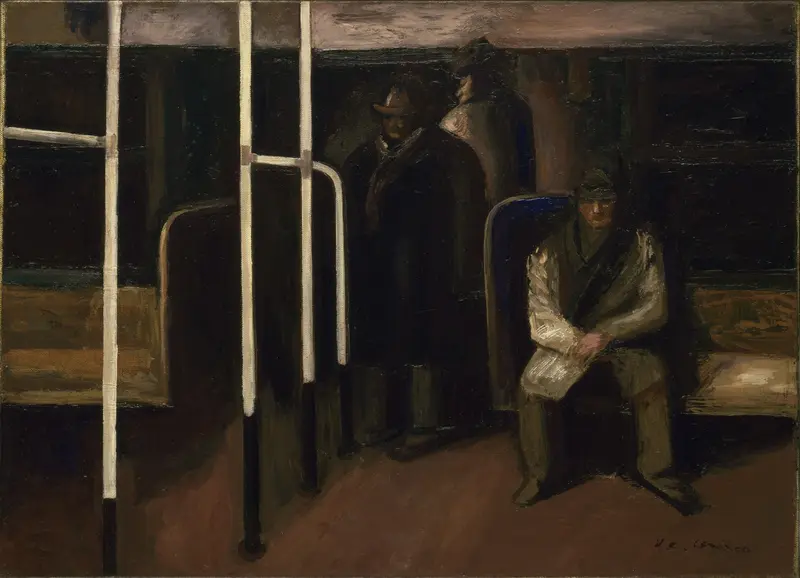
The Subway
José Clemente Orozco
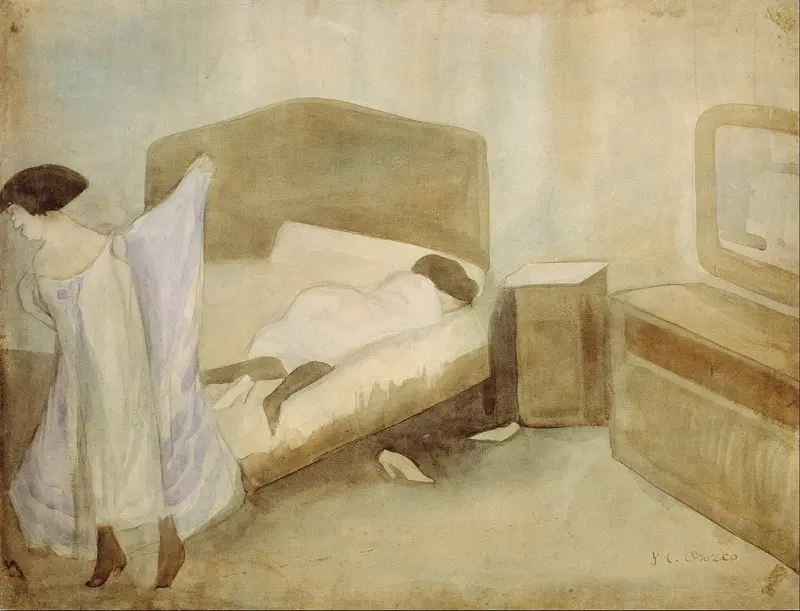
The Bedroom
José Clemente Orozco
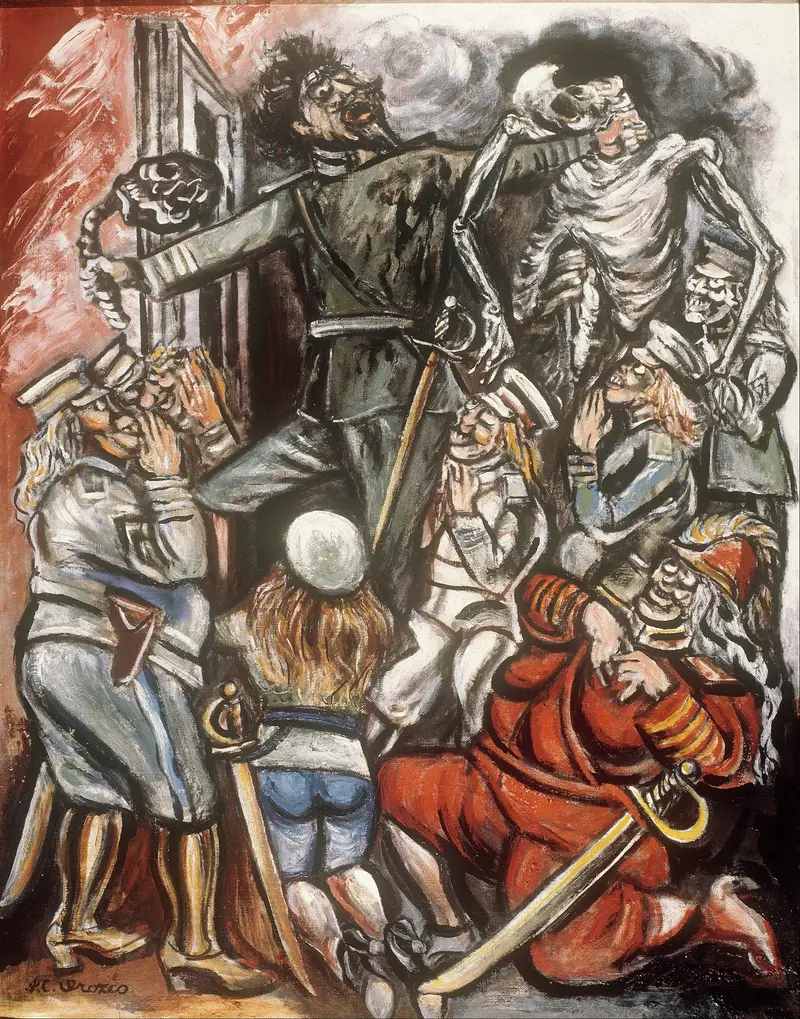
The Demagogue
José Clemente Orozco
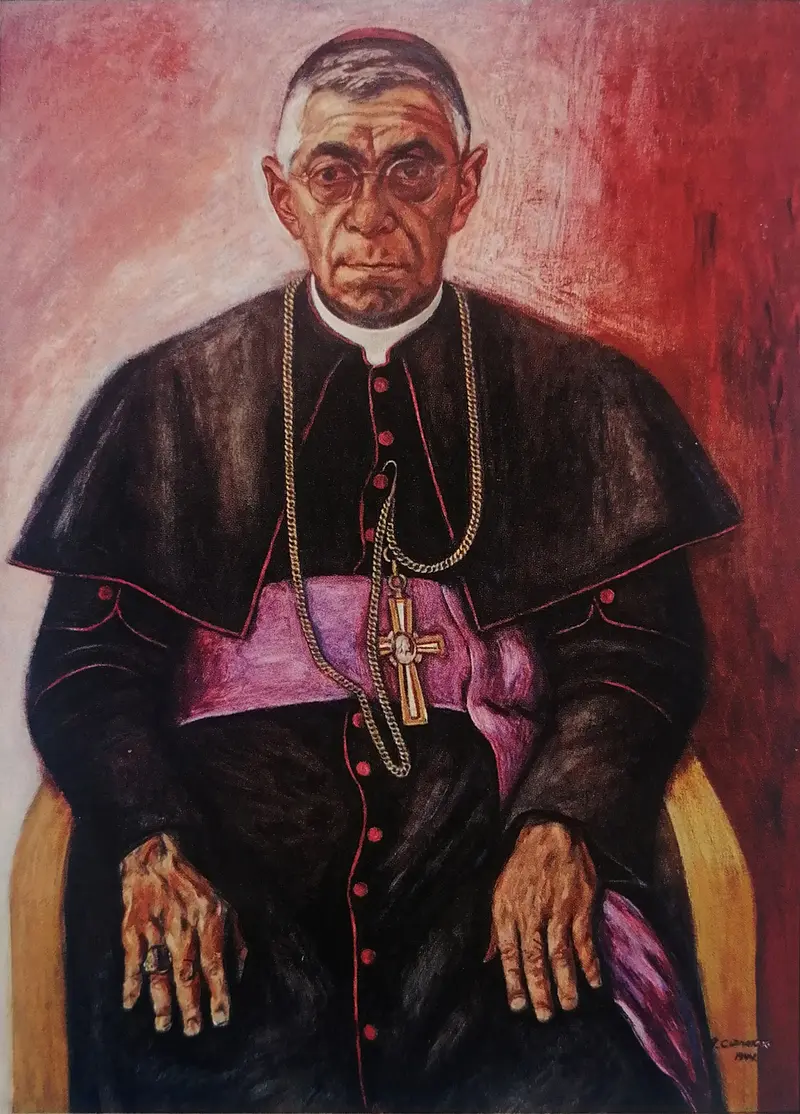
Portrait of Archbishop Luis María Martínez
José Clemente Orozco
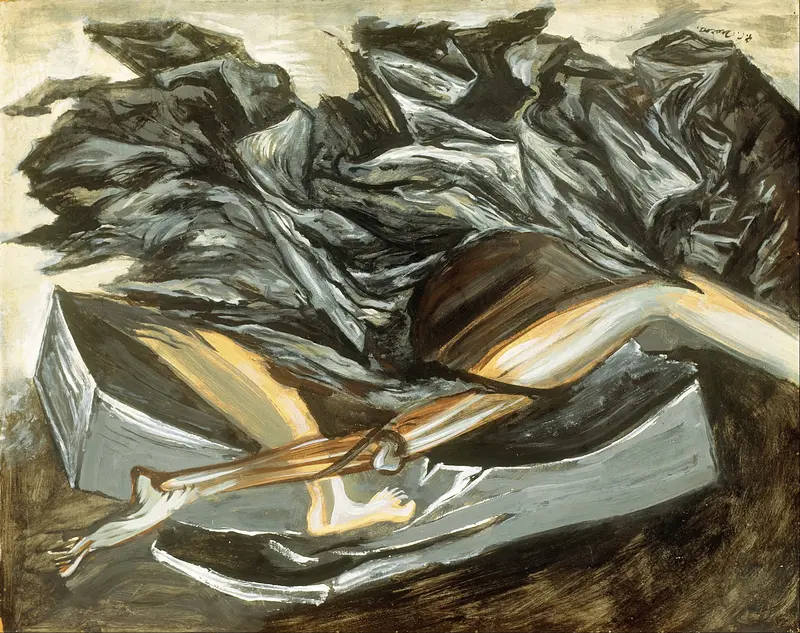
Death and Resurrection
José Clemente Orozco
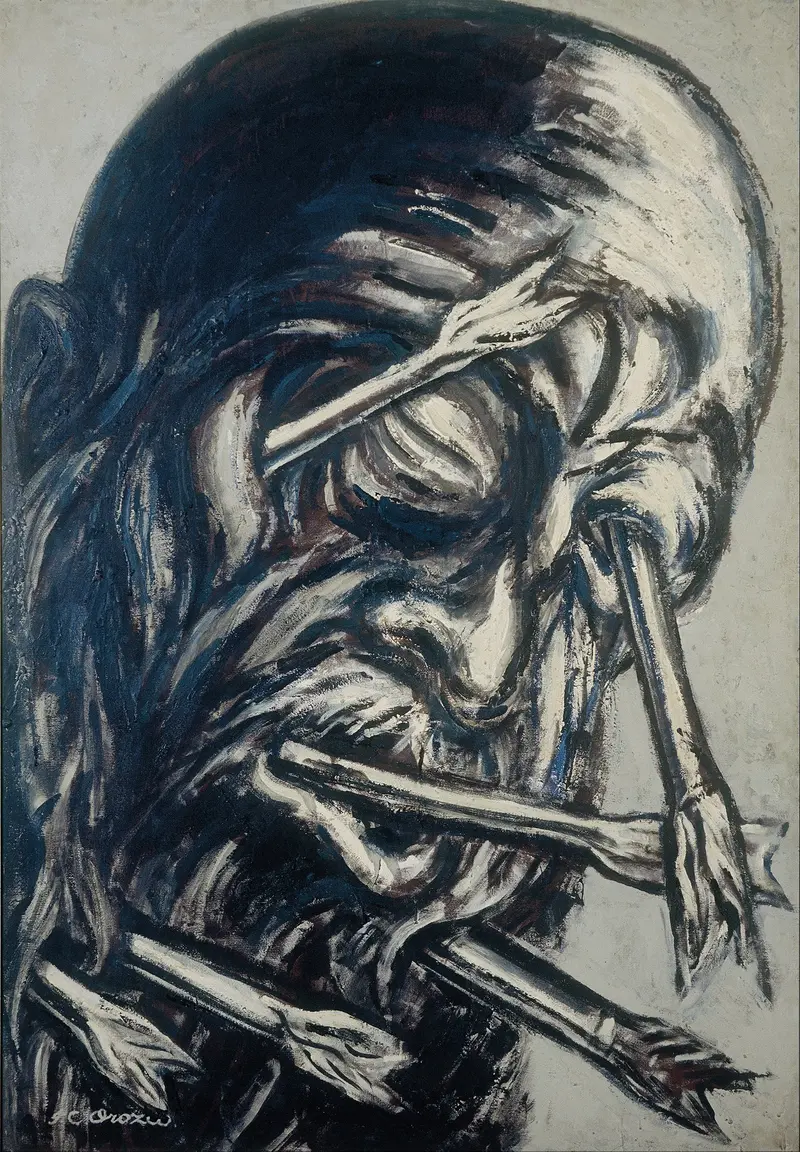
Head Pierced with Arrows, from the Los teules series
José Clemente Orozco



