
Death and Resurrection — History & Facts
A body twists violently out of a coffin, limbs splayed and back arched, as if caught in the instant between utter defeat and a sudden, furious return. The eye is drawn first to the stark, almost skeletal figure, painted in raw, urgent strokes, then to the wild eruption of drapery behind it—grey and black folds that seem to explode from the earth itself. Light slices across the corpse’s thigh and arm, highlighting the tension between death and the desperate energy of resurrection.
There is nothing serene here: the palette is harsh, the forms jagged, as if the very act of coming back to life is a struggle against the world’s resistance. Painted around 1943, Death and Resurrection belongs to a time when artists like José Clemente Orozco were grappling with the violence and upheaval of the twentieth century. Mexican muralists, Orozco among them, used monumental forms and dramatic contrasts to address themes of revolution, suffering, and transformation. While the subject of resurrection has a long tradition in Western art, Orozco’s vision is stripped of comfort or triumph; this is not the serene Christ of Renaissance altarpieces, but a figure caught in the raw mechanics of mortality and hope.
The painting’s energy invites viewers to stand before it and ask: what does it cost to rise again?
More Artworks by José Clemente Orozco

The Dismembered Man, from the Los teules series
José Clemente Orozco
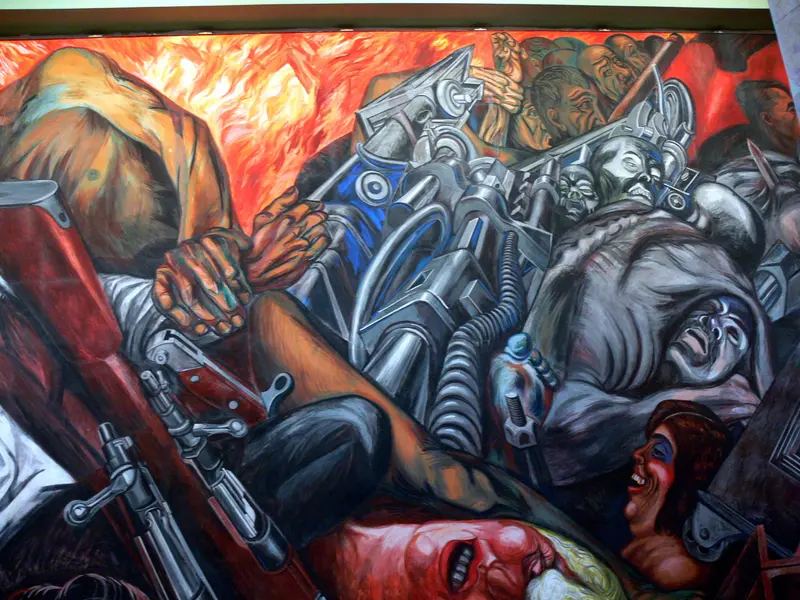
Palacio de Bellas Artes Mural Katharsis Orozco 1
José Clemente Orozco
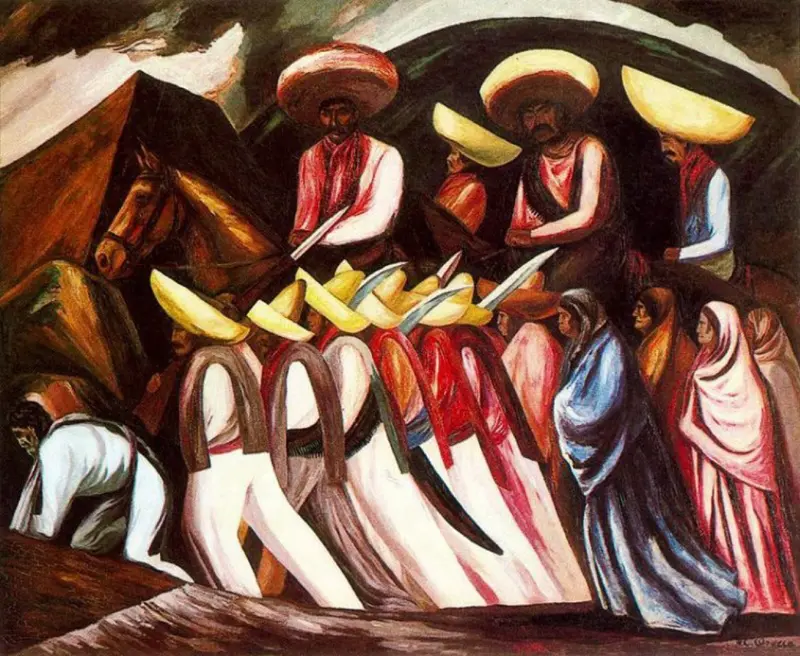
Zapatistas
José Clemente Orozco
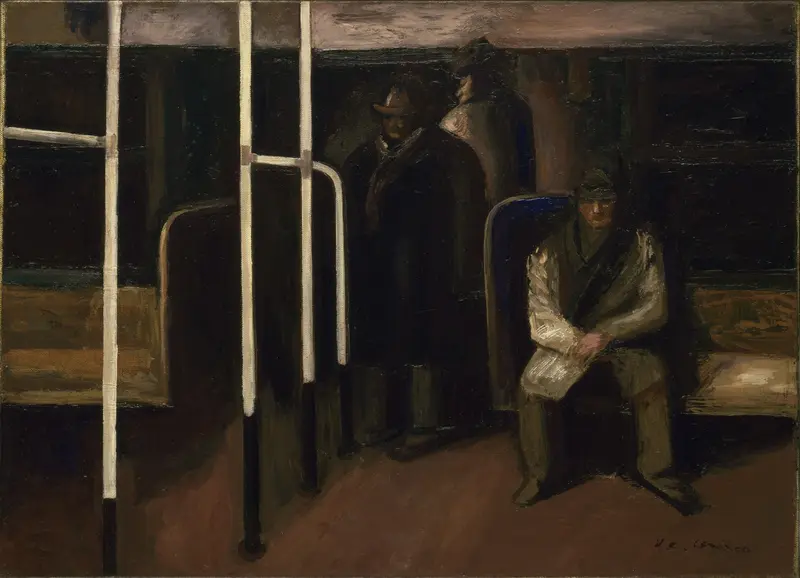
The Subway
José Clemente Orozco
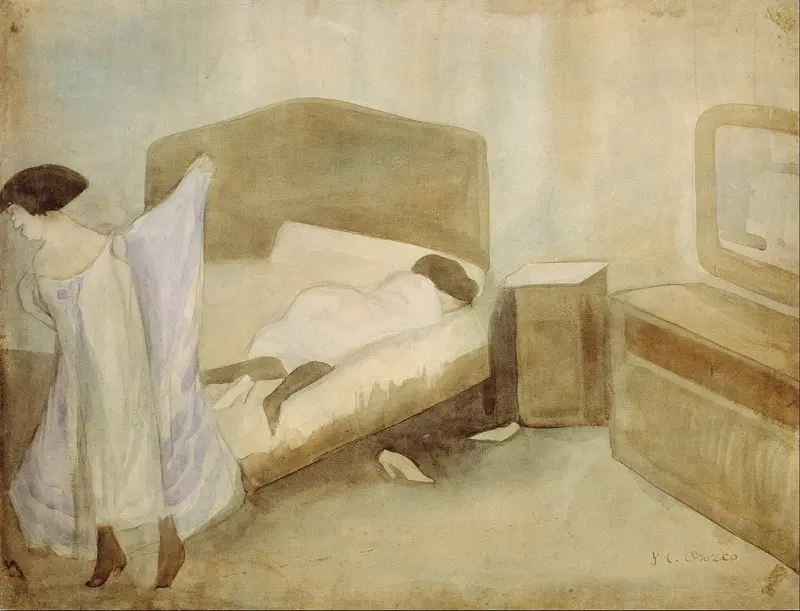
The Bedroom
José Clemente Orozco
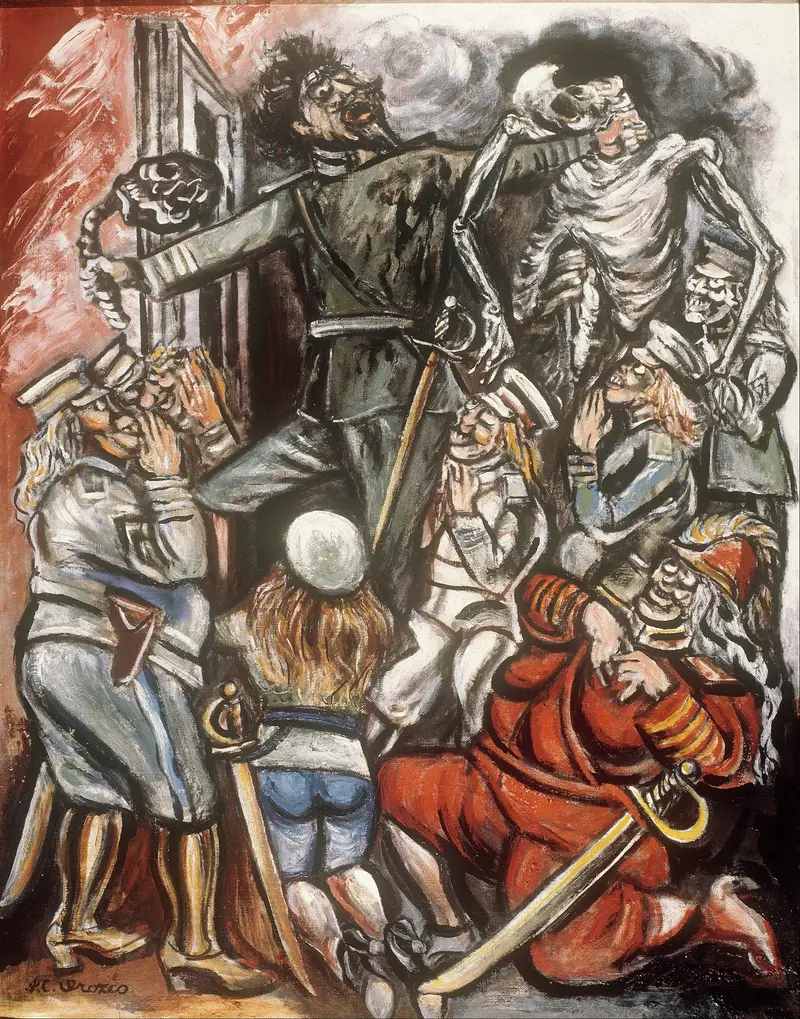
The Demagogue
José Clemente Orozco
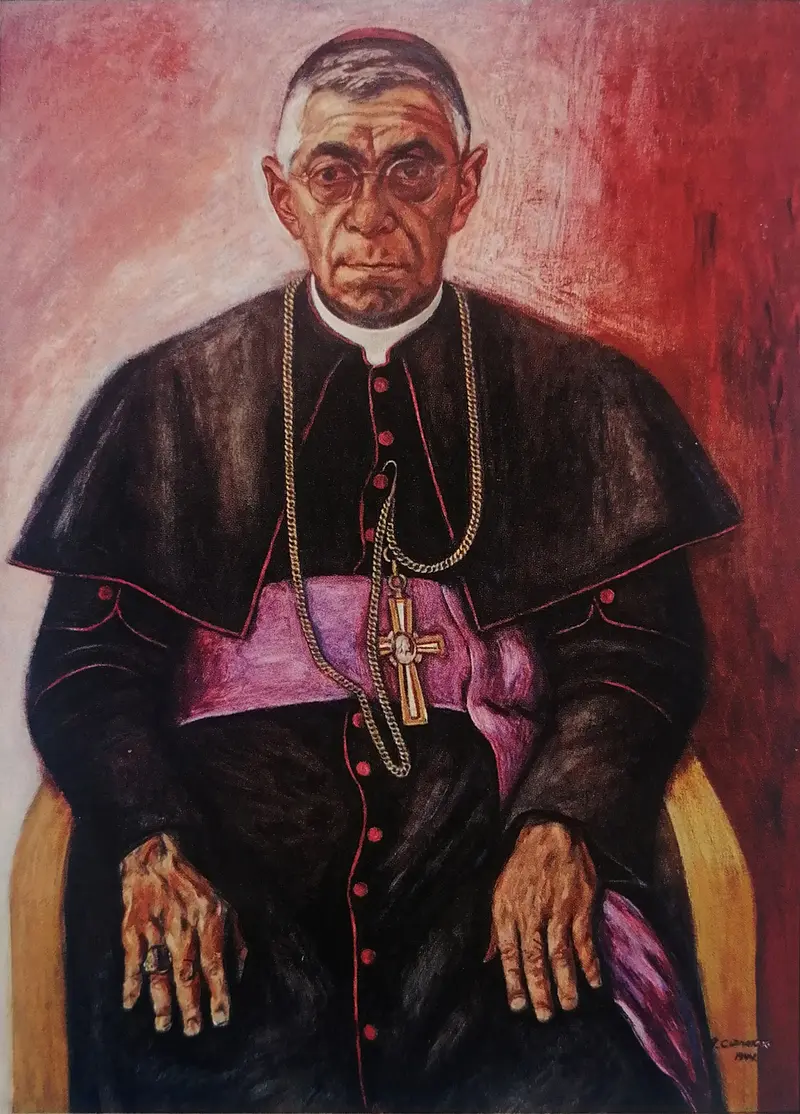
Portrait of Archbishop Luis María Martínez
José Clemente Orozco
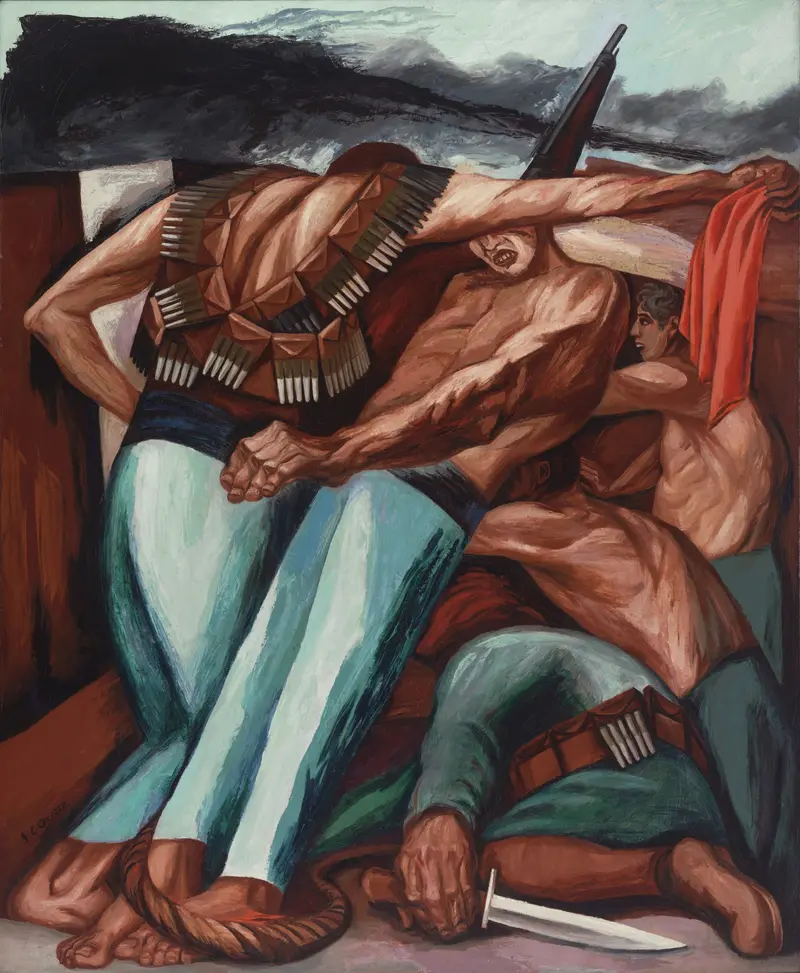
Barricade
José Clemente Orozco
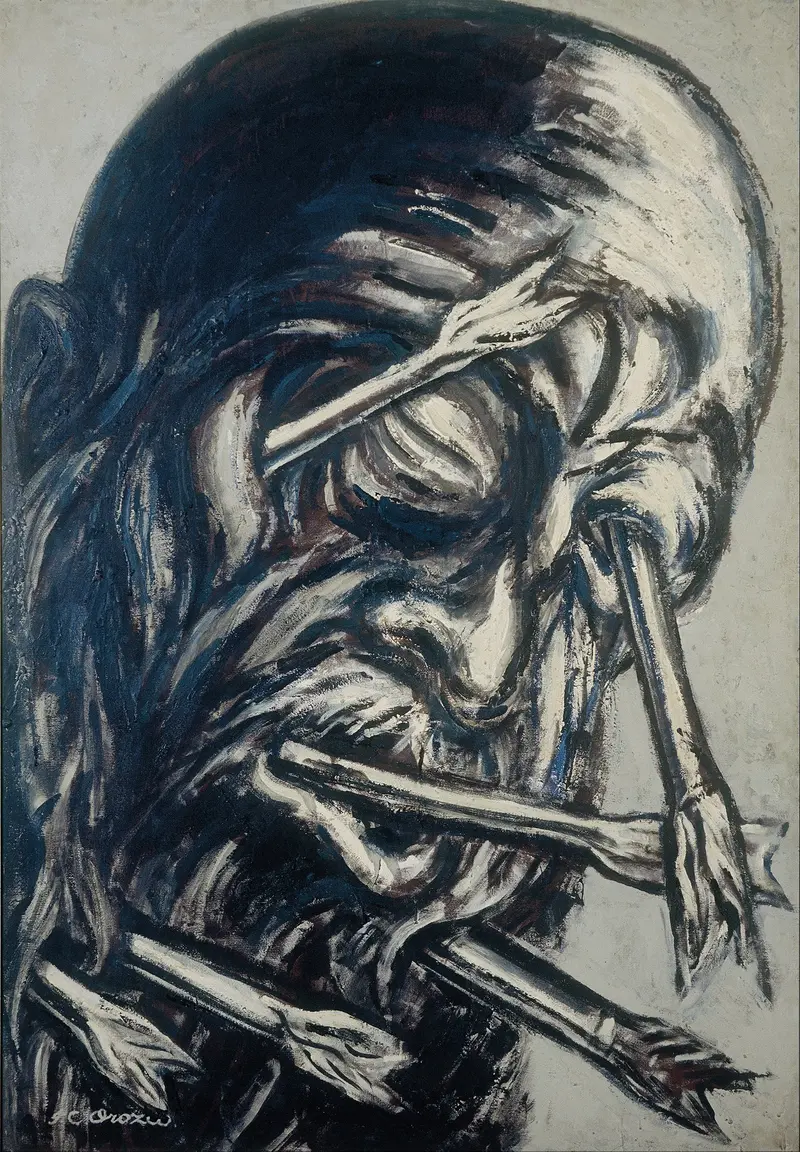
Head Pierced with Arrows, from the Los teules series
José Clemente Orozco



