
The Demagogue — History & Facts
A single figure, wild-eyed and open-mouthed, dominates the chaos at the center of The Demagogue by José Clemente Orozco. The man's arm is thrown wide, clutching a blackened, amorphous mass—perhaps a heart, perhaps a bomb—while his other hand is gripped by a skeletal Death, who rises beside him in a grim, mocking partnership. Around them, a tangle of soldiers and followers kneel, their faces twisted in awe, fear, or blind devotion, hands raised as if in prayer or salute.
The palette is all fire and ash: scorched reds, sooty blacks, and sickly whites, as if the very air is burning with the consequences of the scene. The eye is pulled inexorably to the gaping mouth of the demagogue, then to the bared teeth of Death, and finally to the cowering crowd—each detail a warning, each gesture a signal of danger. Painted in 1946, this work belongs to a world still reeling from the devastations of war and the rise of charismatic, destructive leaders. Orozco, one of the titans of Mexican muralism, was no stranger to the dangers of unchecked rhetoric and mass manipulation.
His figures are never still; they twist, contort, and collapse under the weight of their own choices. Here, the demagogue and Death are inseparable, locked in a dance that sweeps the crowd along with them. Unlike the polished, heroic murals of Diego Rivera, Orozco’s vision is raw, anxious, and deeply skeptical—he paints not the promise of revolution, but its cost.
The painting’s feverish energy and distorted forms place it firmly in the tradition of political art that seeks not to comfort, but to confront. History has kept few traces of this particular work beyond its date and its preservation in the digital collection of Google Arts & Culture. Yet it stands as a fierce reminder of the dangers lurking in the cult of personality and the seduction of power. Return to the image, and notice how every figure is drawn toward the demagogue’s spell—except for Death, who claims him as his own.
More Artworks by José Clemente Orozco

The Dismembered Man, from the Los teules series
José Clemente Orozco
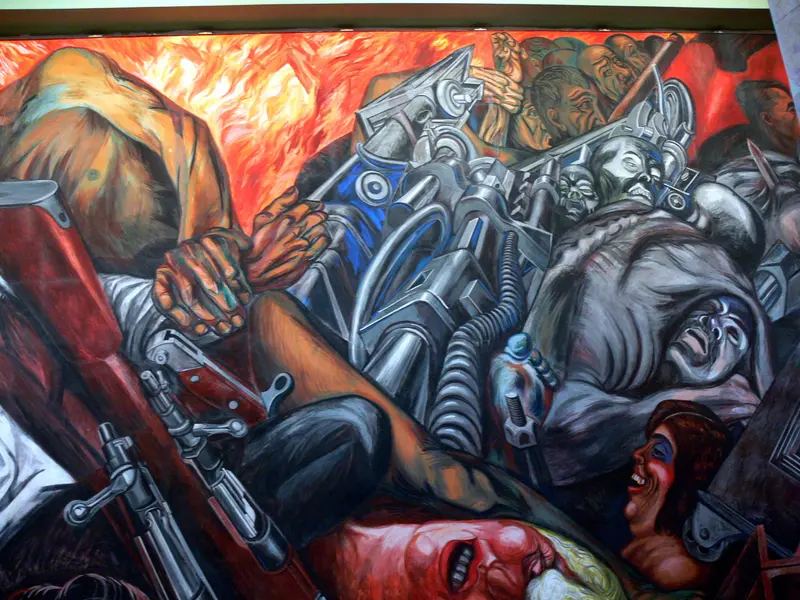
Palacio de Bellas Artes Mural Katharsis Orozco 1
José Clemente Orozco
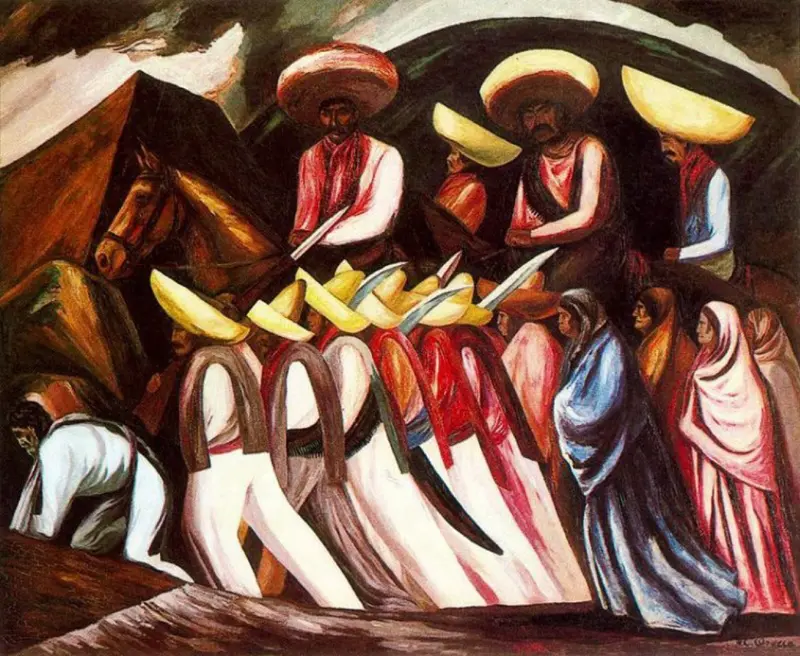
Zapatistas
José Clemente Orozco
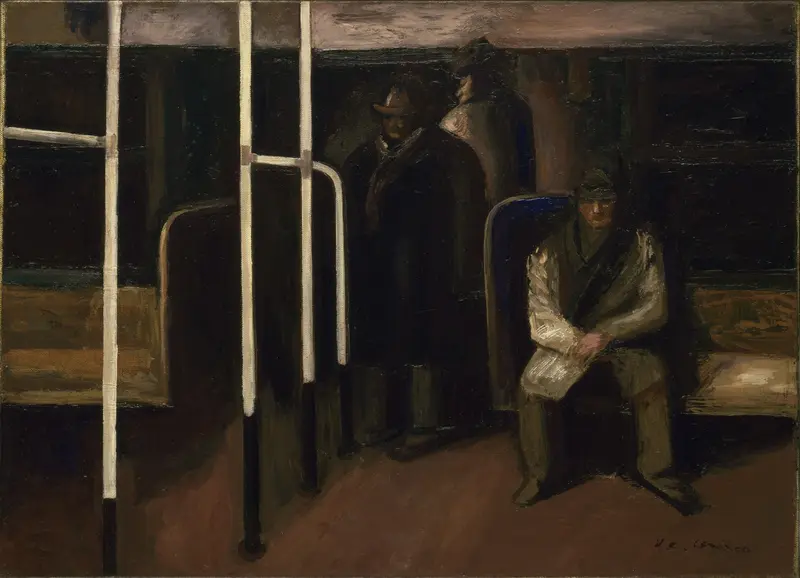
The Subway
José Clemente Orozco
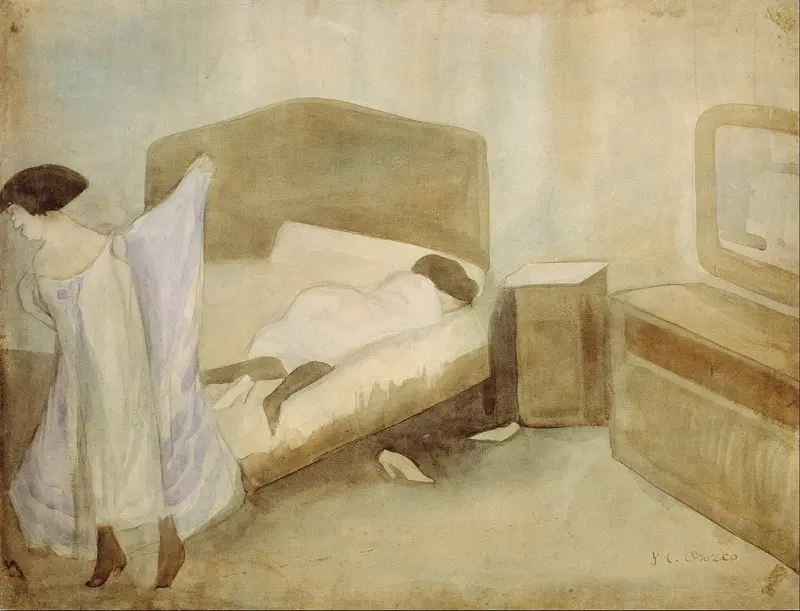
The Bedroom
José Clemente Orozco
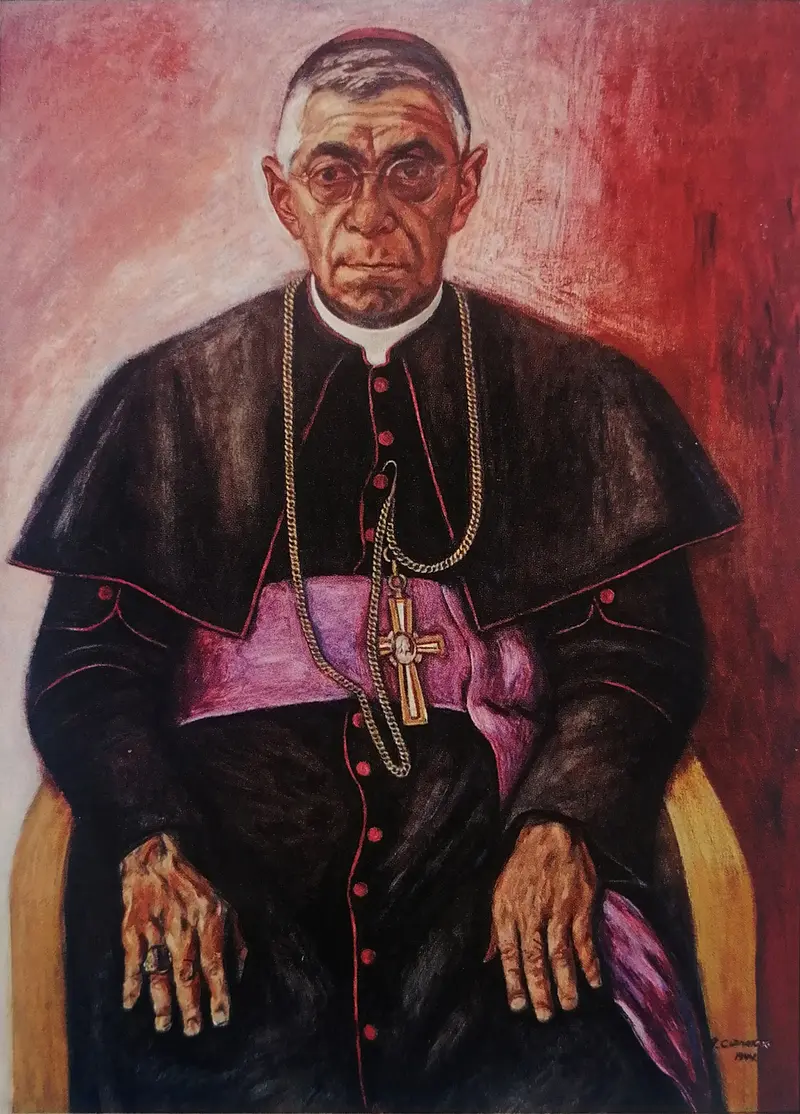
Portrait of Archbishop Luis María Martínez
José Clemente Orozco
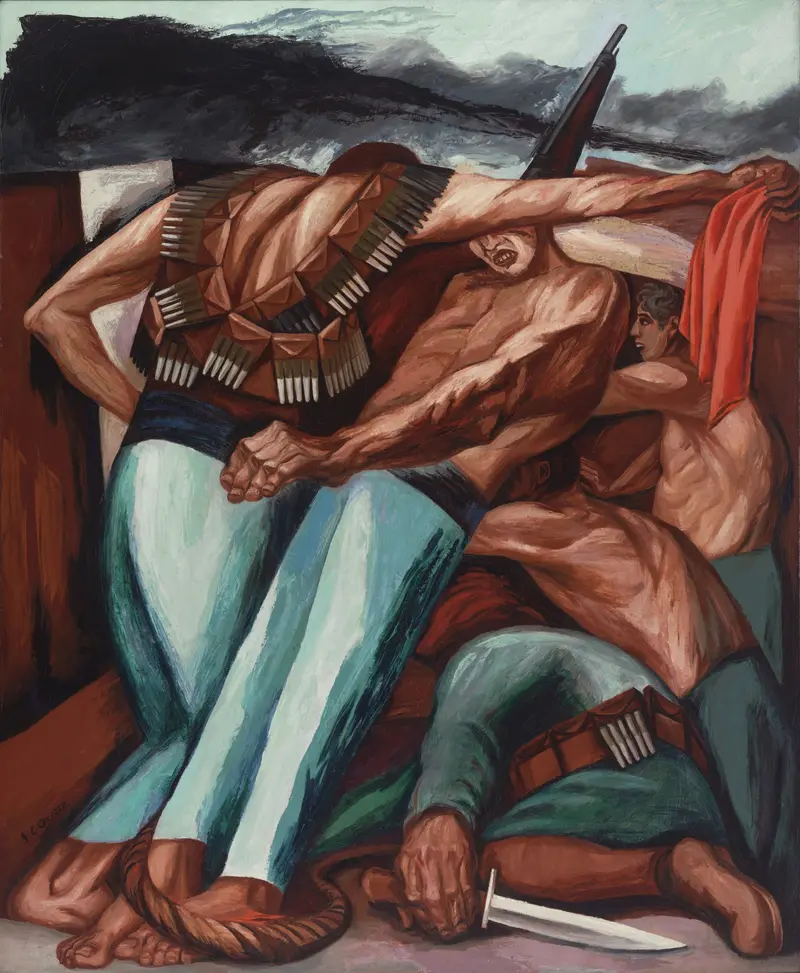
Barricade
José Clemente Orozco
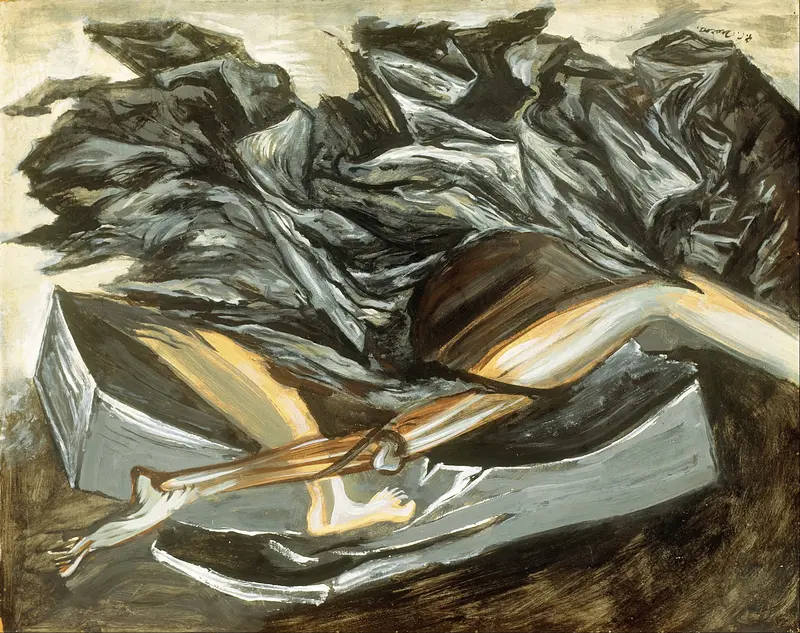
Death and Resurrection
José Clemente Orozco
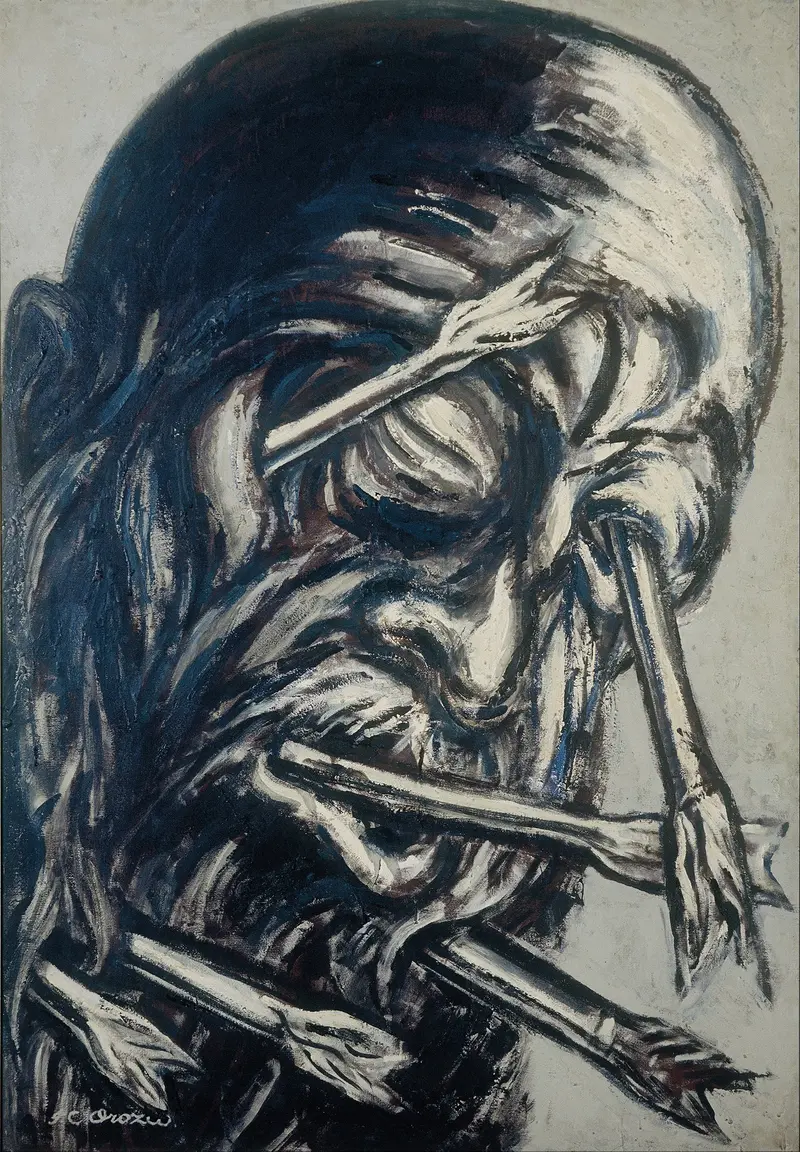
Head Pierced with Arrows, from the Los teules series
José Clemente Orozco



